Academic Learning
The subjects aren’t there to fill out a university transcript. They’re there to shape students into filmmakers.
Develop your personal perspective
as a filmmaker.
Theory and practice in constant dialogue.
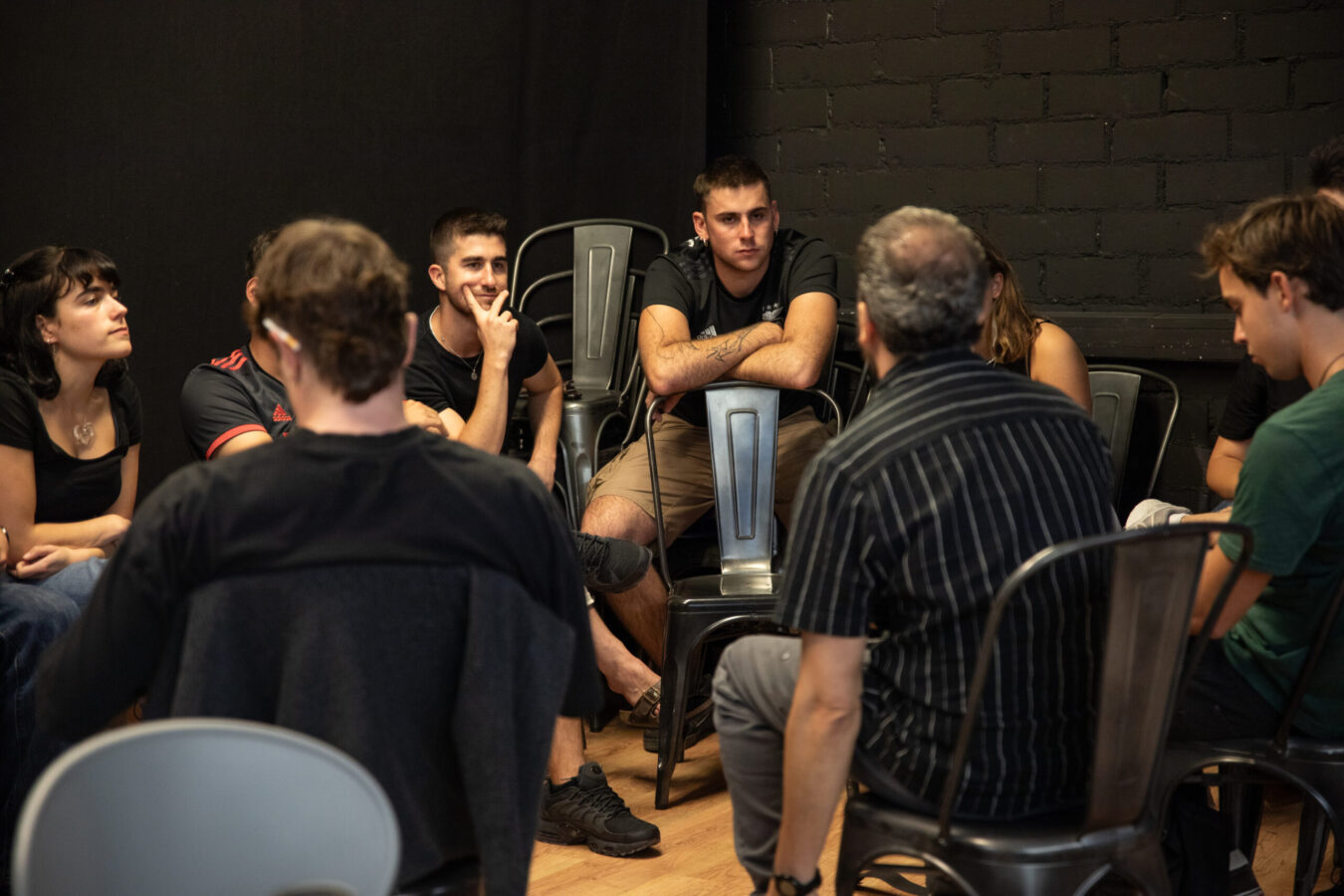
Knowledge is not taught in isolation. A student who shoots a short film in their first year while studying the fundamentals of Eisenstein’s editing does not learn two separate things: they learn one thing in two different ways, making their understanding much deeper and longer-lasting.
Learning with international recognition.
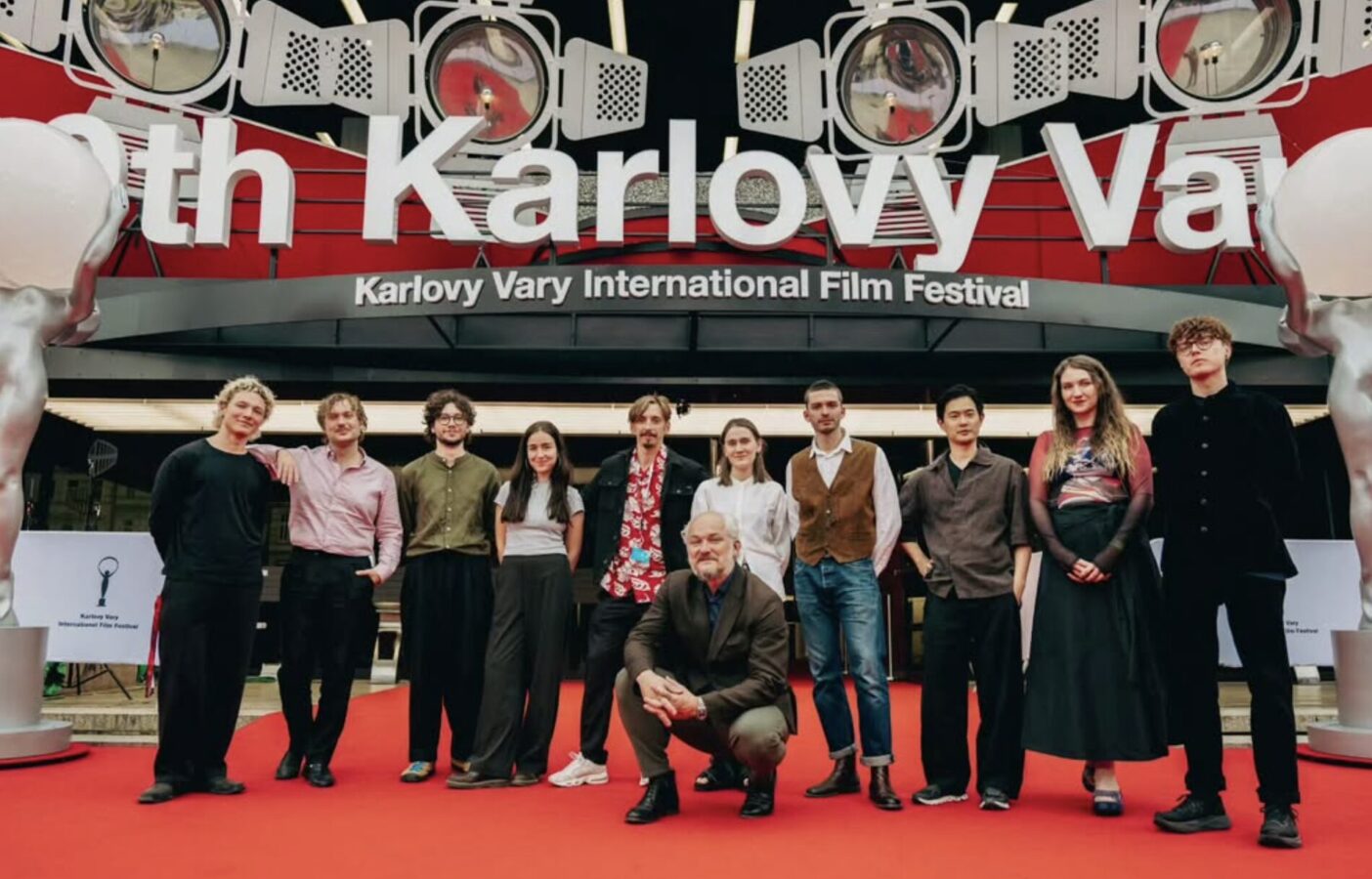
The official qualification from the University of Barcelona guarantees that all this academic learning meets the rigorous standards of the European Higher Education Area. This gives the qualification full international recognition for your future career.
What will this pillar contribute to your development?
You’ll discover your own voice
You’re not here to memorise textbooks to pass an exam; you’re here to discover who you are as a filmmaker. Subjects such as Film History and Film Analysis are your personal laboratory. They will push you to discover what kind of perspective you have, what makes you uncomfortable and what you want to tell the world. The goal is not for you to accumulate facts, but to stop repeating other people’s cinema and develop your own voice.
You’ll have a solid foundation.
You’ll learn the theories of great authors and aesthetic movements, with one purpose: to put them to the test in practice. If you study the theoretical foundations of editing in the morning, in the afternoon you’ll be applying that same technique to your own short film. You’ll learn to master the rules of classical and contemporary cinema so you can later break them thoughtfully in your projects.
Applied knowledge
This entire learning ecosystem, which combines in-depth theory with ongoing film production, is backed by the utmost institutional rigour. When you graduate, you’ll receive an official qualification from the University of Barcelona. This means your creative and technical training meets the highest European standards, ensuring that your talent receives full international recognition in the industry.