



es | ca | en |

ESCAC International

Opening up to the world

Guide for international students

+74

A global community of filmmakers.

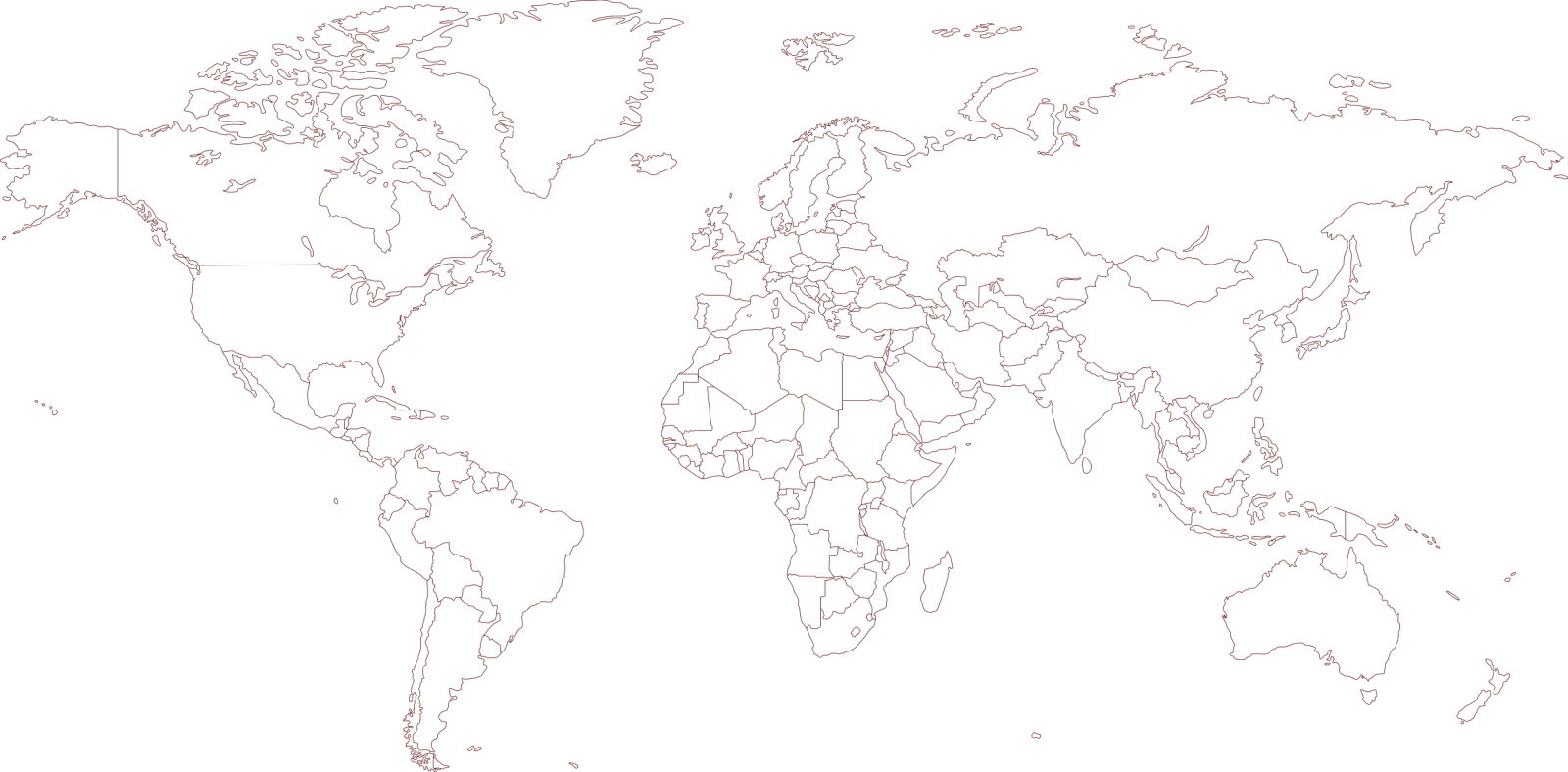
ESCAC brings together students from more than 74 countries who come to study film in Spain, creating an international community where diversity and cultural exchange are part of every cohort. The countries marked on the map represent the origins of our students.

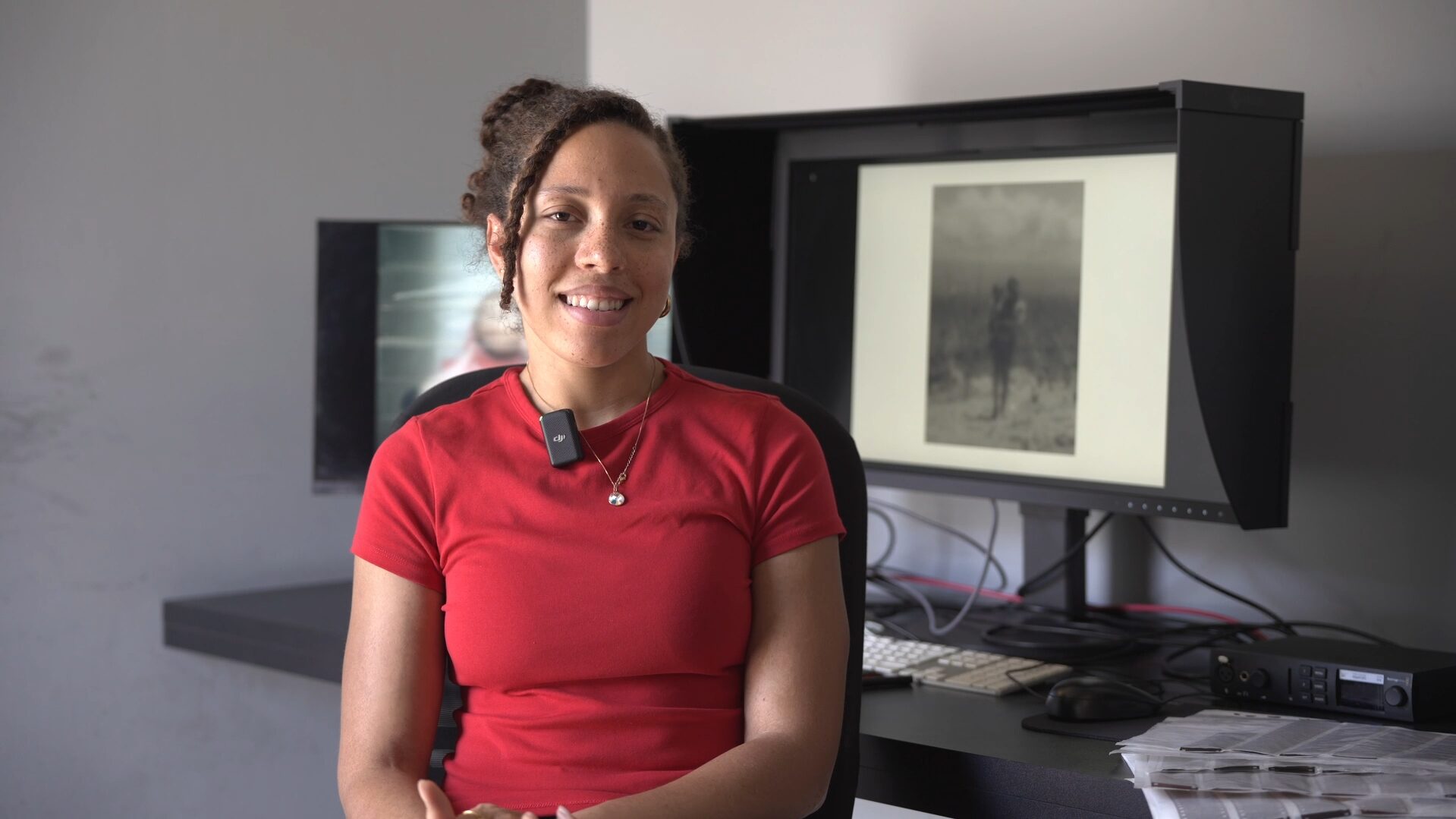
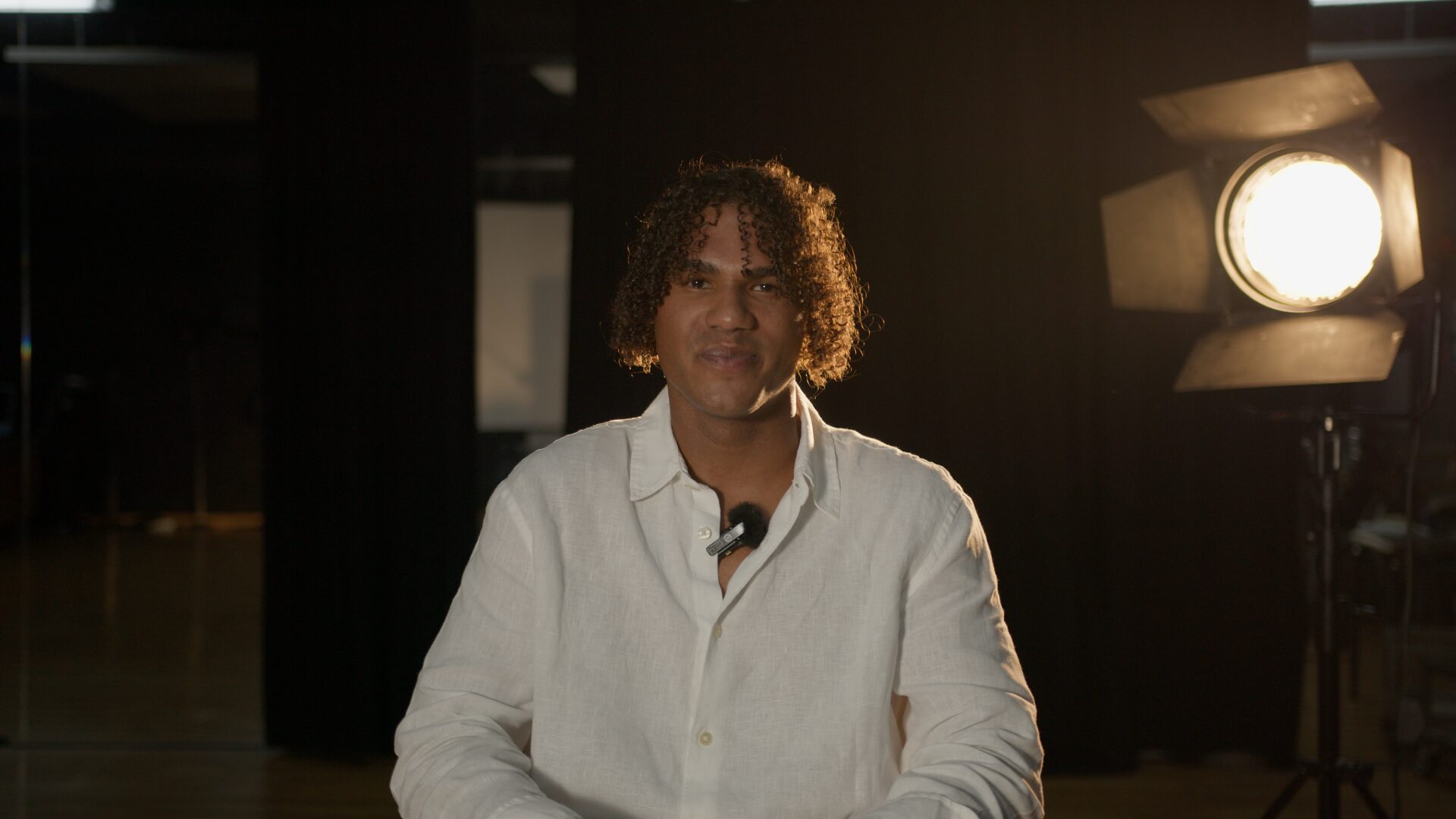
Ademola Falomo

[ INTERNATIONAL STUDENT ]

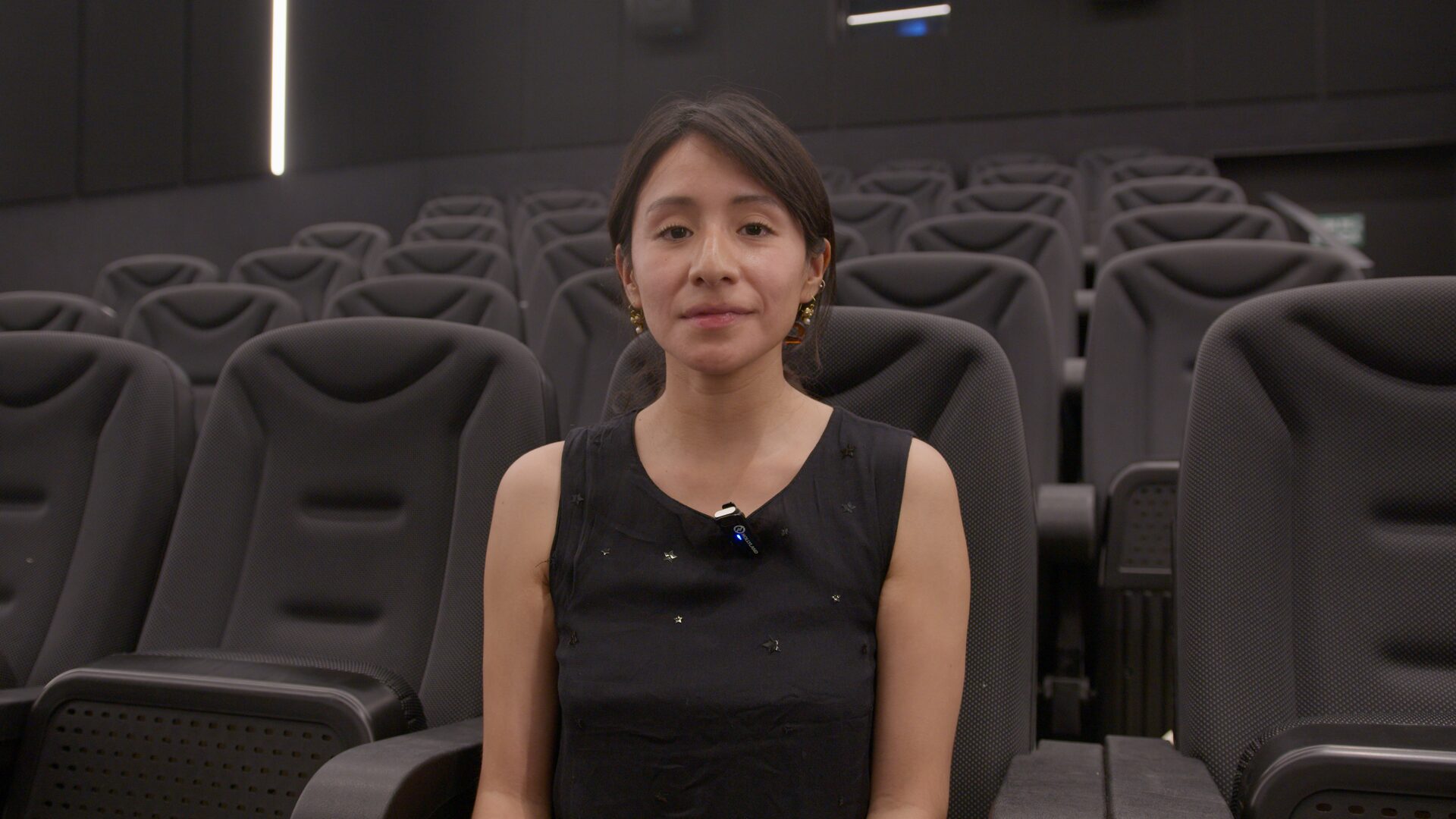
Alondra Sanchez

[ INTERNATIONAL STUDENT ]

Daniela Bravo

[ INTERNATIONAL STUDENT ]

Elisabeth Jessup

[ INTERNATIONAL STUDENT ]

Daniel Hala

[ INTERNATIONAL STUDENT ]
  • BOLIVIA
  • BOSNIA AND HERZEGOVINA
  • BRAZIL
  • BULGARIA
  • CANADA
  • CHILE
  • CHINA
  • COLOMBIA
  • COSTA RICA
  • CYPRUS
  • DEMOCRATIC REPUBLIC OF THE CONGO
  • DENMARK
  • DOMINICAN REPUBLIC
  • ECUADOR
  • EGYPT
  • EL SALVADOR
  • ENGLAND
  • ESTONIA
  • FRANCE
  • GERMANY
  • GREECE
  • GUATEMALA
  • GUINEA
  • HONDURAS
  • HUNGARY
  • INDIA
  • IRAQ
  • IRAN
  • IRELAND
  • ISRAEL
  • JAPAN
  • JORDAN
  • ITALY
  • KENYA
  • LEBANON
  • LITHUANIA
  • LUXEMBOURG
  • MADAGASCAR
  • MALAYSIA
  • MEXICO
  • MOROCCO
  • NEPAL
  • NETHERLANDS
  • NICARAGUA
  • NIGERIA
  • NORWAY
  • PAKISTAN
  • PALESTINE
  • PANAMA
  • PARAGUAY
  • PERU
  • PHILIPPINES
  • POLAND
  • PORTUGAL
  • PUERTO RICO
  • ROMANIA
  • RUSSIA
  • SAUDI ARABIA
  • SCOTLAND
  • SERBIA
  • SLOVENIA
  • SPAIN
  • SOUTH KOREA
  • SWITZERLAND
  • SWEDEN
  • SYRIA
  • TUNISIA
  • TURKEY
  • UKRAINE
  • URUGUAY
  • USA
  • VENEZUELA
ABOUT US

Your step-by-step guide to studying at ESCAC if you come from outside Spain

Recognition and Legalisation of Qualifications

If you have studied outside Spain, you may need to have your previous studies accredited, recognised or legalised. The process will depend on your country of origin and the programme you wish to access. Here are the main options.

  • To access an Official University Bachelor’s Degree
    • You need to submit your secondary education qualification (equivalent to the Spanish Bachillerato). Depending on your country of origin, you will need to apply for the UNEDasiss accreditation or direct recognition from the Spanish Ministry of Education.
    • You must meet the requirements set out in the current regulations governing access to official university degree programmes, including passing the Specific Competency Tests (PCE), where applicable.
    • You must also pass the ESCAC-specific Personal Aptitude Test (PAP).
  • To access an Official University Master’s Degree
    • To access an Official University Master’s Degree, you must hold a university degree that qualifies you to pursue master’s studies in the education system in which it was awarded.
    • University qualification from the European Higher Education Area (EHEA)
      The qualification must demonstrate a level equivalent to that of a Spanish university bachelor’s or master’s degree and provide access to master’s studies in the country of origin.
    • University qualification from education systems outside the EHEA
      Foreign graduates may access a university master’s programme without prior recognition, provided their qualification is equivalent to an official Spanish bachelor’s or master’s degree and is academically valid for access to master’s studies in their country of origin. All academic documents must be duly legalised.
  • To access an ESCAC-specific Master’s or Postgraduate programme
    • You need to have completed your university degree or, alternatively, demonstrate prior professional experience in the sector. As an ESCAC-specific qualification focused on the industry, the administrative process is more straightforward, and access is based on internal assessment of your talent and portfolio.
  • Legalisation of documents
    • For university degrees obtained abroad, academic documents must meet the legalisation requirements established in the country where they were issued.
      The procedure will depend on the international agreements signed by that country:
    • Countries that are parties to the Hague Convention
      Documents must bear the Hague Apostille.
    • Countries that are not parties to the Hague Convention
      Documents must be duly legalised through the relevant chain of legalisations, which includes:
      • 1. The Ministry of Education of the country where they were issued.
      • 2. The Ministry of Foreign Affairs of the country where they were issued.
      • 3. The Spanish Consulate in the country where they were issued.
    • Translation of documents
      If academic documents are not written in Spanish, Catalan or English, they must be submitted with an official translation by a sworn translator.

Visas and Immigration

If you need a visa to study in Spain, you can begin the application process once your admission has been confirmed. The requirements and procedure will depend on your nationality, the length of your studies and your personal circumstances.

  • Student Visa (Type D)
    • It is compulsory for any academic stay exceeding 90 days. You must apply in person at the Spanish Consulate or Embassy in your country of origin or legal residence.
  • When to apply
    • As soon as you receive ESCAC’s Official Letter of Admission and the receipt confirming payment of your tuition fees or reservation of your place. Consulates can take weeks or months to issue an appointment, so planning ahead is essential. The entire process can take up to three months.
  • Common consular requirements
    • In addition to ESCAC’s letter of admission, to apply for your study visa you will need to submit the documents required by the relevant Spanish consulate. These usually include medical insurance with full coverage in Spain and no co-payments, a duly apostilled or legalised criminal record certificate, a medical certificate and proof of sufficient financial means to cover your stay during the academic year, in accordance with the amounts set based on the IPREM (Public Indicator of Multiple Effects Income). Specific requirements may vary depending on your country of origin and the length of your studies.
  • On arrival in Spain (TIE/NIE)
    • If your course lasts more than 6 months, the visa placed in your passport is only for entering the country (it is usually valid for 90 days). You have a strict deadline of 30 days from your date of entry into Spain to book an appointment at the National Police / Immigration Office and apply for your Foreigner Identity Card (TIE), which will be your physical identity document and will show your definitive NIE.
  •  Legal advice
    • ESCAC has an agreement with the immigration law firm Bufete MC Mora, which offers discounted rates to students of the Foundation.
      The law firm Bufete MC Mora has more than 20 years of experience.

Accommodation

ESCAC, an international film school located in the university city of Terrassa, is about 30 kilometres from the centre of Barcelona. The two cities are directly connected by train (FGC and Rodalies). When looking for accommodation, you’ll have to make your first big decision: live next to the school or in the centre of the capital? Here’s what each option is really like.

  • Living in Terrassa
    • Ideal if you want to focus on film shoots, save money and avoid wasting time on transport.
      • Day-to-day life
        You’ll be just a few minutes’ walk from the school and the studios. Living close to your fellow crew members makes arranging practical shoots and meet-ups much easier.
      • University residences
        Terrassa has a large university campus. Several private residences are less than 5-10 minutes’ walk from ESCAC (such as Yugo, Resa Hipatia and Resa Francesc Giralt), with a swimming pool, gym, dining hall and study rooms.
      • Shared apartments
        This is the most popular option. Renting a room in a student apartment in Terrassa costs an average of between 450€ and 700€ per month.
  • Living in Barcelona
    • Ideal if you prioritise cultural life, leisure and the experience of a major European capital.
      • Day-to-day life
        You’ll have to allow for a journey of about 45 minutes each way by train (FGC) or bus every day to get to ESCAC. Bear in mind that shoots at the school sometimes finish late or at weekends, which can make getting back more difficult.
      • Cost of living
        The property market in Barcelona is much more expensive and competitive. A room in a shared apartment will cost at least 500€ – 800€ per month, plus the cost of a monthly public transport pass (with different fare zones).

100% Online Admissions Process

You don’t need to travel to Spain to take your entrance exams. We have digitised the entire selection process so that you can complete it from your country of origin, with schedules adapted to your time zone.

  • For entry to the Bachelor’s Degree: Personal Aptitude Test (PAP)
    • This test is designed to assess your creative potential, audiovisual knowledge and storytelling skills.
      PAP guide
  • For entry to Master’s programmes / Postgraduate programmes / Courses: Application and Portfolio (Online Portal)
    • You’ll fill in the admissions application form on our website and attach your video pitch, CV and creative portfolio. Then, once admitted, you can access the admissions portal, create your profile and upload all your academic, legal and identity documents.

Frequently Asked Questions

  • What do I need to study at ESCAC if I come from another country?
    • It will depend on the programme you want to enrol in and where you completed your previous studies. To study at ESCAC, you will need to complete the relevant admissions process and, when necessary, have your academic documents officially recognised, certified or legalised. If you need a student visa, you can start the application process once your place has been confirmed.

  • Do I need to have my previous studies officially recognised to study at ESCAC?
    • It depends on the qualification you want to pursue. The requirements are not the same for a Bachelor’s degree, an Official University Master’s degree or an institution-specific Master’s degree/postgraduate programme.

  • Do I need a student visa to study in Spain?
    • It will depend on your nationality and the length of your studies. If you need a visa, you must apply for it before travelling to Spain, following the requirements set by the relevant consulate. Once admitted to ESCAC, you will be able to obtain the academic documents needed to start the process.

  • Is it better to live in Terrassa or Barcelona?
    • It depends on the experience you are looking for. Living in Terrassa means you can be close to ESCAC and makes day-to-day classes, shoots and practical work easier. Barcelona offers the cultural and social opportunities of a large city, but you will need to travel to Terrassa to attend the school. The two cities are connected by public transport.

  • Can I complete the entire admissions process from my country?
    • Yes, the admissions process can be started online. The specific steps will depend on the programme you want to enrol in. Once admitted, you will need to complete the academic formalities and, where applicable, the visa, immigration and documentation procedures required to come and study in Spain.


“What surprised me most was how international the classroom feels. You learn from people from all over the world.”

Ademola Falomo [ Nigeria ]

“The practical approach was what convinced me. You don't just observe—you start shooting from day one.”

Alondra Sanchez [ Dominican Republic ]

“ESCAC gave me access to a network of contacts I never thought I would have as an international student.”

Daniela Bravo [ Mexico ]

“The programme challenged me more than I expected, but that's exactly why I chose it.”

Elisabeth Jessup [ United States ]

“Moving to Barcelona for this school was the best decision I've ever made. The connections with the industry are real.”

Daniel Hala [ AUSTRIA ]
Title
Popupcontent
Contacta con nosotros
Aceptar