



es | ca | en |

Study with us and
build a future in film.

ESCAC is behind major successes in film and on platforms such as Netflix and Amazon Prime.

Would you like to be one of them?

Guide for national students

Oriol Maymó

Oriol Maymó

[ Production Director ]
Sergi Casamitjana

Sergi Casamitjana

[ Director of ESCAC ]
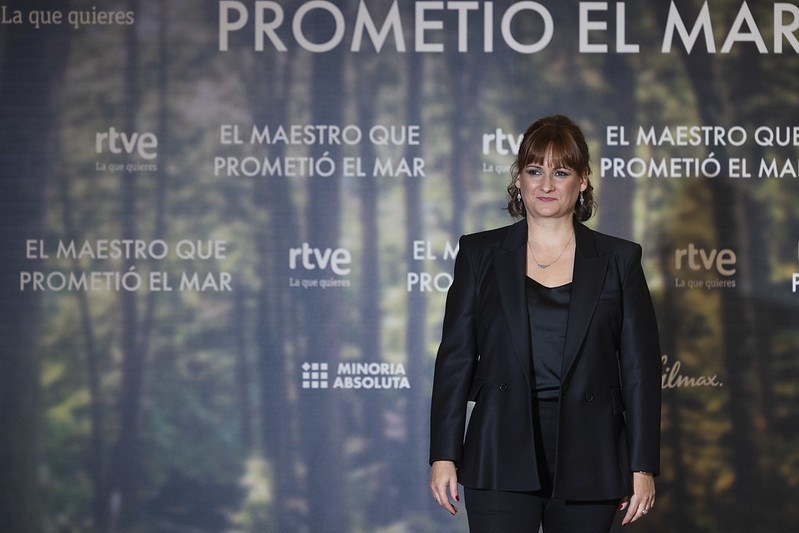
Patricia Font

Patricia Font

[ Director ]
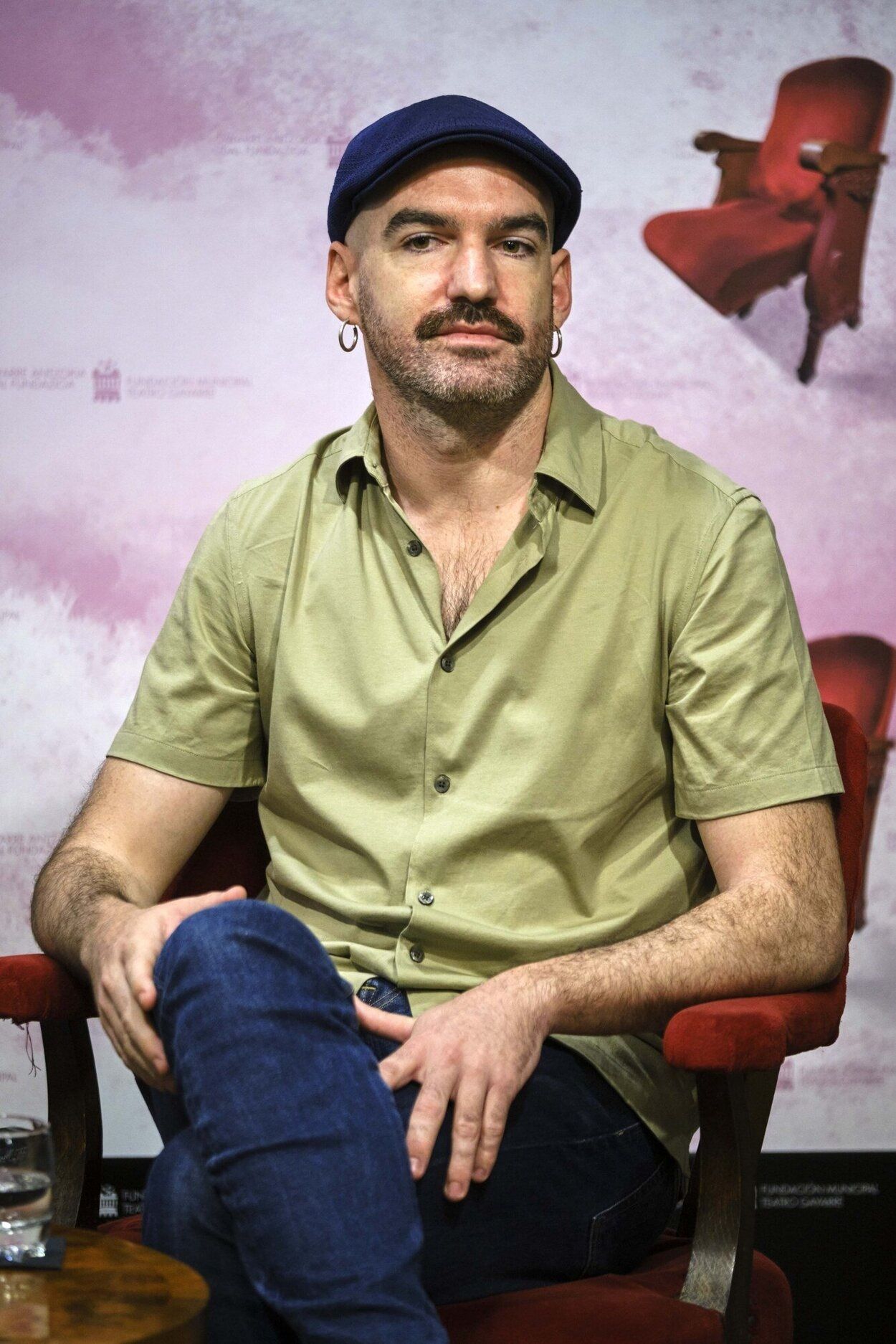
Markos Goikolea

Markos Goikolea

[ Screenwriter ]
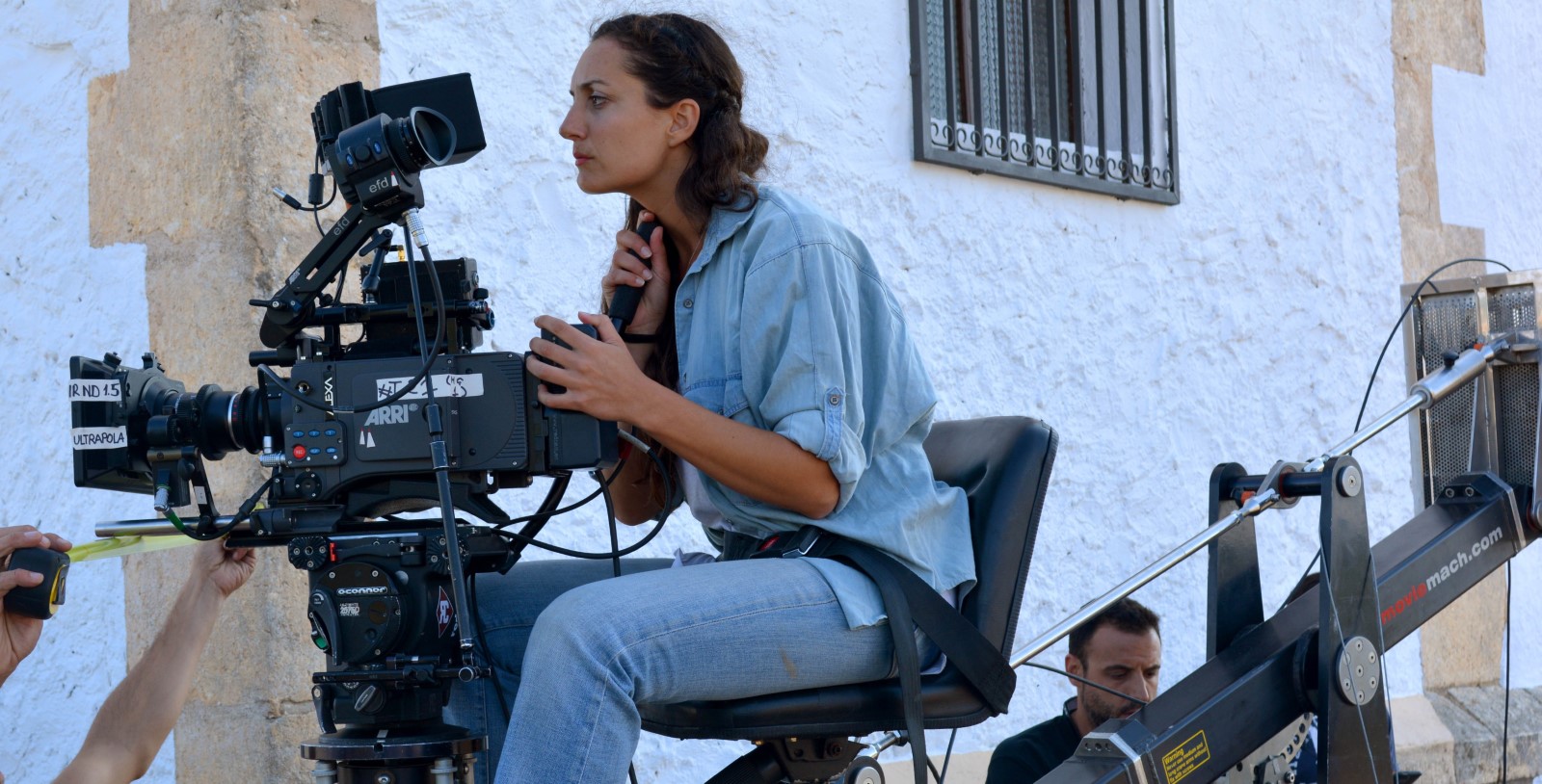
Griselda Jordana

Griselda Jordana

[ Cinematographer ]
J.A. Bayona

J.A. Bayona

[ Director ]
Ana Pfaff

Ana Pfaff

[ Film editor ]

Would you like to know more about our impact on the film industry?

NATIONAL STUDENTS

Your step-by-step guide to applying to ESCAC

What would you like to study?

Admission requirements for ESCAC depend on your previous education and the programme you want to take. Explore the different admission routes and find out which process you need to follow in each case.

  • Pre-university Courses
    • Programmes designed for those who want to prepare before beginning their university studies and start developing their skills in film and audiovisual media.
  • Official University Degree
    • You must meet the requirements set out in the current regulations governing admission to official university degree programmes. You must also pass our specific admissions test (PAP).
  • Official University Master’s Degrees
    • Admission requires a university degree. You must pass the school’s internal selection process and personal interview.
  • Master’s degrees, postgraduate programmes and ESCAC’s own courses
    • Admission to specialisation programmes is handled directly by the school. Admission to these programmes is based exclusively on an assessment of your profile.

Accommodation

ESCAC is located in the university town of Terrassa, around 30 kilometres from the centre of Barcelona. The two cities are directly connected by train (FGC and Rodalies). When looking for accommodation, you’ll have to make your first big decision: live next to the school or in the centre of the capital? Here’s what each option is really like.

  • Living in Terrassa
    • Ideal if you want to focus on film shoots, save money and avoid wasting time commuting.
      • Day-to-day life
        You’ll be just a few minutes’ walk from the school and the studios. Living near your fellow film crew members makes organising shoots for practical assignments and meeting up much easier.
      • University residences
        Terrassa has a large university campus. Several private residences are less than a 5-10-minute walk from ESCAC (such as Yugo, Resa Hipatia and Resa Francesc Giralt), with a swimming pool, gym, dining hall and study rooms.
      • Shared flats
        This is the most popular option. Renting a room in a student flat in Terrassa costs an average of €450 to €700 per month.
  • Living in Barcelona
    • Ideal if you prioritise cultural life, leisure and the experience of a major European capital.
      • Day-to-day life
        You’ll need to allow for a journey of around 45 minutes each way by train (FGC) or bus every day to get to ESCAC. Bear in mind that shoots at the school sometimes finish late or take place at weekends, which can make the return journey difficult.
      • Cost of living
        The property market in Barcelona is much more expensive and competitive. A room in a shared flat will cost at least €500 – €800 per month, plus the cost of a monthly transport pass (with different fare zones).

100% Online Admissions Process

The admissions process at our film school is 100% online, so you can complete it wherever you are. You just need to follow the steps for the programme you want to apply to.

  • Applying for the University Degree: Personal Aptitude Test (PAP)
    • This test is designed to assess your creative potential, audiovisual knowledge and storytelling ability.
      PAP Guide
  • Applying for Master’s degrees / Postgraduate programmes / Courses: Application and Portfolio (Online Portal)
    • On our website, you’ll fill in the admissions application form and attach your video pitch, CV and creative portfolio. Then, once accepted, you can log in to the admissions portal, create your profile and upload all your academic, legal and identity documents.

Frequently Asked Questions

  • What do I need to apply for an official degree at ESCAC?
    • Admission depends on your previous studies and the route through which you enter university. In addition to meeting the relevant academic requirements, you must pass the Personal Aptitude Test (PAP) to gain admission to ESCAC’s Official Degree programme.

  • What is the Personal Aptitude Test (PAP), and when do I need to take it?
    • The PAP is the specific admissions test for studying an official degree at ESCAC. It assesses candidates’ aptitudes and potential and is part of the admissions process. The dates, stages and documentation for each application period are published before the process begins.

  • Can I apply to ESCAC with an Advanced Vocational Training qualification?
    • Yes. If you have completed an Advanced Vocational Training programme (CFGS), you can apply for an official degree through the relevant admissions route and by taking the Personal Aptitude Test (PAP). The specific requirements depend on your academic record and the applicable university admission conditions.

  • What is the admissions process for Master's degrees, postgraduate programmes and courses?
    • You can apply and complete the admissions process online. You’ll need to submit the documents required for your chosen programme and follow the different stages of the selection process. Requirements may vary depending on the programme you want to apply for.

  • Do I have to live in Terrassa to study at ESCAC?
    • No. You can live in Terrassa or Barcelona. Living in Terrassa means you’ll be close to the school, the studios and your classmates, while from Barcelona you can travel to campus by public transport.

“The network of contacts you gain at ESCAC is priceless. Many of my classmates are already working in the industry.”
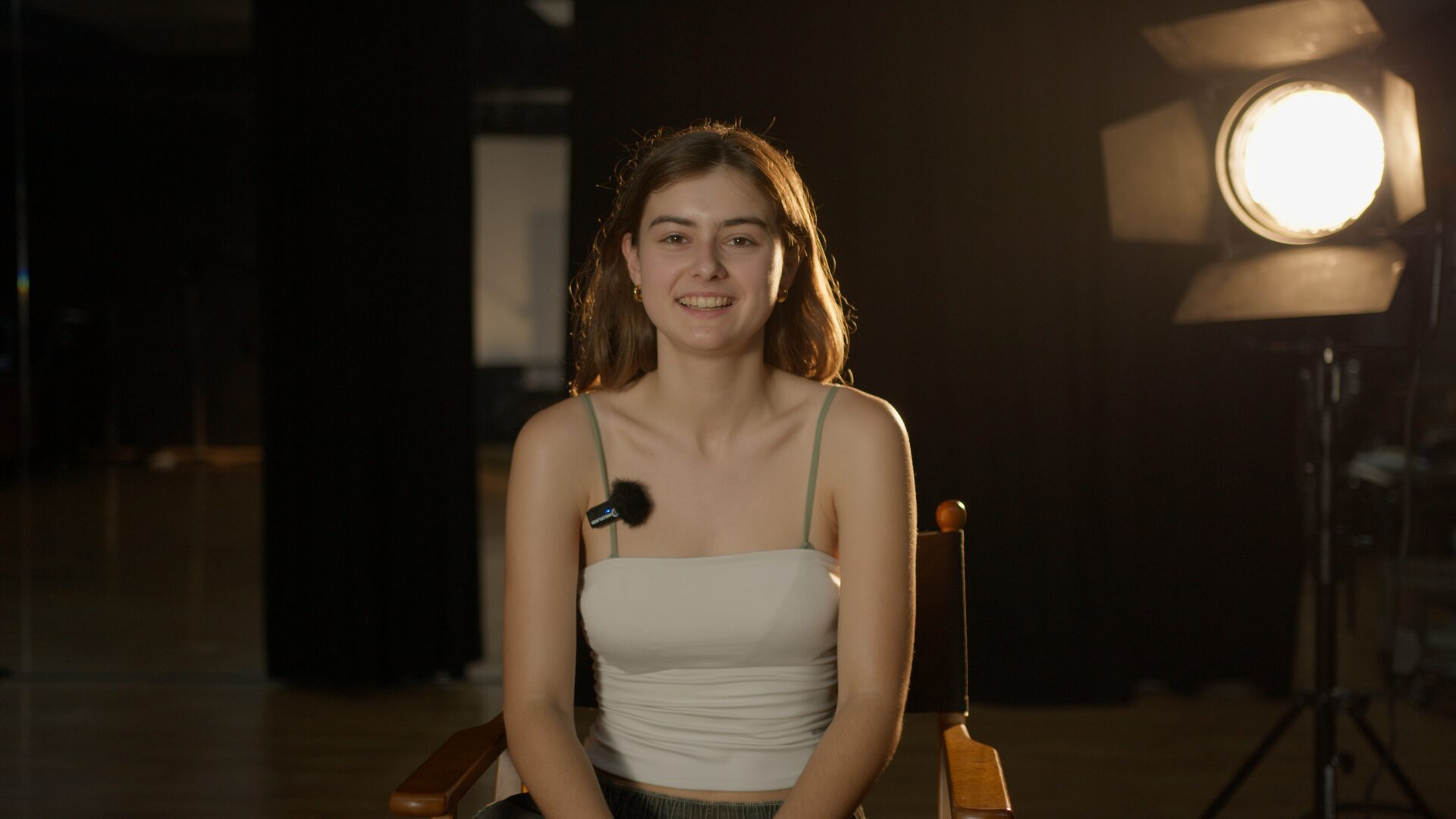
Daen Sáez Martínez [ Temporary Construction ]

“Each subject prepares you for the real industry, not theory. Here, you learn by doing.”
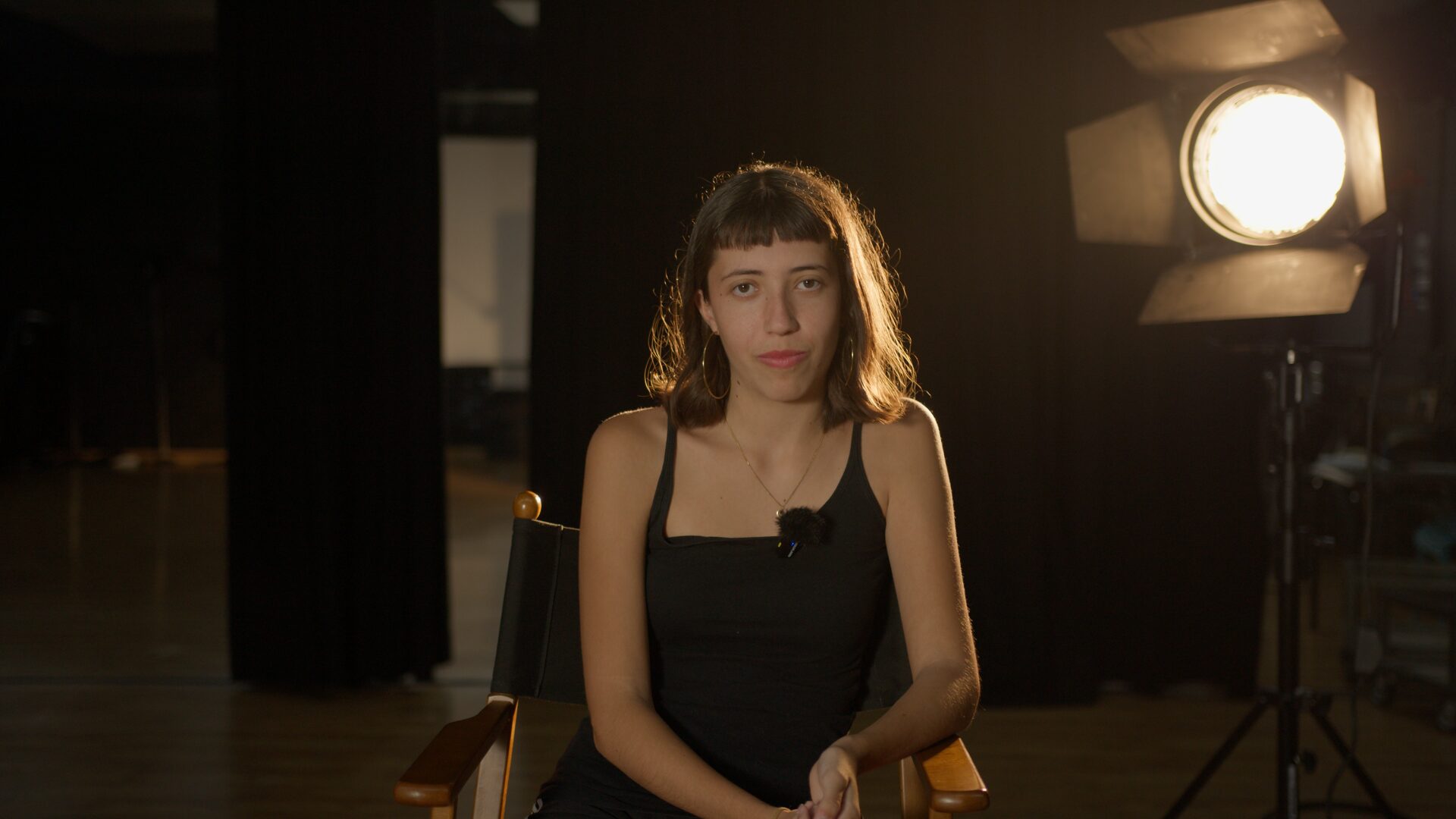
Lola Simó Morenete [ 3rd year of the Degree in Cinematography ]

“They demand a lot from you, but it’s because they know the industry will too. It’s worth it.”
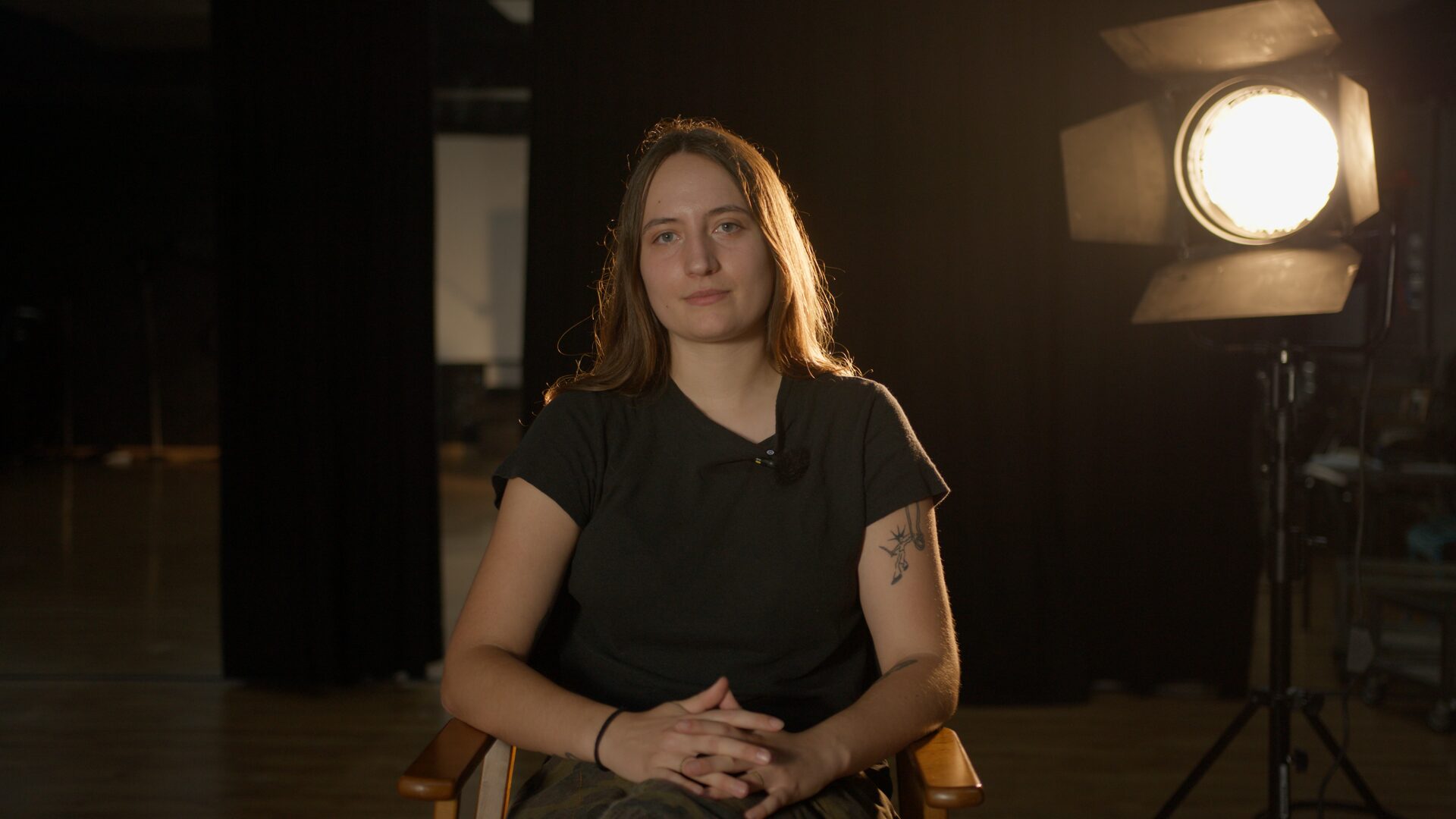
Laura De Azlor Baiget [ 3rd year of the Degree in Cinematography ]

“What I value most is direct access to professionals. You don’t feel like just another student; they see you as a future colleague.”
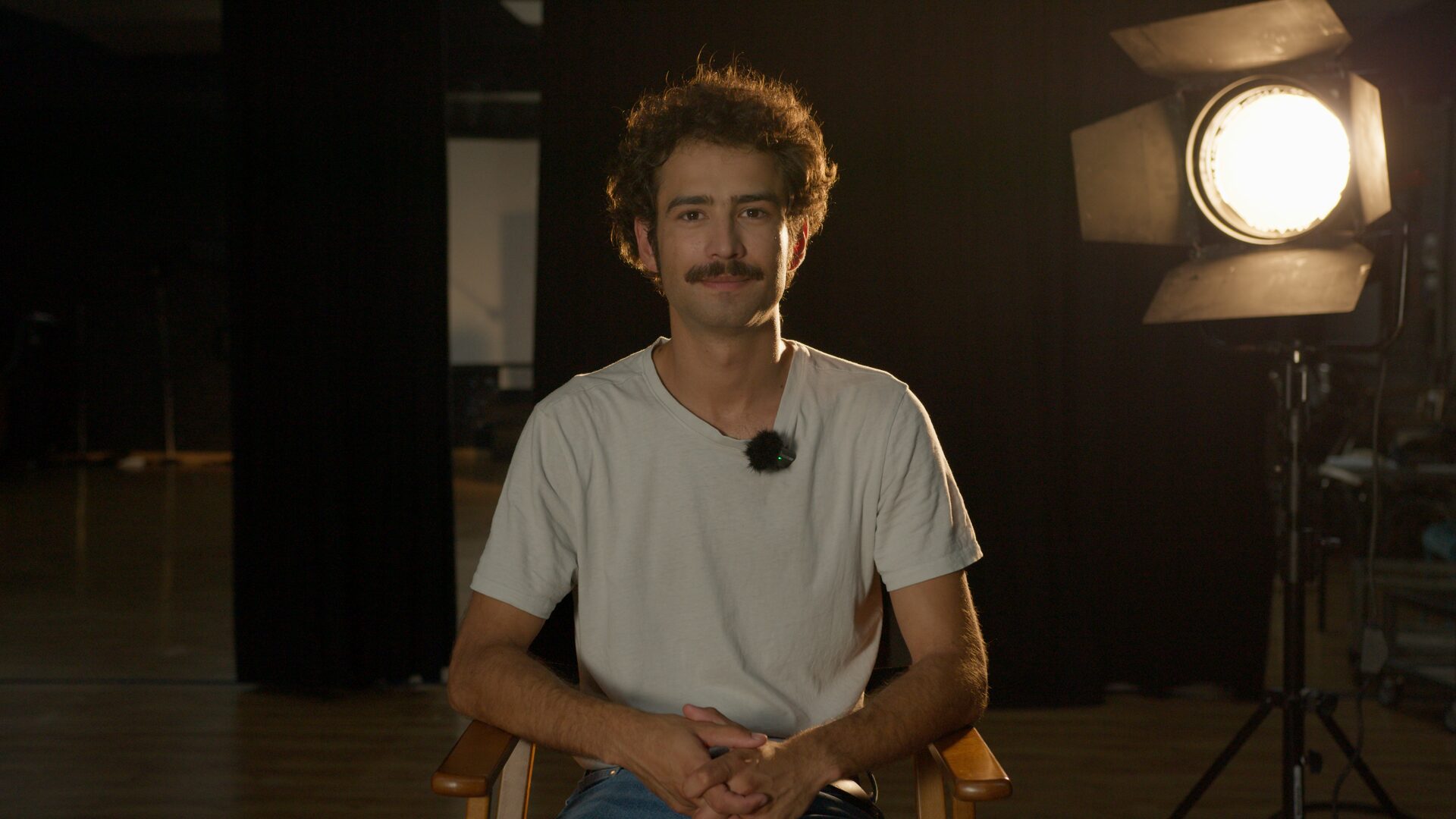
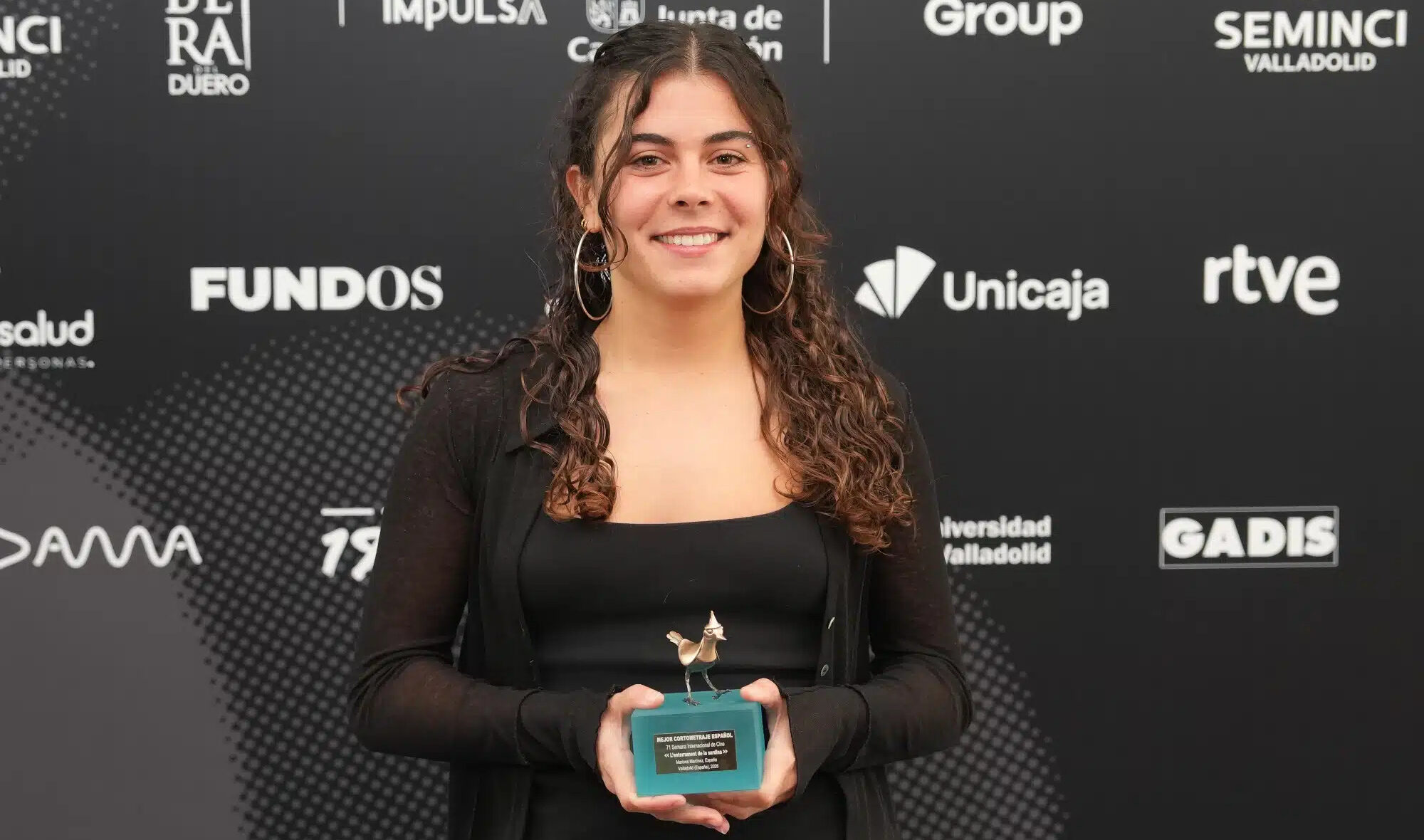
Aïda Roca [ 2nd year of the Degree in Cinematography ]

“I arrived knowing very little about editing, and now I’m working on real projects. The progress is incredible.”

José Vicente Mollá [ Master’s in Production ]
Title
Popupcontent
Contacta con nosotros
Aceptar