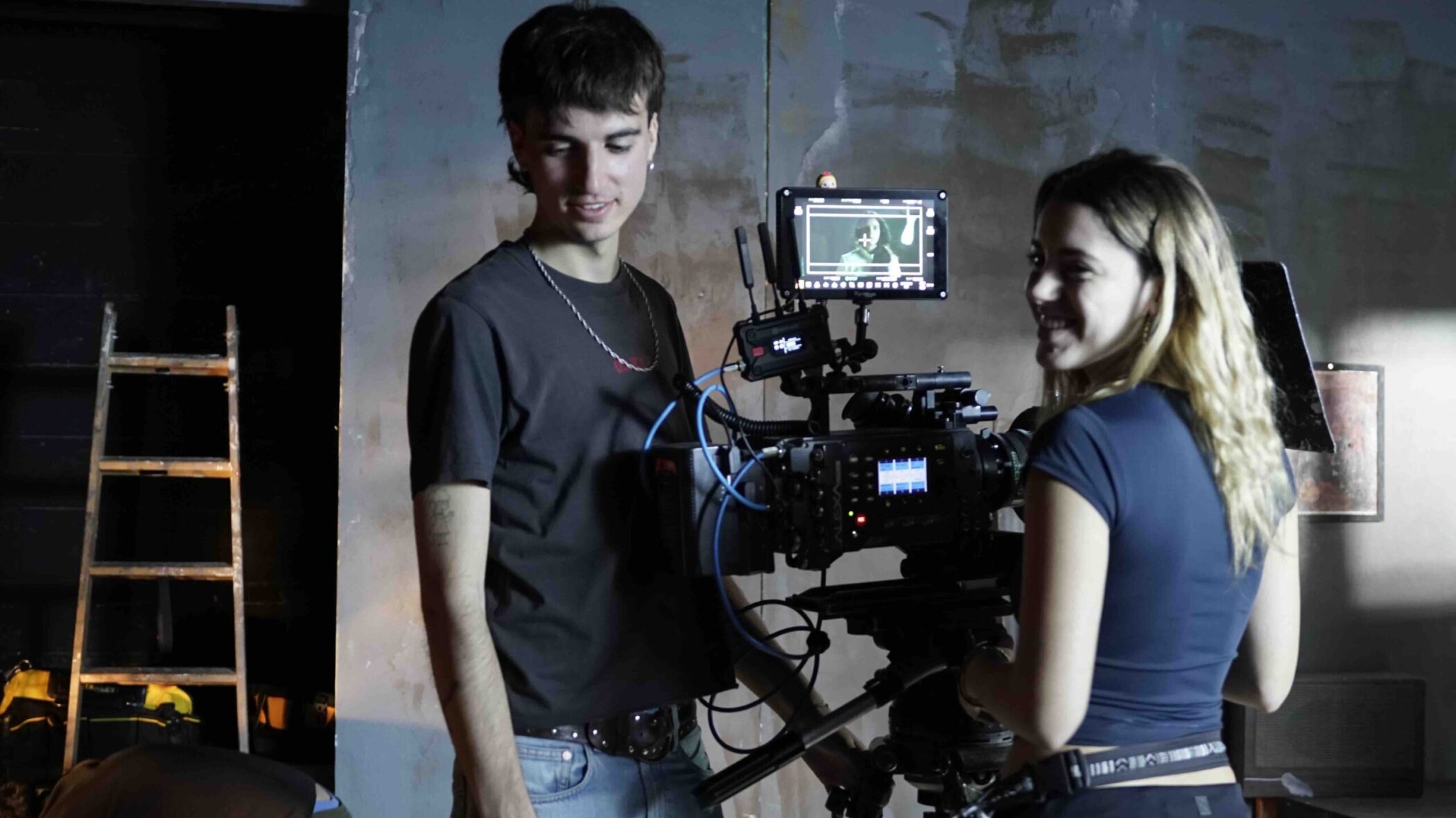
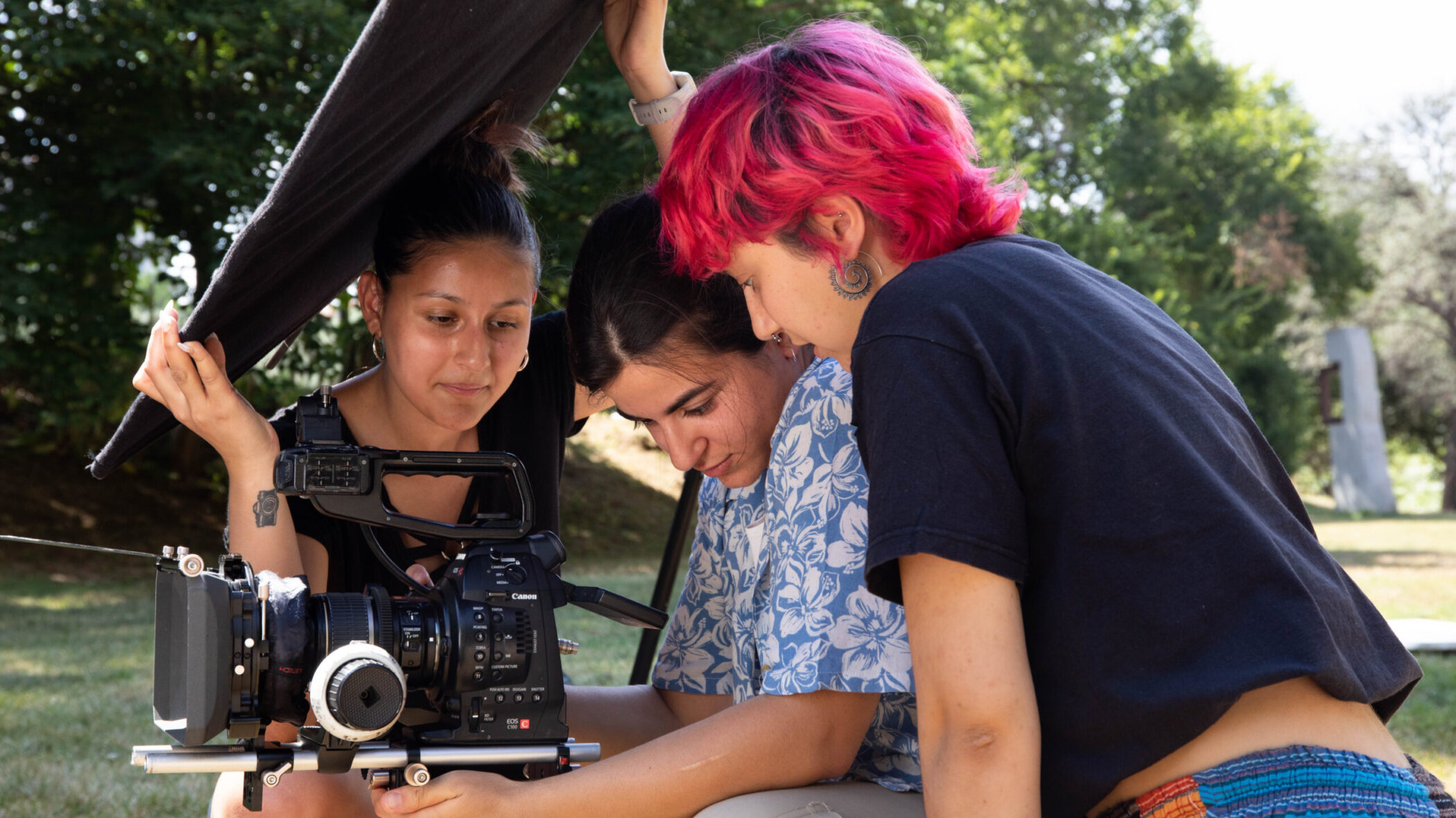
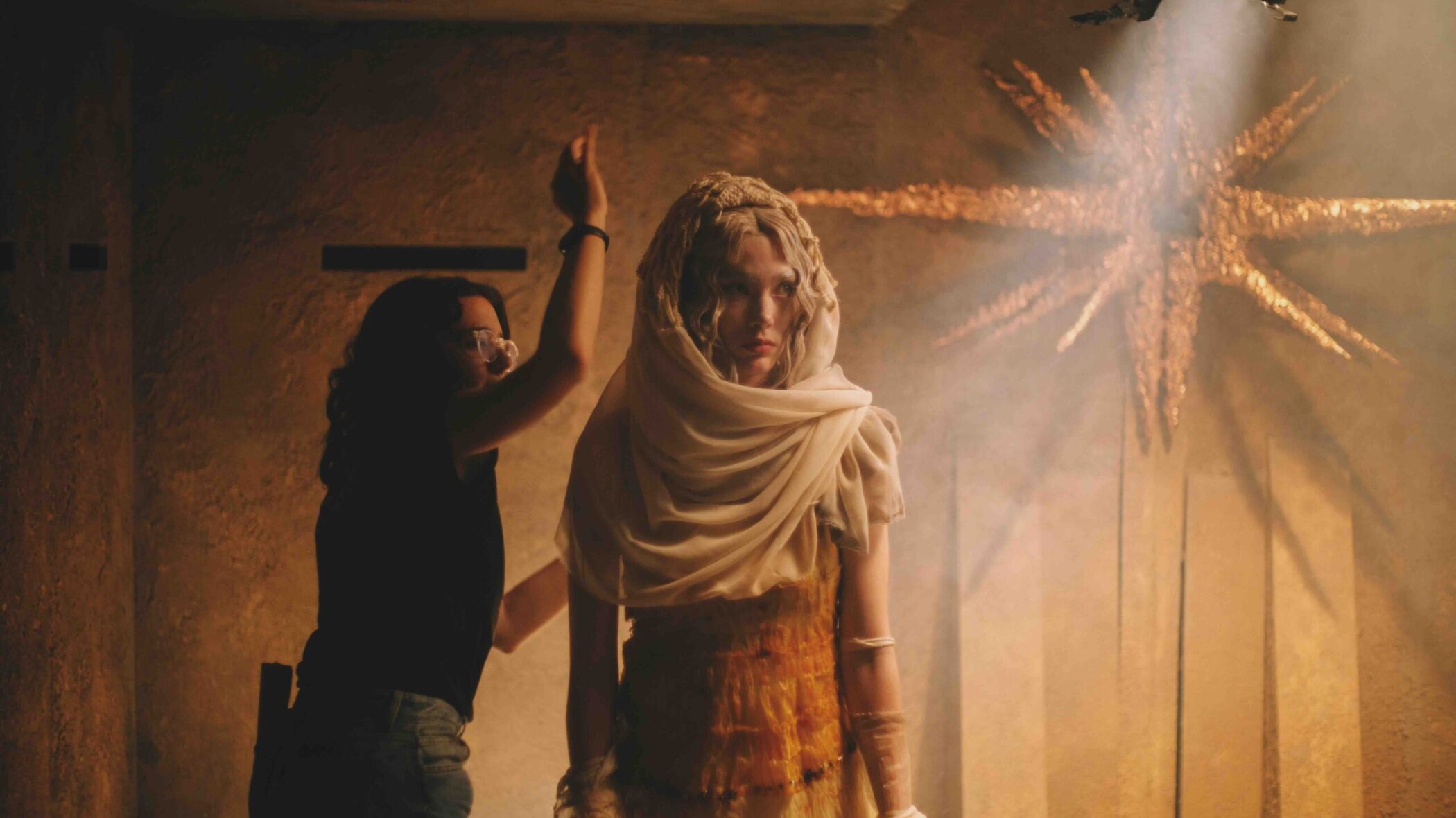
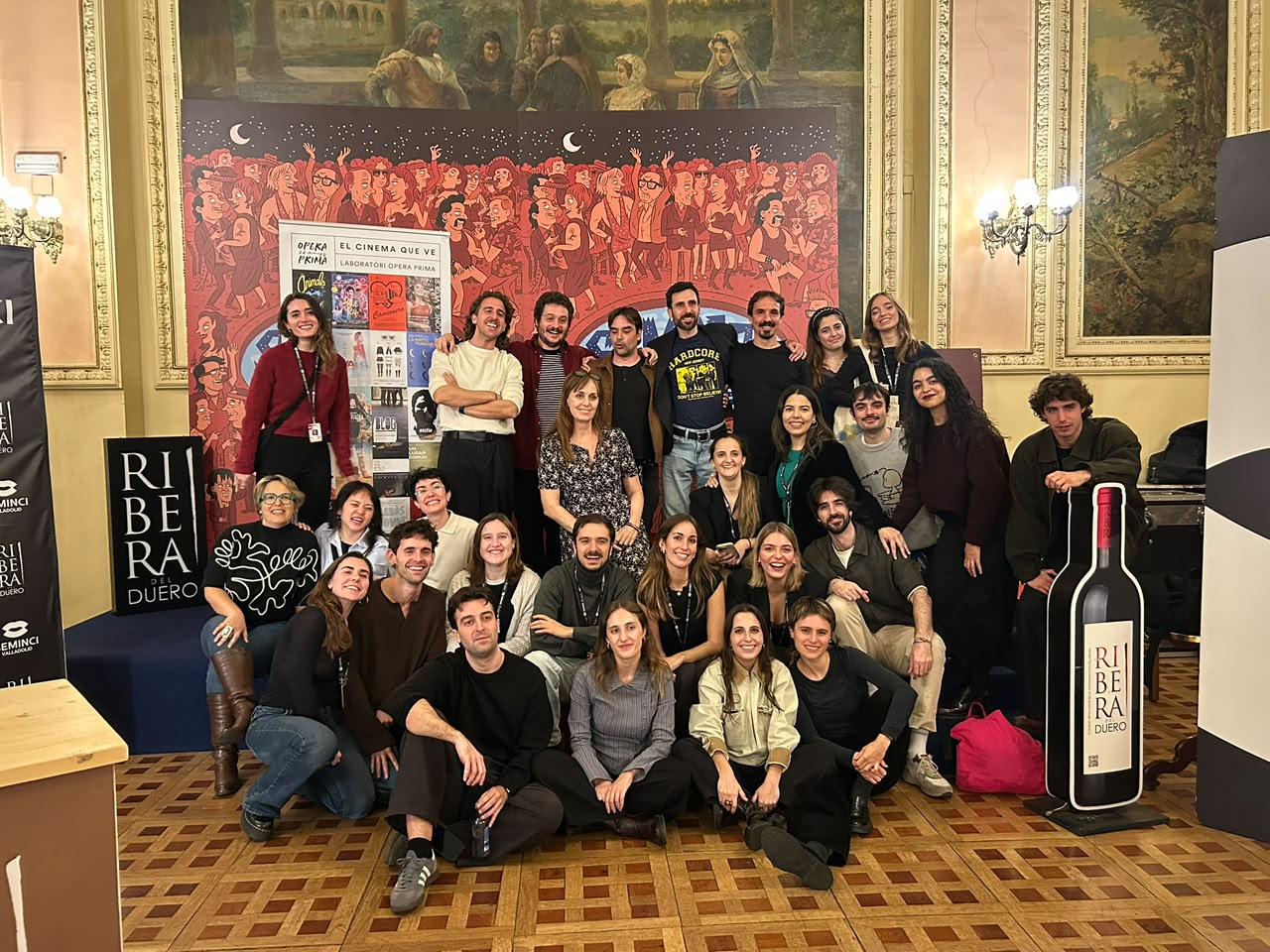
This course offers a broad-based education that introduces students to the main disciplines of film and audiovisual media and helps them find their own creative path.
An introductionto the technical and creative side of theaudiovisualprofessions to understand the sector, discover your owninterests and prepare to continueyourhighereducationin film.
Foundation is an introductory course in audiovisual storytelling that presents the techniques, arts and crafts of the medium from a broad, technical and creative perspective. Students become familiar with directing, screenwriting, production, cinematography, art, editing, sound, music, animation, visual effects and analogue film. The course is structured around practical projects, seminars and workshops, with guidance from working professionals. Throughout the course, students create fiction, documentary and animation pieces, as well as specific exercises that let them experience the dynamics of pre-production, filming and post-production.
The programme helps students identify their interests, build a solid audiovisual foundation and prepare to continue their studies at a higher level.
Completing Foundation exempts students from the personal aptitude test (PAP) for admission to ESCAC’s Bachelor’s Degree in Film.
Intended Audience
It is aimed at people whowantto gainagrounding in audiovisual media, explore its differentspecialisations or prepareto apply for the Bachelor’s Degreein Film at ESCAC. It is a usefulintroductorycourseas a foundation for continuinghighereducationin audiovisual creation.
It is also suitable for students who wish to spend a year identifying and developing their interests before choosing a higher education pathway.
Learning outcomes
At the end of the course, students willhaveacquiredaglobal overview of the audiovisual process and a practical foundation for developing projects, identifying their interests and continuing theireducationalpath.
Creative and Narrative Skills
Understandtheelements and basicresources of audiovisual storytelling. Applyinitialtools of cinematic language in exercises and their own pieces. Develop ideas and turnthem into coherent audiovisual proposals. Exploreapersonalvoice through fiction, documentary, animation and otherformats.
Technical Skills
Understand the basic operationoftheequipment and the hierarchies on set. Identifythe tasks, techniques and responsibilities of themaindepartments. Usebasictools for camera, lighting, sound, editing and post-production. Experiment with digitalprocesses, analogue, musical and animation processes.
Analytical and planning skills
Analyse narrative, camera, composition, colour, music and soundasexpressiveresources. Plan a projectfrom idea to completion. Selectlocations, lighting, equipment and appropriateresources. Organiseaudiovisualprojects with limitedresources. Integratepre-production, shooting, editing and post-production.
Interpersonal and professional communication skills
Understand audiovisual media as a collective endeavour basedon the coordination of roles. Communicate and present ideas clearly. Give and receivedirectionsduring preparation and filming. Collaborate with differentdepartments and adapt to their working practices. Participatein the decision-making process for a project.
Professional and personal development skills
Adapt to differentroleswithin a film crew on a shoot and in production. Work independently to complete exercises and assignments. Developresponsibility, initiative and organisational skills. Build a portfolio of theworkcompletedduring the course. Identifyinterests and plan your furtherstudiesin the audiovisual field.
Curriculum
Audiovisual storytelling practices – Fiction
Ingroups,thestudentsdevelopscriptsandcompletethreefictionfilmmakingexercises.Withtheinstructor’s guidance, they work through pre-production, filming and post-production to experience team dynamics and make a short film in each exercise.
Documentary
Introduction to nonfiction language through references, themes and styles. Students look foratopic,developthescriptandmakeadocumentarypiece,taking ontheprocesses of pre-production, filming, editing and post-production.
Dramaturgy and staging
Analysis,preparationanddirectionofscenesbasedontexts,proposalsandgames.Space, light, set elements, sound and audiovisual resources are explored to condense a process of representation into a brief staging.
Technical and artistic drawing and art direction
Designandconstructionofasetbased onascript.Includesdocumentation,technicalscript, storyboard, plans and project presentation, taking into account production constraints, location, construction, set design and filming.
Production
Introductionto theentireprocessofanaudiovisualwork,fromtheideatothescreen. Departments, roles and working relationships are studied, along with planning, organisation, materials and equipment management, and production of the shoot.
Cinematography and camera
A theoretical and practical workshop on filming techniques, aesthetics and visual storytelling. Through exercisesandscreenings,studentsdeveloptheirvisualeyeandcreatean individualphoto-novelproject with its own cinematic concept and style.
Digital visual effects and animation
Explorationofanimationtechniquesandprinciples, from the idea to the animatic and filming. Includes character, background and props design, a stop-motion short film, and an introduction to Premiere, Photoshop, After Effects and output formats.
Analog Lab
Practice filming and projecting in 16 mm, editing in camera and on film, and photochemicalprocessinginblackandwhite.Theworkshopalso exploresthemanualmanipulationof film and the creative possibilities of experimental cinema.
The Narrative of Editing
An overviewofthehistoryandtheexpressivepossibilitiesofthecut,frominvisibleediting to experimental editing. Topics include structure, counterpoint, mash-up and emotional techniques, with a practical introduction to Premiere Pro or DaVinci Resolve.
Scriptwriting
Foundations of screenwriting through exercises and challenges. The structuresofthe short film,thedramatic constructionofscenes,thecharacterarcand the conflict are explored to create coherent, rhythmic stories with narrative intent.
Sound Narrative
Introduction to technical concepts and sound equipment. Through listening and conceptualisation exercises, students explore spaces, create soundscapes and sonically interveneingivenenvironmentstounderstandsoundasanarrativeresource.
Music Creation and Production
Historicalandnarrativestudyofmusicinfilm, basic conceptsofrhythm and harmony, and an introductiontoDAW andMIDI.Includespracticaluseofthe recordingstudioandthedevelopmentof music applied to a scene.
Methodology and Assessment
Themethodologyisbasedonlearningbydoing:studentslearnthroughthecompletionof exercises, workshops and audiovisual projects. Subjects combine theoretical foundations with practical work guided by professionals currently working in the industry. Projects integrate pre-production, production, filming, editing and post-production, and make it possible to apply knowledge of storytelling, directing, production, cinematography, art, sound, music, animation and visual effects across disciplines. Individual work alternates with team activities and collective analysis of the material produced. Fiction and documentary exercises are part of the programme and culminate in audiovisual pieces developed during the course.
Specialist seminars
Theoretical and practical classes that explore specific content within audiovisual disciplines,taughtwiththeguidanceofprofessionalscurrentlyworkingandlinkedtopracticalexercisesfor application.
Workshops
Practical sessions with a defined production objective. Students apply narrative,technicalandcreativeknowledge,experimentwithtoolsandprocessesand analyse the results obtained.
Projects
Sessions focused on pre-producing, producing and completing the course projects. They integrate knowledgefromdifferentsubjectsandrecreatethephasesandbasic dynamicsofan audiovisual production.
Assessment system
Assessment is based on active participation in workshops, seminars and projects, as well as on applying theoretical and practical content in assignments set by eachteacher.Eachsubjectsetsasubmissionor final projectlinkedtoitsobjectives. The process, commitment, development of skills, quality of the evidence submitted, and ability to work independently and as part of a team are assessed. To obtain the certified qualification, students must pass the assessed subjects and comply with the academic regulations.
Teaching team
Theteachingteambrings togetherworkingprofessionalsfromthefilmandadvertisingindustriesalongside ESCAC’s own teaching staff, who support students in their technical and creative learning and in carrying out their practical work.
Basic information
Qualification
Foundation Course
Course Director
Teresa Zuluaga
Start date
13/09/2027
Schedule
Monday to Friday, from 10 to 14 h and from 15 to 19 h. Filmingsome weekends.
Format
In person
Price
11.500€
Location
ESCAC Terrassa Campus
Available Places
25
Course Coordinator
Robert Cortés
End
26/05/2028 – Last day of classes
18/06/2028 – End of the course
Language
English
Credits
60 ECTS
Early-bird price
10.350€ before 9/04/2027
Entry profile
No previous specialisationis required,butcuriosityaboutcreatingimagesand stories,a willingness to learn through practice, the ability to work as part of a team, and commitment to an intensive course of study are valued.
Pre-registration and enrolment
Pre-registration calendar for the 27-28 academic year: from 2 November 2026
Applications and how to apply
Applicants must complete the pre-registration form available on this same webpage.
Documents required for pre-registration
Applicants must provide links to their Portfolio, a video pitch (maximum 3 minutes) and their CV.
Admissions process
The Admissions team and academic coordination will review the submitted documents and assess the application.
If deemed necessary, the programme director may conduct an online interview with the applicant as part of the selection process.
Reservation of a place and enrolment
Once admission has been confirmed, the applicant may proceed with thereservation of a place and subsequent enrolment, following the instructions provided by ESCAC.