Qualification
CREA Module
CREA Module
A four-month module to develop up to four documentary projects as a team, with a focus on Latin America. It brings together professionals and technical resources from ESCAC to create a dossier and a demo and present them in a sales pitch to an industry jury.
CREA is a four-month complementary module for students completing ESCAC’s University Master’s Degree in Documentary and Non-Fiction, as well as the school’s alumni. Its aim is to develop up to four documentary projects in teams of three or four, from research and narrative treatment through to the production of a teaser, a complete industry dossier and a final pitch to industry professionals.
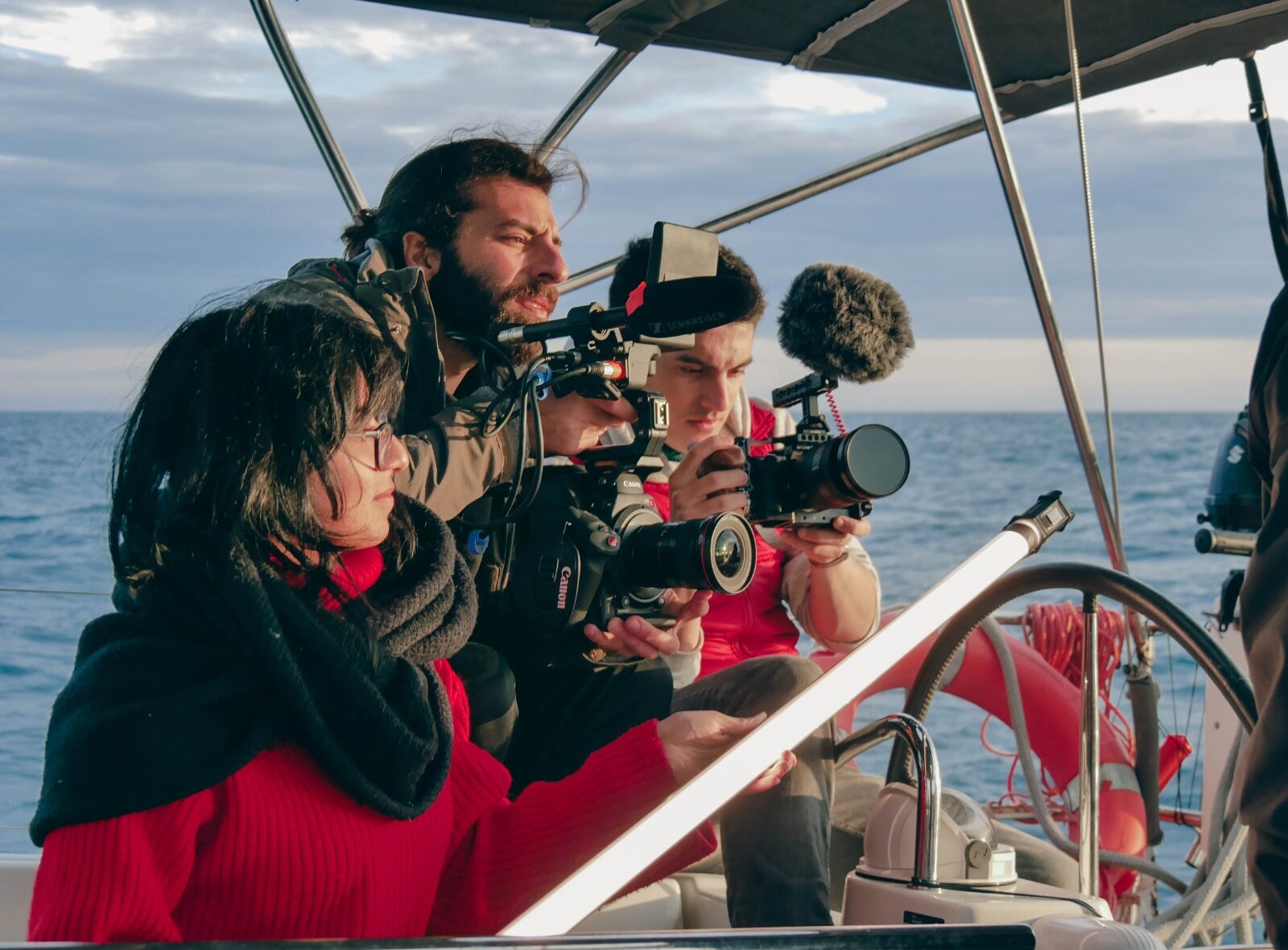
Each team will receive funding and technical equipment from ESCAC to produce its teaser. The methodology is based on independent and collaborative work, supported by practical seminars and tutorials with working professionals, especially during preparation and filming.
The module is open to all non-fiction languages and formats, from observational documentary to animation and docufiction, and to short films, feature films, series and digital content. Projects will be assessed for the originality of their stories, their viability and their ability to connect with audiences, whether author-driven or for entertainment, with special attention to stories and perspectives from Latin America.
The programme culminates in a presentation to representatives of the documentary industry, where participants can receive professional feedback and explore possible avenues for developing and producing their projects.
For students completing ESCAC’s University Master’s Degree in Documentary and Non-Fiction who wish to continue developing a project. If places remain, alumni of this master’s programme or other specialisations may join, either with their own project or to join a team.
By the end of the module, teams will have developed a documentary project, a teaser, a presentation dossier and a pitch tailored to potential industry contacts.
Research stories, characters and documentary contexts.
Define the point of view and narrative approach.
Develop a synopsis, treatment and outline.
Choose the right format and language for each project.
Build a teaser that conveys the proposal’s potential.
The module introduces participants to the processes involved in developing and presenting documentary projects. The skills acquired can be applied to independent creation, audiovisual production and the development of non-fiction content for different formats and audiences.
Fields:
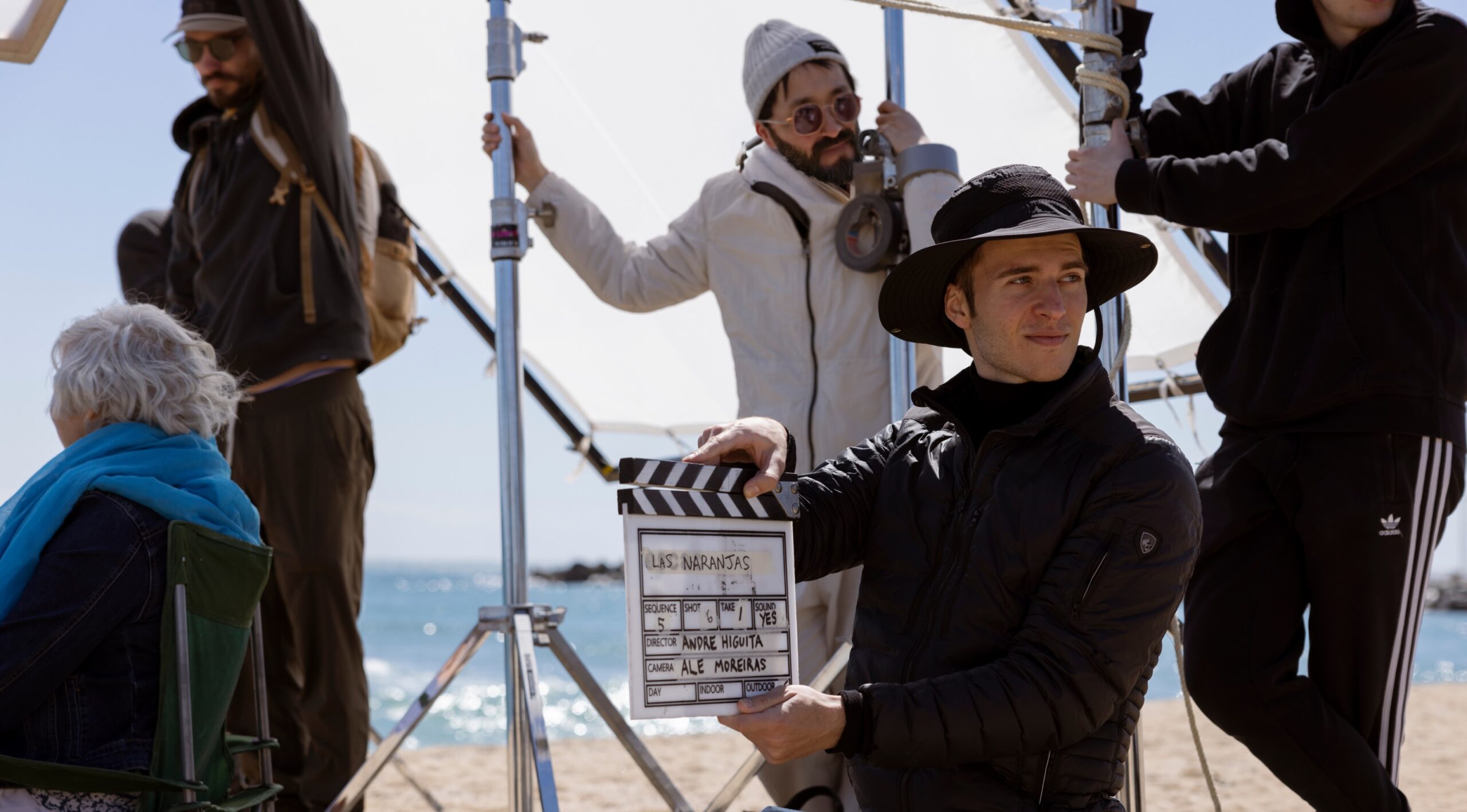
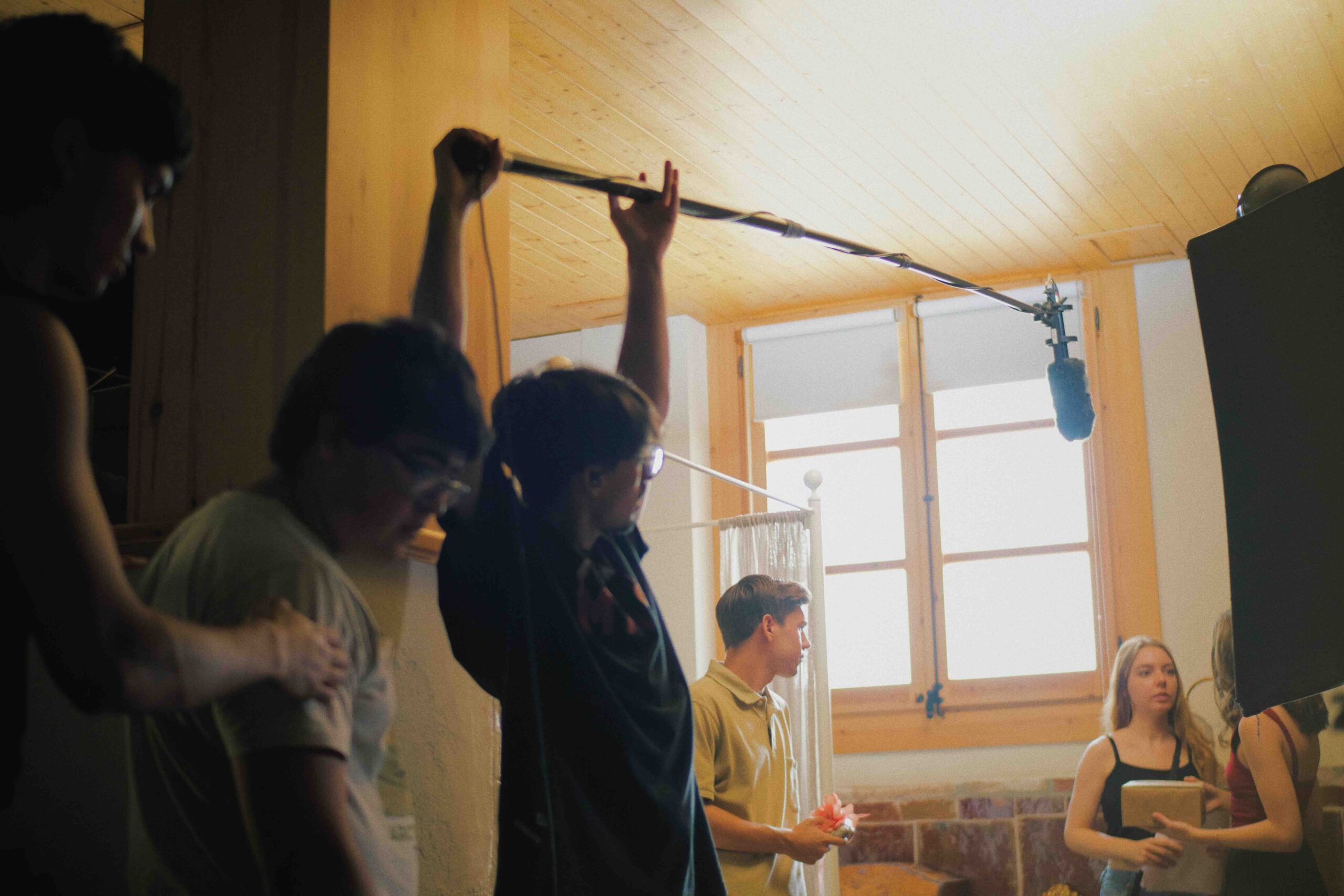
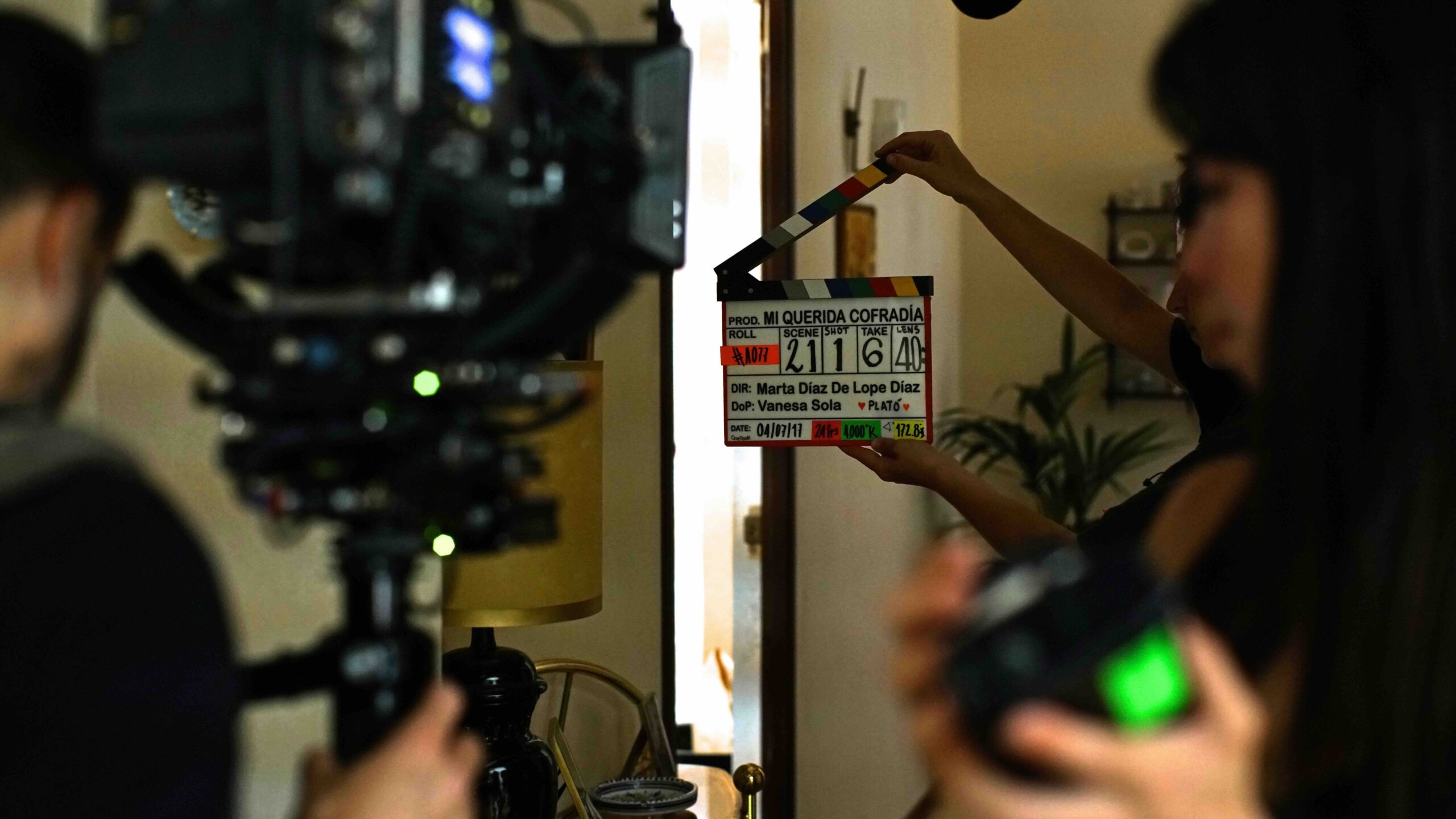

Define the story, protagonists, audience and how to tell it. Prepare a five-line presentation, a short and long synopsis, and a treatment with a brief research dossier: characters, locations, pre-interviews and relevant archives.
Work with an experienced director to decide what to film for the demo and how, developing the situations, the relationship with the protagonists, the image and the sound.
Organise responsibilities, resources, budget, filming, editing and delivery of the demo, with a realistic schedule leading up to the final presentation.
Decide who to present the project to, what to highlight and what support to seek. Rehearse the presentation, how to use the dossier and demo, and how to respond to the jury.
Support progress, resolve difficulties and connect the four workshops.
CREA is a development lab for teams of three or four people. Most of the work is independent, supported by a small number of weekly sessions: practical seminars, case studies, mentoring and meetings with professionals, all tailored to each project’s needs. Proposals are selected and developed in September and October; from November, mentoring sessions are added for teaser preparation and filming; in December, the materials are finalised and the pitch is rehearsed. Each team receives financial support and a technical kit from ESCAC. There are no conventional theory classes.
Development and follow-up spaces where students work on their own proposals, from initial research through to shaping the project.
Oral presentations of projects and research to faculty and invited professionals, simulating situations typical of the audiovisual industry.
Assessment of teamwork and project progress; the coherence and feasibility of the proposal; the quality and suitability of the teaser and industry dossier (including the one-page and outline); and the clarity of the final pitch.
The module combines general mentoring with workshops led by practising professionals in writing, directing, producing and presenting documentary projects.
A Chilean-Canadian documentary filmmaker and producer based in Montreal, he is the founder of Al Dente Films, Tutti Frutti Films and Pimiento, and co-founder of Cayenne Media. He has produced hundreds of hours of documentaries and series for Radio-Canada, Télé-Québec, Bell Media, TV5MONDE, ARTE and France Télévisions, among others. His documentary L’ADN du ceviche was selected for the San Sebastián Festival. Curiosity about other realities and encounters between cultures run through his work, alongside his commitment to young talent, creators from diverse backgrounds and the First Nations of Canada. As director of ESCAC’s University Master’s Degree in Documentary and Non-Fiction, he brings this experience into the classroom: learning by doing, going out to find stories and turning them into documentaries that move people, leave a mark and can create social impact.
CREA Module
Eric Gurrera
15/12/2028
Hybrid
12 ECTS
Terrassa
Orlando Arriagada
04/09/2028
Mondays and Tuesdays, from 15:00 to 18:00
Spanish
Free of charge for students who have taken the University Master’s programme in Documentary and Non-Fiction
Primarily aimed at students completing ESCAC’s University Master’s Degree in Documentary and Non-Fiction who wish to continue developing a project. If places are available, alumni of the master’s programme or other specialisms with an interest in documentary may also take part, either with their own proposal or by joining an existing project. A willingness to work collaboratively and independently is valued.
Participation is voluntary and free of charge. Students from the master’s cohort are guaranteed a place in the first edition. Projects are developed in teams of at least three people, usually three or four. Alumni admission depends on the availability of places; their projects may be considered for inclusion in the module.
Enrolment opens for the 27-28 academic year: 2 November 2026
Applicants must complete the pre-registration form available on this website. They must include the documentation required for admission and provide an email address and phone number so they can be contacted.
Applicants must provide links to their portfolio, a video pitch (maximum 3 minutes) and their CV.
The Admissions team and academic coordination will review the submitted documentation and assess the application.
If deemed necessary, the programme management may conduct an online interview with the applicant as part of the selection process.
Once admission has been confirmed, the applicant may proceed to reserve a place and then complete enrolment, following the instructions provided by ESCAC.