
Overview
Learn to turn a set design proposal into a real space, safe and functional, from the technical planning through to assembly and finishing touches.
The Course in Ephemeral Construction trains professionals capable of designing, planning and building sets and temporary structures for scenographic projects. The students learn to work with lightweight and versatile materials, interpret plans, organise resources and solve technical needs under real-world constraints on time, space and budget.
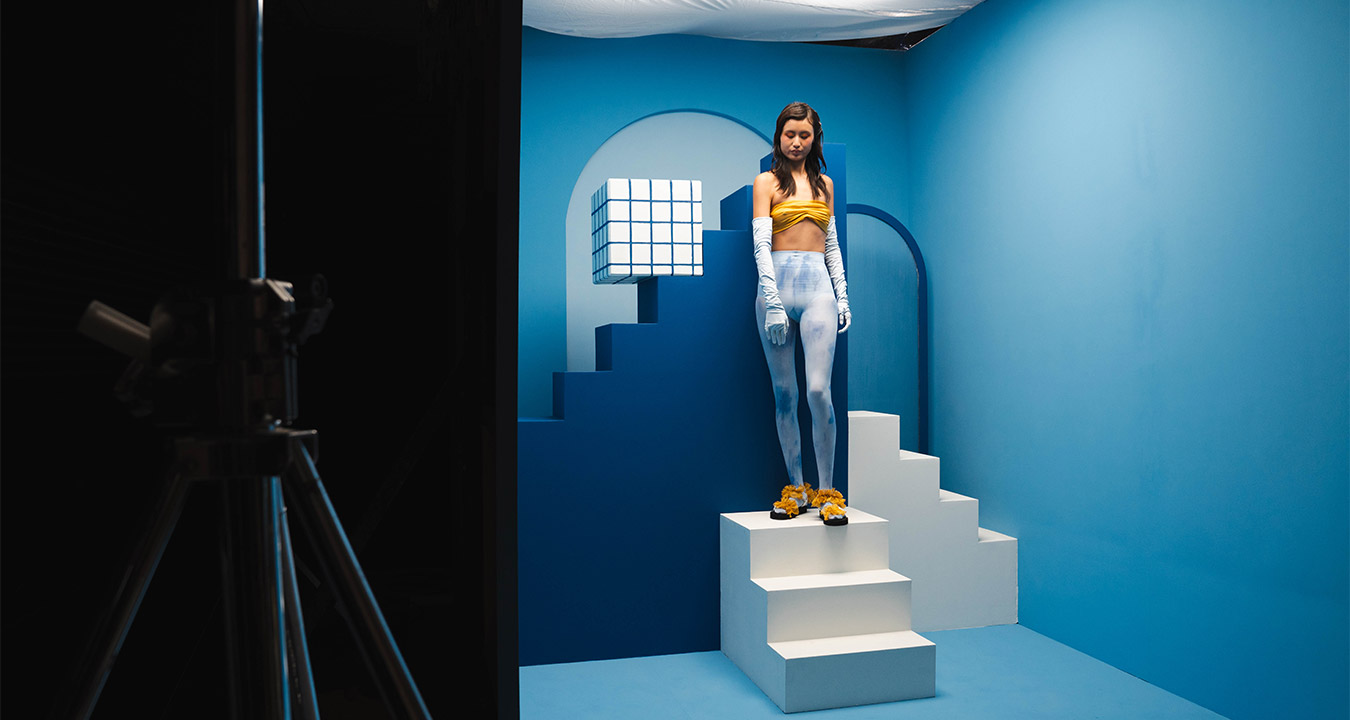
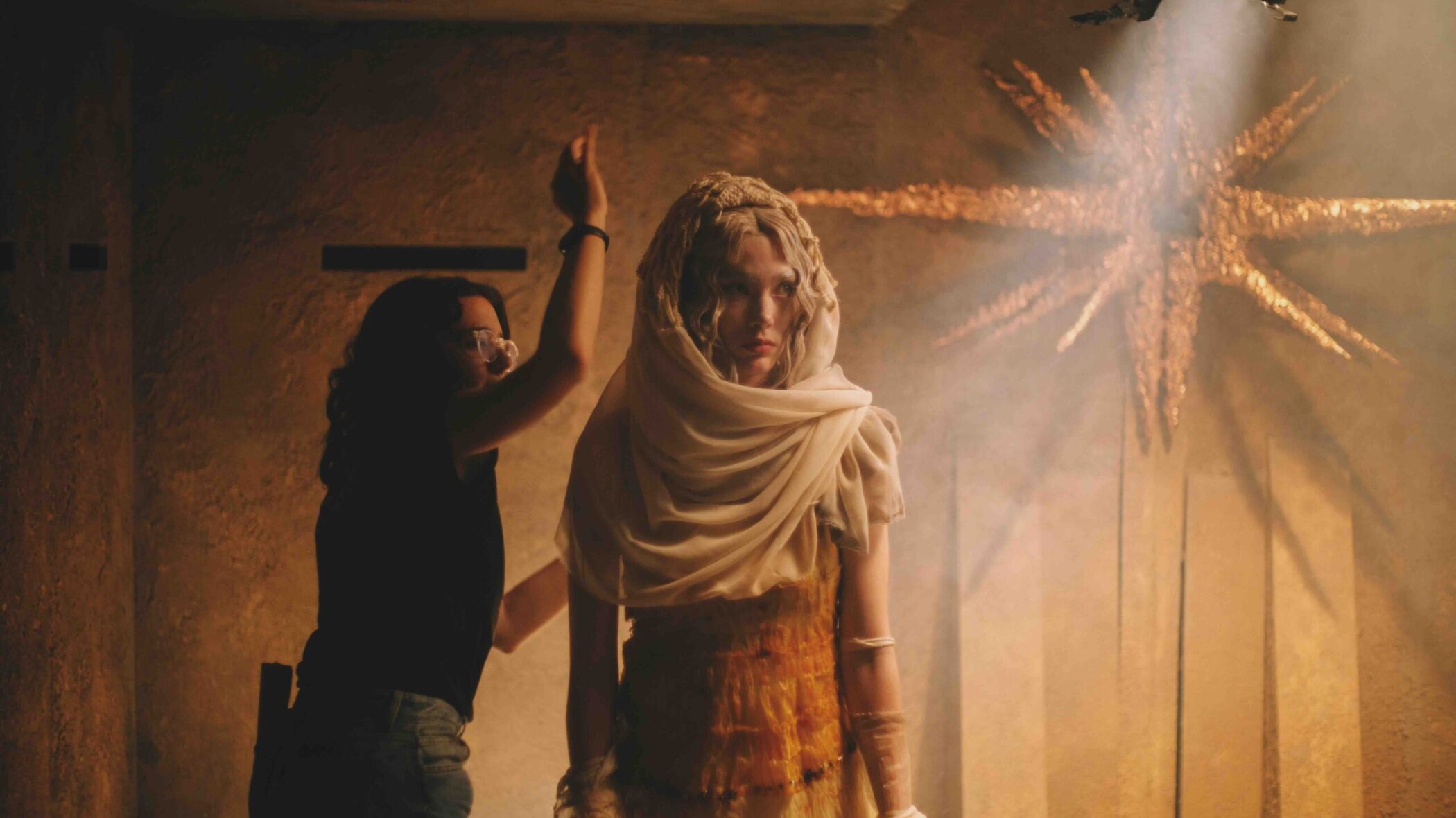
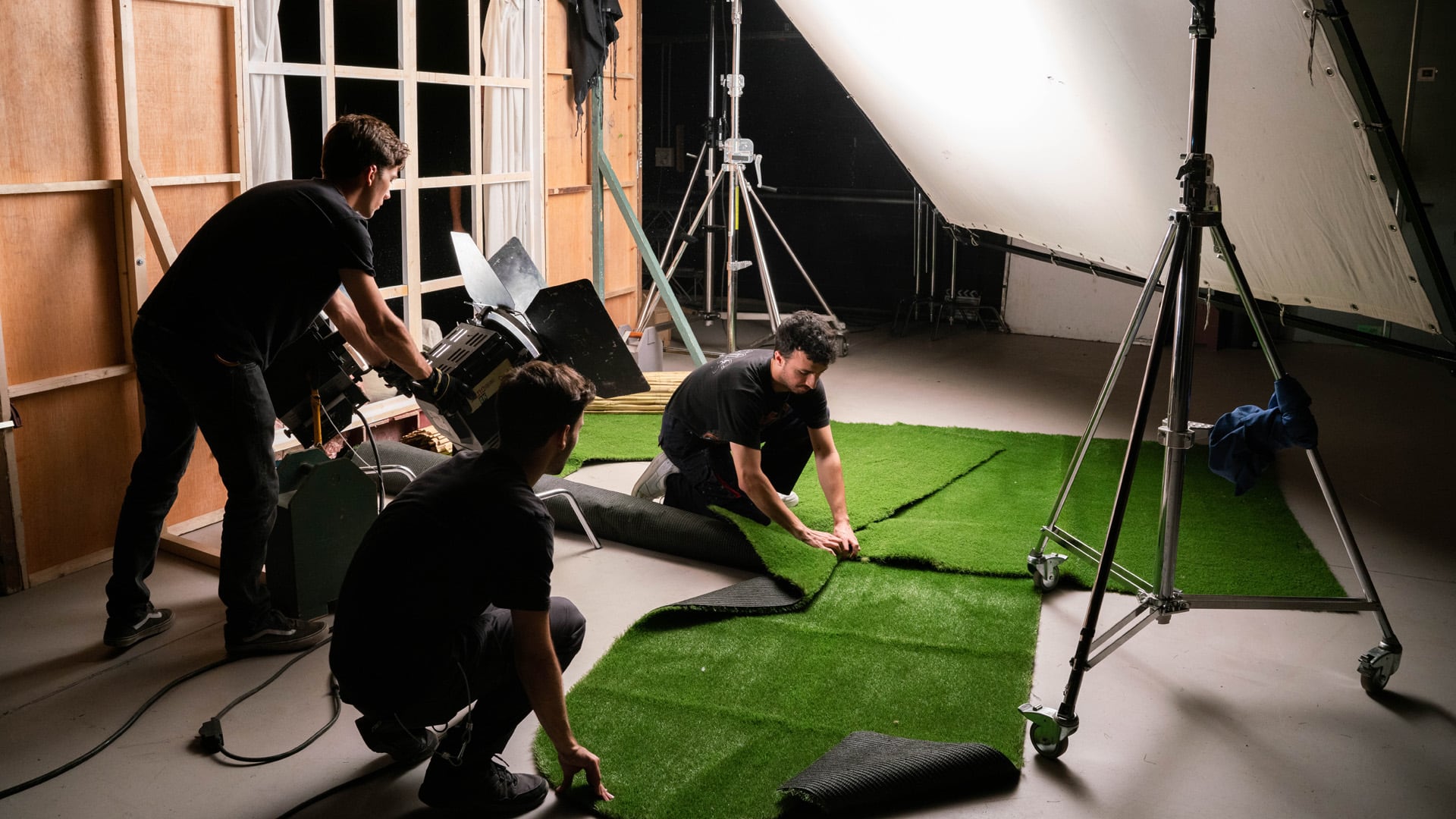
The course covers the main specialties of the department: painting and finishes, volume, modelling and mould-making, textile techniques, carpentry, mechanisation, assembly and management of construction. Its learning by doing approach combines technical content, workshops and projects in which the knowledge acquired is put into practice.
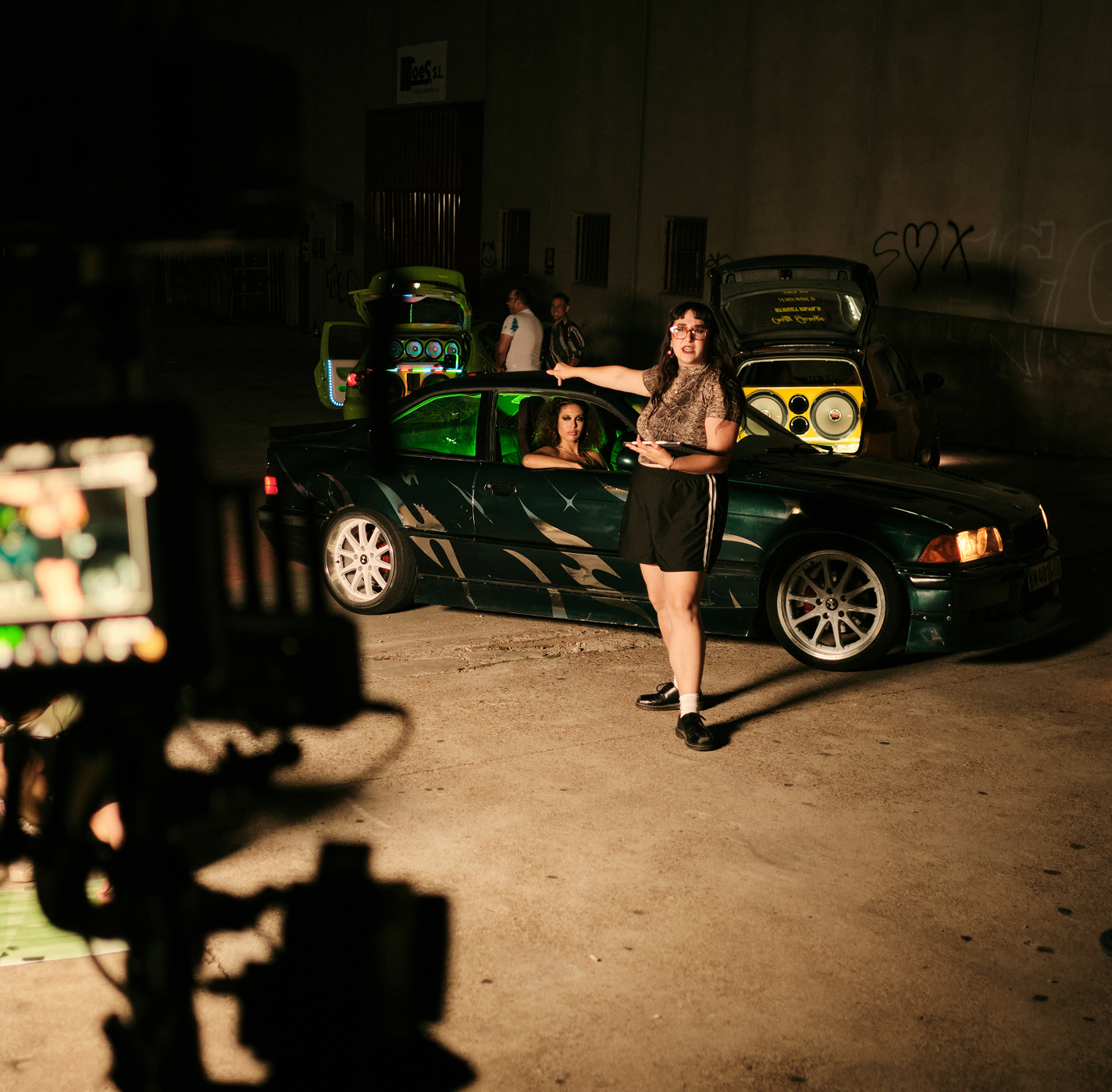
Although cinema is the main academic framework, the skills are transferable also to theatre, television, opera, events, exhibitions, themed spaces and other temporary productions. The course prepares people both to join a construction team and to take on progressively roles of coordination and leadership.
Intended Audience
It is aimed at people over 18 years coming from film schools, artistic disciplines or higher vocational training programmes, as well as those who wish to get started in set construction and join art direction teams.
Learning outcomes
Upon completion, the students will be able to undertake the construction of temporary spaces from a creative , technical and organisational perspective, adapting to the requirements of each project.
-
Creative and narrative skills
-
Oversee finishes and aesthetic details to ensure consistency with the design and quality standards.
Translate a scenographic concept into creative construction solutions that are functional and viable.
Adapt materials, textures and volumes to the visual intent of the project.
-
-
Technical skills
-
Interpret technical drawings, sketches and systems of graphic representation.
Use AutoCAD to visualize and plan temporary spaces.
Handle hand tools, power and carpentry tools in accordance with safety criteria.
Apply techniques for painting, textile, modelling, mould-making, coatings and finishes.
Build, assemble, erect and dismantle temporary structures efficiently.
-
-
Analytical and planning skills
-
Plan human resources, materials, timings and costs for an ephemeral construction.
Organise the project from pre-production through to installation, dismantling and handover.
Resolve unforeseen technical issues and adjust processes, materials or designs.
Adapt solutions to indoor and outdoor spaces and their constraints.
Monitor quality, safety, deadlines and budget throughout implementation.
-
-
Interpersonal and professional communication skills
-
Communicate instructions, needs and technical decisions clearly.
Coordinate tasks and works effectively with the various members of the team.
Provide operational leadership in the organisation of the work.
Make swift decisions when faced with issues during construction, assembly or dismantling.
-
-
Personal and development skills
-
Develop independence, rigour and attention to detail in the work in the workshop.
Adapt to changes in space, resources, schedules, and creative needs.
Work responsibly and apply risk prevention criteria.
Persevere in the search for technical solutions and in improving the final result.
-
Career opportunities
The training allows participants to take part in scenic construction projects for film, theatre and television, as well as for events, exhibitions and themed spaces. The professional may specialise in painting, carpentry, three-dimensional work or textiles, and progress towards coordinating teams and resources.
Our graduates build careers across multiple areas of the entertainment and communications sector:
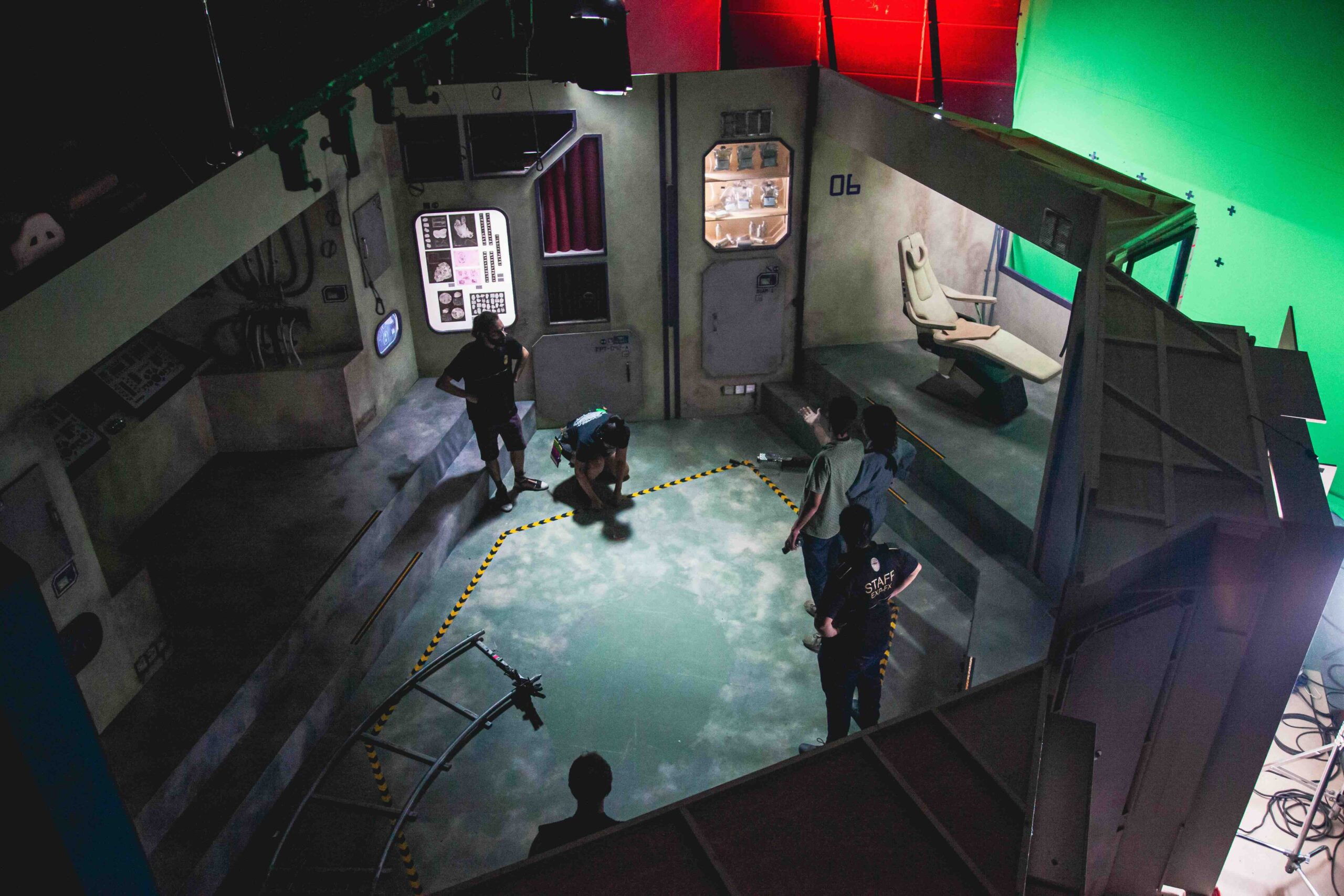
- Film, television and advertising
- Theatre, opera and shows
- Events, exhibitions and themed spaces
Scenic construction
- Set builder
- Scenic carpenter
- Set-up technician
Finishes and specialisms
• Scenic painter
• Sculptor and volume technician
• Textile and upholstery technician
Coordination
• Construction manager
• Construction team coordinator
• Manager of materials and budgets

Curriculum
-
Painting
-
Study painting materials, supports, tools, surface preparation, colour, textures, imitations, patinas, ageing effects and coatings applied to set design.
-
-
Three-dimensional work
-
Work with materials, tools and processes for carving, modelling, rigid and flexible moulds and reproduction of scenic elements, including calculations for materials and costs.
Cover techniques for coating, reinforcement and texturing of three-dimensional models, material strength, chemical products, resins and prevention and safety criteria.
-
-
Textiles
-
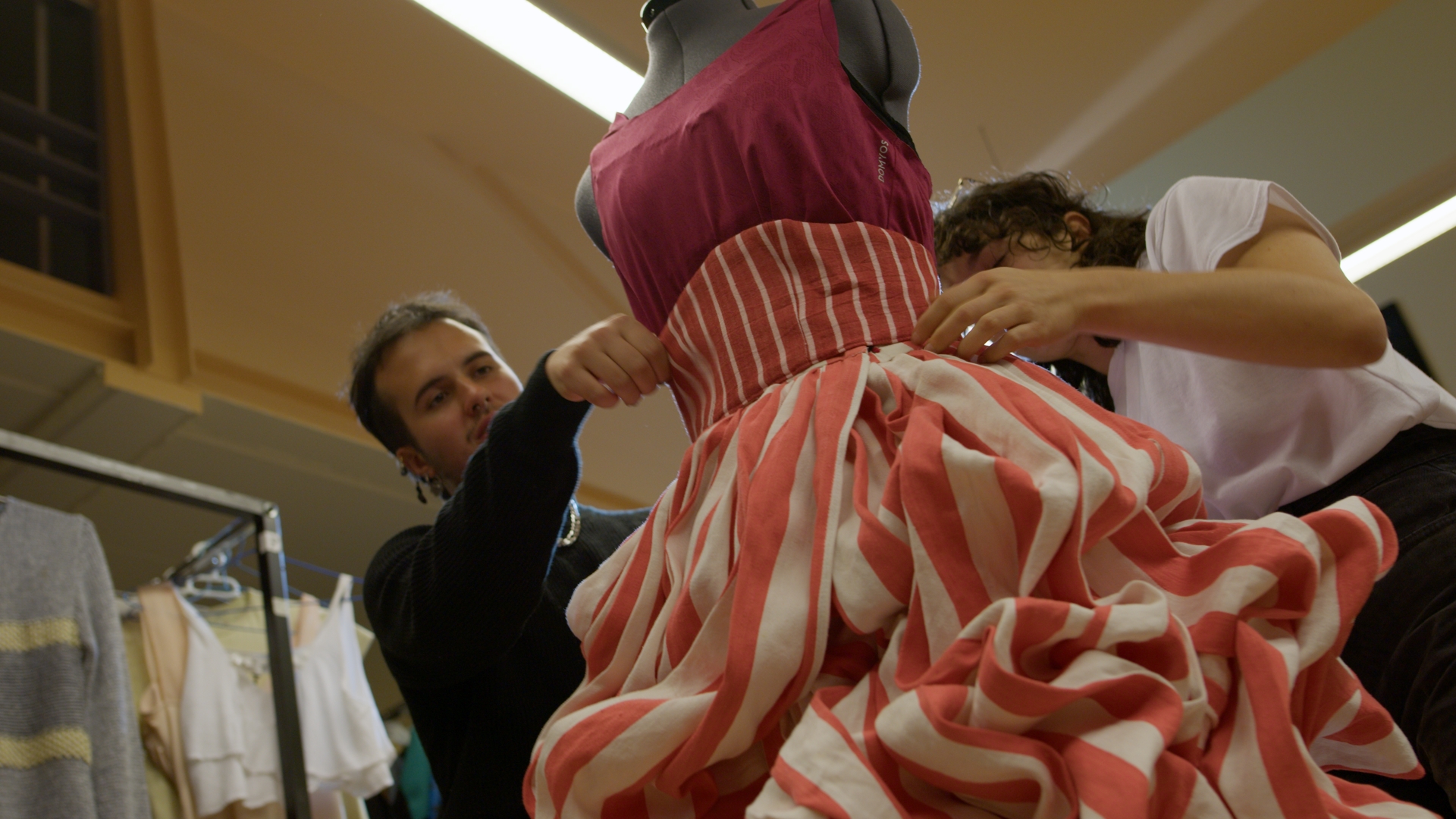
Explore fabrics, tools, making processes, dyeing, finishing, upholstery and coverings, as well as sourcing, storage, costs and risk prevention.
-
-
Woodworking
-
Develop the interpretation and preparation of sketches, sections, components and assemblies, applying the graphic representation systems used in carpentry and furniture-making.
-
-
Scenic conditions and preparation for production / Set construction management / Machining, assembly and finishing
-
Transform scenic design proposals into construction solutions: taking measurements, selecting materials and hardware, preparing budgets and technical documentation, and using automation and numerical control.
Plan human and material resources, equipment, schedules and timelines; supervises operations, monitors the process, and controls quality, efficiency and compliance.
Apply machining, assembly, installation, staining and wood-finishing processes, monitoring surfaces, products, drying, quality and environmental protection.
Integrate workplace safety and risk prevention into the use of machines, tools, facilities, products and construction processes.
-
-
Agora
-
ÁGORA is a year-long, cross-disciplinary course in ESCAC’s Department of Master’s Programmes. It runs from September to June and is conceived as a shared space for filmmaking. It brings together learning from the different programmes through a collective creative experience: developing, pre-producing, shooting, finishing and exhibiting a short film.
ÁGORA is the practical backbone of master’s-level training: a space where specialties intersect, industry dynamics are explored, and teams are formed that can last beyond the school. The completed film is the visible result of a learning process that includes creation, organisation, collaboration and collective responsibility.
-
Final Course Project
The Final Project of the Course is an original project, autonomous and individual that integrates the knowledge and skills of the qualification. It consists of directing and coordinating the construction of a set from its initial planning through to delivery. It includes a construction dossier, technical drawings, budget, schedule, team coordination, execution, a written report and a public defence. A tutor guides the process, assesses its development and authorises its presentation. The FCP committee organises the allocation, the panels and the assessment periods.
-
Direction of the construction of a set
-
The students develop, plan and carry out the construction of a set. The project includes a technical dossier, plans, a budget, a schedule, coordination of the team, construction, a record of the process and an oral presentation before an assessment panel.
-
-
FCP regulations and protocol
-
The FCP committee approves the procedure for assignment, appoints the assessment panels, establishes the rubrics and coordinates the periods of assessment and defense. The presentation requires, at least, a written report and a public defense.
-
Methodology and assessment
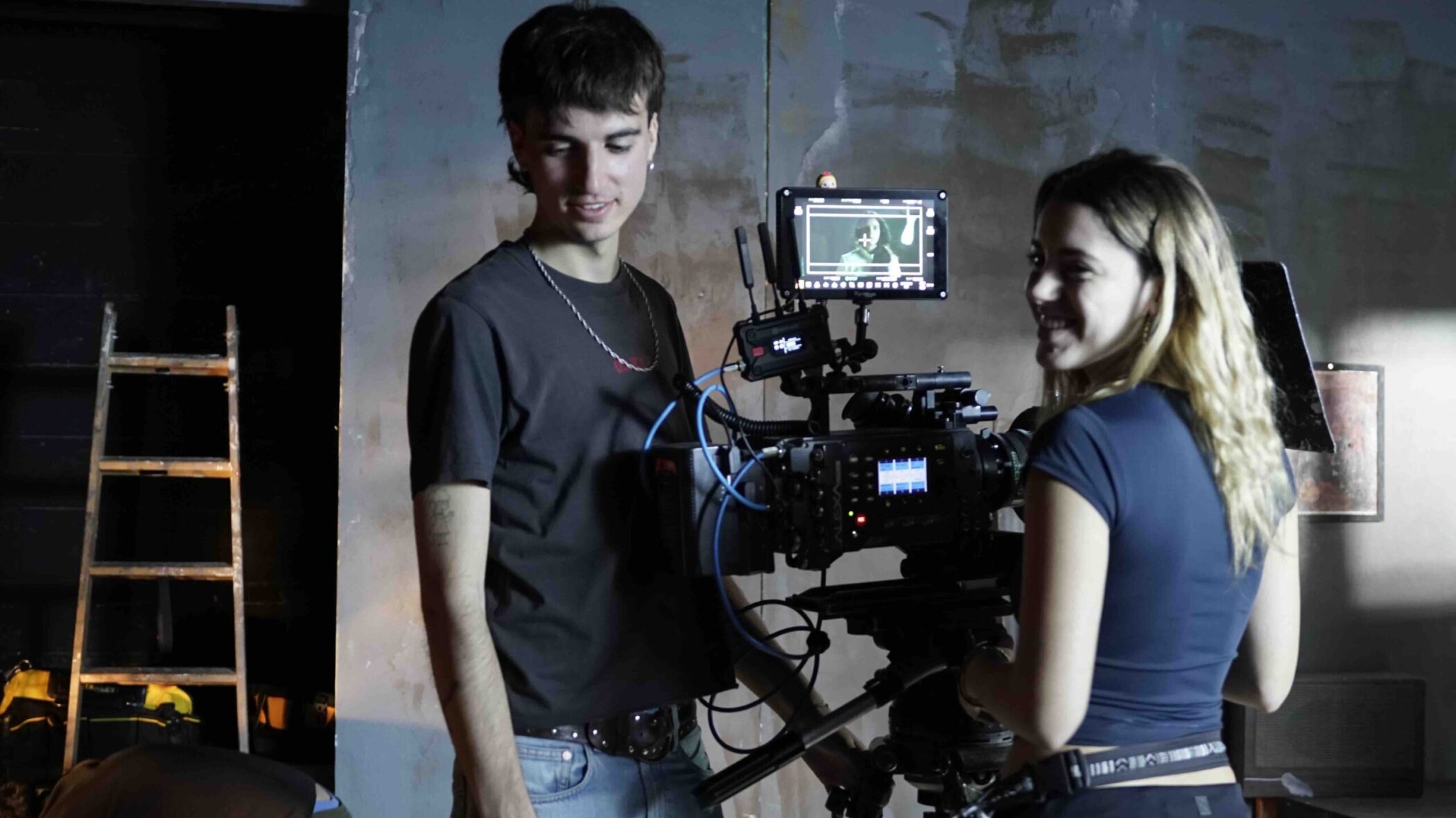
The methodology is based on learning by doing: students learn through practice, guided by working professionals and ESCAC’s own teaching staff. The courses combine projects, specialist seminars and workshops designed to apply technical knowledge to specific objectives of production. The work takes place in construction and carpentry workshops, with tools, machinery and resources adapted to the practical sessions. The training combines planning, experimenting with materials, carrying out tasks, assembly, finishing and problem-solving in real time. No mandatory external placements are identified as a separate course unit .
-
Project
-
Sessions to pre-produce, produce and complete the main projects of the course.
-
-
Specialised seminars
-
Classes led by professionals who deepen specific knowledge in the discipline.
-
-
Practical workshops
-
Production-focused activities in which the theoretical and technical knowledge acquired is applied.
-
-
Assessment system
-
The assessment is based on practical work, the application of techniques, planning, the quality of execution and finishes, solving problems, safety and collaboration. The TFC includes supervision by the tutor and assessment by a panel based on the report, the process, the technical outcome and the oral defence.
-
Teaching staff
Key information
Qualification
Course in Ephemeral Construction
Course director
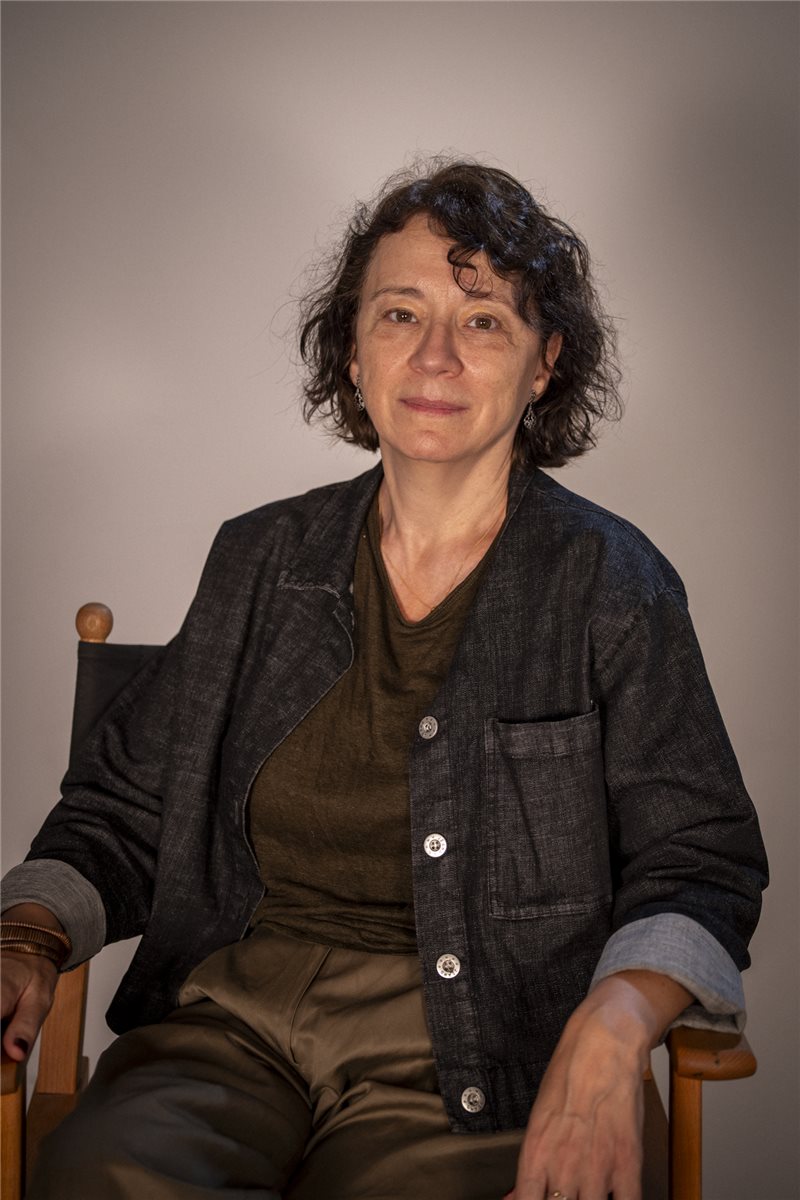
Teresa Zuluaga
Start Date
06/09/2027
Schedule
Mon–Fri, 10h to 14h and 15h to 19h
Format
In person
Price
5.355€
Available Places
22
Course coordinator
Cristina Buxó
End of classes
22/06/2027
Language
Spanish
Credits
60 ECTS
Location
ESCAC Terrassa Campus