Overview
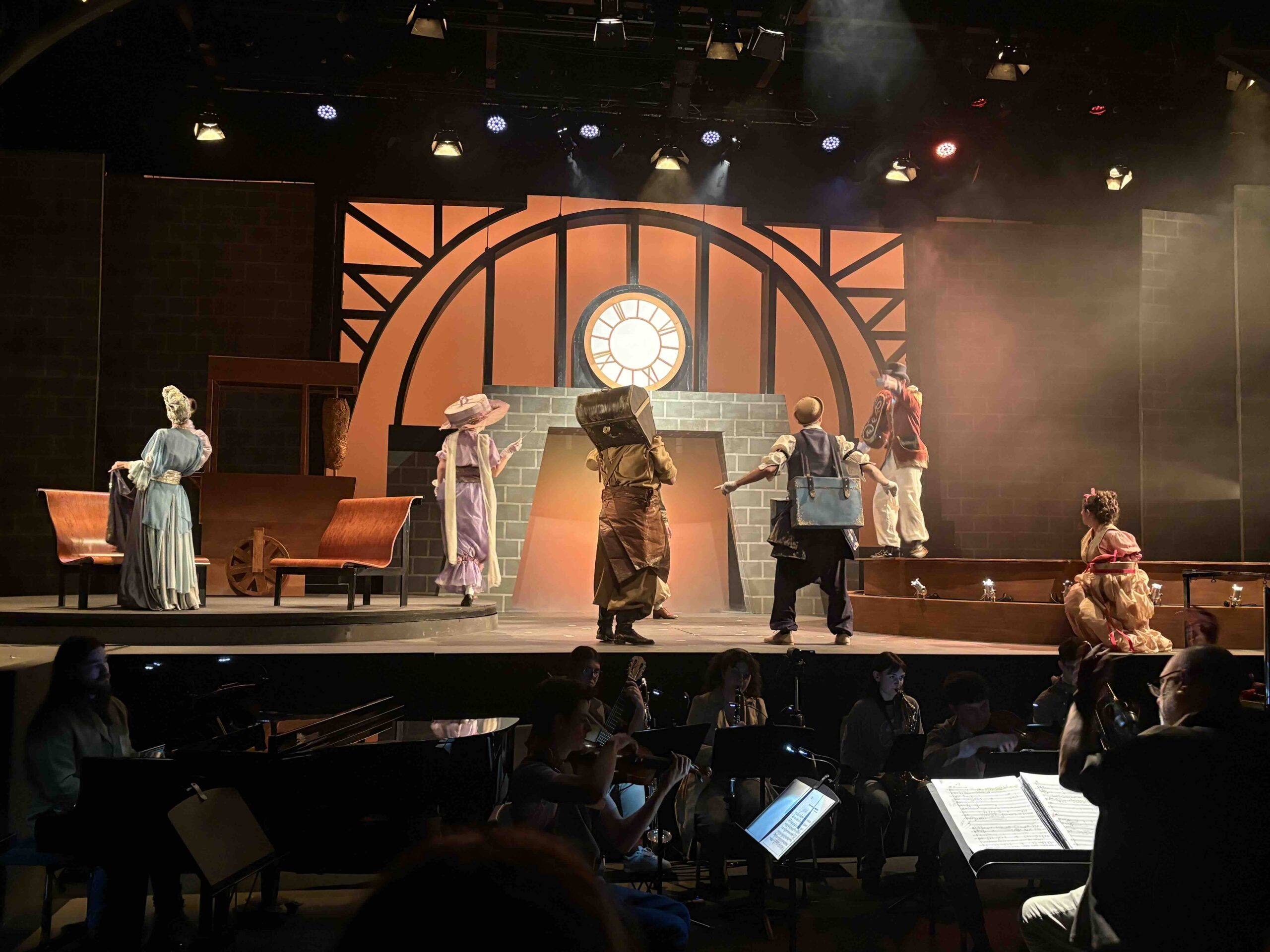
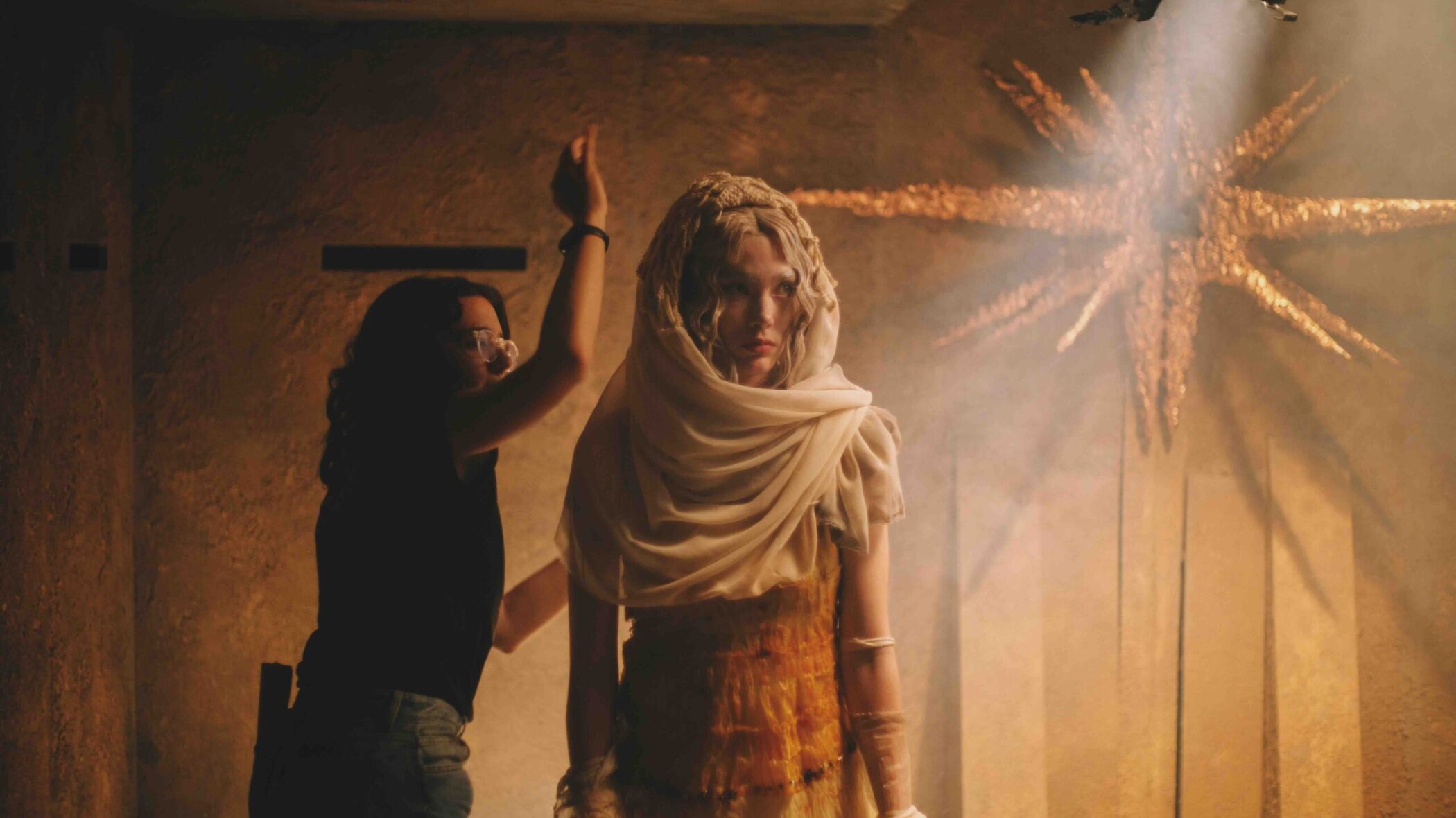
Costume design is an essential tool in audiovisual creation: it builds characters, defines worlds and gives meaning to every image.
Through fabrics, shapes and colours, costumes do more than accompany the narrative; they enhance it, revealing the psychology, development and context of the characters on screen.
This postgraduate programme offers practical, industry-focused training covering the entire workflow of the costume department, from script analysis to execution on set. In a growing sector with high demand for specialised professionals, the programme prepares students to join audiovisual teams and develop projects with aesthetic, technical and narrative judgement.
Intended Audience
This postgraduate programme is aimed at people interested in specialising in costume design and creation for film, television and the performing arts, as well as joining art departments. It is also suited to those wishing to expand their knowledge of characterisation, sustainability, costumes for special effects (FX) and new technologies applied to design.
Learning outcomes
By the end of the course, students should be able to:
- Analyse a script and translate it into a costume proposal that is narratively and aesthetically coherent.
- Build characters through costume, taking into account their context, psychology and dramatic development.
- Develop a complete visual proposal (mood boards, costume designs and dossier) aligned with the director and art department.
- Select suitable materials, fabrics and finishes according to the character, period and filming requirements.
- Carry out basic technical processes in pattern making, garment construction and alteration.
- Plan and manage costumes for an audiovisual production: breakdowns, budgeting, purchasing and logistics.
- Coordinate costumes during filming, ensuring continuity and resolving on-set issues.
- Work effectively with other departments (directing, art, cinematography, makeup and hair).
- Use digital tools and AI for costume design and organisation.
- Work professionally in a costume department on audiovisual productions.
-
Creative and narrative skills
-
Understanding costume as a narrative tool: character development, period, social class, dramatic arc, tone and film genre.
Ability to analyse scripts and staging and translate them into costume decisions.
Development of an integrated costume aesthetic aligned with the director’s vision and consistent with the film’s visual world, maintaining unity and contrast between characters.
Applied knowledge of colour, texture, silhouette and materials in relation to camera, format and lighting, in coordination with cinematography and art direction.
Ability to research and document references (historical and contemporary) and transform them into a personal visual language: mood boards, palettes, fabric references and finishes.
Understanding characterisation through garments (condition, wear, cleanliness, ageing) as an expressive tool to reinforce realism, emotion and continuity.
-
-
Technical skills
-
Mastery of department processes: costume designs, records, breakdowns, sequence breakdowns, look plans and continuity control.
Solid knowledge of fabrics and materials (how they behave on camera, drape, sheen, sound, durability) and selection criteria based on period, character and filming requirements.
Skills in pattern making, garment construction, alterations and fittings, including resolving sizing issues and adapting costumes for action, comfort and safety.
Management of duplicate and replica costumes, and costume sets (hero/backup/stunt), as well as maintenance, cleaning and repair protocols during production.
Characterisation, ageing and garment treatment techniques (dyeing, distressing, finishes) for realism or controlled stylisation.
Use of digital tools and AI for conceptualisation, generating references, preparing dossiers, labelling and organisation, and optimising workflows.
-
-
Analytical and planning skills
-
Ability to research periods, contexts and references (historical and contemporary) and turn them into design decisions that are viable for filming.
Ability to prepare a costume budget, estimate costs, prioritise and optimise resources without compromising the aesthetic proposal.
Management of purchases, rentals, suppliers, workshops and stock, including inventory control, deliveries and returns.
Comprehensive department planning: schedules, logistics, team organisation, fitting schedules and preparation for each shooting day according to the shooting schedule.
Tracking costumes from pre-production through filming: coordinating fittings, alterations, continuity, issues and script or schedule changes.
-
-
Interpersonal and communication skills
-
Smooth coordination with directing, art and cinematography to ensure aesthetic and narrative coherence.
Integrating costume with makeup, hair, characterisation, FX and stunts, anticipating technical and safety requirements.
Ability to coordinate costume teams and manage relationships with performers during fittings and filming.
Ability to present, explain and document the proposal clearly to the director and production team.
-
-
Professional and career development skills
-
Decision-making and on-set problem-solving (continuity, dress damage, changes of plan, timing).
Command of filming protocols and pace: daily preparation, change control and maintenance.
Good judgement to balance quality, feasibility and budget while maintaining film production standards.
-
Career opportunities
The Postgraduate Course in Costume Design prepares students to pursue a professional career in the costume department of film and audiovisual productions.
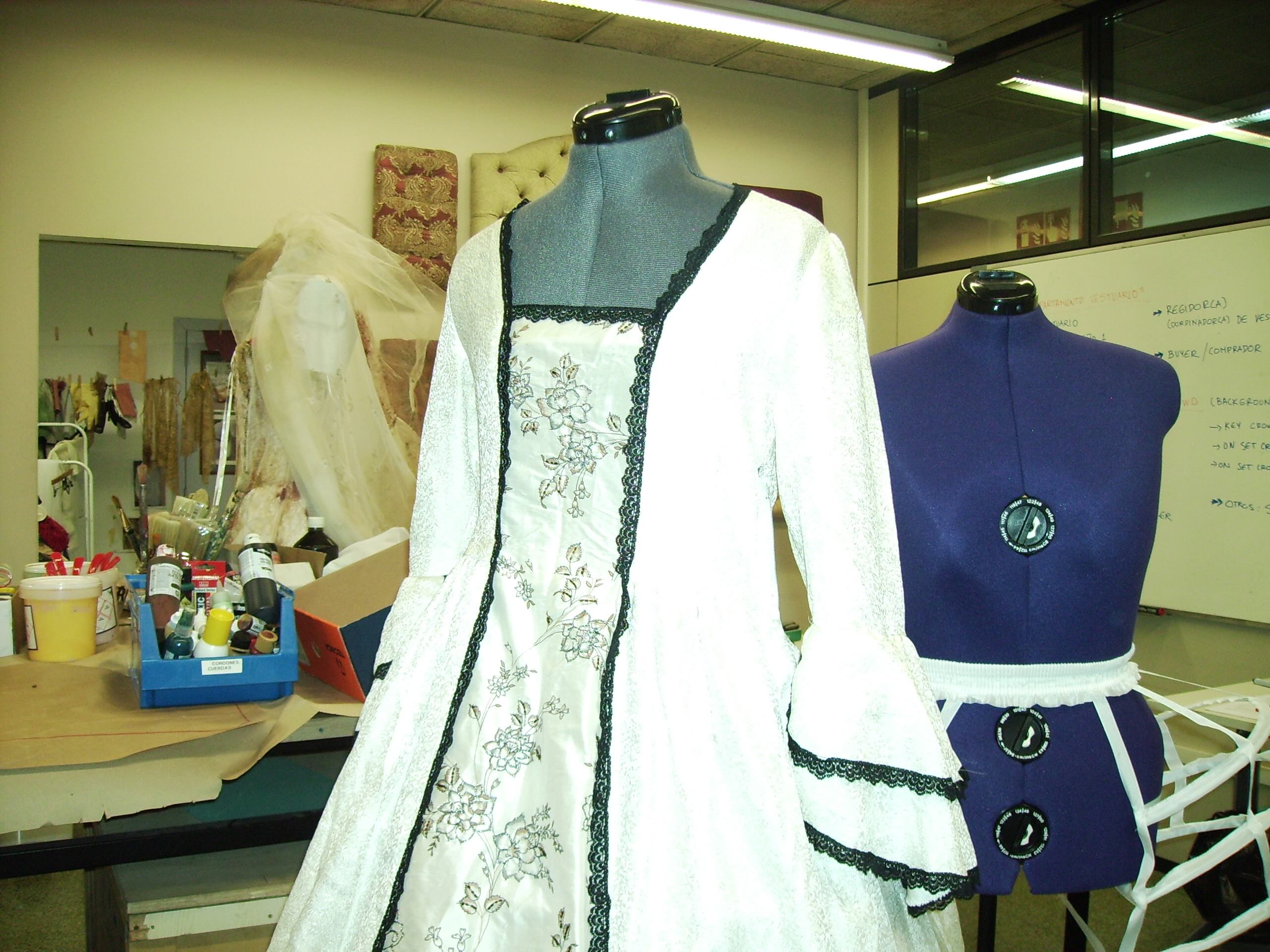
The course covers the department’s real-world processes, from script analysis and costume sketch design to fabric selection, pattern cutting, garment construction, fittings and costume coordination during filming.
Costume Design
- Costume Illustrator
- Costume Designer
- Costume Assistant
On-Set Tailoring
- On-set Tailor
- Costume Assistant
- On-set Costume Support

Garment Construction and Styling
- Costume Pattern Cutting and Garment Construction
- Garment Styling and Treatment
- Costume Preparation and Maintenance
Curriculum
-
Block 1: Introduction to Costume Design
-
- Fundamentals of Film Costume Design
- History and Theory of Costume Design in Film
- Narrative Analysis and Character Development
- Design and Costume Sketches
-
-
Block 2: Period Costume Design
-
- Period Costume
- Pattern Cutting and Garment Construction
- Textile Styling
-
-
Block 3: Contemporary Costume
-
- Contemporary Costume
- Technical Direction and On-Set Management
-
Teaching methodology and assessment
Our teaching approach is based on learning-by-doing: learning through practice, with a hands-on methodology grounded in the realities of the industry.
The course combines technical foundations, artistic judgement and the pace of filming so students can join a professional costume department.
The programme is organised into four components: classes, masterclasses, specialist workshops and cross-disciplinary projects.
-
Lectures
-
Ongoing training with four lead instructors who are industry professionals, covering the fundamentals of costume design, garment construction, styling and filming dynamics.
-
-
Masterclasses
-
Sessions with working professionals who share real-world processes, working standards and experience in film, series and major productions, introducing students to professional practice and the department’s current challenges.
-
-
Specialised workshops
-
Practical sessions with professionals from related departments to understand how costume integrates with the rest of the technical and creative team.
-
-
Cross-disciplinary projects
-
Four projects in which students apply the knowledge they have acquired as a whole, simulating real workflows: from research and design to fittings, technical problem-solving and preparation for filming.
-
Teaching staff
Key information
Qualification
Institution-specific Postgraduate Programme in Costume Design
Postgraduate Programme Directors
Núria Cardoner, Ariadna Tercero and Camilo Barreto
Start date
11/01/2027
Schedule
Mon–Fri, 10h to 14h and 15h to 19h
Format
In person
Price
5.100€
Location
ESCAC Terrassa Campus
Available Places
22
Postgraduate Programme Coordinator
Èric Gurrera and Cristina Buxó
End of classes
28/05/2027
The final practical exercises are filmed in June and July
Language
Spanish
Credits
30 ECTS
Early-bird price
Three thousand one hundred euros (3.100€) before 15/12/2026