Learning by Doing
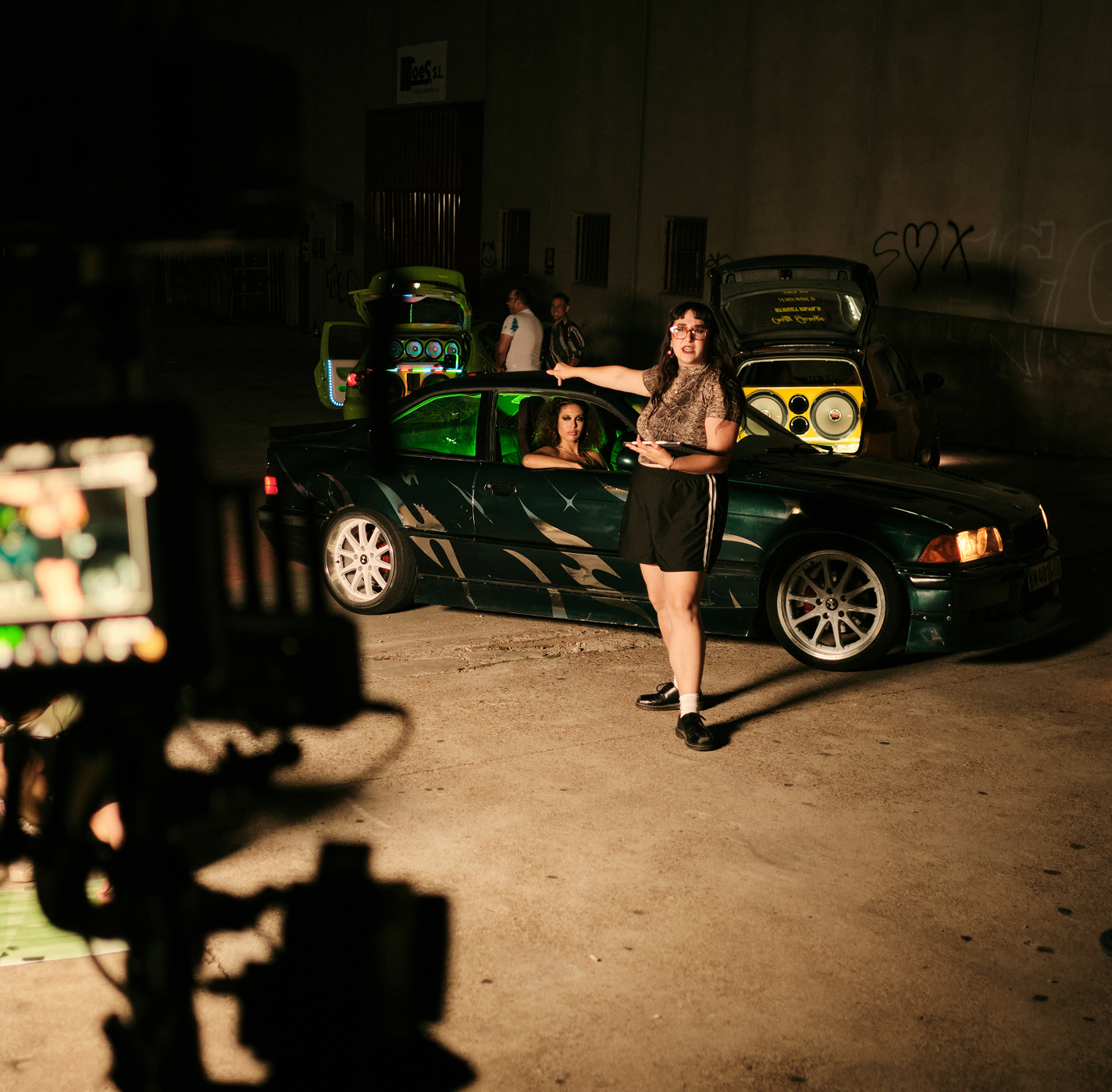
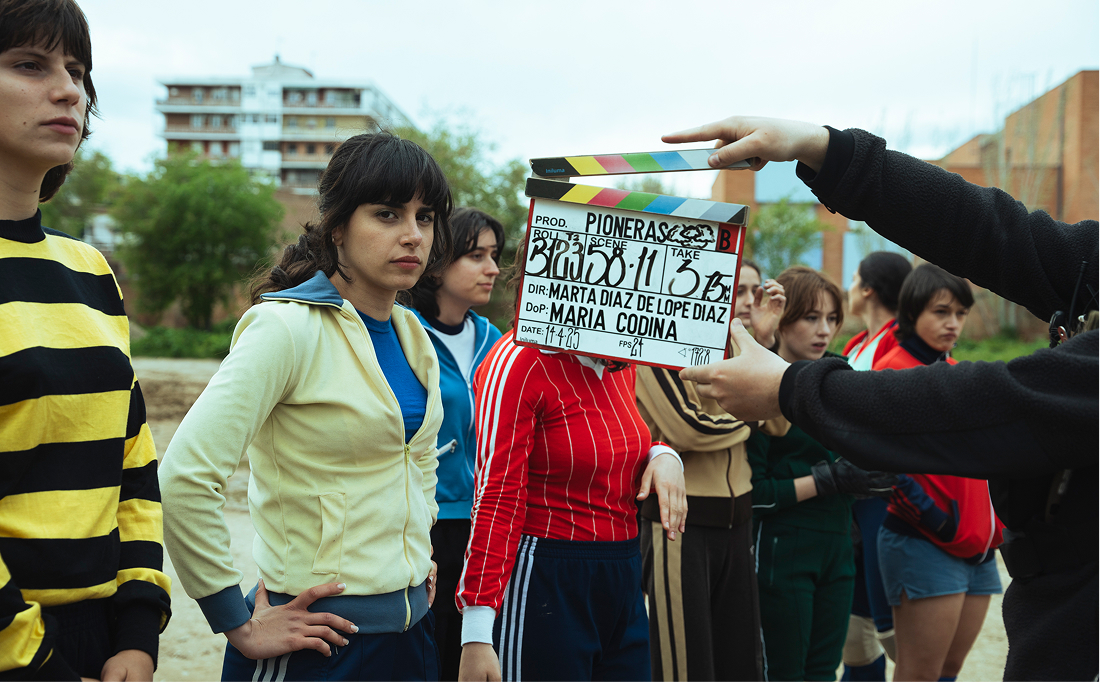
Make things, make mistakes, correct them and do it all over again. There is no other way to learn filmmaking than by doing it with real equipment from day one.
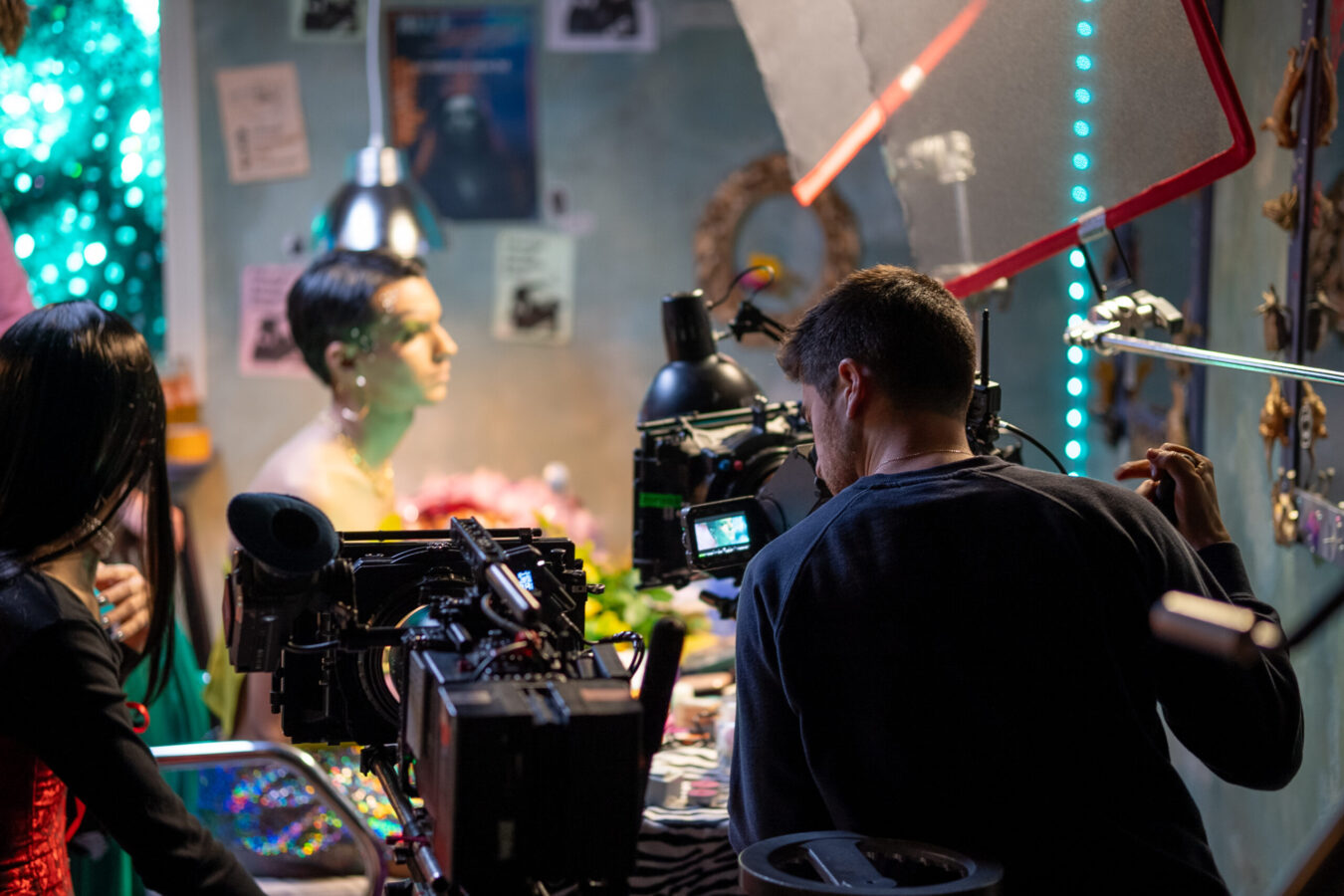
The driving force behind your technical and creative development.
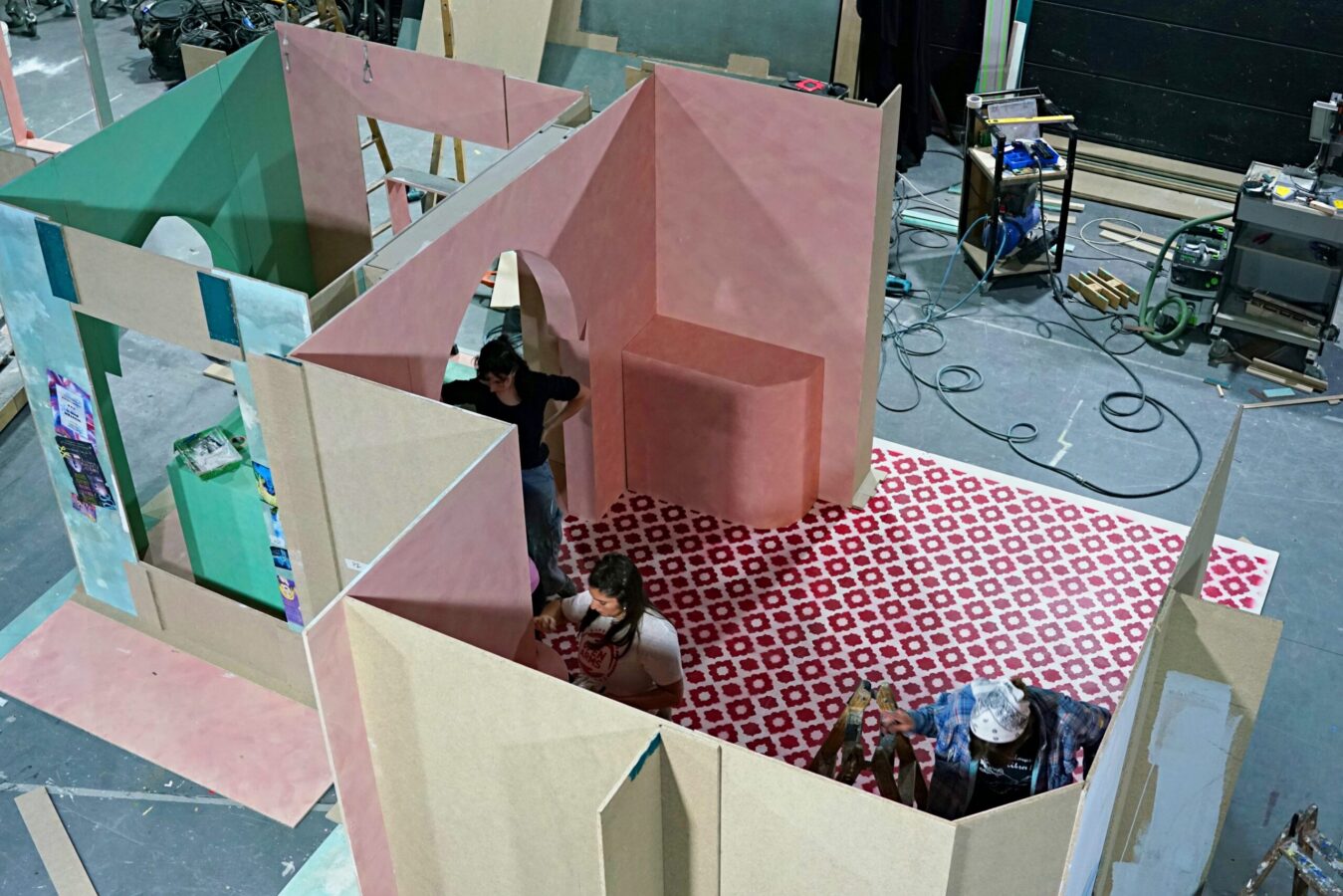
A profile prepared for the industry.
This approach has a direct impact on the graduate’s profile: by the time you complete your degree, you will already have shot dozens of projects, solved real problems under pressure and developed your own judgement. You don’t enter the industry to learn how a set works; you arrive knowing how to work on one.
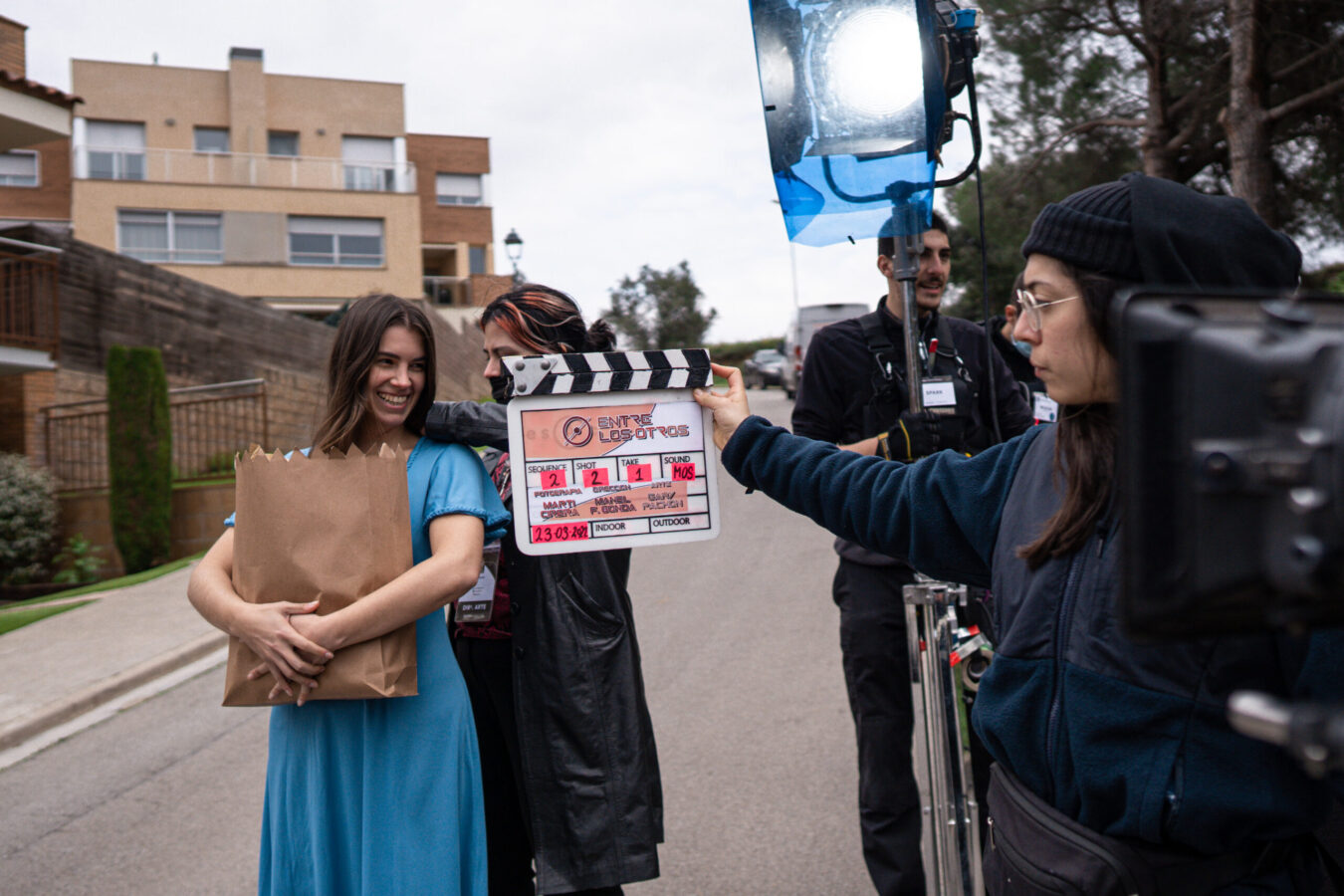
Real work placements, real connections.
Work placements, integrated into the curriculum, are the natural extension of this principle. You will apply everything you have learned at the school in a real professional environment, backed by the vast network of contacts that ESCAC has built over decades across the national and international audiovisual industry.
How will this pillar contribute to your development?
You’ll learn to make mistakes.
At this school, standing by and watching others do things is not allowed. You’ll pick up the camera, get the exposure wrong, shoot unusable takes and edit sequences that don’t work. And that’s exactly what needs to happen. That constant cycle of trial, error and correction is what will give you unshakeable professional confidence. You don’t learn framing, lighting or directing actors by memorising notes in a classroom: you internalise it by repeating, failing and getting your hands dirty on set until you master the technique by instinct.
Freedom to create.
Forget about spending the first years of your degree studying theory before you’re allowed to handle real equipment. From the moment you set foot on campus, you have direct access to all the school’s technical resources. Film cameras, lighting equipment, sound studios and post-production rooms are at your disposal for every project you take on. There are no preliminary “observation” phases; if you have a shoot this weekend, you book the professional equipment, load up the van and start filming.
Ready to work.
Spending four years shooting dozens of projects and solving real problems under pressure means that, when it’s time to do your work placement, you’re not a nervous student just discovering how a film set works. You arrive as a resourceful technician. Your work placements, backed by the vast network of production companies and contacts the school has built over decades, are not just a formality for earning credits; they are the natural transition to your first employment contract. You’ll enter the job market contributing value from the very first clapperboard.