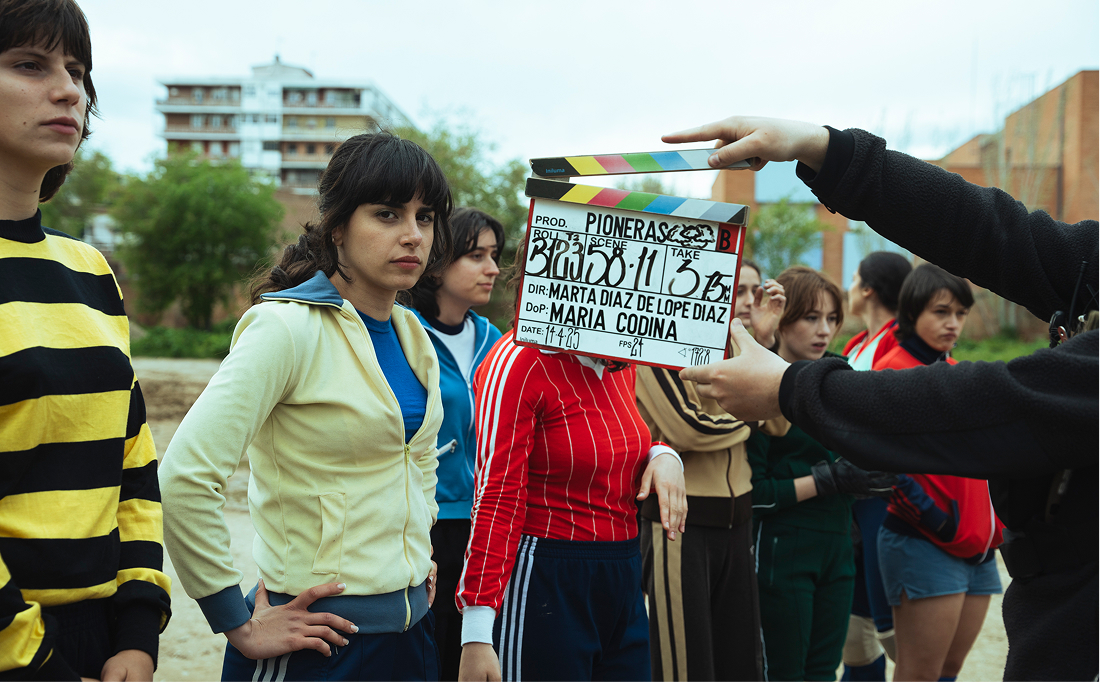
Project-Based Learning
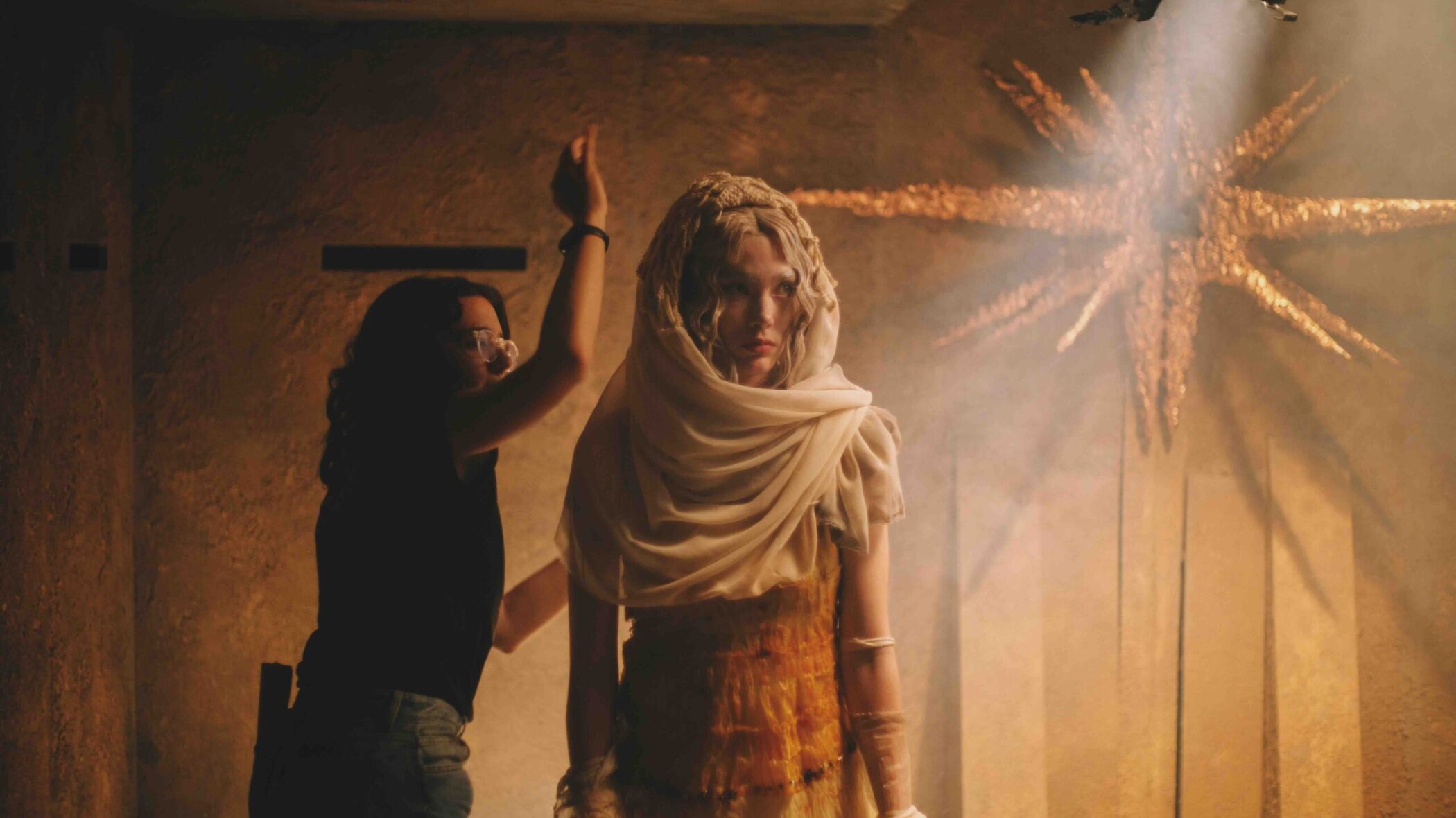
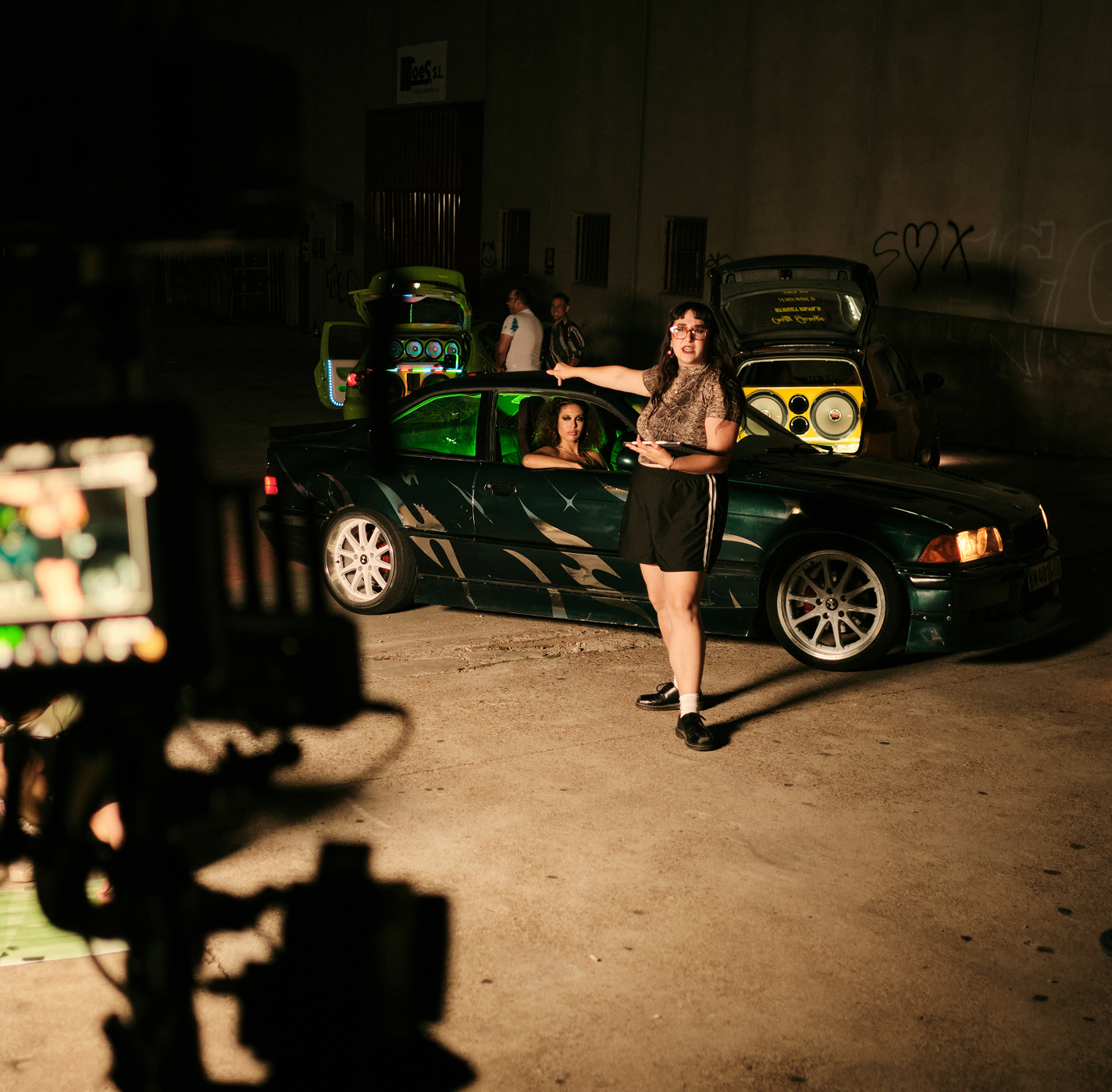
From day one, you’ll work on real audiovisual projects, taking on specific, visible responsibilities.
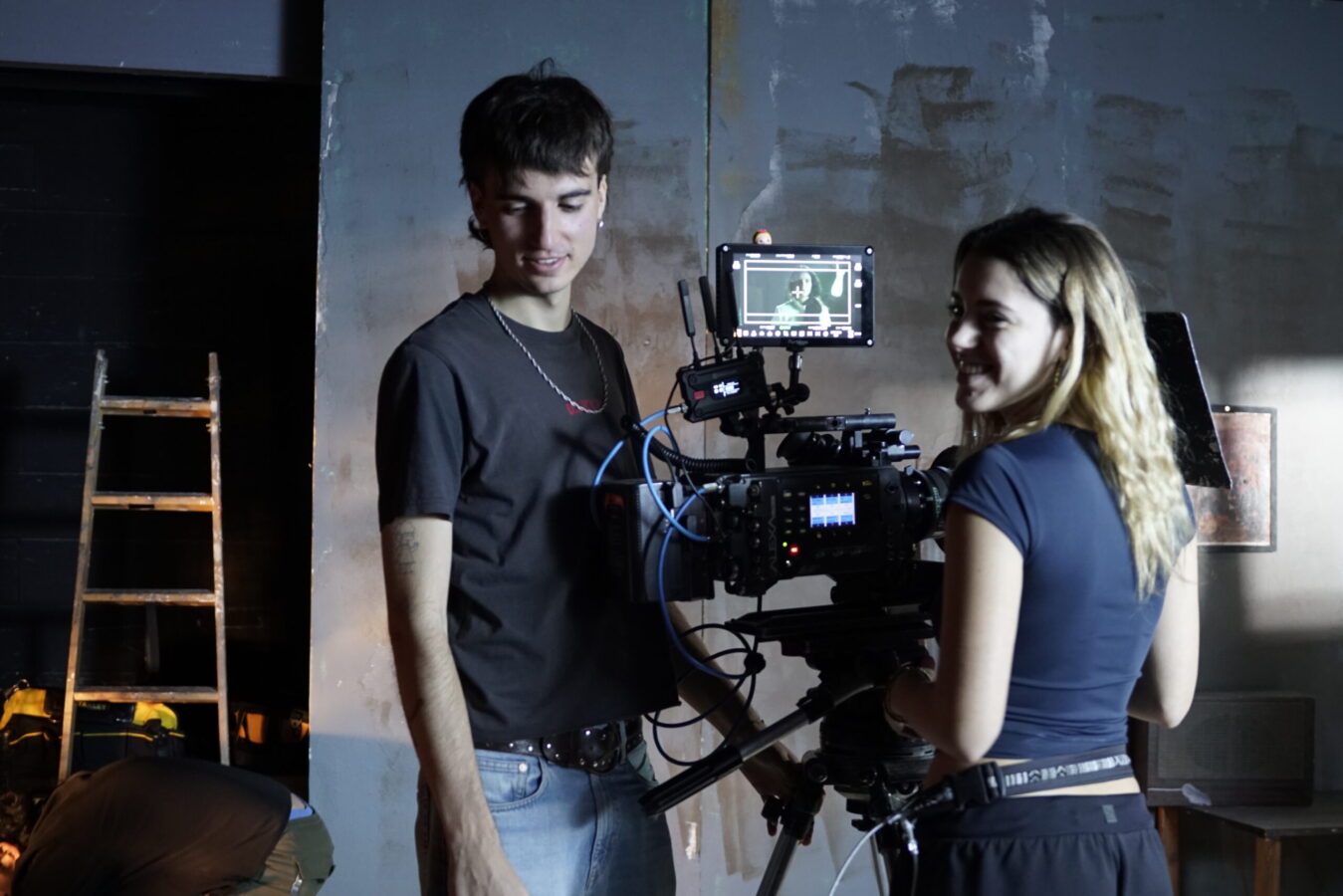
Real productions,
not simulated exercises.
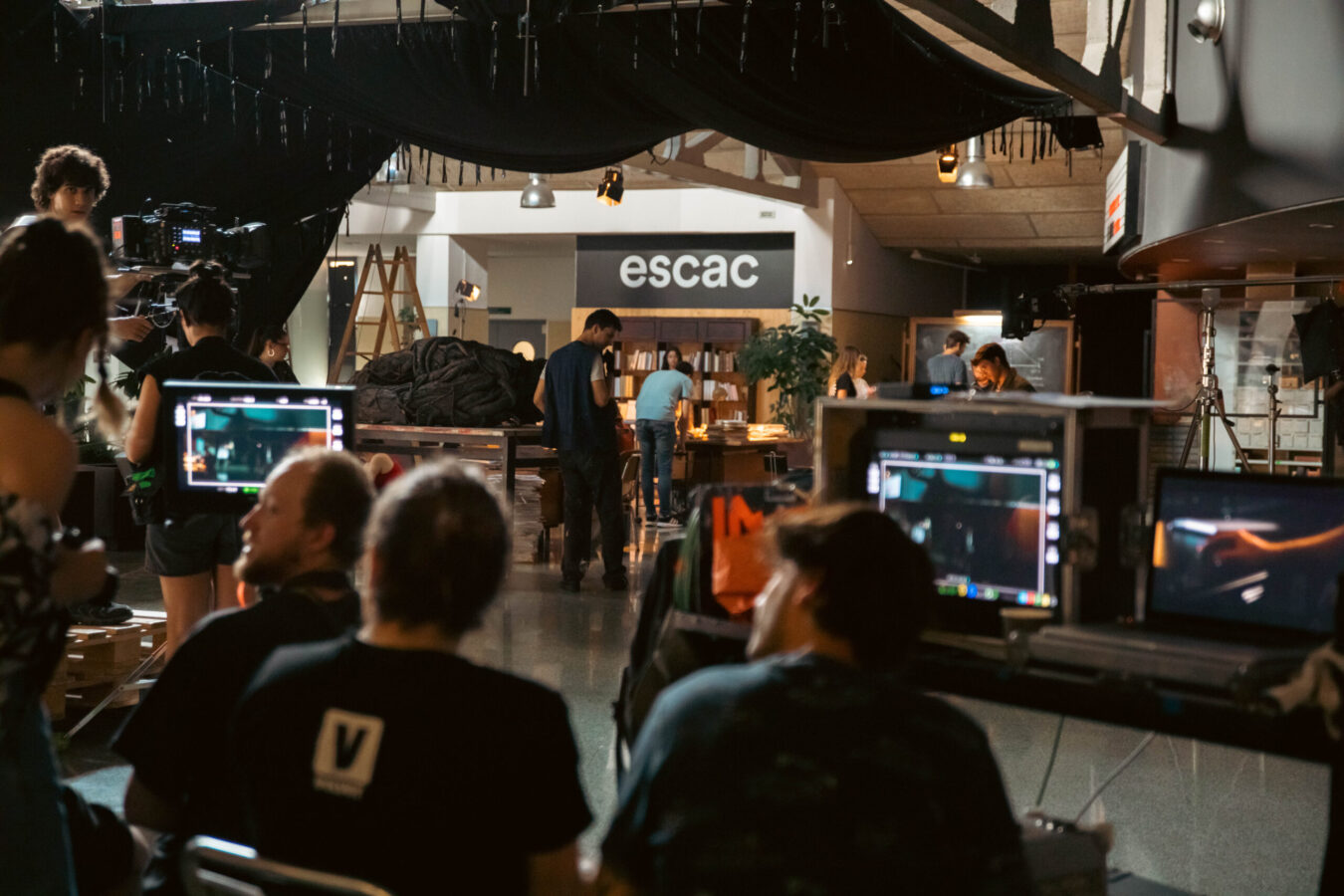
Cross-disciplinary work
comes to life on set.
A director needs to know what to ask of their director of photography; a producer needs to understand an editor’s limitations; and a screenwriter needs to know how what they write affects the sound team. At ESCAC, this cross-disciplinary understanding isn’t explained on a classroom whiteboard: you learn and experience it right on set.
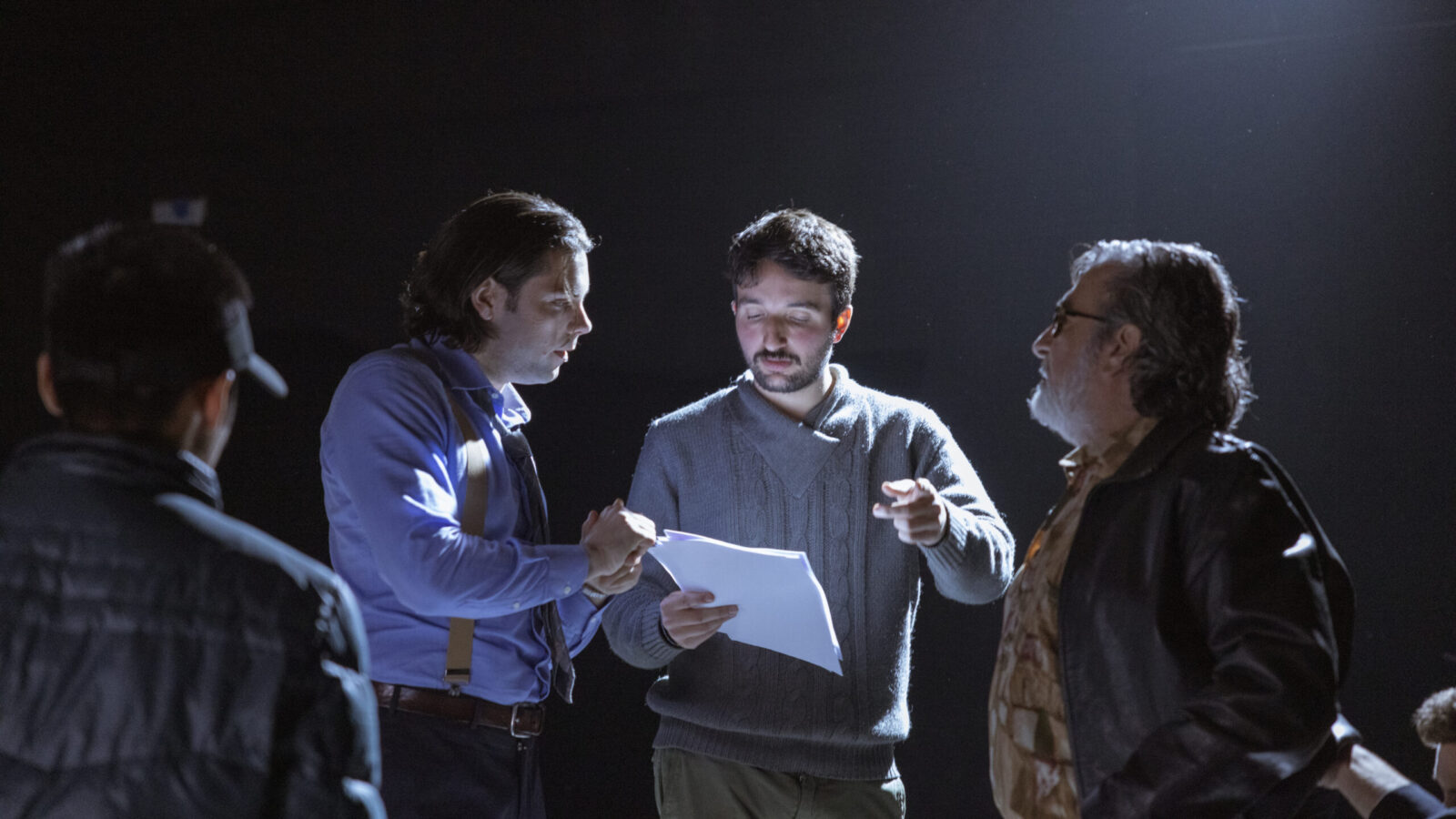
8 specialisms
working together.
Projects are where the degree’s eight specialisms (Directing, Production, Cinematography, Editing, Screenwriting, Sound, Production Design and Documentary) come together and rely on one another. This is what sets us apart and what the industry values most when hiring graduates.
How will this pillar contribute to your development?
You’ll discover your own voice
You’re not here to shoot class exercises for a professor to put away in a drawer; you’re here to bring full productions to life. From day one, you’ll take on every real stage of filmmaking: development, pre-production, shooting, post-production and distribution. You’ll work under the same pressure and with the same demands as in the professional world. The result? When you graduate, you won’t just have a degree to your name; you’ll also have a strong reel of completed projects that will show the industry what you can do on set.
You’ll have a solid foundation.
You can’t lead a team if you don’t understand how its work is done. Getting hands-on, you’ll experience the challenges faced by every department for yourself. If you direct, you’ll learn to ask your director of photography for exactly the right lighting, using their technical vocabulary. If you write, you’ll understand fully how your lines affect the sound team. This big-picture perspective isn’t taught on a whiteboard; it’s ingrained through filming, making you a resourceful professional who knows exactly how all the pieces of a film fit together.
Applied knowledge
At this school, the eight specialisms clash, coexist and, above all, depend on one another to get through each project. That interdependence is your greatest competitive advantage. The editor who saves a sequence for you in the editing room, or the production designer who builds a set with you at three in the morning, aren’t just your classmates: they’re your future partners. You’ll enter the industry with a network of trusted collaborators to keep making films with.