Overview
The Bachelor’s Degree in Filmmaking at ESCAC, an affiliated centre of the University of Barcelona, is an official university degree comprising four academic years and a workload of 240 ECTS credits, adapted to the standards of the European Higher Education Area.
The Degree’s main aim is to equip students to express themselves through audiovisual language by mastering its narrative, aesthetic and technical mechanisms. The training programme provides the professional skills and theoretical knowledge needed to develop creatively in the various professions in film and audiovisual media—direction, production design, cinematography, documentary, screenwriting, editing, production and sound—based on a solid understanding of film and the main forms of audiovisual expression.
Degree objectives
To give students the ability to express themselves through audiovisual language by mastering its narrative mechanisms, and to provide them with the knowledge and skills to understand and practise their various professions creatively (production, screenwriting, direction, art direction, cinematography, editing and sound), while developing a solid grounding in film studies that enables them to analyse and assess all kinds of audiovisual expression.
-
Production
-
In production, students will master the techniques and mechanisms involved in producing audiovisual works throughout the processes of conception, development and exploitation.
-
-
Screenwriting
-
In screenwriting, students will be trained to conceive, develop and write scripts for audiovisual works with a range of characteristics.
-
-
Direction
-
In direction, students will gain the knowledge and skills to plan, make and supervise all kinds of audiovisual productions.
-
-
Production Design and Art Direction
-
In production design and art direction, students will learn to conceive, design and develop the setting, costumes and props for an audiovisual work.
-
-
Cinematography
-
In cinematography, students will be trained to conceive, design and realise the lighting, colour and overall visual treatment of an audiovisual work.
-
-
Editing
-
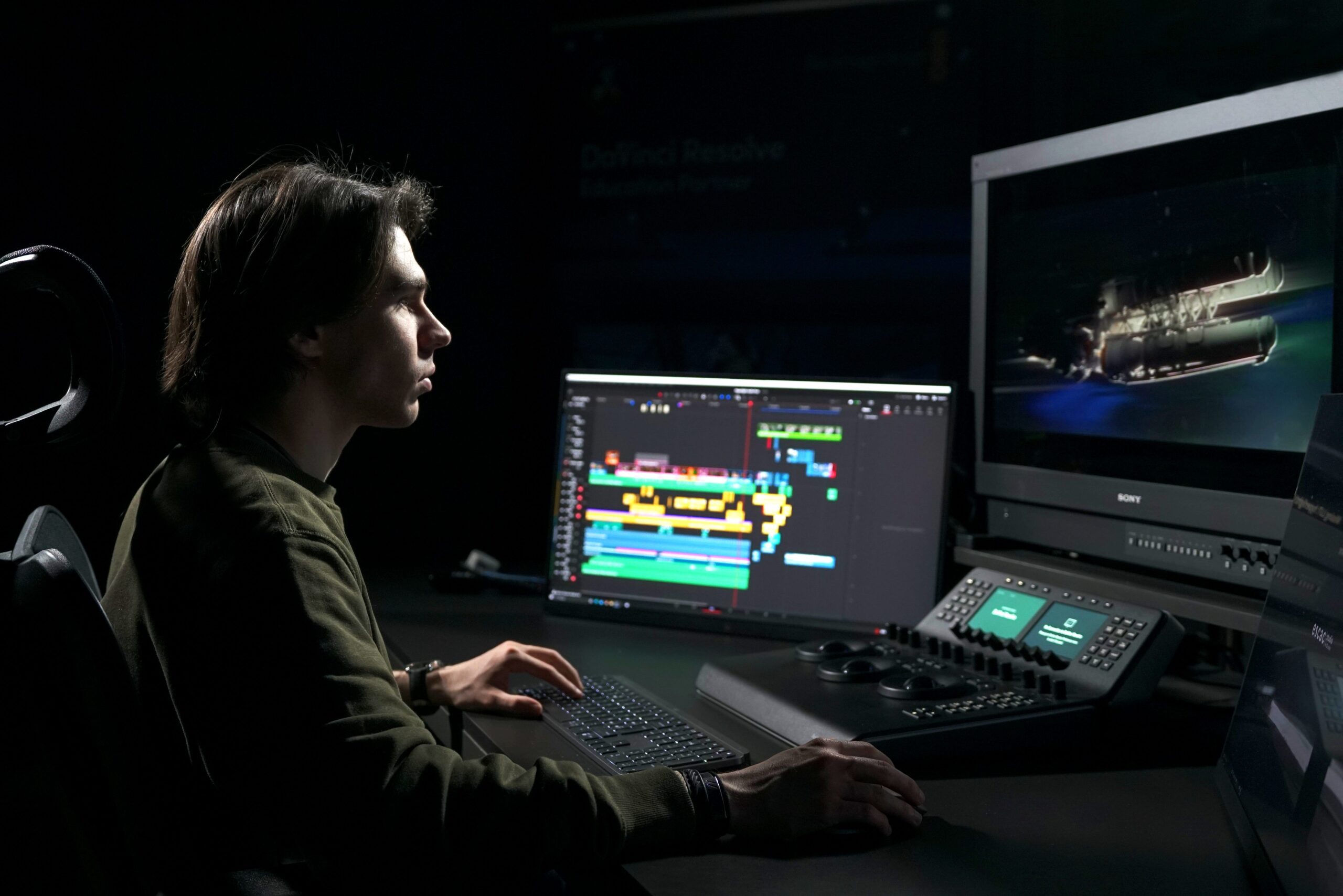
In editing, students will learn how to structure, manage and handle a production’s audiovisual material appropriately by mastering editing and post-production resources and strategies.
-
-
Sound
-
In sound, students will master the techniques and mechanisms involved in recording, designing and post-producing the sound for an audiovisual work.
-
Learning outcomes
-
Theoretical knowledge
-
By the end of their studies, students will be able to analyse a film text from a personal, critical and creative perspective, drawing on their command of the basic principles of iconographic and narrative analysis of audiovisual works.
Recognise concepts relating to the historical and sociocultural contexts in which film and audiovisual media have developed across different periods.
Develop a theoretical perspective on the latest film and audiovisual trends emerging in the contemporary era.
Situate film and audiovisual creation within the historical development of visual culture.
Assess the use of editing as a narrative and expressive element in filmmaking.
Assess the use of sound and music in an audiovisual work in terms of their expressive and communicative value.
Assess the expressive and narrative resources used in the cinematography of an audiovisual work.
Relate the plots and characters of modern audiovisual works to mythological and literary sources.
Place the most significant works and authors of documentary cinema in their historical context, recognising the importance of documentary as a creative medium in shaping the codes of contemporary audiovisual works, both fiction and non-fiction.
-
-
Practical and technical skills
-
By the end of their studies, students will be able to produce research based on consulting bibliographic sources and viewing audiovisual material.
Conceive, develop and write scripts for audiovisual works in a range of forms, formats and genres.
Apply the techniques and mechanisms of audiovisual production to decision-making throughout the processes of conception, development and exploitation.
Carry out the processes involved in conceiving, designing and developing the setting, costumes and props for an audiovisual production, adapting them to the narrative needs of the story and its characters.
Apply the mechanisms of audiovisual language to the creation of film narratives, both fiction and non-fiction.
Creatively carry out the processes involved in designing, recording and post-producing the sound for an audiovisual work, drawing on a command of the necessary technical elements.
Carry out the processes involved in structuring, managing and handling filmed audiovisual material by mastering the resources, strategies and technical elements of editing and post-production.
Plan, make and supervise an audiovisual production, whether fiction or documentary, applying the techniques and mechanisms of directing audiovisual works.
Creatively apply knowledge of photographic language and technique to the use of analogue and digital cameras.
Carry out the processes involved in conceiving, designing and realising the lighting, colour and overall visual treatment of an audiovisual work.
Communicate with actors when directing them and use the performance space as a means of expression in staging a dramatic work.
-
-
Professional competencies
-
By the end of the course, students will be able to contextualise the unequal position of men and women in the professional sphere and seek solutions that advance equality in both the most creative and the more technical fields.
Demonstrate maturity and analytical rigour in evaluating their own work and that of the team as a whole.
Independently apply research methodologies and the skills needed to create film texts in advanced studies.
Understand and be able to apply the requirements for sustainable, environmentally responsible film shoots.
Act in accordance with the profession’s ethical principles, without allowing ideological discrimination that could offend or undermine others.
Demonstrate creativity and an entrepreneurial mindset in formulating, designing and managing projects, and in seeking out and integrating new knowledge and attitudes.
Work independently, make decisions and adapt to new situations.
-
Degree Structure
The Degree’s content is organised into two major areas of study:
- Theoretical foundations: introductory and in-depth courses covering the conceptual, historical and analytical foundations of film professions and disciplines
within film studies. - Practical foundations: practical courses in which students take on creative challenges designed to teach the methods, techniques and professional processes of the audiovisual industry.
This content is spread across the four years of the Degree in two major stages of study.
-
First cycle (first and second years)
-
During the first two years, the programme focuses on learning the language of audiovisual media through Audiovisual Narrative Practice courses, a core subject that encourages continuous creative work, experimentation and teamwork. These practical sessions familiarise students with real production processes and help them progressively develop creative and technical skills. They also foster a collaborative dynamic that reflects how professional teams in the sector work. The aim is to establish a solid foundation through direct experience and sustained practice.
Students also take on specific experimental and project-solving situations through the so-called “challenges”, which simulate real commissions or issues in the audiovisual sector.
-
-
Second cycle (third and fourth year)
-
In the third year, students take an elective in a specialisation, where they learn the techniques of their chosen film profession: directing, production design and art direction, cinematography, documentary, screenwriting, editing, production or sound.
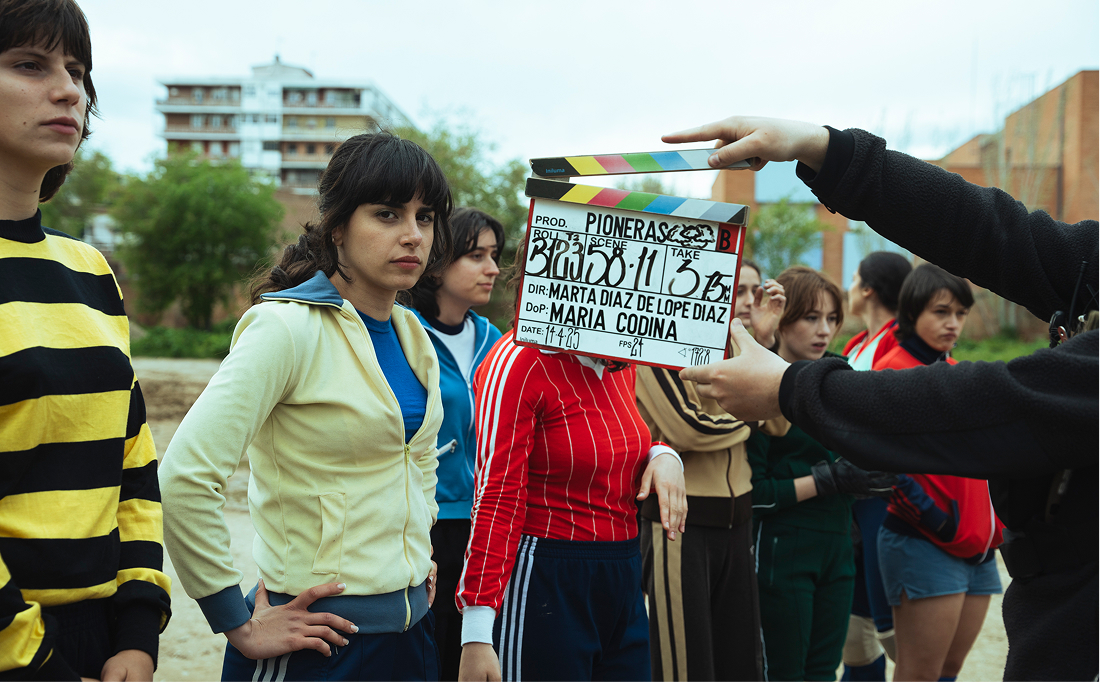
Each elective has a maximum of 14 students. Admission is determined through a selection process that takes into account academic records (2 points), portfolios (2 points) and a personal interview (2 points).Students learn the working methods of their specialisation from practising professionals in hands-on workshops held in dedicated spaces with fully professional equipment. They apply the knowledge and skills acquired in these workshops in the two collective practical project courses that structure the second cycle: Audiovisual Narrative Practice (third year) and the Final Degree Project (fourth year).
During the final two years, and building on the first cycle, the programme is complemented by courses in film studies. These provide analytical tools, critical thinking and cultural context that are essential to understanding and enriching professional practice. They help students place their creative decisions within a broader framework of influences, movements and audiovisual discourses.
-
Academic Programme: First Cycle (First and Second Years)
The main aim of the first cycle is for students to learn and consolidate the fundamentals of audiovisual language through practice. It also provides methodological and theoretical foundations for the various film professions, as well as analytical tools and knowledge of film history. The first cycle consists of Audiovisual Narrative Practice, Challenges, Theoretical and Practical Foundations courses, and Film Studies courses.
-
Audiovisual Narrative Practice
-
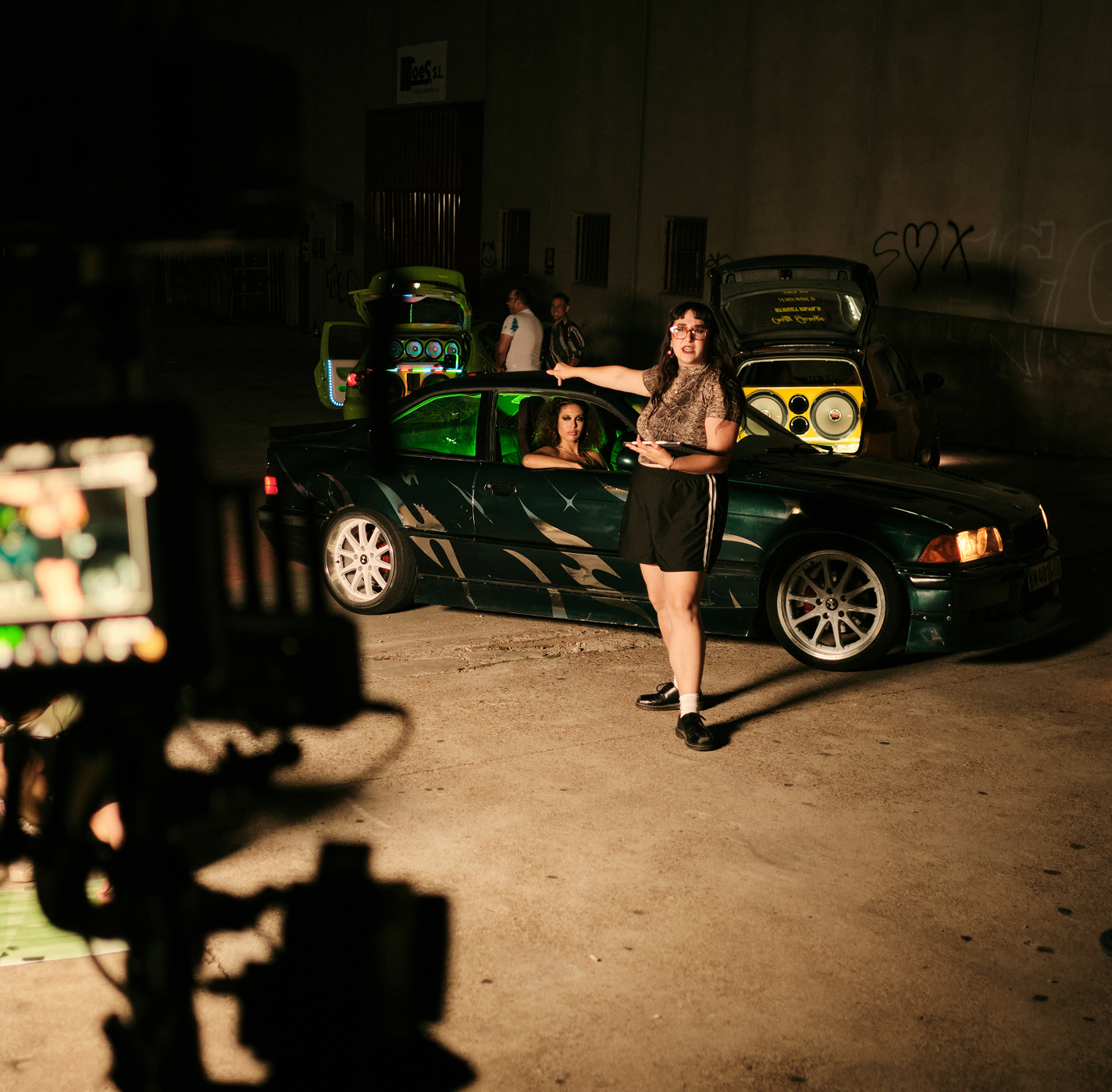
In the first-year practical course, students direct four audiovisual exercises over the academic year. Working in film crews, they take part in every stage of the creative process—screenwriting, preparation, filming and post-production—based on a range of narrative prompts: introducing characters, an action scene, recreating a genre and producing a project from a script of their choice. Each student completes two exercises in an analogue format and two in a digital format, with the aim of exploring different languages, techniques and production conditions.
In the second-year practical course, students work in larger, more stable film crews, recreating the dynamics of the professional field. Once the groups are formed, they undertake three distinct work periods, each culminating in several audiovisual exercises. The course coordinates the development of the screenplay and its narrative structure with the processes of planning, production, filming and post-production, encouraging students to apply their technical and creative knowledge in a collaborative, results-oriented setting.
-
-
Challenges
-
Challenges are practical activities that simulate real-life situations in the audiovisual field. They set a specific goal involving problems to solve and require decision-making and adaptation to different constraints, fostering creativity, responsiveness and an understanding of different professional roles.
- Song
- This challenge introduces students to the fundamentals of music production for audiovisual media. As part of the activity, students take on the role of a fictional musical group and develop a complete audiovisual project, including writing the lyrics, composing the music, performing and making the music video for a song conceived as a commercial hit.
Throughout the process, students acquire technical knowledge related to the use of music-editing software while also developing their creativity and skills in musical composition and songwriting. The course allows them to explore audiovisual storytelling from a different perspective, delving into the expressive qualities of sound and music as fundamental elements in constructing an audiovisual narrative.
- This challenge introduces students to the fundamentals of music production for audiovisual media. As part of the activity, students take on the role of a fictional musical group and develop a complete audiovisual project, including writing the lyrics, composing the music, performing and making the music video for a song conceived as a commercial hit.
- Sound Narrative
- The sound narrative challenge is conceived as a sensory experience in which students, without images, are able to build a story using sound alone. By creating atmospheres, dialogue, sound effects (foley) and soundscapes, students develop an autonomous sound world that can tell a short story and convey sensations and emotions without visual support.
During the course, students conceive and write an original text, which they then produce and edit in audio format. This process develops skills in both narrative creation and the technical and expressive aspects of sound design and post-production.
- The sound narrative challenge is conceived as a sensory experience in which students, without images, are able to build a story using sound alone. By creating atmospheres, dialogue, sound effects (foley) and soundscapes, students develop an autonomous sound world that can tell a short story and convey sensations and emotions without visual support.
- Theatre Play
- This course introduces students to the fundamentals of dramatic writing and dramaturgy. Throughout the process, students conceive, write and develop an original play, working with professional actors in a process that culminates in a live performance of the works they have created before an audience. This experience offers a practical, comprehensive approach to theatre and the process of stage creation. The course is conceived as a collective project,
in which students take on the different roles and responsibilities involved in a theatrical production.
At the end of the challenge, students develop skills in dramatic writing, actor direction, artistic communication and the management of stage space as a fundamental expressive tool in staging a play.
- This course introduces students to the fundamentals of dramatic writing and dramaturgy. Throughout the process, students conceive, write and develop an original play, working with professional actors in a process that culminates in a live performance of the works they have created before an audience. This experience offers a practical, comprehensive approach to theatre and the process of stage creation. The course is conceived as a collective project,
- Still Photography
- The course offers an intensive immersion in photography. The ultimate goal is to conceive, prepare and put on a photography exhibition. Throughout the learning process, students complete various photographic exercises designed to explore vision, composition and visual language. In this course, students develop their creative abilities and apply the visual and technical fundamentals of photography.
Both digital and analogue photography are covered, including hands-on experimentation with photographic development processes, providing a comprehensive understanding of the medium and its material processes.
- The course offers an intensive immersion in photography. The ultimate goal is to conceive, prepare and put on a photography exhibition. Throughout the learning process, students complete various photographic exercises designed to explore vision, composition and visual language. In this course, students develop their creative abilities and apply the visual and technical fundamentals of photography.
- Portrait
- This course explores painting and the fine arts as foundations of film aesthetics. The ultimate goal is to create a large-format painted self-portrait, which students exhibit and present publicly. Throughout the creative process, students work with different artistic techniques and analyse their visual and narrative potential, exploring the connections between painting, visual construction and audiovisual expression.
This challenge allows students to delve into the expressive dimension of painting and develop their own visual perspective, with particular attention to composition, colour, texture and symbolism as narrative elements.
- This course explores painting and the fine arts as foundations of film aesthetics. The ultimate goal is to create a large-format painted self-portrait, which students exhibit and present publicly. Throughout the creative process, students work with different artistic techniques and analyse their visual and narrative potential, exploring the connections between painting, visual construction and audiovisual expression.
- Production
- The course focuses on the practical application of the fundamentals of film production. Students work together as if they were part of a professional film crew, with the aim of developing a project concept, carrying out pre-production and creating a photographic series at a location at least 200 kilometres from Terrassa.
This experience presents challenges related to planning, organisation and resource management in settings with highly complex logistics. Through this challenge, students develop film production skills and gain a practical understanding of working dynamics and the usual demands of the professional audiovisual industry.
- The course focuses on the practical application of the fundamentals of film production. Students work together as if they were part of a professional film crew, with the aim of developing a project concept, carrying out pre-production and creating a photographic series at a location at least 200 kilometres from Terrassa.
- Color
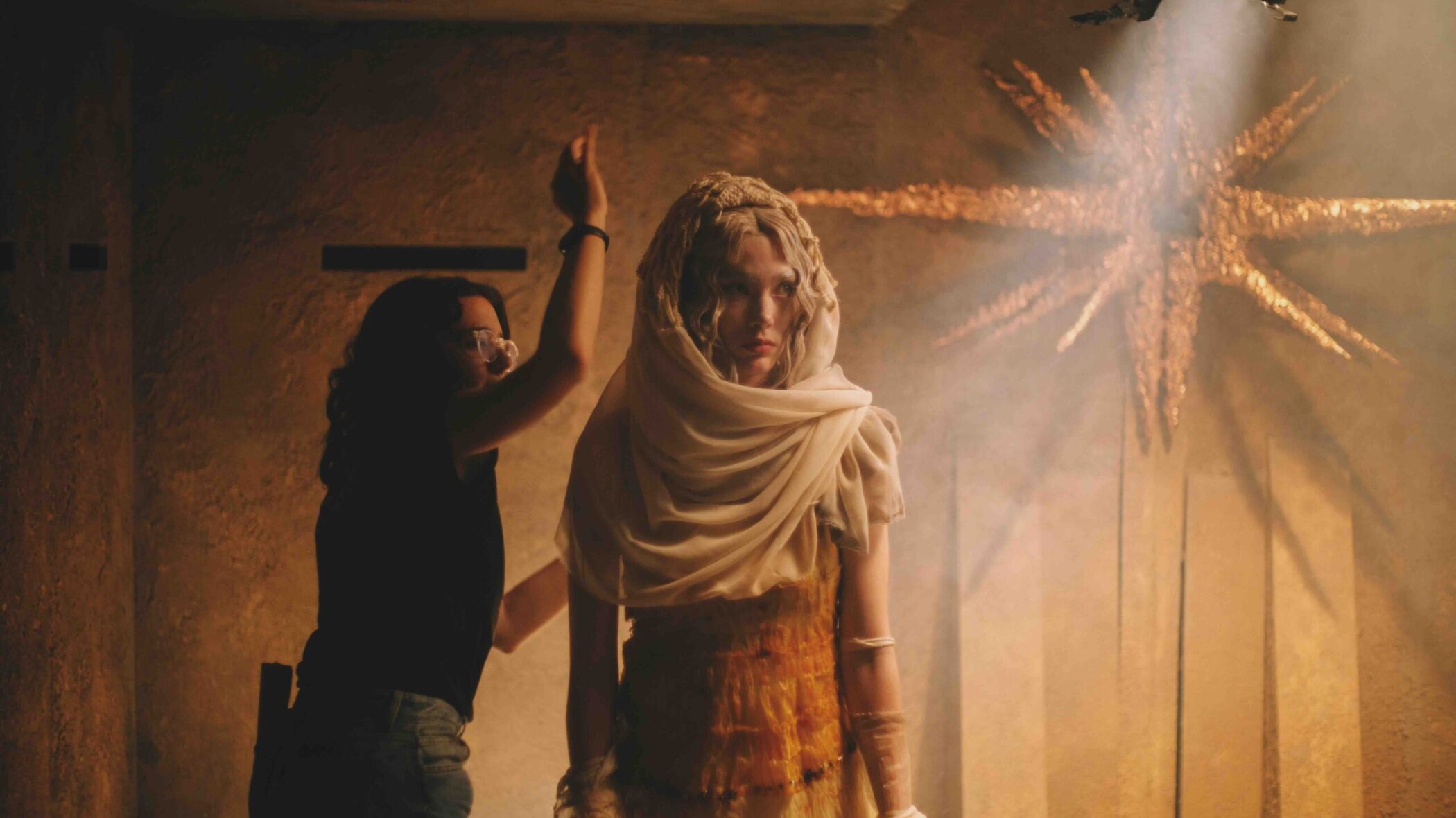
- This course explores and creates cinematic visual styles. Students recreate selected paintings on a soundstage using the tableau vivant technique. These recreations are then transformed to bring them closer to the visual aesthetics of different films and cinematic styles. The project combines knowledge and skills related to set design and construction, soundstage lighting, and color-correction processes using DaVinci Resolve.
The project culminates in a video summarizing the creative and technical process, as well as a final pitch in which students present and justify their artistic and conceptual choices.
- This course explores and creates cinematic visual styles. Students recreate selected paintings on a soundstage using the tableau vivant technique. These recreations are then transformed to bring them closer to the visual aesthetics of different films and cinematic styles. The project combines knowledge and skills related to set design and construction, soundstage lighting, and color-correction processes using DaVinci Resolve.
- Documentary
- This project explores the field of audiovisual nonfiction. With the aim of producing a documentary piece, students are introduced to the working methods of documentary filmmaking and alternative forms of audiovisual storytelling based on observing reality. The process covers the stages of development, planning, filming, and post-production, as well as the narrative and ethical decisions inherent to the documentary genre. The course culminates in a public screening of the projects and an oral presentation in which students explain the creative process, the narrative strategies adopted, and the results achieved.
- Song
-
-
Theoretical and Practical Foundations
-
The courses in this block lay the fundamental foundations of audiovisual creation through a combination of conceptual and applied content.
Students are introduced to the main areas of film language—screenwriting, art direction, cinematography, editing, and sound—and explore their narrative, technical, and expressive aspects in an integrated way.The Screenwriting course establishes the foundations of dramaturgy, character creation, and narrative structure. Production Design / Art Direction places audiovisual creation within the framework of visual culture and develops its expressive resources. The Cinematography course introduces the principles of light and image as tools for constructing a narrative. Through Editing, students understand how meaning is constructed through image and rhythm. Finally, the Sound course addresses sound as an essential element of storytelling, both in its expressive and technical dimensions.
Together, these courses provide a solid foundation, enabling students to understand the overall workings of the filmmaking process and begin developing the skills needed for audiovisual practice.
-
-
Film Studies
-
Courses in Film Studies offer a theoretical approach to cinema that combines historical perspective with critical analysis. Over the first two years, students are introduced to the origins of fiction and documentary film, exploring their cultural context and the earliest forms of cinematic language, as well as their evolution towards classical and modern cinema.
At the same time, students develop analytical tools to interpret films from visual and narrative perspectives, fostering a critical and reflective outlook. The courses combine screenings, research, and analysis to help students understand how cinema has evolved in relation to its historical, cultural, and social contexts.
-
Academic Programme: Second Cycle (Third and Fourth Years)
The second cycle aims to consolidate and deepen students’ training by allowing them to specialize in one of the filmmaking disciplines.
This stage combines the specific study of each discipline with the development of practical projects in the Audiovisual Narrative courses, and culminates in the Final Degree Project (FDP), where students independently apply the skills they have acquired.
In parallel, the programme is rounded out with Film Studies courses that broaden students’ critical perspective on cinema and contemporary audiovisual languages. The study blocks that make up this second cycle are: Specialization Elective, Audiovisual Narrative Practicals, Final Degree Project, Film Studies, and External Placements.
-
Specialization Electives
-
From the third year onwards, students specialise in one of eight film disciplines through an elective: directing, production design/art direction, cinematography, documentary, screenwriting, editing, production or sound.
- Directing
- The Directing elective is designed to provide students with the tools needed to lead audiovisual creative processes and develop a distinctive authorial vision. A key element of the programme is working with professional actors, to deepen students’ understanding of techniques for directing actors.
At the same time, students strengthen their command of cinematic language and different genres, also incorporating music as a narrative element with a dramatic function. The programme covers mise-en-scène, planning and coordinated work with other departments, and is rounded out with knowledge focused on creating and presenting projects in a professional context.
- The Directing elective is designed to provide students with the tools needed to lead audiovisual creative processes and develop a distinctive authorial vision. A key element of the programme is working with professional actors, to deepen students’ understanding of techniques for directing actors.
- Production Design / Art Direction
- In this elective, the visual construction of the story becomes the central focus of the creative process. Students explore how space, objects and aesthetics shape the meaning of audiovisual storytelling, developing a coherent and expressive visual sensibility. Through a balance of conceptual reflection and applied practice, they work on visual fundamentals, design narratives and representation techniques, always in connection with specific projects.
This process helps students understand art direction as a collaborative practice that remains in constant dialogue with other departments.
- In this elective, the visual construction of the story becomes the central focus of the creative process. Students explore how space, objects and aesthetics shape the meaning of audiovisual storytelling, developing a coherent and expressive visual sensibility. Through a balance of conceptual reflection and applied practice, they work on visual fundamentals, design narratives and representation techniques, always in connection with specific projects.
- Cinematography
- Cinematography training focuses on constructing the cinematic image, combining technical knowledge with artistic sensitivity. Cinematography workshops are at the heart of learning, allowing students to tackle practical situations using professional equipment and methods. Throughout the process, students acquire the necessary technical knowledge while developing their own visual perspective through analysis and experimentation. Collaboration with other departments—especially Production Design / Art Direction and Construction—is essential to understanding the image as the result of collective work.
- Documentary
- The Documentary elective offers an exploration of nonfiction cinema from a creative and critical perspective. Through research and direct engagement with reality, students develop projects combining observation, writing and audiovisual practice. Interviews, working with non-professional participants and shaping the narrative are central to this process. Visual and sound elements are approached as expressive tools in service of a personal perspective, complemented by screenings, analysis and contributions from industry professionals.
- Screenwriting
- The Screenwriting elective centres on audiovisual writing across multiple formats and styles, from short films to series and feature films. Workshops play a central role, allowing students to explore both individual and collaborative writing processes, from the initial idea to the final version of the script. Students work on character development, narrative structure, dialogue and different genres, as well as adapting literary works.
Working with performance strengthens the theatrical dimension of writing and includes a playwriting experience that culminates in a public performance of the pieces created.
- The Screenwriting elective centres on audiovisual writing across multiple formats and styles, from short films to series and feature films. Workshops play a central role, allowing students to explore both individual and collaborative writing processes, from the initial idea to the final version of the script. Students work on character development, narrative structure, dialogue and different genres, as well as adapting literary works.
- Editing
- The Editing specialisation presents the editing process as the stage where audiovisual material acquires its definitive meaning. Through a range of workshops, students experiment with rhythm, narrative structure and the relationship between image and sound across different contexts, including film, series and documentary. This practical work is complemented by analysis and reflection on the processes involved in constructing a narrative. Students are also introduced to the tools and workflows of professional post-production, including visual effects (VFX) and DIT workflows. The programme culminates in the creation of large-scale projects that replicate real production processes.
- Production
- The Production elective offers a comprehensive overview of audiovisual project management, covering every stage: development, financing, execution and distribution. Students acquire the skills needed to plan and coordinate teams, prepare budgets and work within the professional circuits of the audiovisual industry. Roles such as executive producer and line producer are explored, along with key aspects of audiovisual markets, marketing and promotion. The programme also includes legal content and a trip to an international film festival, providing direct contact with the professional environment and the sector’s key players.
- Sound
- The Sound elective addresses sound as a structural element of audiovisual storytelling, integrating practical work and technical knowledge throughout the creative process. On the one hand, direct sound recording trains students to capture sound during filming, with particular attention to microphones, radio frequency and managing equipment in real-world situations. On the other, sound design and post-production are central to the programme, from the project’s conception through to the final mix. This dual approach enables students to develop projects with a strong, coherent sound that can engage with the image and reinforce the work’s narrative dimension.
- Directing
-
-
Audiovisual Narrative Practice
-
In the third year, students undertake various audiovisual exercises in short-film format. Filming takes place during two extended periods with no other academic activity, one halfway through the year and the other at the end, and each has a set budget.
After choosing a specialist elective, students mainly take on leadership roles as department heads in their specific area, although they may also perform other roles. Notably, students who do not take the Directing or Documentary electives may direct their own projects if they wish.
The aim is not to create fixed groups, but to encourage mobility and collaboration among students, helping them work with as many classmates as possible and enriching their learning experience.
The course concludes with a screening of the short films in a cinema open to the general public.
-
-
Third-Year Projects
-
During the third year, students consolidate their training through more complex projects that foster collaboration and specialisation. In Screenwriting, they develop a feature film as a group, a series and a play; in Production, they make an advertising spot; in Production Design / Art Direction, they design period sets; in Directing, they work with professional actors; in Documentary, they create a project at a rural house; in Cinematography, they explore Tableau Vivant and genre cinema; in Editing, they develop an audiovisual writing project; and in Sound, they are introduced to acoustics and the creation of Foley effects.
-
-
Fourth-Year Projects
-
The fourth year completes students’ training with projects that replicate professional environments and consolidate their specialisation. In Screenwriting, they adapt a play and write an individual feature film; in Production, they travel to the Cannes Film Festival to learn about the industry; in Production Design / Art Direction and Cinematography, they develop the Foto Constru Art Workshop; in Directing, they explore the staging of different genres in greater depth; in Documentary, they make a documentary theatre project; in Editing, they edit the individual feature film; and in Sound, they work on creating and designing soundscapes.
-
-
Film Studies
-
Third-year Film Studies courses explore the analysis of film and audiovisual media from theoretical, historical and critical perspectives. Students study documentary in its classical, experimental and avant-garde forms, as well as major film theories and universal narrative patterns. At the same time, they explore contemporary formats such as series and video games, understood as cultural and narrative phenomena. In the fourth year, training focuses on specific fields and current issues. Students study animation film as a language in its own right, as well as Spanish cinema and contemporary trends in relation to aesthetic, technological and industrial changes. A critical perspective on representation and identity is also introduced through gender studies. The courses are rounded out with an introduction to audiovisual production and professional circuits, broadening students’ perspectives and connecting critical analysis with the cultural and industrial context of contemporary cinema.
-
-
Industry Internships
-
The industry internships are professional training activities that students undertake at companies and public institutions during their university studies.
Students carry out tasks related to their learning at companies in the audiovisual sector, mainly production companies with which the school has collaboration agreements.
During this period, they receive support from an academic tutor and a professional tutor.
The academic tutor informs students about the nature of the placements and monitors their activities, meeting with them regularly to assess their progress.
The professional tutor guides and trains students at the workplace during the placement. They also assess how students have developed their skills, attitudes and knowledge during this period.
At the end of the placement, students must submit a report.
-
-
International Mobility Programme
-
ESCAC students can earn up to 30 ECTS credits during a semester at one of our partner universities, incorporating this experience into the curriculum. International mobility is not just an opportunity to study in another country; it is an experience that broadens horizons, fosters personal growth and strengthens your professional profile in a creative sector with a global outlook.
-
Curriculum
Programme name: Bachelor’s Degree in Filmmaking
Degree awarded on completion of the programme: Graduate in Filmmaking from the Universitat de Barcelona
Minimum duration and ECTS credits: Four academic years and 240 ECTS credits
-
First Year
-
Screenwriting
History of Cinema I
Editing
Mise-en-scène
Audiovisual Narrative Practice I
Audiovisual Narrative Practice II
Still Photography
Post-production Workshop I
-
-
Second year
-
Production Design
Cinematography
History of Cinema II
Audiovisual Narrative Practices III
Audiovisual Storytelling Practice IV
Sound
Set Design Workshop
Post-production Workshop II
Production Workshop
-
-
Third year (compulsory courses)
-
Universal Plotlines
Documentary
History of Cinema III
Video Game Imaginaries
Audiovisual Narrative Practice V
Television series
-
-
Third year (electives)
-
Production design / art direction techniques
Sound Techniques
Production Techniques
Editing Techniques
Screenwriting Techniques
Documentary Techniques
Directing Techniques
Cinematography Techniques
-
-
Fourth year (compulsory courses)
-
Animation cinema
Gender, Feminisms and Contemporary Audiovisual Media
History of Cinema IV
Production
Contemporary Film Trends
Final Degree Project
Industry Internships
-
-
Fourth year (electives)
-
Film criticism
Film Genres
-
Teaching approach
At ESCAC, you learn filmmaking by making films. The teaching approach combines academic study, constant practical work and teamwork, so you can develop your talent while learning how a real production works.
This cross-disciplinary, hands-on approach is key to the high technical quality and strong employability of the school’s graduates.
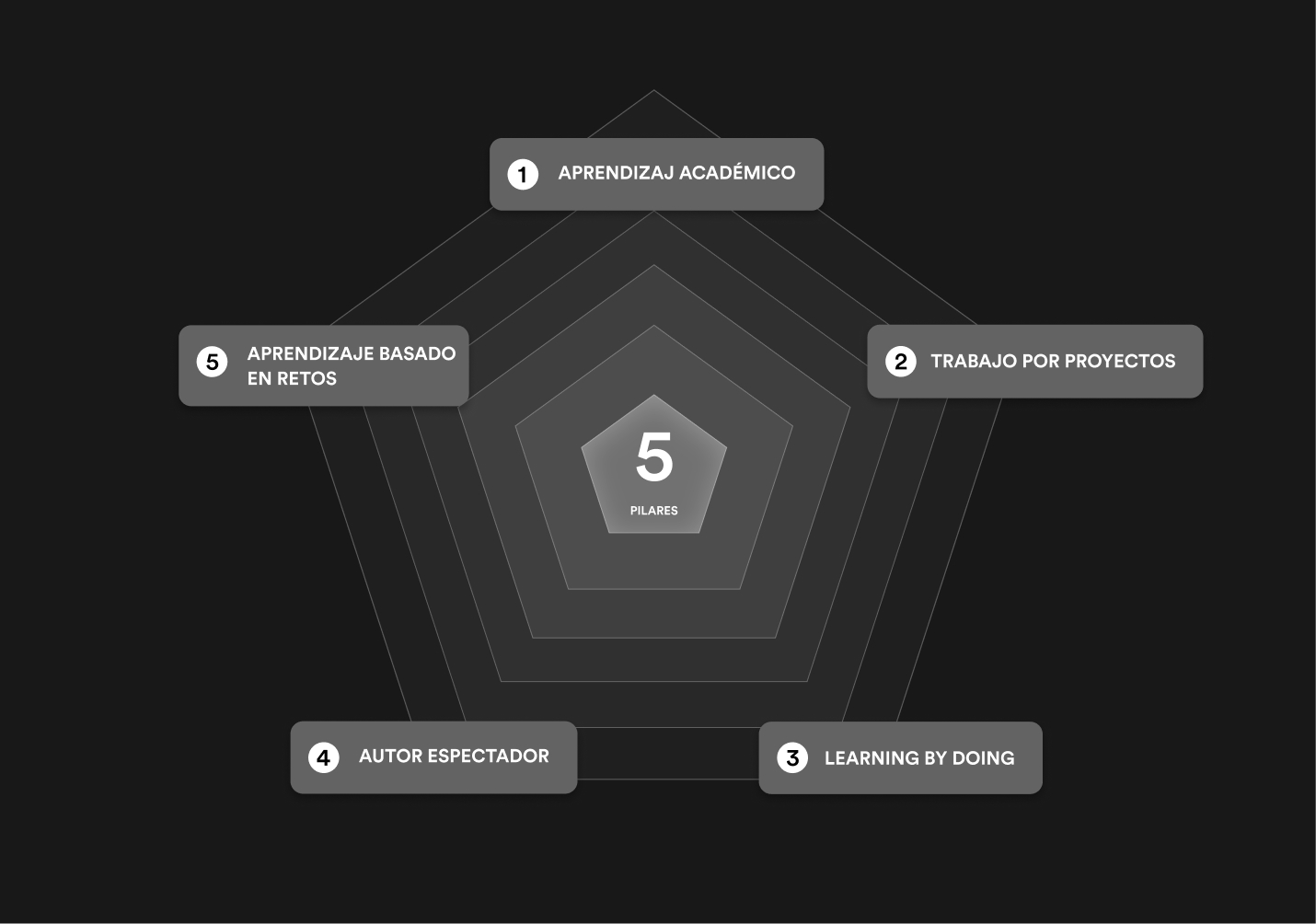
Academic learning
Our graduates build careers in many areas of the entertainment and communications sectors.
Project-based work
Take part in complete productions from day one, taking on responsibilities and experiencing real-world industry conditions.
Learning by doing
Learn by doing. Use professional equipment from your first year and develop your technical and creative judgement through trial and error.
The filmmaker as audience
Share your projects with the group and engage with the audience’s perspective. Filmmakers who only listen to themselves keep repeating their own limitations.
Challenge-based learning
Explore each discipline from the inside through eight-week practical cycles. Tackle specific situations before choosing your final specialisation.
Teaching staff
-
Yago Alcover
-
Graduate in Film and Audiovisual Media from ESCAC (2007), specialising in documentary. Since 2019, a member of the creative film collective CraterLab. He has contributed to the magazines Contrapicado, Mondo Sonoro and Rockdelux. As a musician and editor, he has released more than ten works in Spain, France and the Netherlands. He is the author of the documentary pieces Loop Film and Si a el menos recuerdo el olor a tú ceniza.
-
-
Jordi Bransuela
-
Graduate in Film and Audiovisual Media from ESCAC (1998). Cinematographer for Hijo de Caín (Jesús Monllaó, 2012), La rosa de fuego (Manel Huerga, 2012) and numerous projects shot in 3D. Colourist for the TV series Merlí and the feature films La corona partida (Jordi Frades, 2016) and La vida libre (Marc Recha, 2017).
-
-
Christian Checa
-
Graduate in Film and Audiovisual Studies from ESCAC (2006); degree in Philosophy from UB (2009); Master’s in Contemporary Film and Audiovisual Studies from UPF (2009); and PhD in Social Communication from UPF (2016). Lecturer in Film Studies Y and Thought and Creation on the Film degree. Author of the book No trespassing. De los cuerpos del cine a la conspiración contemporánea.
-
-
Geoffrey Cowper
-
Graduate in Film and Audiovisual Media from ESCAC, specialising in directing. Director of the feature films Tercero grado (2015) and Books & Drinks (2024). Director of an episode of the TV series Berlin (2023), as well as numerous music videos and commercials.
-
-
Jaume Duran
-
PhD in Audiovisual Communication, with a thesis entitled Narrativa audiovisual y cine de animación por ordenador. Los largometrajes de Mear Animation Studios; degree in Philology; degree in Linguistics; DEA in Art History. Film lecturer at UB, URL, ENTI and ESCAC. Author of La muerte en el cine. 50 películas sobre el deceso.
-
-
Virginia García de Pino
-
Degree in Fine Arts and a Master’s in Creative Documentary from UAB. Lecturer at ESCAC and UAB. Film director and visual artist. Among other works, she is the creator of the feature film La 10ª carta (2014) and the short film Improvisaciones de una ardilla (2017), which won the award for best documentary short at the Málaga Film Festival.
-
-
Daniel Jariod
-
Graduate in Film and Audiovisual Studies from ESCAC, specialising in documentary. As a filmmaker, he has directed Imparables (2013), Jazz, What a Wonderful World (2010) and Con música lo escucharías todo mejor (2009). He teaches at ESCAC, ECIB and UB. He has also worked as a programmer for the DocsBarcelona (2007-2019) and Memorimage (2014-2019) festivals.
-
-
Jaume Macià
-
PhD in Pedagogy, with a thesis entitled Modelos estructurales para la escritura de guiones de cortometraje (2014). Degree in Catalan Philology from UB. Director of studies at ESCAC and lecturer in several courses in the screenwriting department since the 1994-95 academic year.
-
-
Joan Marimón Padrosa
-
Graduate in Art History from UB. Film producer and manager of Marimon Padrosa SL (Mar & Mi Producciones). Screenwriter and director. Author of the books El montaje cinematográfico and Diccionario incompleto del guion audiovisual.
-
-
Vanesa Sola
-
Graduate in Art History from the Universitat de València. Graduate in Film and Audiovisual Media from ESCAC, specialising in Cinematography. Cinematographer on the feature film Mí querida cofradía and several short films, advertisements and music videos.
-
-
Gerard Vila
-
Graduate in Film and Audiovisual Studies from ESCAC, specialising in editing. Ópera Prima Master’s degree, specialising in editing. Editor of feature films such as The Girl from the Song (Ibai Abad, 2017) and Y’viene Always Wanted tono Direct (Steve Jacobs, 2020).
-
-
Núria Cancela López
-
PhD in Communication from the Universitat Pompeu Fabra, specialising in film studies, gender studies and star studies, with a thesis on the femme fatale archetype in Spanish cinema during the Franco era.
-
-
Gerard Casau
-
Film critic, programmer and lecturer, with a PhD in Audiovisual Media Aesthetics from the Universitat Pompeu Fabra. Member of the selection committees for the Gijón and Sitges film festivals.
-
-
Fèlix Colomer Vallès
-
Filmmaker and documentarian, graduate of ESCAC. His documentaries include Sasha, Shootball, Vitals and Fugir; his work has been screened at international festivals and on platforms such as HBO.
-
-
Samantha da Silva Diefenthaeler
-
Researcher specialising in the representation of women in film history. She holds a PhD in Communication from the Universitat Pompeu Fabra and is a postdoctoral researcher with the CINEMA group. Her work focuses on gender studies, comedy and female archetypes in cinema.
-
-
Andrés Duque Bernal
-
Spanish-Venezuelan filmmaker based in Barcelona, recognised for work on the fringes of non-fiction, with a strong documentary and essayistic character. His works include Iván Z, Color perro que huye and Oleg y las raras artes; his filmography has been screened and awarded at international festivals and leading cultural centres.
-
-
Josep Lambies
-
Cultural journalist, film critic and PhD in Communication from the Universitat Pompeu Fabra. His research focuses on film studies, especially iconology, visual motifs, the study of gesture and star studies, with contributions published in journals such as Feminist Media Studies and L’Atalante.
-
-
Vanesa Sola Galera
-
Cinematographer, graduate in Art History from the Universitat de València and graduate in Filmmaking from ESCAC. She has worked as cinematographer on films such as Mi querida cofradía and Los buenos modales, selected for festivals such as Málaga and Seminci.
-
-
Paco Ruiz Giménez
-
Film director and screenwriter specialising in fiction and documentary. Graduate in Filmmaking from ESCAC, he has made short films such as Insidia, Silente and María, the latter nominated at more than 20 festivals and a candidate for the Goya Awards.
-
-
Carlos Alonso Ojea
-
Director and screenwriter specialising in horror, thriller and true crime. He has directed feature films and shorts such as Killer Book Club and Los inocentes, as well as works that have won awards at festivals.
-
-
Hammudi al‑Rahmoun Font
-
Director and screenwriter, graduate of ESCAC. He made his debut with Otel·lo, a film recognised at international festivals and awarded the Pepón Coromina Award. He has also directed episodes of series such as Cites, El Chapo, Tijuana and Mariachis.
-
-
Final Degree Project - FDP
The Final Degree Project is a fourth-year course that can be completed individually or as a group.
The institution has a FDP Committee whose members are appointed by the Centre Board and which has the following responsibilities:
- Prepare the FDP course plan.
- Determine the conditions under which FDP projects must be carried out: equipment, schedule, funding and other aspects relating to their production.
- Approve the project dossiers submitted by students.
- Assign each student the role of team leader on one of the approved projects.
- Assign a supervisor to each student enrolled in the course.
- Plan and schedule the arrangements for the public defence of the FDP.
- Carry out any other duties assigned by the Centre Board.
-
Group FDP
-
The group FDP involves creating an audiovisual work, generally a short film, by groups of students, with each member taking responsibility as head of the department corresponding to their chosen specialisation: Screenwriting, Production, Directing, Production Design / Art Direction, Cinematography, Editing and Sound Design.
FDP projects are complete audiovisual works developed through every stage: pre-production, production and post-production. To make them, students have access to the institution’s equipment and facilities, as well as a dedicated budget and support from ESCAC Films, the school’s production company, which supervises and individually mentors each student’s work in their specialisation.
The course concludes with a public screening of the Final Degree Projects in a cinema. ESCAC’s FDP projects have a long track record and, over the years, have earned widespread recognition from both audiences and specialist critics. They have featured in some of the most prestigious national and international festivals and have received more than 500 awards.
-
-
Individual FDP
-
The individual Final Degree Project consists of a research project, study or report that brings together the training acquired throughout the degree. Under the supervision of a tutor, the student applies the knowledge, skills and competencies developed during their studies.
The project can be submitted in one of two formats:
1) A written paper on one of the subjects in the programme;
2) An audiovisual piece related to one of the degree subjects, accompanied by a written report.Final Degree Project proposals submitted by students will be assessed by the Final Degree Project Committee. Once accepted, the Committee will assign each student a tutor. The tutor is responsible for guiding and supervising the project. The tutor’s initial task will be to help the student define a project proposal, which must be approved by the Final Degree Project Committee.
The tutor will then provide guidance and supervision on:
- Defining the topic and setting the objectives.
- Preparing the work plan.
- Guidance on research materials and methodology.
- Monitoring the progress of the project.
- Drawing conclusions.
- Providing guidance on the project defence.
- Assessing the process and the results obtained.
- The assessment system is part of the course syllabus.
- The Final Degree Project Committee is responsible for:
- Determining the schedule and submission procedure for the projects.
- Determining the conditions for the defence, which must be public and oral.
- Appointing the panels that will assess the projects. Each panel will consist of three faculty members, one of whom may be the project tutor.
-
Student projects
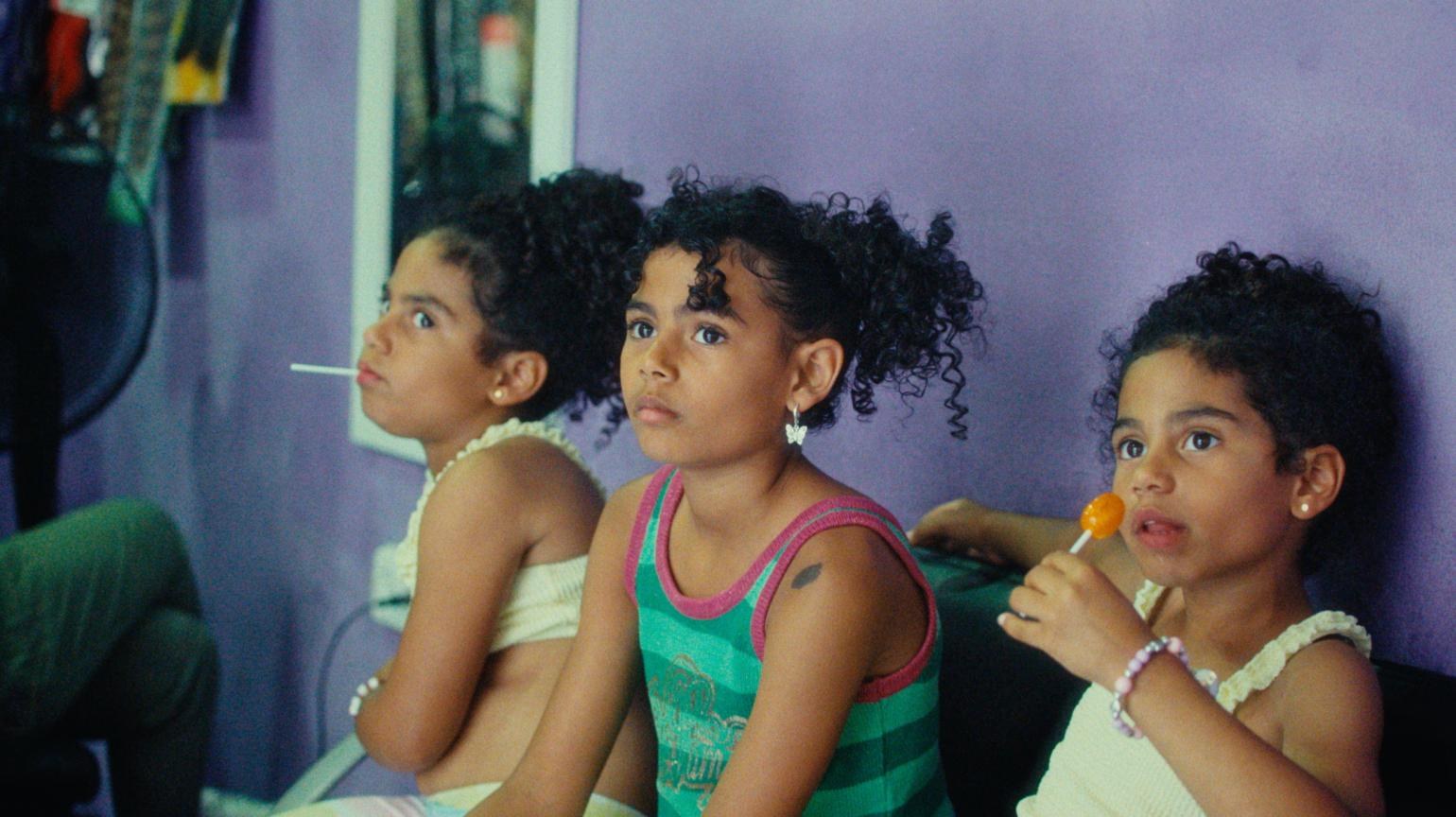
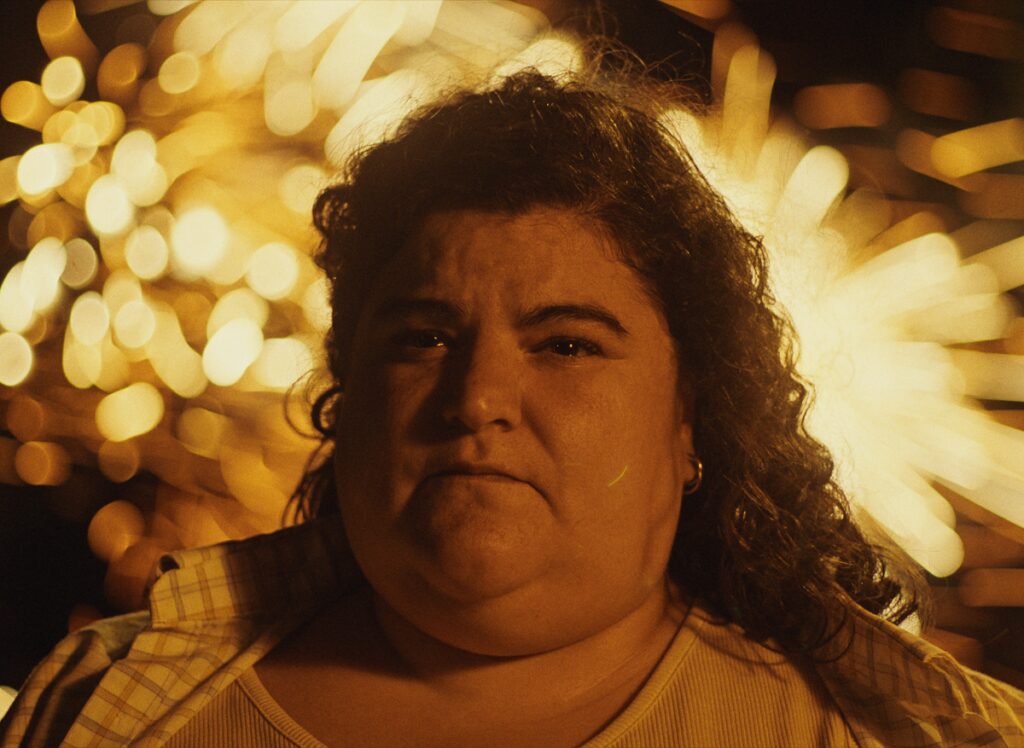
Curasana:
Authorship pending (REVISAR)
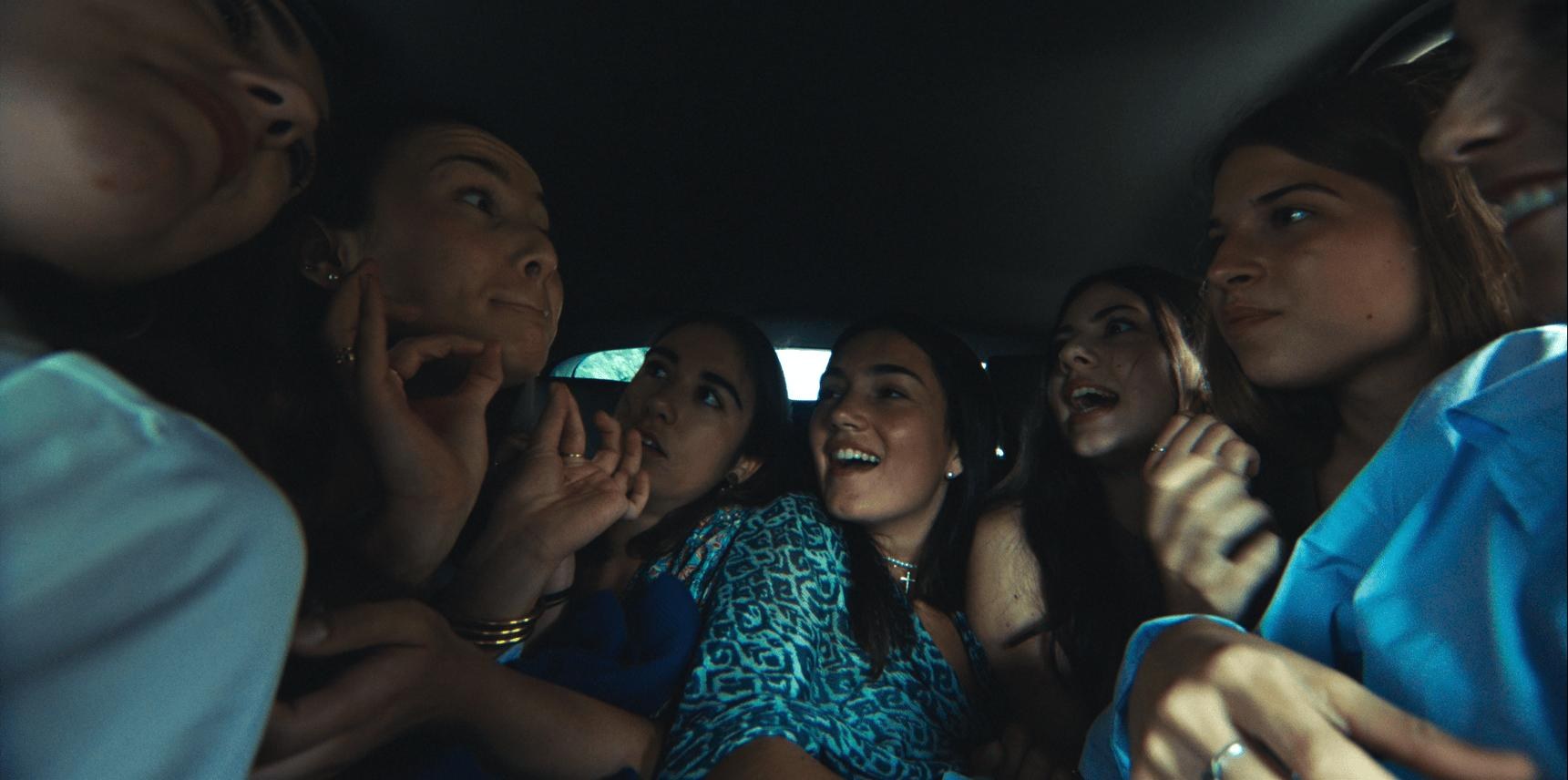
Gamberra:
Authorship pending (REVIEW)
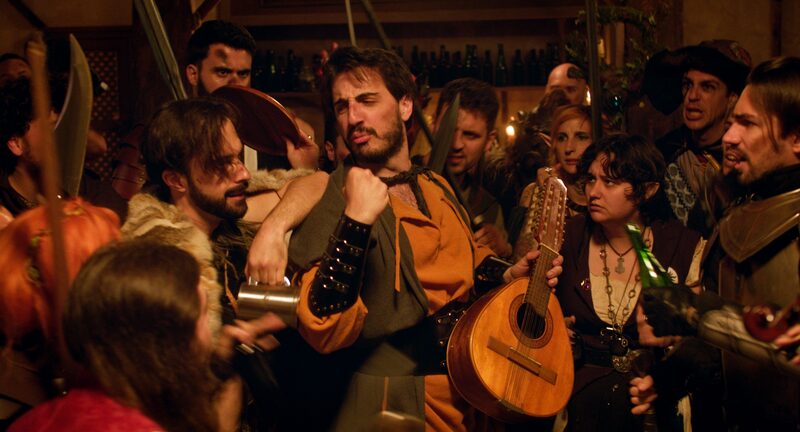
For Being a Witch and a Poisoner:
Authorship pending (REVISAR)
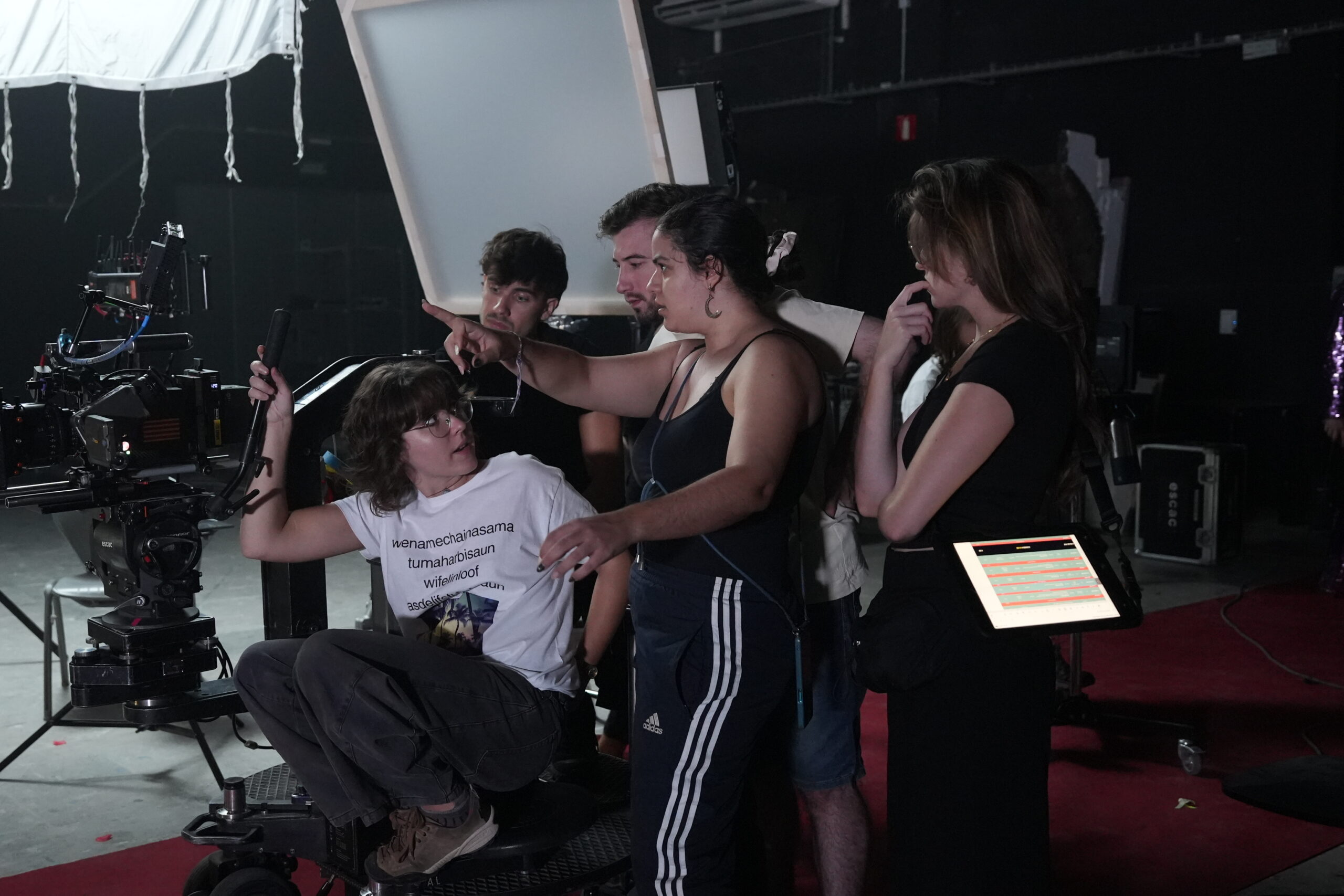
Therapies and Dungeons:
Authorship pending (REVIEW)
Industry Internships
The industry internships are professional placements at companies and public institutions that students undertake as part of their university studies.
Students carry out tasks related to their studies at companies in the audiovisual sector, mainly audiovisual production companies with which the school has collaboration agreements.
The school has a work placement coordinator who reviews and updates the agreements, brings new organisations on board, monitors the placement projects at each organisation and gathers the school’s assessment.
ESCAC has collaboration agreements with leading companies in the audiovisual sector, ensuring a wide range of placement opportunities and a direct link with the professional world. These agreements enable students to gain experience in real work environments and establish their first connections with the audiovisual industry.
Career opportunities
The Official Degree prepares students to join any department of a professional audiovisual production straight away, whether in film, television, streaming platforms or advertising.
A broad-based, practical education that lets you see how a production works from the inside, discover your strengths and specialise in the area where you want to build your career.
Our graduates pursue careers in many areas of the entertainment and communications sectors:
- Film and television production companies.
- Streaming and VOD platforms.
- Advertising agencies and branded content production companies.
- Post-production and visual effects studios.
- Film festivals and audiovisual distribution.
Direction and Screenwriting
- Director
- Screenwriter
- Assistant director
- Script supervisor
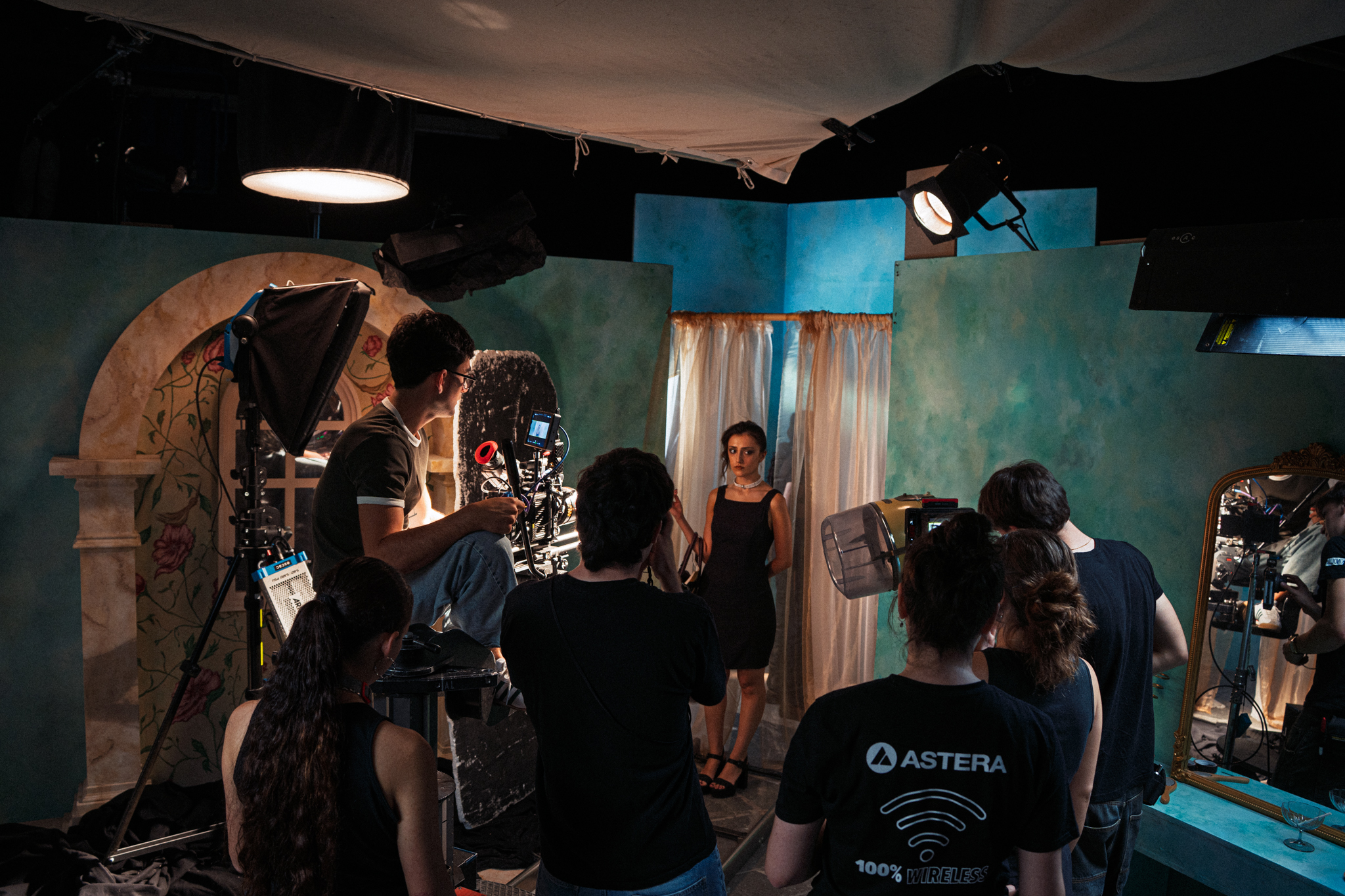
Cinematography and Art
- Director of photography
- Camera operator
- Art director
- Set design, costume and props
Production and post-production
- Audiovisual production
- Editor
- Audiovisual post-production
- Production sound, sound design and sound post-production
Basic information
Qualification
Graduate in Filmmaking
Field of knowledge
Arts and humanities
Head of studies
Jaume Macià
Start date
September 2027
Language
Classes are taught in Catalan, although ESCAC reserves the right to teach some of them in Spanish or English if requested by the teaching staff.
Credits
240 ECTS (60 per year)
Price per credit
17,69 € (academic year 2026-2027) TBC
Available Places
110
Area
Cultural industries: design, animation, cinematography and audiovisual production
Coordinators
Albert Aynés, Dalal Battikh, Tere Zuluaga
Schedule
Full-time: 10h-14h and 15h-19h.
Availability for filming and placements on some weekends will also be required.
Format
In person*
(*) In the event of extraordinary circumstances during the academic year, streaming content may be included.
Price per academic year
14.175€
(*) The tuition fee may be updated annually in line with changes in training costs and with the aim of maintaining the quality of teaching.