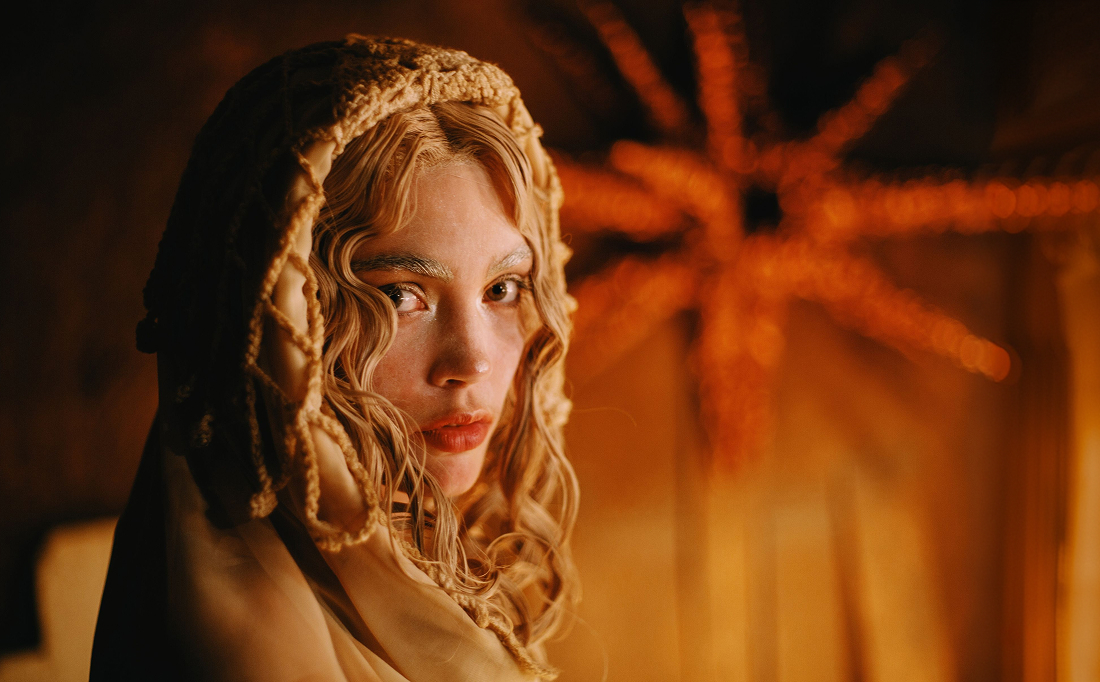
Author-spectator
No one grows alone. A filmmaker who listens only to themselves is doomed to repeat their own limitations.
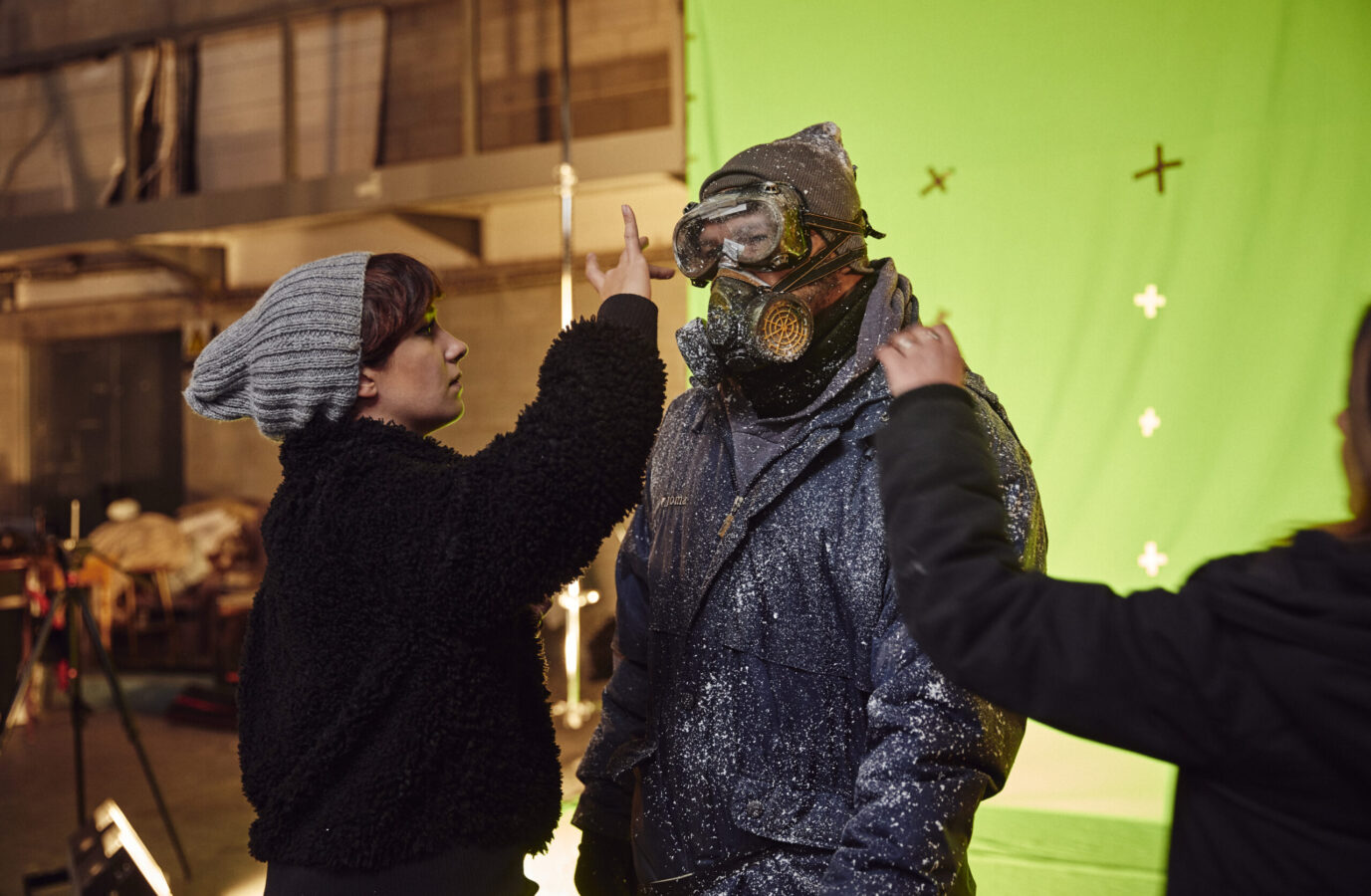
Present, defend and listen.

The audience completes your work.
You’ll learn that a project doesn’t end when its creator considers it finished; it ends when the audience completes it through their own perspective. Understanding that perspective—knowing how to anticipate it, engage with it or, at times, deliberately challenge it—is as technical a skill as knowing how to light a scene.
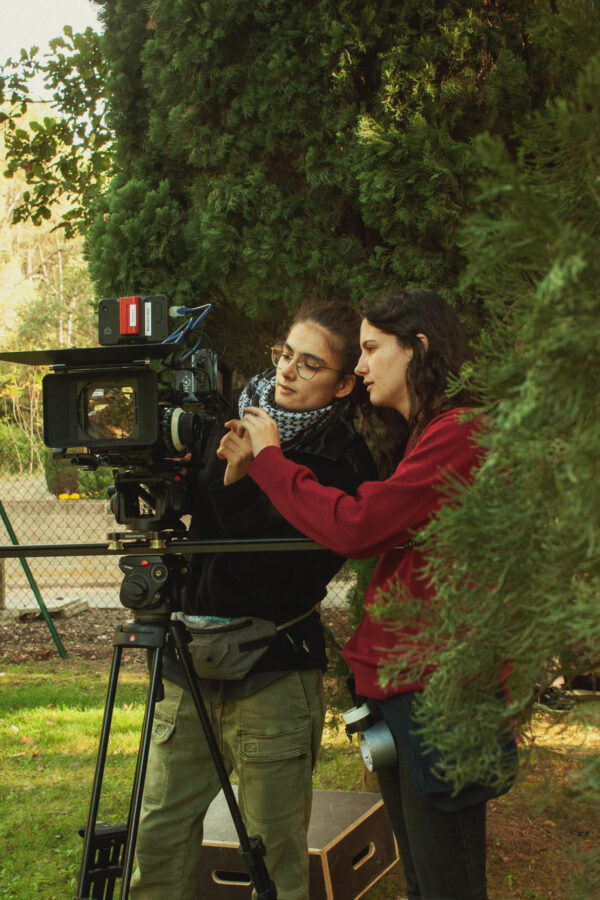
Grow through paying attention to and
being curious about your peers.
You can’t get anywhere alone. Those who learn to analyse what their peers do, and let others dissect their own work, grow in a way no theoretical manual can teach. This is what creates not only better projects, but better professionals.
How will this pillar contribute to your development?
You’ll overcome your fear of criticism.
You’ll stop hiding your projects on your hard drive until they’re “perfect”. Here, you’ll get used to screening your practical exercises in front of dozens of peers, justifying your directing decisions in public and taking the knocks when a sequence doesn’t work. The emotional and professional resilience you’ll develop is vital to surviving in an industry where your work will always be judged.
You’ll develop a keen eye.
Watching and analysing your peers’ mistakes and successes will teach you as much as, or more than, shooting your own short films. You’ll learn to dissect other people’s work constructively, articulating exactly why a scene loses pace or why a character doesn’t feel believable. This constant, rigorous analysis will refine your own storytelling judgement so you don’t make the same mistakes on set.
You’ll master the audience’s
mind.
You’ll finally understand that directing isn’t a monologue you deliver to the screen; it’s a dialogue with the person sitting in the audience. Learning to anticipate what the audience will feel, how they’ll react to a plot twist or how to guide their attention during a long take will become another technical tool in your arsenal, as precise and calculated as knowing where to place the camera or how to mix the soundtrack.