Qualification
Institution-specific Postgraduate Programme in Cinematography
Postgraduate Programme in Cinematography
Learn how to work with cameras, lenses and lighting on a professional shoot. Learn the craft from working cinematographers, on set, on location, on 16 mm and with ARRI Alexa. Understand how a professional should work as part of a camera and lighting team, and what it takes to become a cinematographer.
The postgraduate programme teaches the skills needed to work on a professional shoot, primarily as a cinematographer, but also in any role on the camera and lighting teams: assistant, trainee, gaffer or electrician.
The course begins with camera and lighting boot camps led by working professionals, alongside classes on cameras, exposure, lenses, the properties of light, audiovisual storytelling and visual style. From there, the focus shifts to practical work.
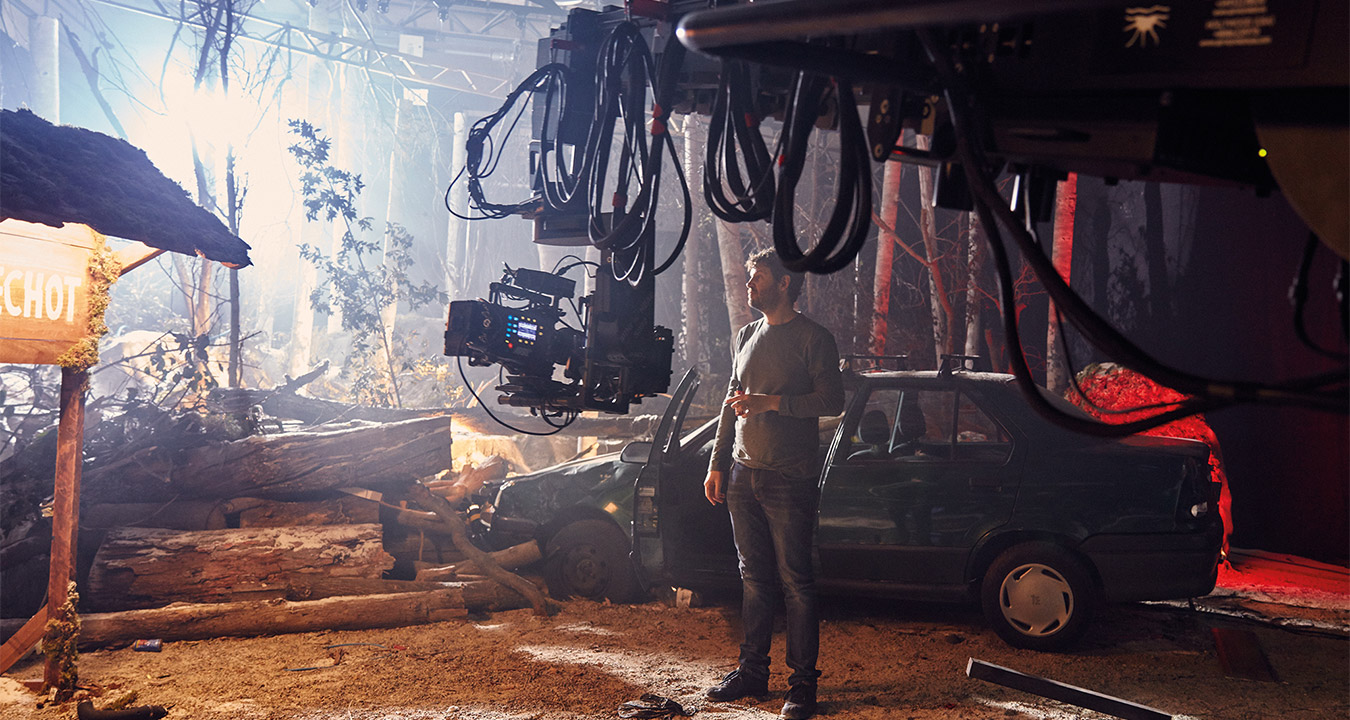
Each week, a different cinematographer leads practical sessions in the studio, on location and in the school’s natural interior locations. Students rotate through all the camera and lighting roles, with particular attention to the cinematographer’s role, and shoot their own projects in groups of six outside class hours. The exercises are edited, colour graded and analysed in screenings on the big screen.
The course includes a 16 mm filming and manual developing workshop, training in ARRI Alexa and an introduction to colour correction in DaVinci Resolve. It ends with two shoots on ARRI Alexa: a tableau vivant workshop and a joint shoot with the Postgraduate Programme in Directing.
It is also a good foundation for preparing to apply for ESCAC’s Master’s Degree in Cinematography.
This programme is aimed at graduates and students of Audiovisual Communication or film, photographers looking to move into video, filmmakers without formal training, and anyone interested in cinematography who does not yet have the experience or knowledge to work in the field.
By the end of the postgraduate programme, students will be able to develop the cinematography for a project from script to shoot and work confidently in any role on the camera and lighting teams.
Develop creative, expressive and storytelling techniques to find a distinctive voice in image-making.
Understand the fundamentals of the storytelling language used by a cinematographer.
Train the eye by analysing cinematic and artistic references, and create a working dossier based on them.
Understand the role of colour palette, texture, the volume of light and contrast in an image.
Understand and operate any analogue or digital camera, and understand image capture using a sensor and film.
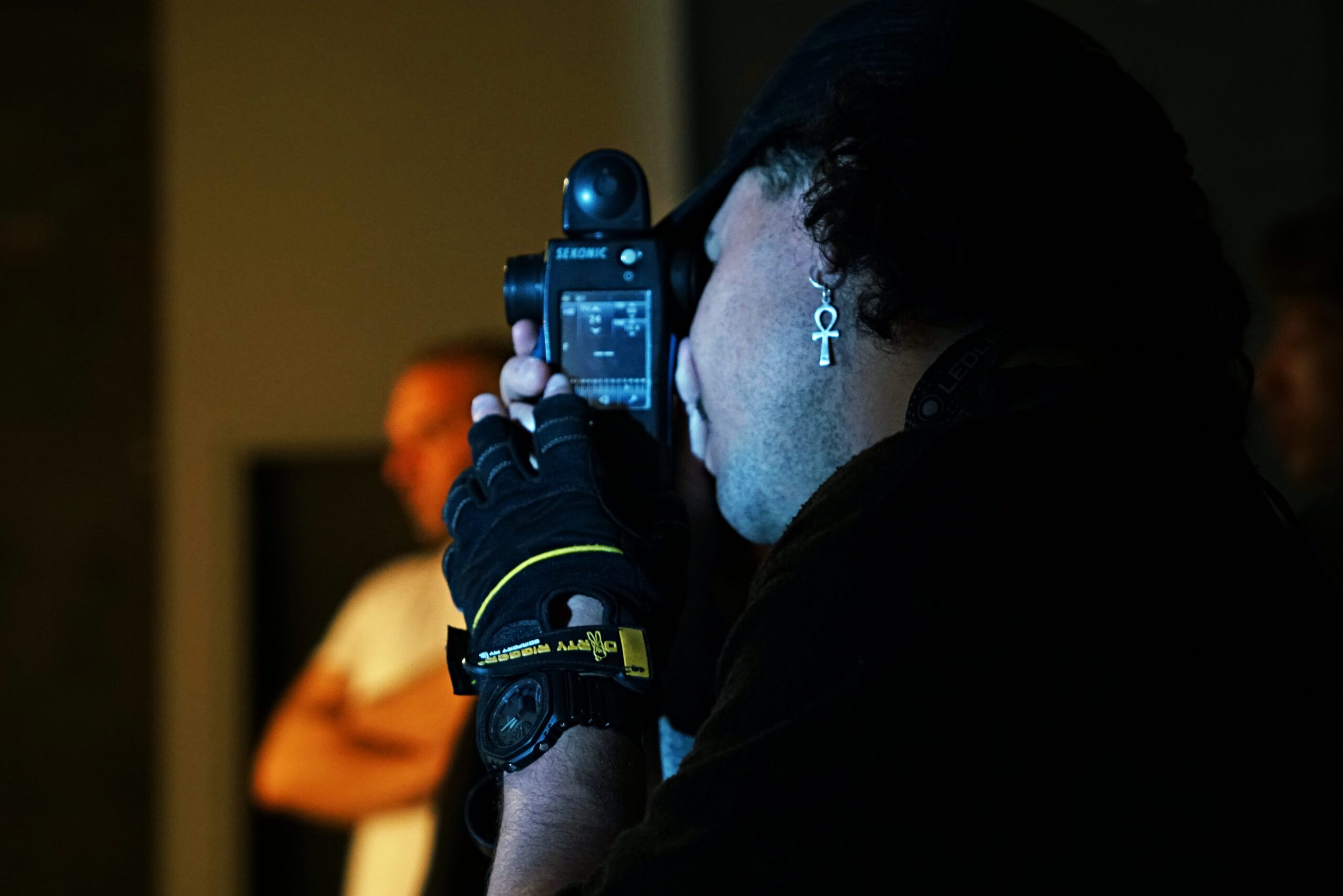
Correctly expose a digital or film camera using a light meter and digital measuring tools.
Master image formation with cinema lenses, optical accessories and filters.
Understand the properties of light, the different families of lighting fixtures and the essentials of colourimetry.
Get started with non-linear editing and colour correction in DaVinci Resolve.
Prepare breakdowns, equipment lists, lighting plans and schedules.
Calculate the position of the sun and understand the narrative possibilities of a space.
Plan the lighting of a set using one, two or three sources: direct, bounced or diffused light; direction, texture, contrast and colour.
Develop the cinematography for a project from the script stage through to the shoot and staging.
Work as part of a team and understand the hierarchy of camera and lighting teams.
Communicate visual ideas and reach agreements with the team.
Understand how the audiovisual industry works in order to join it after completing the course.
Work confidently in the different camera and lighting roles: assistant, trainee, gaffer and electrician.
Prepare for the selection test for ESCAC’s Master’s programme in Cinematography.
The postgraduate programme offers specialised training in cinematography, preparing professionals to develop their careers in the audiovisual and entertainment industry in areas such as:
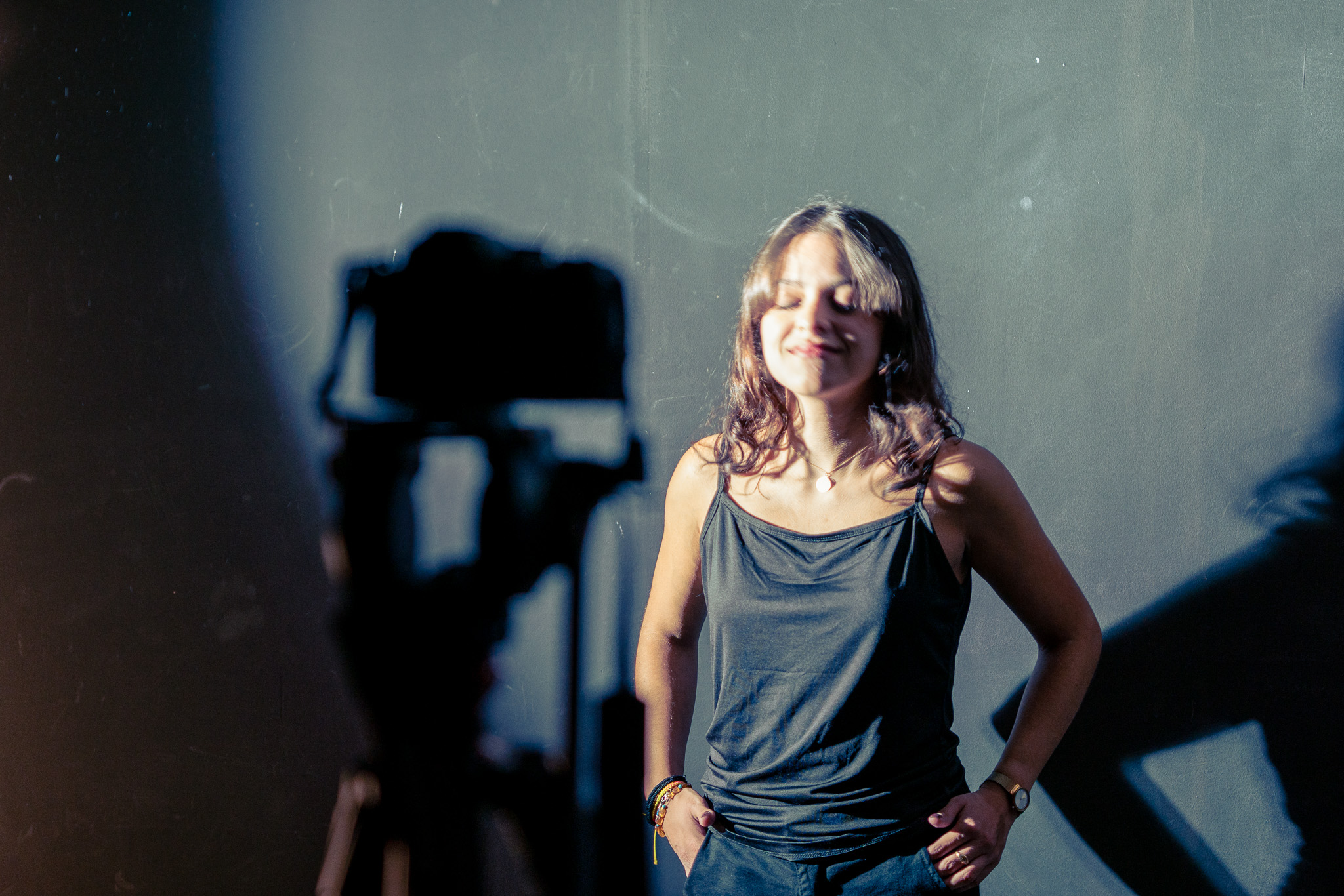

Camera and lighting training bootcamps
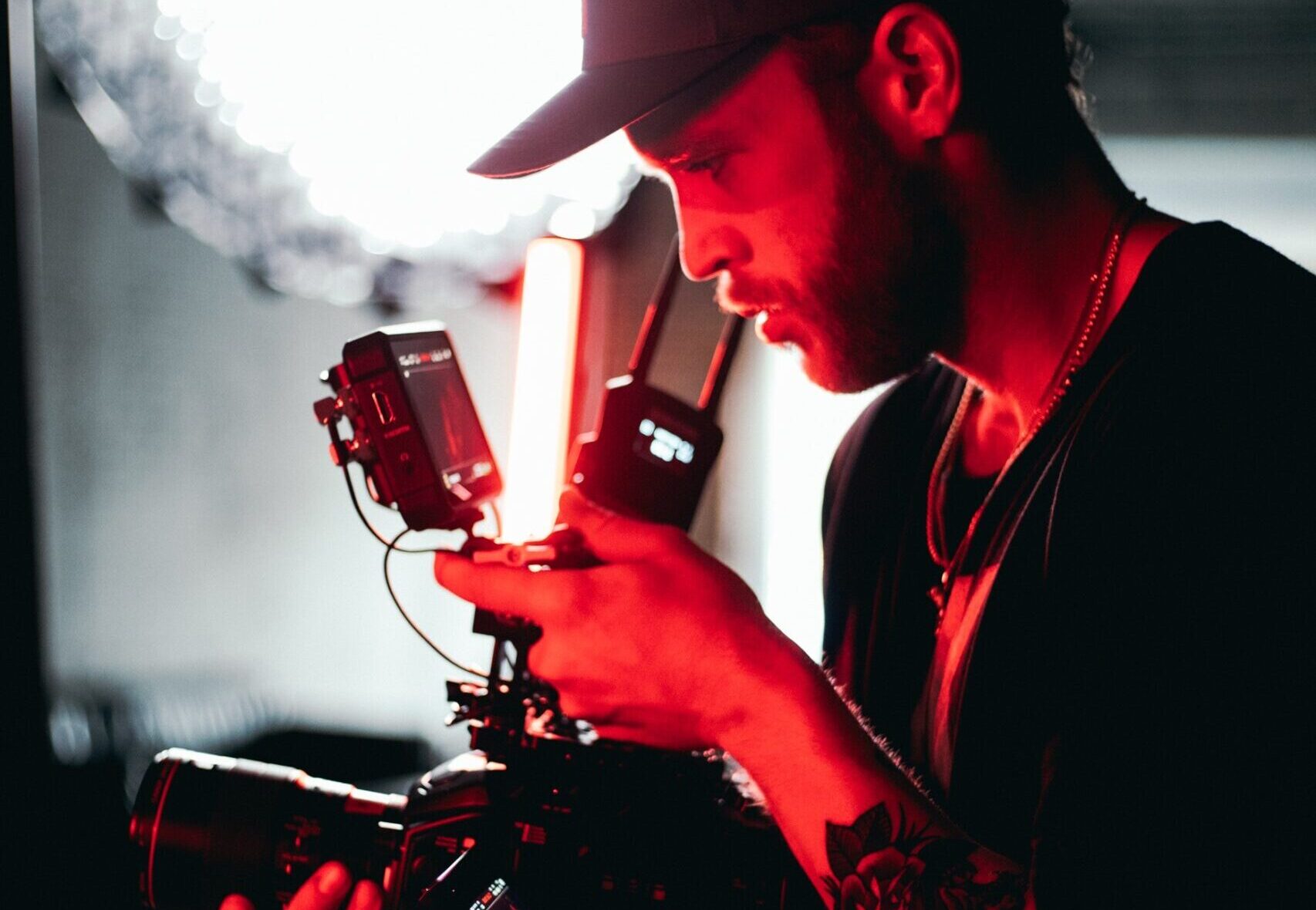
At the beginning of the course, students receive practical training from active camera and lighting professionals on how the technical equipment they will use throughout the course works. They learn the basic guidelines for handling and setting up lights on a film set, as well as setting up and operating Sony FX3 and Sony FX6 digital cameras and the ARRI SR3 16 mm camera. Students must master this equipment to be fully prepared for all the workshops and practical sessions in the following weeks. The bootcamps conclude with visits to camera and lighting rental houses.
The cinematographer’s craft
The role of the cinematographer in a film crew: responsibilities, relationships with other departments, tasks during pre-production, production and post-production, differences between fiction, advertising and television, and the creative process from script to screen.
Audiovisual storytelling
Foundations of the cinematographer’s narrative language, with theoretical and practical exercises: lighting and camera plans, scene breakdowns, planning, camera movement, optical language, aspect ratios and lighting continuity.
Visual style
Analysis of cinematic and artistic references: the influence of painting, visual styles and film movements, key cinematographers, colour palette, texture, the volume of light and contrast. Creation of a reference dossier.
The camera: features and operation
Components of an analogue or digital camera and their functions: image capture with a sensor and with film, negative and sensor sizes, shutter and frame rate, resolution, colour temperature, ISO and gain, colour depth, linear and Log curves, and colour gamuts.
Image capture
How to expose a digital or film camera correctly: exposure using linear and Log curves, false colour, zebras and histograms, light-meter readings, middle grey, latitude and dynamic range, RAW versus packaged files, codecs and colour subsampling.
Image formation with lenses
Image formation with cinema lenses: lens components, focusing, differences from photographic lenses, f- and T-stops, lens families, depth of field and its measurement, the relationship between sensor and focal length, and filters.
The properties of light
Fundamental properties of light and types of lighting equipment: the inverse-square law, hard and soft light, direct, filtered and bounced light, native and correlated colour temperature, the visible spectrum and applied colourimetry.
Introduction to colour correction
DaVinci Resolve workflow: native and editing files, transcoding, working with RAW, ingest and synchronisation, proxies and conforming, EDL, XML and AAF, mastering and exporting.
Workshops and external shoots
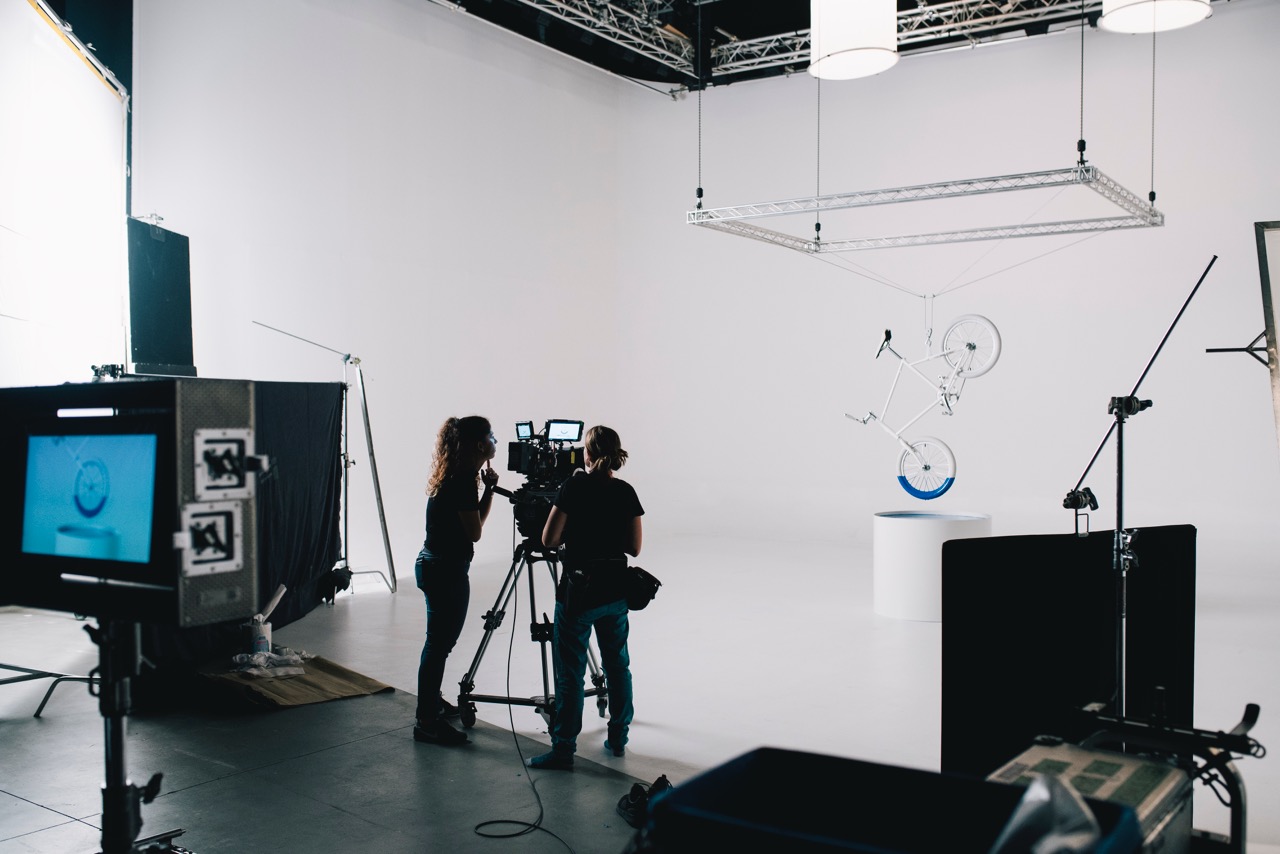
The course’s central module. Two workshop days each week on a soundstage, shoots outdoors and in real-world interior locations, and group shoots at weekends, with a different cinematographer each week. Students rotate through all camera and lighting roles.
Screenings
A group analysis of each student’s practical work, which the students edit and colour-grade themselves at the school. The work is screened on a large screen using a calibrated projector.
Filming and hand-processing 16 mm film
An introduction to filming and hand-processing black-and-white 16 mm film: emulsion types, negative and reversal processing, shooting with a Bolex camera, and preparing chemicals. The block includes training on ARRI Alexa and visits to rental houses.
ARRI Alexa bootcamp
Specialised training in operating the ARRI Alexa camera, which will be used for all the final shoots.
Tableau vivant workshop
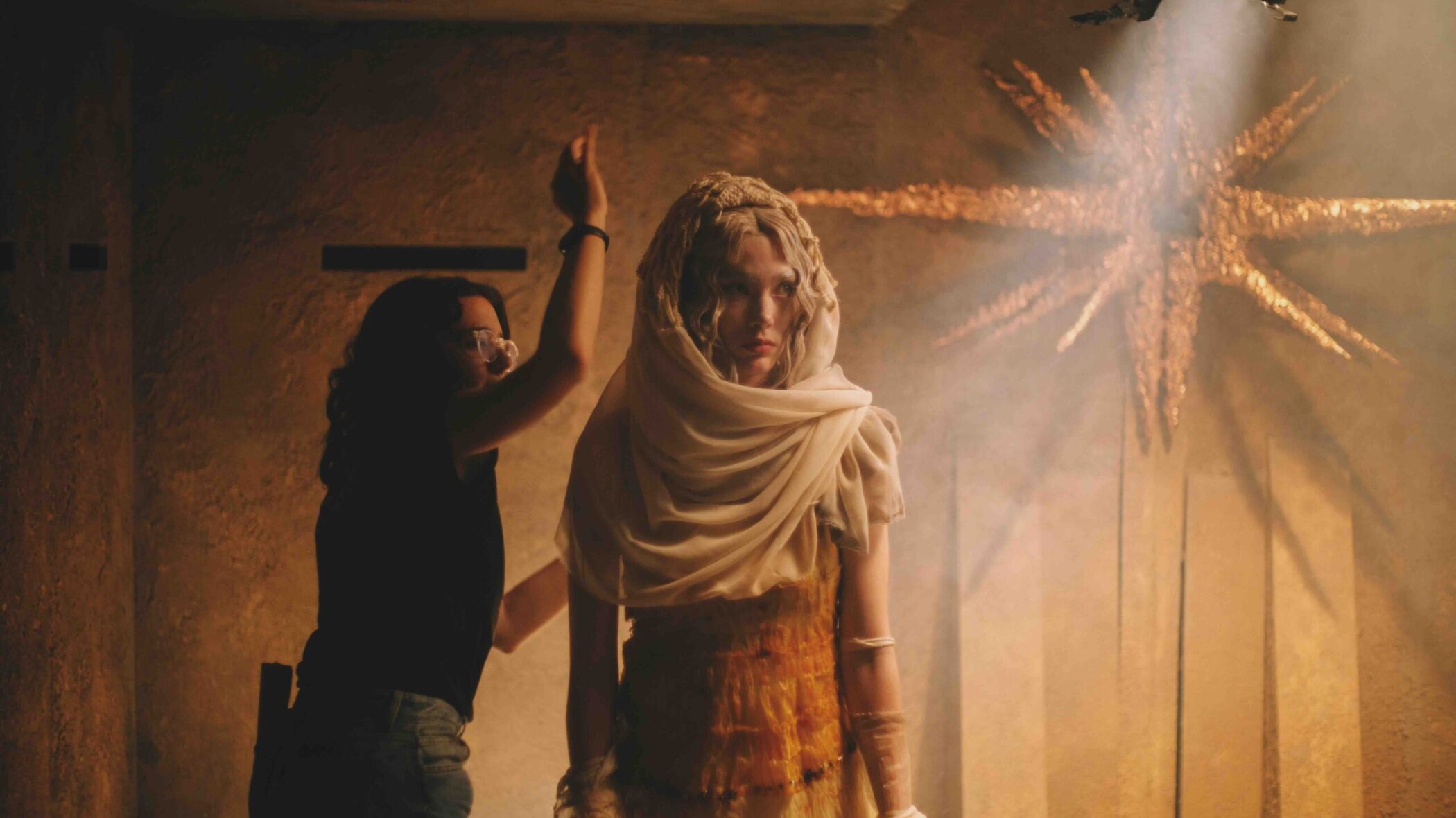
Groups of eight students shoot eight tableaux vivants over eight days using ARRI Alexa. Each student directs the cinematography for one and takes on the other camera and lighting roles for the rest.
Final shoot with the Postgraduate Programme in Directing
A joint practical project with the Postgraduate Programme in Directing, shot using ARRI Alexa. Each student co-directs the cinematography for a project using scripts provided by the teaching staff. The projects are screened at the end of the course.
There are two pathways into postgraduate training in Cinematography at ESCAC: the Master’s degree and the postgraduate programme. The two programmes complement one another while remaining independent, and can be taken separately; there is no obligation to complete both.
Only those who cannot enter the Master’s in Cinematography directly need to complete the postgraduate programme in Cinematography first. Students may also choose to take only the Master’s or only the postgraduate programme, depending on their training needs.
The postgraduate programme follows a learning-by-doing approach: students learn by shooting alongside working professionals. The theory classes are preceded by camera and lighting bootcamps, where students learn to operate the equipment. Each week, a different cinematographer leads practical sessions on the soundstage, outdoors and in the school’s natural interiors. Students rotate through all camera and lighting roles and shoot their own projects in groups of six: they submit a project report, which is reviewed in class, and, once approved, they borrow a complete camera and lighting kit. Individual and group tutorials are held, and the practical work is analysed in screenings on a large screen.
Classes to learn how to operate camera, lighting and 16 mm equipment.
Practical classes with a specific production objective, held in a classroom or on a soundstage, where students apply what they have learned using specific cameras and software.
One- or two-day sessions with renowned professionals, who share their experience in conversation with students.
Filming in groups of six, during and outside scheduled hours, without direct supervision. The group submits a report, which is reviewed in class; once approved, the group is issued a complete camera and lighting kit.
To obtain the qualification, students must attend at least 80 % of classes.
The teaching staff includes working professionals from the film and advertising industries alongside ESCAC’s own teaching staff, who support students in their day-to-day practical work. Each week, a different director of photography leads the workshops.
Institution-specific Postgraduate Programme in Cinematography
Jordi Bransuela
Paco Ruiz
18/06/2027
Spanish
30 ECTS
€8.700 before 1/09/2026
24
Jordi Bransuela
01/03/2027
Monday to Friday, 10h to 14h, with two workshop days featuring morning and afternoon classes. Some occasional practical exercises are filmed at weekends.
In person
9.700€
ESCAC Terrassa Campus
Registration for the 27-28 academic year opens: 2 November 2026
Applicants must complete the pre-registration form available on this website.
Applicants must provide links to their portfolio, a video pitch (maximum 3 minutes) and their CV.
The Admissions team and academic coordination will review the documents submitted and assess the application.
If deemed necessary, the programme management may conduct an online interview with the applicant as part of the selection process.
Once admission has been confirmed, the applicant may proceed with the reservation of a place and subsequent enrolment, following the instructions provided by ESCAC.