Curasana:
Authorship pending (REVISAR)
Master’s in Photographic Creation and New Audiovisual Formats
Trains visual creators to develop innovative photographic and audiovisual projects, integrating new narratives, technology and artificial intelligence.
The Master in Photographic Creation and New Audiovisual Formats is designed to train visual creators capable of developing authorial projects that engage with contemporary visual languages. Through practical, experimental and multidisciplinary training, students explore the possibilities of photography, moving images, digital narratives, hybrid creative processes and new technological tools applied to visual production.
The programme provides the conceptual, technical and creative knowledge needed to develop an individual voice, create projects with an artistic identity and understand the role of images in contemporary visual culture. Throughout the master’s programme, students work on mentored personal projects, experiment with different formats and delve into research, editing, production and presentation processes.
One of the programme’s main distinguishing features is its commitment to innovation and the exploration of new visual languages, incorporating advanced digital tools and artificial intelligence into the creative process. The training is complemented by the involvement of working professionals and creators, fostering direct contact with current developments in the cultural, artistic and audiovisual sectors.
Upon completing the master’s programme, students will be prepared to develop authorial photographic and audiovisual projects, work in fields related to contemporary visual creation, art direction, cultural production, visual communication and the creative industries, and pursue their own artistic and professional careers.
Visual creators, photographers and professionals in the creative industries who want to develop their own authorial voice, explore new visual languages and broaden their opportunities in the artistic, cultural and audiovisual fields.
Throughout the master’s programme, students will develop the creative technical, and conceptual skills needed to conceive, produce and communicate contemporary visual projects with a distinctive identity.
Develop an individual authorial voice by creating visual projects with a conceptual and aesthetic identity.
Build contemporary visual narratives by combining photography, moving images and new audiovisual formats.
Apply research and experimentation methodologies to generate innovative creative proposals.
Integrate artistic, cultural and visual references into the development of projects with a distinctive voice.
Communicate complex ideas and concepts through visual languages adapted to different contexts and audiences.
Master the tools and processes involved in capturing, editing and producing photographs in professional settings.
Apply moving-image and audiovisual creation techniques to develop multidisciplinary visual projects.
Use advanced digital technologies and artificial intelligence as tools for visual creation and experimentation.
Manage the technical processes involved in production, editing, post-production and presentation of visual projects.
Select and combine media, formats and technical resources according to each project’s creative objectives.
Analyse visual, cultural and artistic references to establish a conceptual foundation for contemporary creative projects.
Design and plan visual projects by defining objectives, methodology, resources and development phases.
Critically evaluate processes and results to improve the quality and coherence of creative proposals.
Integrate research, experimentation and analysis into the development of visual projects with a distinctive voice.
Strategically manage the production and presentation of projects, adapting them to different professional and cultural contexts.
Communicate ideas, processes and visual projects clearly and effectively to professional, artistic and cultural audiences.
Present and defend creative proposals, explaining their conceptual, aesthetic and technical foundations.
Collaborate with professionals from different creative fields in developing multidisciplinary projects.
Take part in critique, review and mentoring processes, using feedback as a tool for improvement.
Adapt communication about visual projects to different exhibition, cultural and professional contexts.
Develop a distinctive creative identity and a critical perspective capable of generating distinctive and relevant visual proposals.
Promote experimentation and innovation as tools for the ongoing evolution of creative practice.
Independently manage complex visual projects, from initial conception through to final presentation.
Adapt to technological changes and new trends in contemporary visual creation.
Develop a reflective attitude and commitment to continuous learning, focused on professional and artistic growth.
It prepares professionals to drive visual projects with a distinctive identity in photography, audiovisual media and contemporary creative practice. It broadens opportunities for professional development in creative studios, cultural institutions, media, publishing, agencies and author-driven projects connected to the creative industries and visual innovation.
Our graduates pursue careers across many areas of the entertainment and communications sector:
Explore critical thinking as a tool for contemporary image-making. Analyse the impact of visual culture, artificial intelligence, contexts of circulation and production models to develop an individual, reflective and well-grounded perspective.
Support the development of the Master’s Final Project through personalised tutorials. Address the project’s conceptual definition, portfolio editing, professional positioning and the creation of a digital presence consistent with the author’s practice.
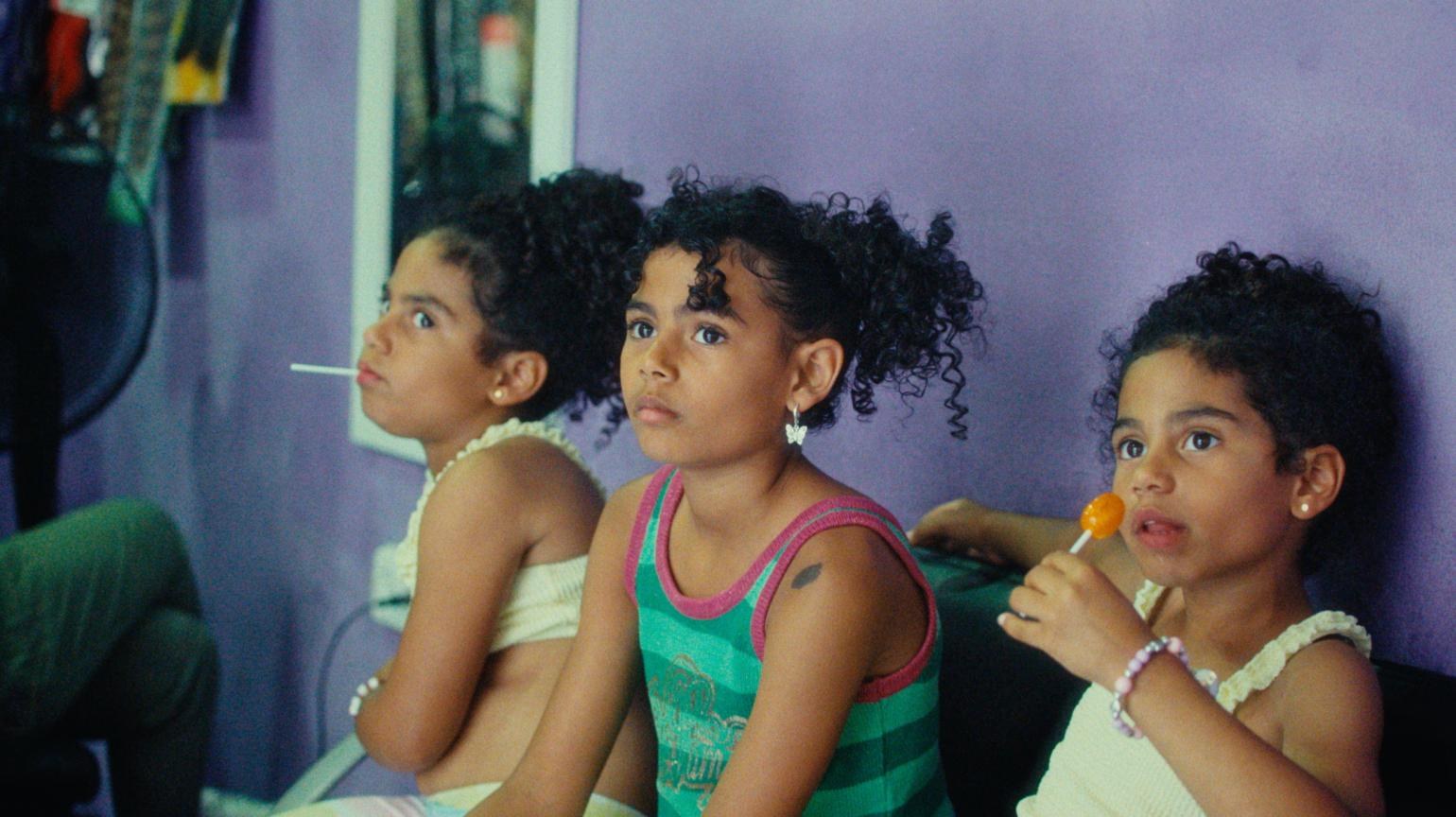
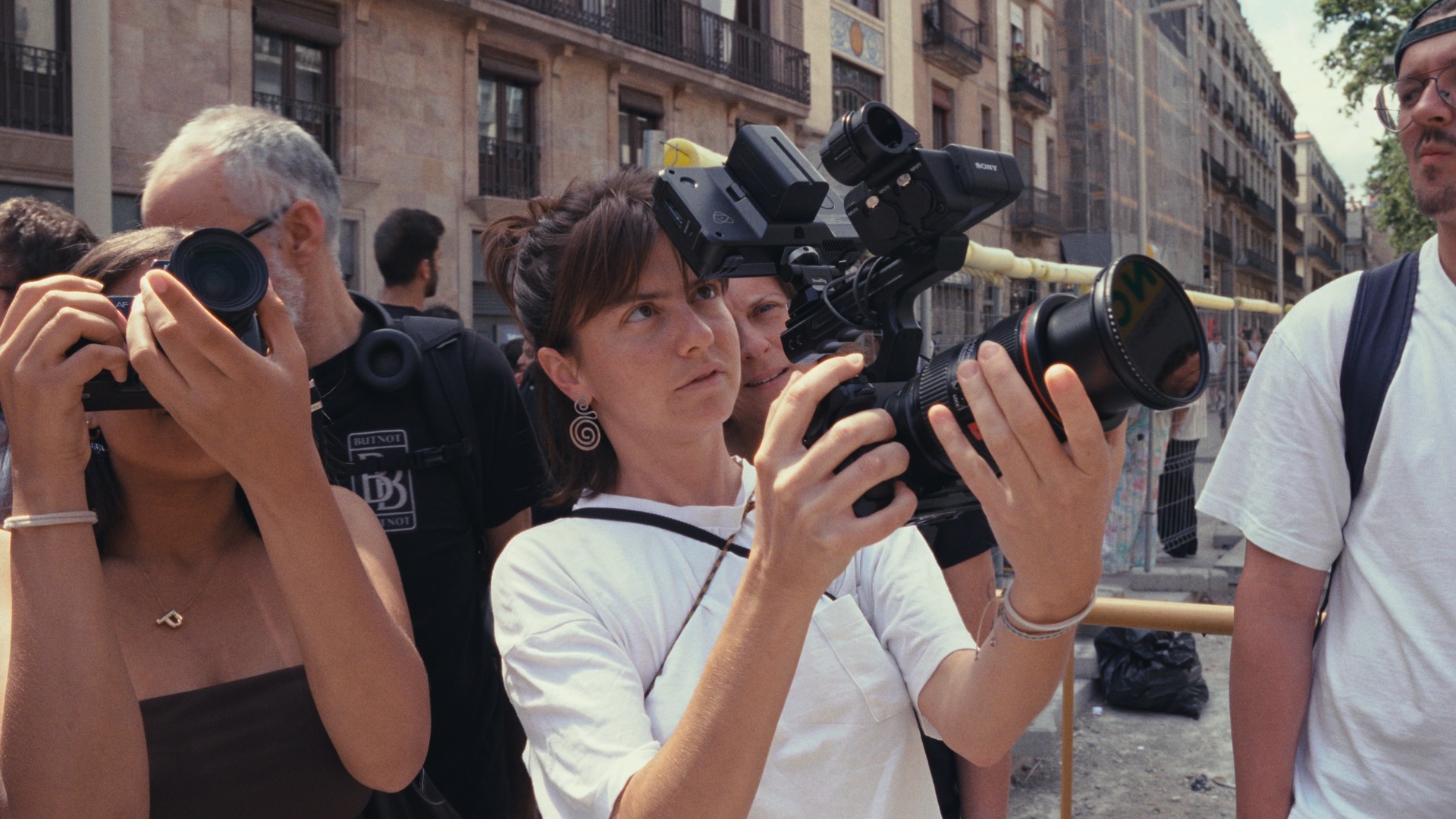
Develop a documentary photography project in public spaces through urban walks, observation and fieldwork. Work on developing an authorial perspective, editing images, narrative sequencing and producing a fanzine as the final outcome.
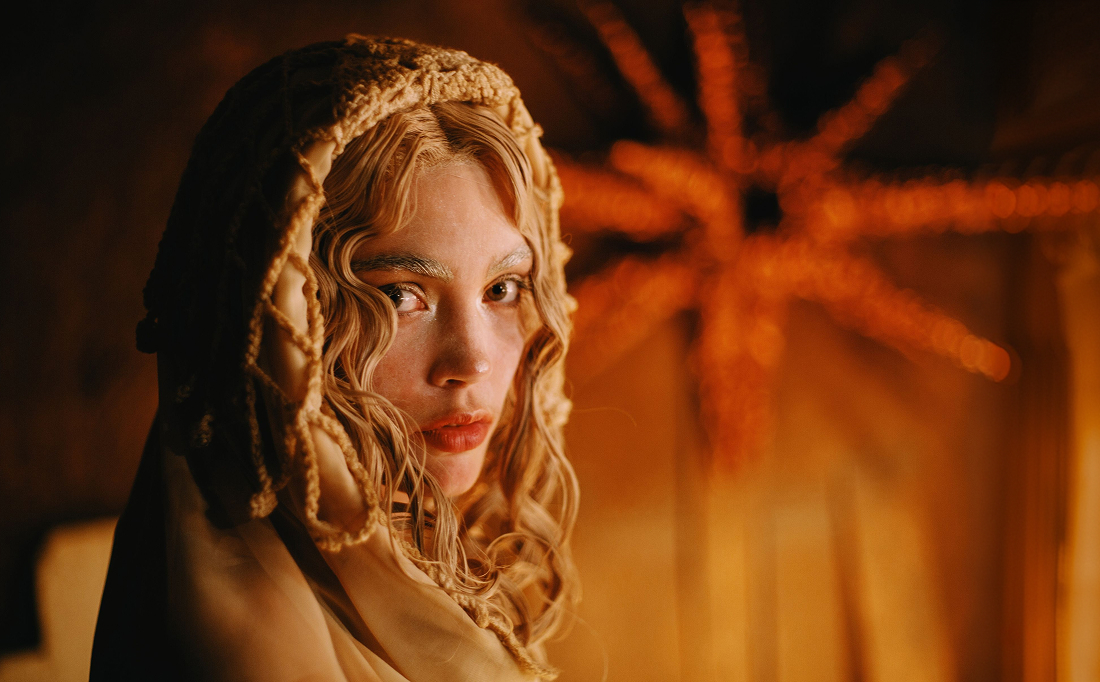
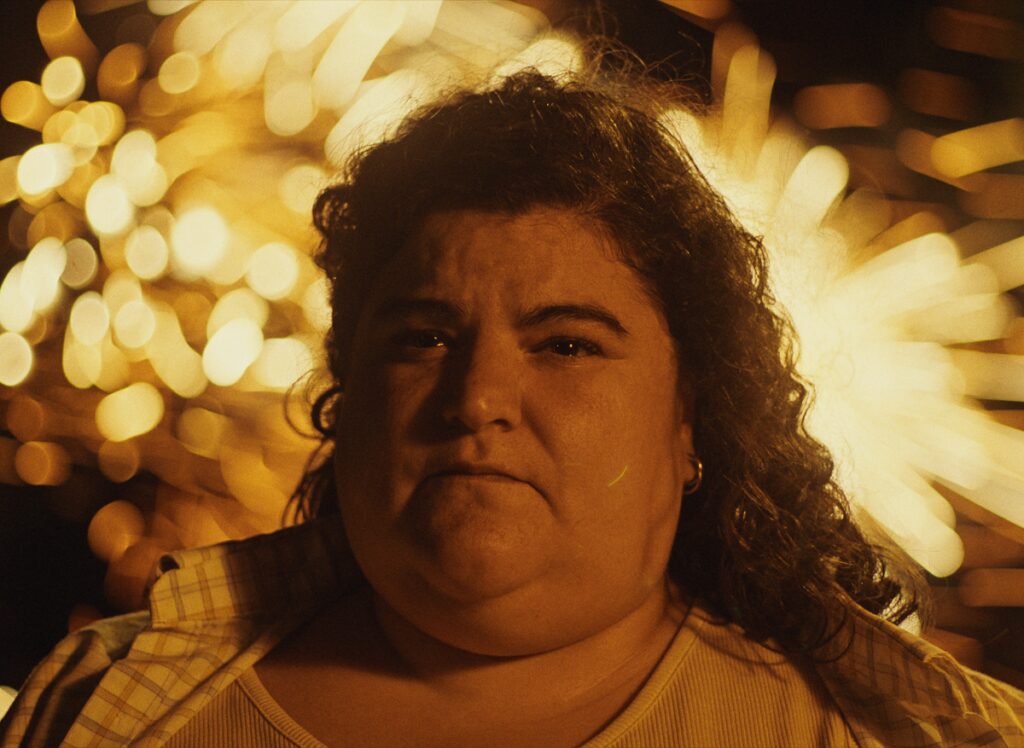
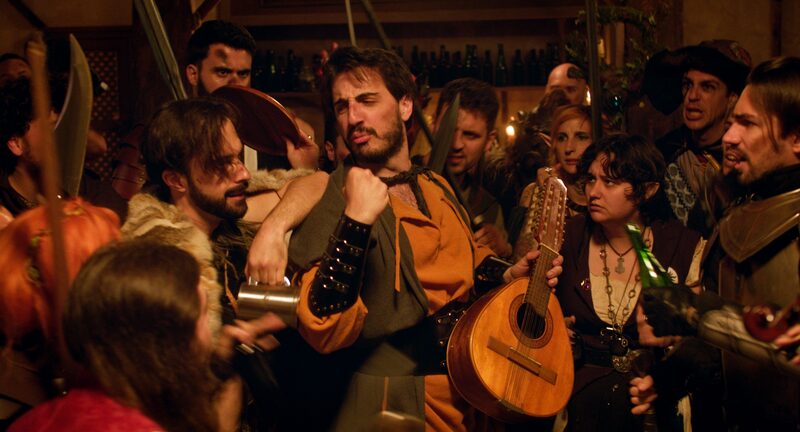
Explore the construction of staged images through art direction, lighting, composition and mise-en-scène. Drawing on photographic, pictorial or cinematic references, develop a tableau vivant as an exercise in visual and conceptual control.
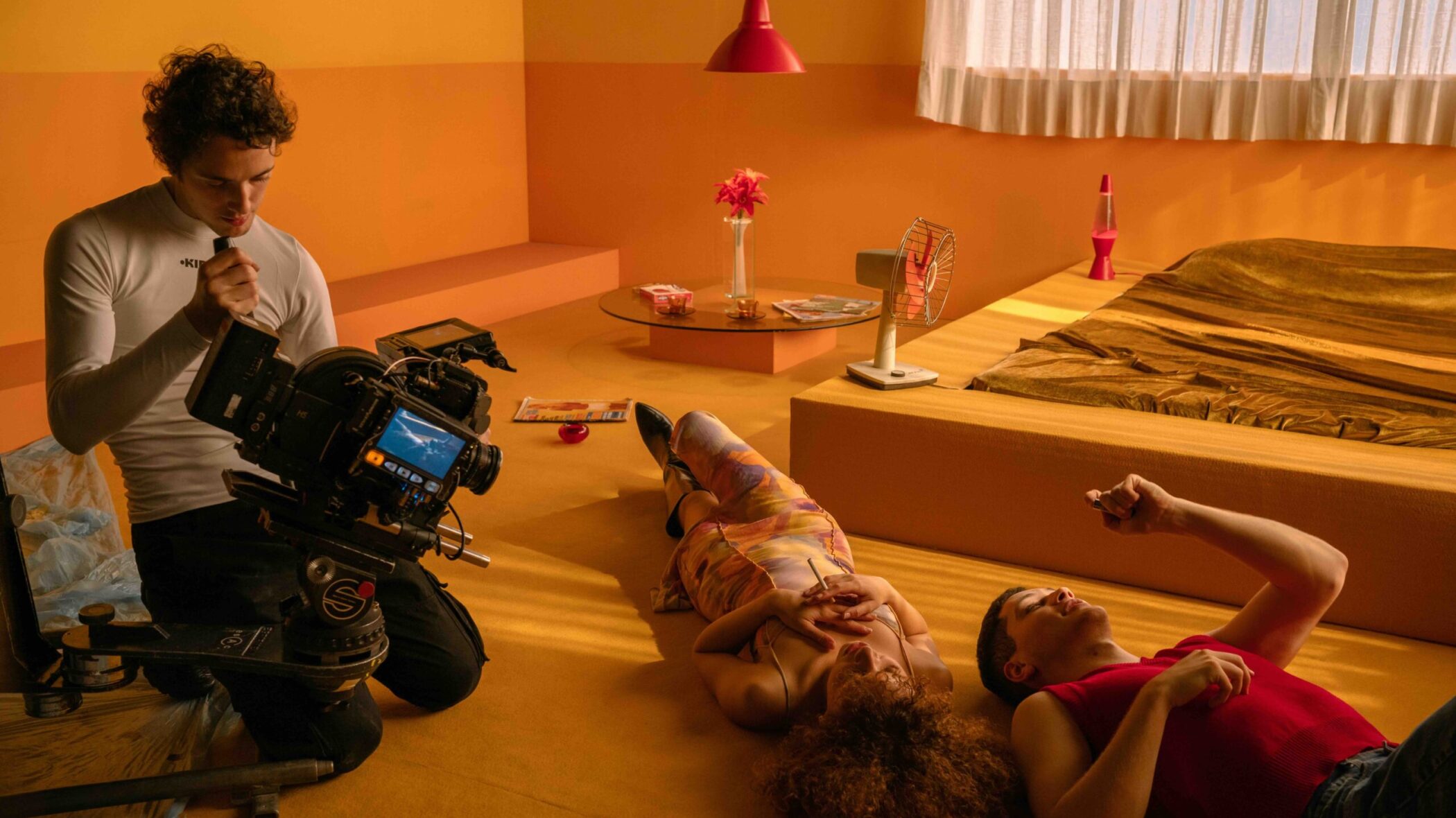
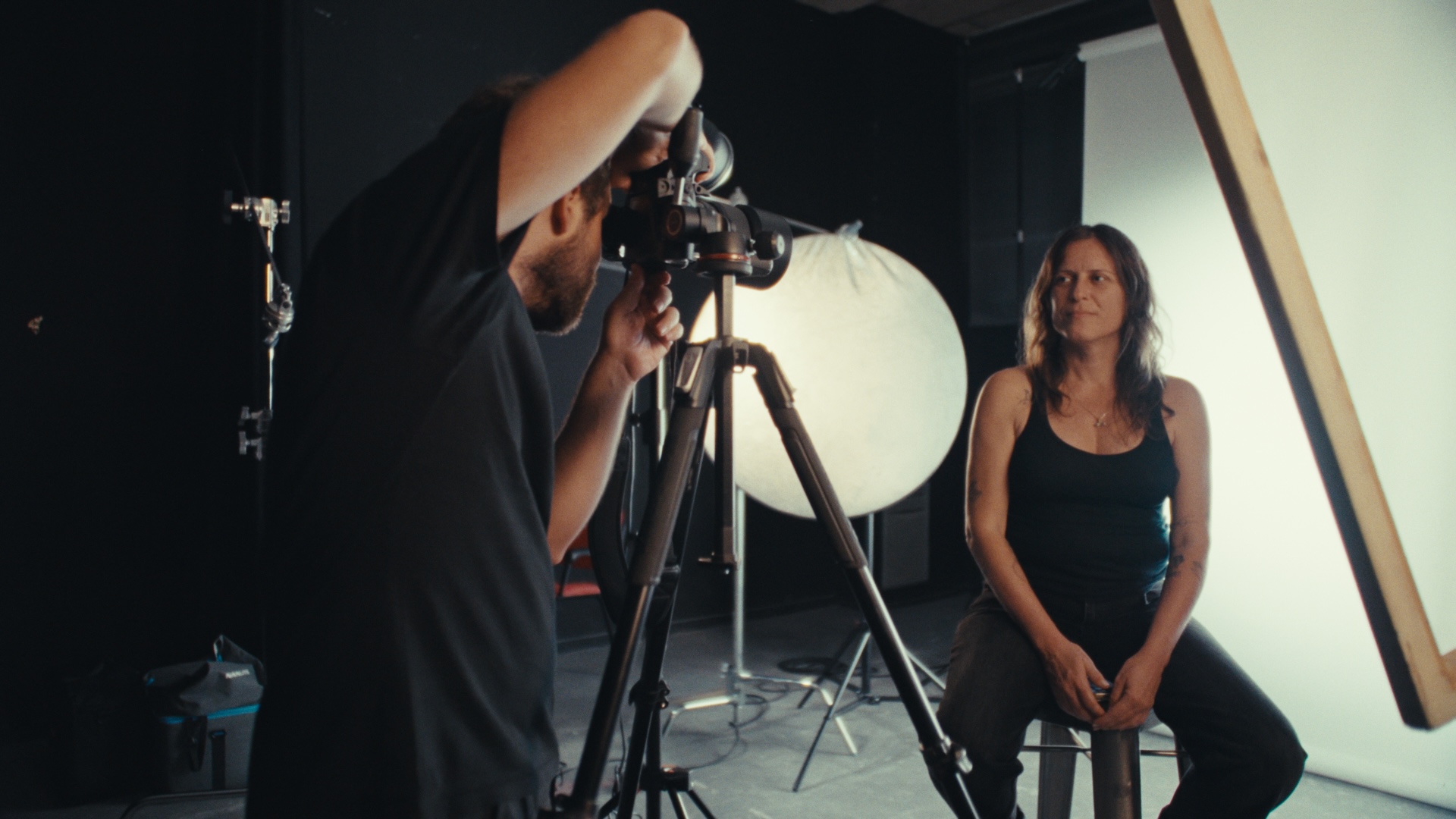
Simulate a professional fashion photography and audiovisual commission. Work through every stage of production, from interpreting the brief to directing teams, creating the editorial and producing an audiovisual piece linked to the project.
Take part in a professional immersion experience during the Rencontres d’Arles. Analyse exhibitions, trends, exhibition formats and strategies for disseminating contemporary photography at one of the sector’s leading international events.
Introduce the technical and narrative fundamentals of moving images. Work on audiovisual language, video capture, continuous lighting, and production and post-production workflows applied to contemporary photography projects.
Provides intensive training in digital and analogue photography. Covers cameras, lenses, exposure, the darkroom, image capture, workflow and production processes to develop a versatile, professional photographic practice.
Develop an authorial photography project from initial research through to its realisation. Work on conceptual definition, production methodology, narrative coherence and critical engagement with contemporary images.
Analyse the visual languages of fashion and advertising photography from an authorial perspective. Explore strategies for bringing a distinctive creative identity to professional commissions, integrating visual storytelling, direction and artistic positioning.
Study key artists, movements and works to understand the evolution of photography and visual culture. Broaden students’ frame of reference and strengthen their ability to analyse and interpret images.
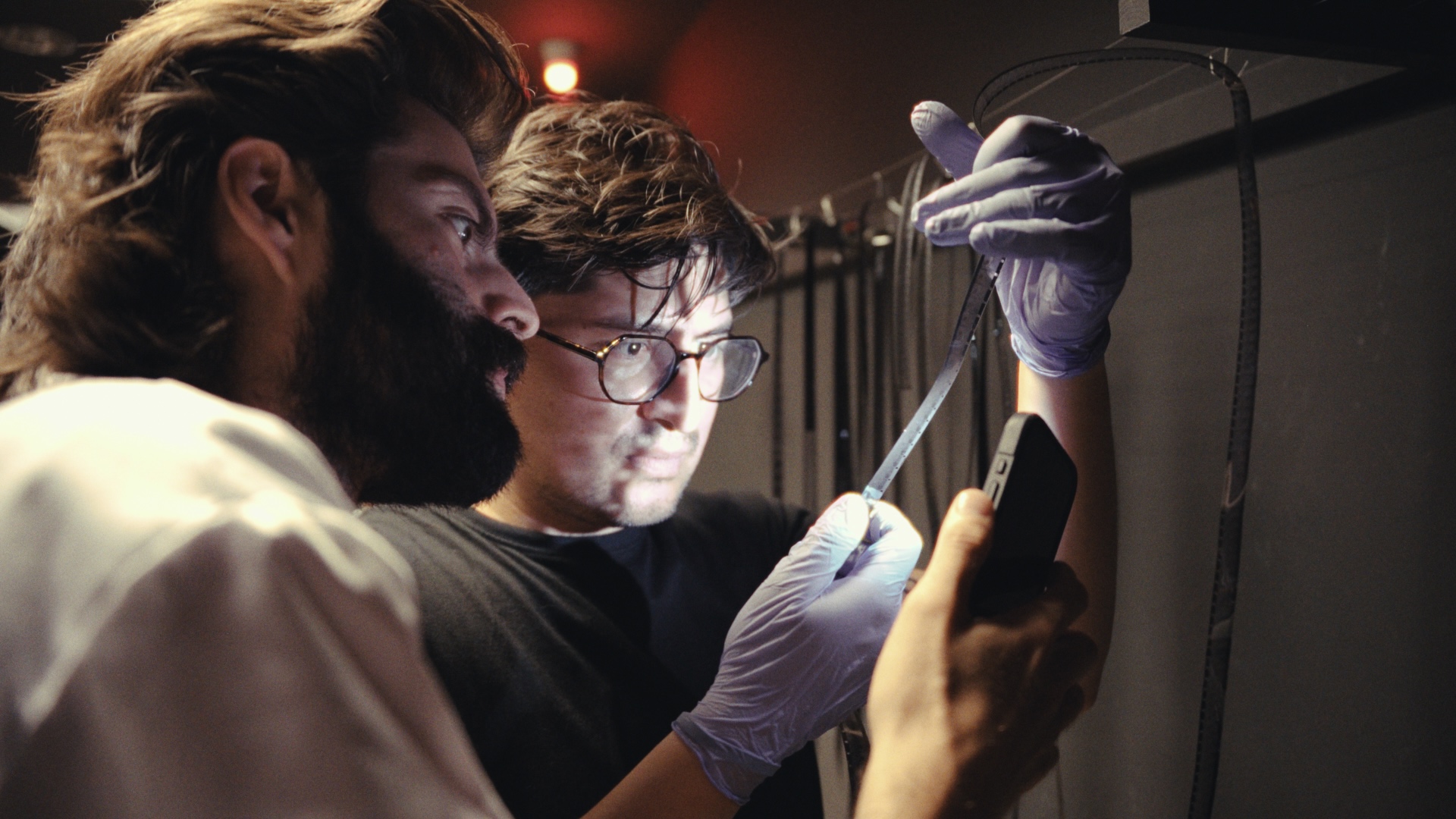
It introduces the creative and technical processes of photochemical cinema on 16 mm. It covers image capture, handling light-sensitive material, cinematic language and the relationship between photography and moving images.
Covers laboratory processes related to black-and-white analogue photography. Works with negative development, printing on photographic paper and image control from a material and handcrafted perspective.
Analyses strategies for entering the profession and developing a career in the artistic, editorial and commercial fields. Examines models of representation, rights management, professional visibility and positioning in the image sector.
Explores professional photo editing and retouching processes in depth. Works on image correction, colour management, editorial finishes and file optimisation for different media and publication contexts.
Develops editorial design skills applied to photographic projects. Covers layout tools, image sequencing, narrative construction and the preparation of print and digital publications.
Studies workflows associated with digital processing and the digitisation of analogue materials. Works with RAW file processing, colour management, negative scanning and the professional organisation of photographic files.
Introduces the professional use of Capture One as a tool for photographic management and processing. Covers project organisation, non-destructive editing, digital processing and the optimisation of studio and production workflows.
Explores the expressive and technical possibilities of large-format photography. Works on shot planning, image control, compositional precision and the relationship between medium, materiality and representation.
Introduces students to professional methodologies and practices through sessions led by international creators and specialists. Encourages an exchange of perspectives, trends and contemporary approaches to visual creation.
Analyses narrative techniques applied to photographic and audiovisual images. Develops the ability to construct coherent visual stories through the selection, sequencing and conceptual articulation of images and projects.
The Master’s Final Project is developed from the start of the programme as a professional, authorial project. Each student defines the subject, field and format, and progresses through weekly tutorials with guidance and specialised support from the teaching staff. The school provides equipment and facilities for analogue and digital photography, studio work, lighting and post-production. The outcome includes a final work produced to professional standards, a written report and a public presentation before a panel.
An authorial project developed in a field chosen by the student: fashion editorial, artistic creation, documentary, product and advertising, cinematography, or content for media and social networks. It can take a photographic, audiovisual or hybrid format and must bring together research, production, editing and professional presentation.

Authorship pending (REVISAR)

Authorship pending (REVIEW)
Authorship pending (REVISAR)
Authorship pending (REVIEW)

Learning is structured around the production of work in professional conditions. Students undertake three intensive challenges and the final master’s project, complemented by applied technical training, lectures, seminars, workshops, individual tutorials, group critiques, film shoots, and studio and location sessions. Thursdays and Fridays are devoted to the practical development of the challenges, through independent and group work under supervision. The programme includes working professionals, visits to studios, exhibitions, and industry gatherings. The facilities and resources used include an analogue laboratory, photography studio, cameras, lighting, scanners, and post-production resources. No compulsory external internships are specified; practical work is integrated into the programme projects.
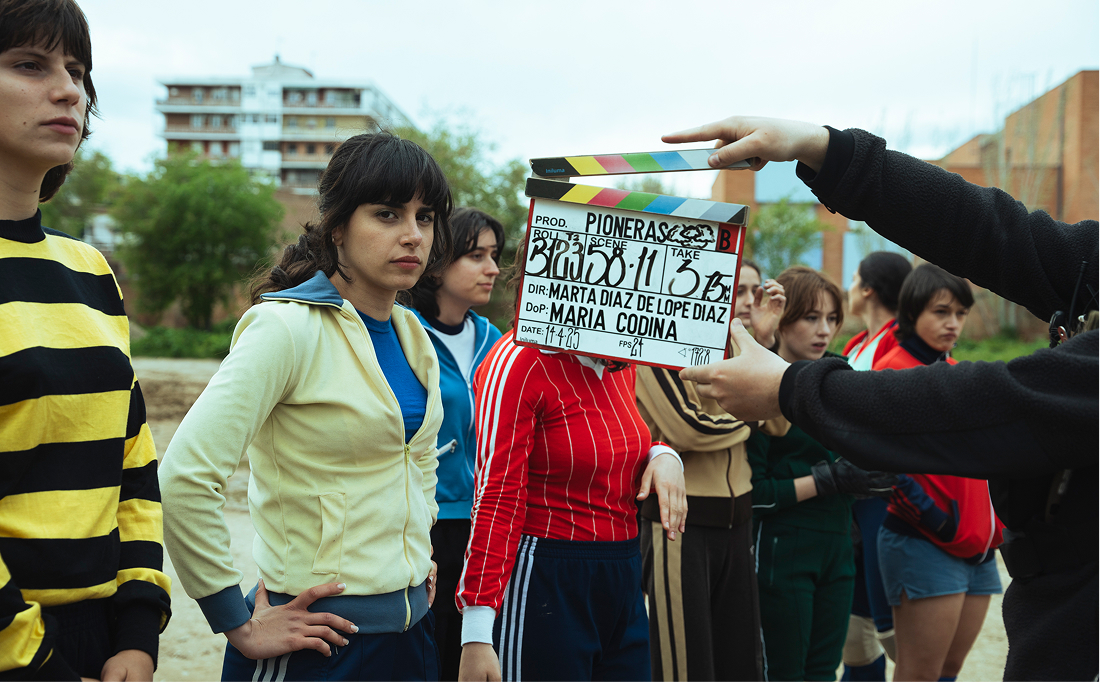
Three time-limited practical exercises recreate professional workflows: urban wandering and a documentary exhibition; a fashion editorial; and a tableau vivant with cinematic expansion. They bring together briefing, production, directing, teamwork, editing, and final delivery.
Sessions on lighting, the analogue laboratory, 16 mm, video, Capture One, retouching, scanning, layout, and other workflows. Each technique is introduced in direct relation to the needs of the challenges and the final master’s project.
Weekly guidance from the master’s programme director from the beginning of the course. Tutorials review the concept, format, research, production, editing, and positioning, with input from specialist faculty when the project requires it.
Regular group reviews to analyse the conceptual coherence, narrative, technical execution, and feasibility of the projects. Students explain their decisions, incorporate feedback, and present the results publicly.
Critical frameworks, visual references, and sessions with working professionals broaden understanding of contemporary photography, moving images, artificial intelligence, contexts of circulation, and the industry.
Practical work in image capture and directing in the studio, public spaces, and on location, with access to cameras, lighting, a laboratory, scanners, and post-production resources. The work combines individual responsibilities with rotation through technical roles.
Visits to studios, exhibitions, and professional gatherings, including activities linked to Rencontres d’Arles and PhotoEspaña. They provide an opportunity to analyse exhibition contexts, professional networks, and current industry dynamics.
Assessment is continuous and takes into account workshop exercises, participation in classes and critiques, interim submissions, the three challenges, and the final master’s project. Conceptual coherence, technical execution, narrative relevance, professional feasibility, and the ability to justify creative and production decisions are assessed. Evidence includes completed work, processes and interim submissions, public presentations, a written report, and a final defence before a panel.
Master in Photographic Creation and New Audiovisual Formats – Institution-specific
Tanit Plana
12/01/2027
Mon–Fri, 10h to 14h
In person
9.900€
ESCAC Terrassa Campus
25
Jordi Bransuela / Cristina Buxó
17/12/2027
English
60 ECTS
8.000€
Aimed at graduates and professionals in photography, film and audiovisual media, fine arts, design, visual communication and related disciplines who wish to consolidate an authorial voice and expand their practice into new audiovisual formats. It is aimed at people with some initial experience or professional experience who have a technical foundation, creative curiosity and the ability to develop projects rigorously. The programme values visual culture, independence, critical thinking, a willingness to work in a team, and a commitment to an intensive course delivered entirely in English.
Submit an artistic or professional portfolio and demonstrate an English level equivalent to B2 or higher. When necessary to make the final decision, the programme director will conduct an online interview with the candidate.
Pre-registration schedule for the 26–27 academic year: from 2 November 2026
Applicants must complete the pre-registration form, which they will find on this webpage.
Applicants must provide links to their portfolio, a video pitch (maximum 3 minutes) and their CV.
The Admissions team and academic coordination will review the documents submitted and assess the application.
If deemed necessary, the programme director may conduct an online interview with the applicant as part of the selection process.
Once admission has been confirmed, the applicant may reserve a place and then complete enrolment, following the instructions provided by ESCAC.