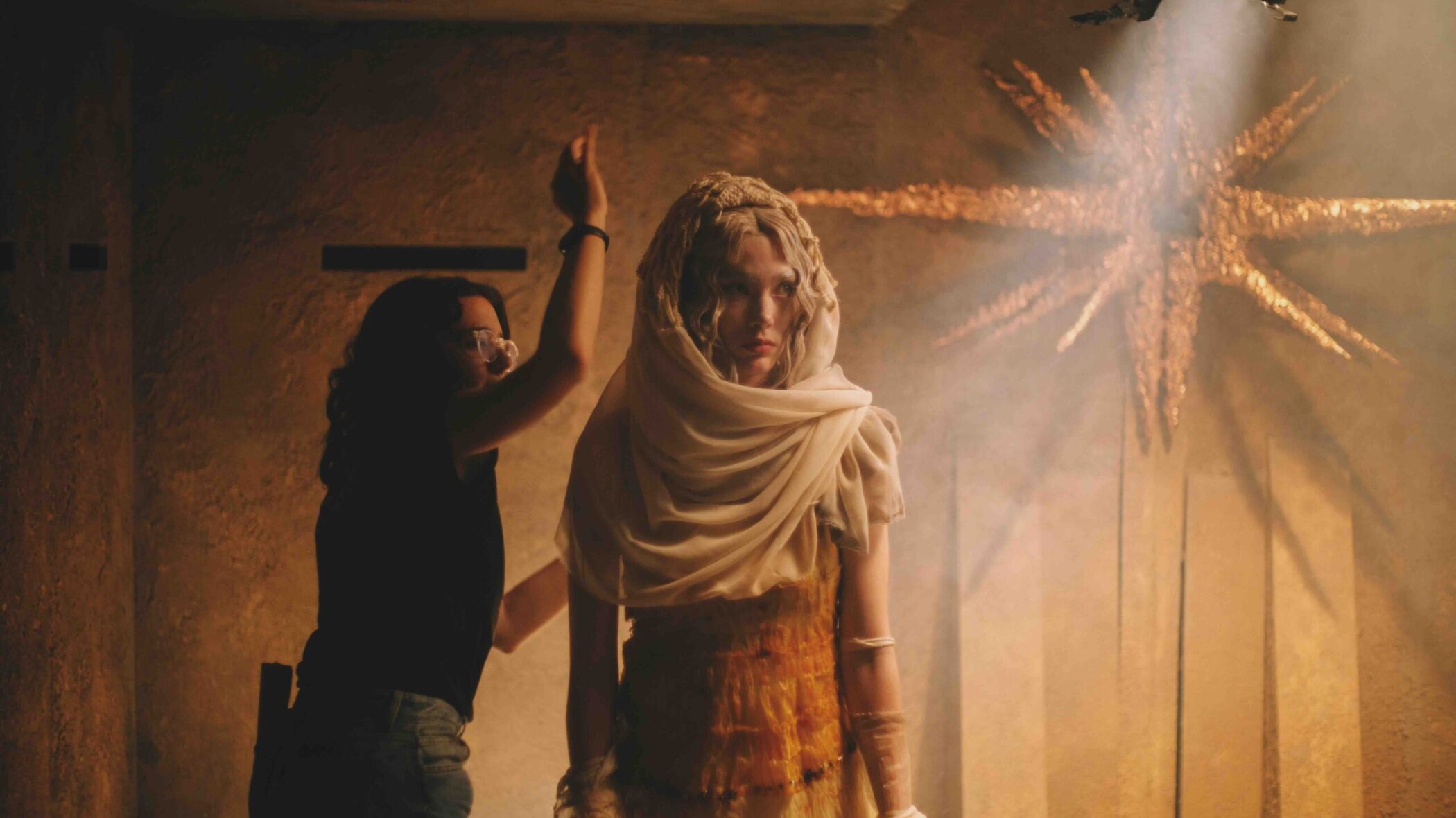
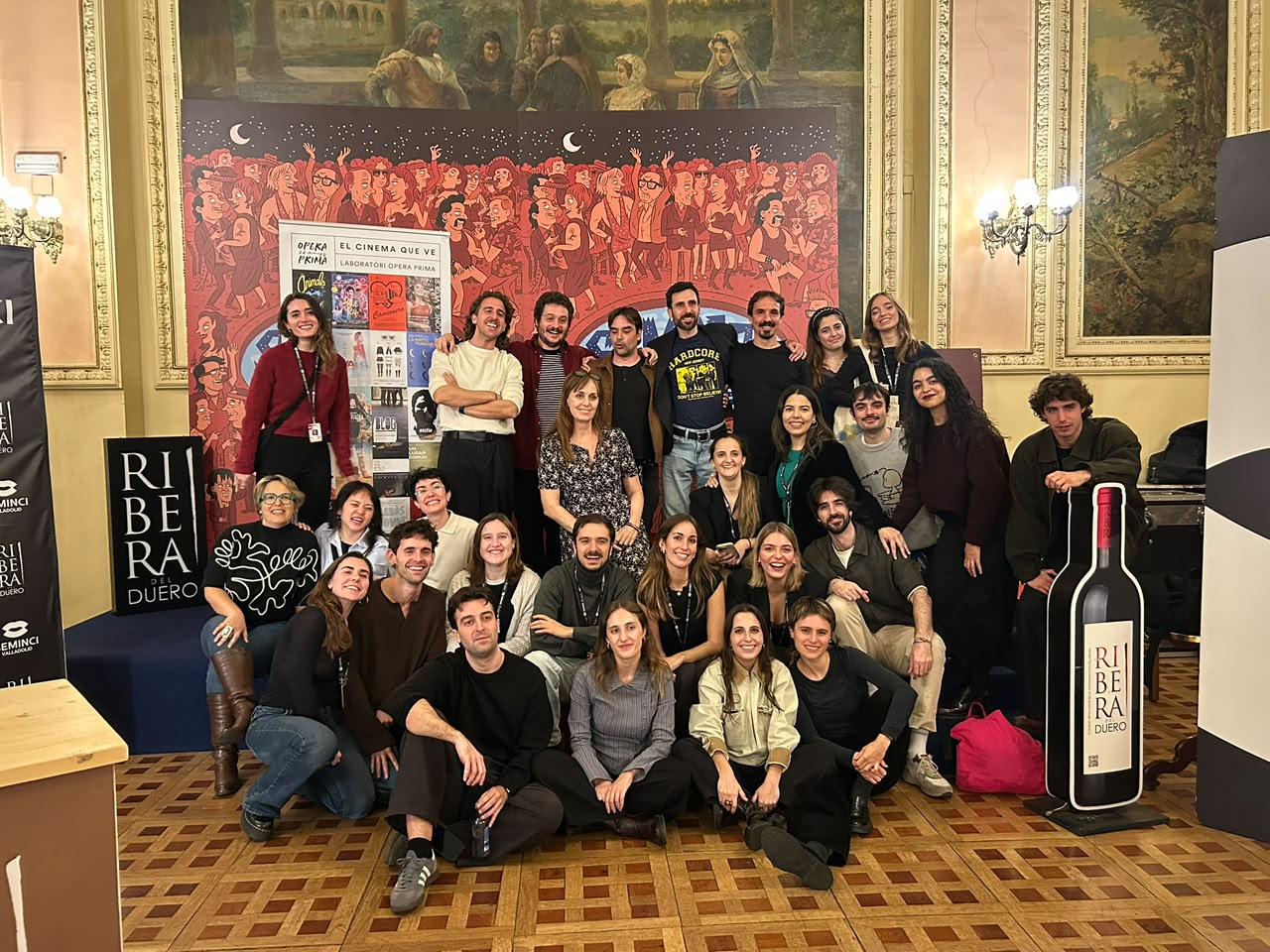
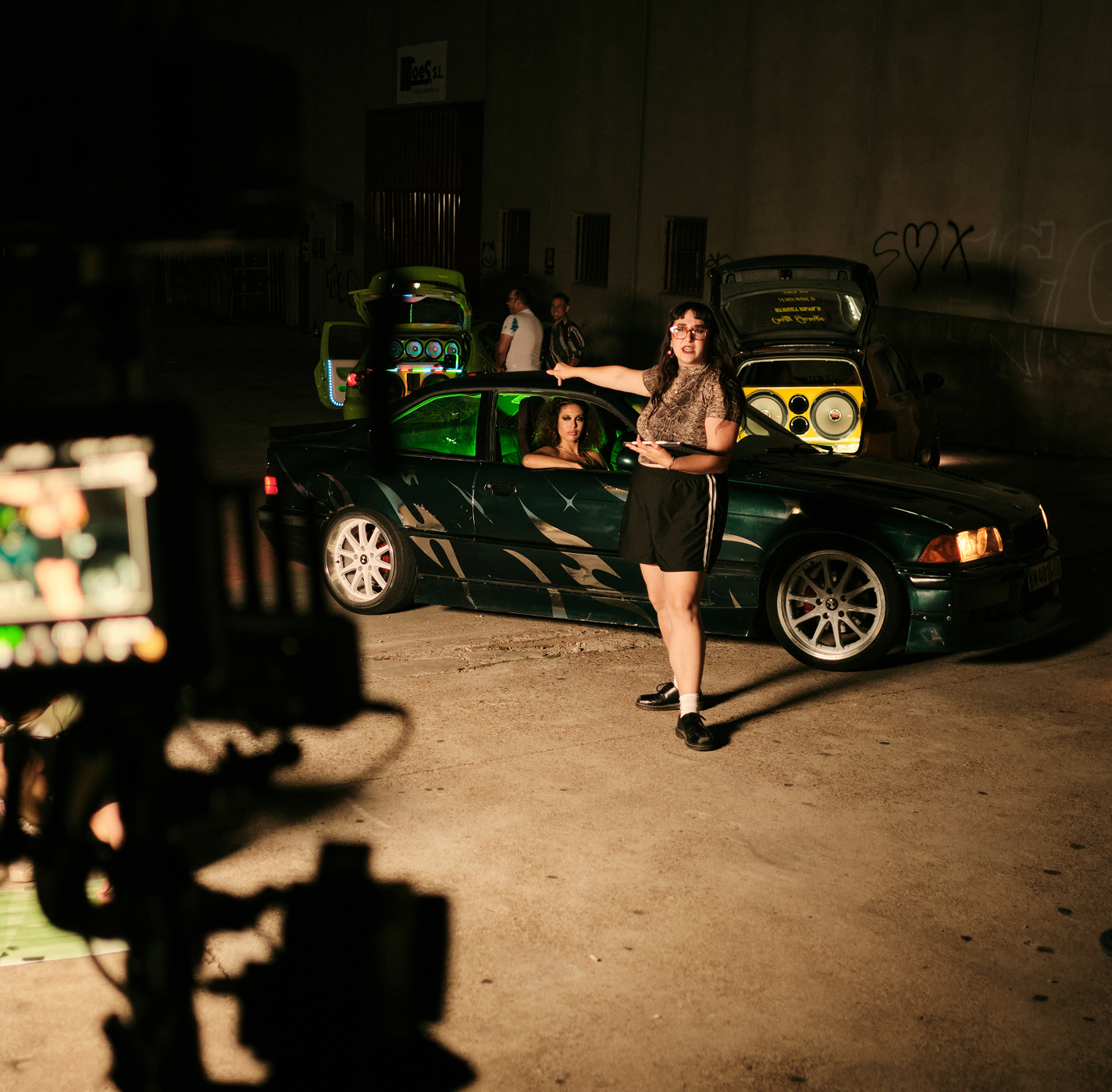
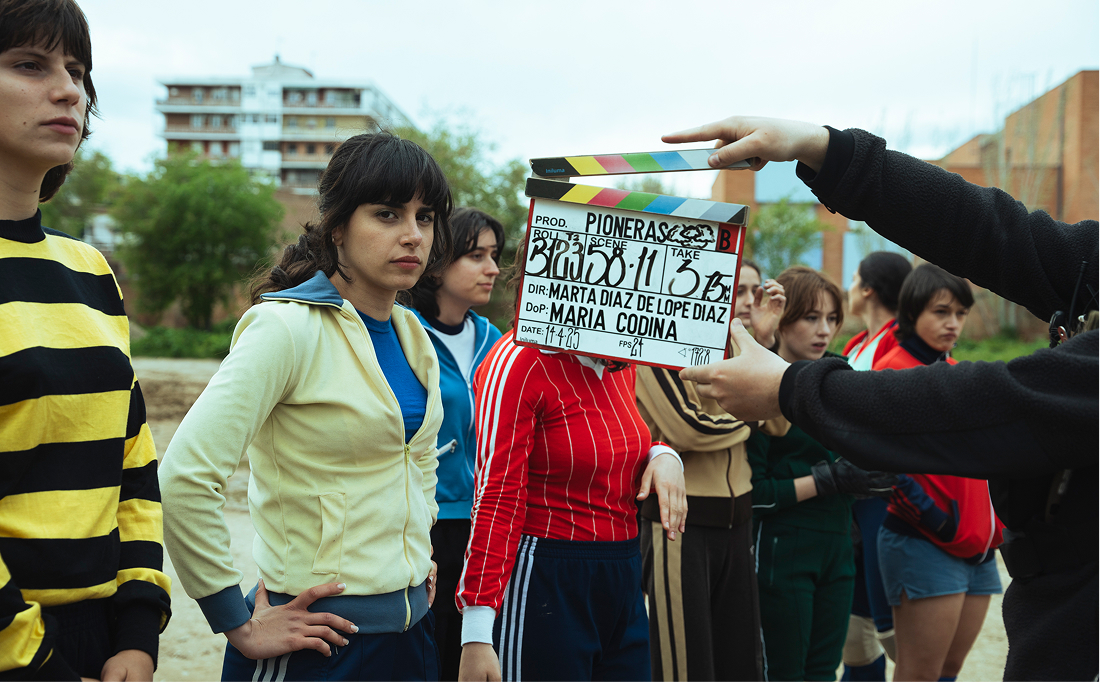
Overview
Find stories that deserve to be told and learn to transform them into documentary stories with a distinctive perspective, exploring new languages and ways to connect with the public.
ESCAC’s University Master’s Degree in Documentary and Non-Fiction trains professionals to research, develop and make documentary projects, exploring the many ways of telling real stories.
The programme is based on a fundamental idea: every story needs to find its own language. Through a methodology that combines theory and practice, students learn to research, discover characters, build scenes, film, work with sound and edit, developing their own narrative perspective.
The master’s programme aims to become a bridge between Europe, North America and Latin America, creating a space for meeting, exchanging knowledge and experience, creating and co-producing documentaries. Through collaboration among filmmakers, professionals and institutions in these regions, it seeks to encourage the circulation of ideas, talent, projects and works, contributing to the development of new international networks for documentary creation.
The course explores the languages of contemporary non-fiction, from cinematic documentaries to animation, archive, fictional elements and audio documentaries, preparing students to develop projects for cinema, television, platforms and podcasts.
Open to people from audiovisual media, journalism, anthropology, sociology or education, the master’s programme sees documentary as a tool for creation, reflection and transforming how we see the world.
Intended Audience
This master’s programme is for people interested in exploring and understanding the world through the narration of real events, and curious about researching, interviewing and discovering stories that often remain invisible. It is designed for people committed to social, political and environmental realities who want to develop their own perspective and turn their concerns into impactful documentary projects. Creativity in the use of narrative and audiovisual languages is valued, as is a basic knowledge of the history of documentary film.
Learning Outcomes
The programme equips students to research, analyse and develop complex documentary projects, integrating critical thinking, ethical sensitivity and mastery of the creative and technical processes of non-fiction
-
Creative and Narrative Skills
-
Understand the theoretical, aesthetic and narrative principles of documentary filmmaking.
Create nonfiction stories using coherent narrative structures.
Develop a distinctive perspective linked to the representation of reality.
Integrate ethical and formal decisions into documentary creation.
Communicate documentary ideas and projects to diverse audiences.
-
-
Technical Competencies
-
Apply documentary research, filming, editing and post-production techniques.
Design visual and sound concepts tailored to each project.
Manage audiovisual material throughout every stage of production.
Use rigorous documentary research methodologies.
-
-
Analytical and Planning Competencies
-
Analyse the historical development of documentary filmmaking and its main movements, with particular emphasis on Latin America.
Put contemporary transformations in nonfiction into context.
Apply tools for narrative, visual and sound analysis.
Organise creative projects and audiovisual research.
Critically assess the ethical and social implications of projects.
-
-
Interprofessional and Communication Competencies
-
Communicate projects and research findings with reasoned arguments.
Collaborate effectively in multidisciplinary teams.
Manage ethical relationships with people being filmed and work teams.
Integrate diverse perspectives throughout documentary processes.
-
-
Professional and Development Skills
-
Manage documentary projects from beginning to end.
Develop the ability to self-assess and improve continuously.
Apply principles of social responsibility and professional integrity.
Generate knowledge through academic research and audiovisual creation.
-
Career Opportunities
The master’s provides preparation for developing a professional career in the field of documentary film and non-fiction, in areas such as directing, screenwriting, research, production and audiovisual filmmaking.
It also opens up opportunities for specialisation in the creation of documentary content for television, digital platforms and podcasts, as well as cultural projects, educational and communication projects.
Our graduates build careers in many areas of the entertainment and communications sector:
- Feature-length documentaries.
- Documentary series for television and platforms.
- Essay films and contemporary non-fiction.
- Audiovisual projects of a social, cultural or journalistic nature.
- Transmedia and digital documentary content.
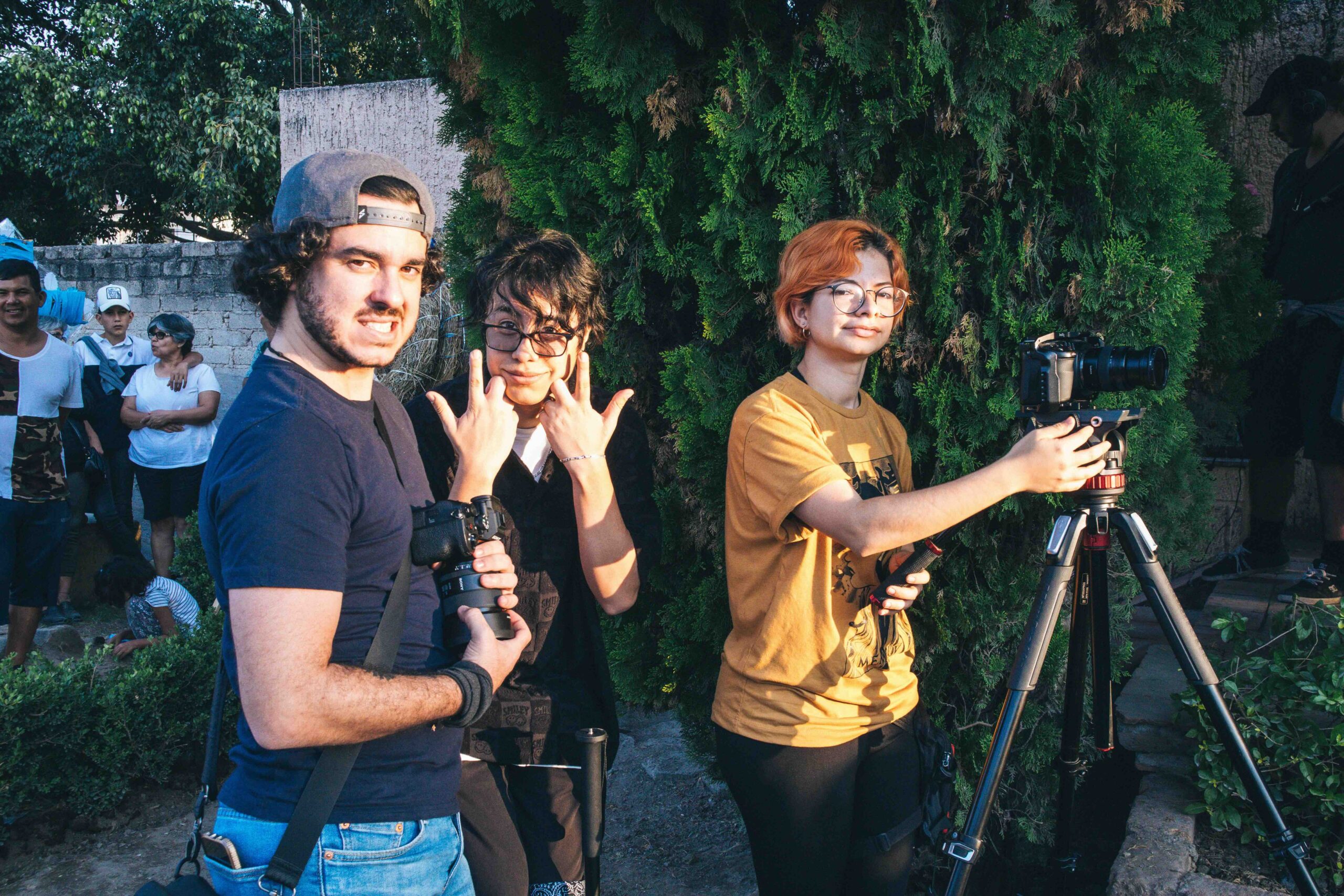
Documentary Creation and Direction
- Documentary director.
- Documentary and non-fiction screenwriter.
- Audiovisual researcher.
- Non-fiction content creator for platforms.
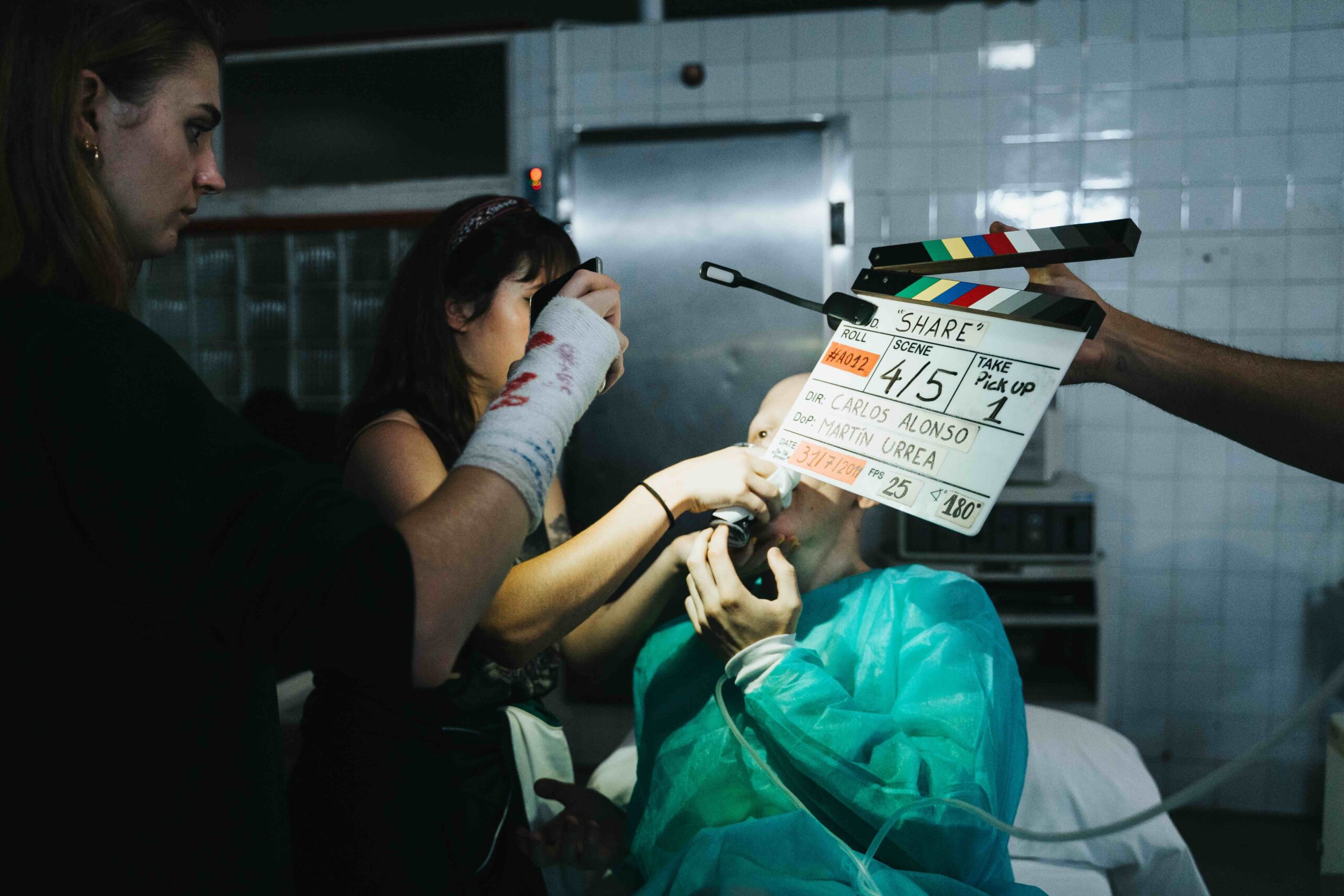
Project Production and Development
- Documentary Project Producer.
- Documentary Project Development Manager.
- Documentary Project Consultant.
Post-production and Distribution
- Editor specialising in documentaries.
- Sound designer and editor for documentaries.
- Programmer for documentary festivals and showcases.
Curriculum
-
History of Documentary
-
A critical study of the historical evolution of documentary, its authors, movements and cultural contexts.
This course offers a historical and critical overview of the evolution of documentary cinema from its beginnings to the present, with a section devoted to Latin American documentary. It analyses the main movements, currents, authors and works that have shaped documentary language, placing them in their historical, social and cultural contexts. Students examine how the genre has responded to the political, technological and aesthetic changes of each period, laying the foundations for contemporary practices.
-
-
Contemporary Documentary Trends
-
Analysis of new narratives, hybrid formats and technological transformations in non-fiction.
The course focuses on current documentary practices and the transformations of non-fiction in recent decades, both internationally and especially in Latin America. It explores new narratives, hybrid formats, technological advances and the influence of digital platforms, prompting critical reflection on the limits of documentary and its dialogue with other artistic disciplines.
Course syllabus
-
-
Documentary Theory
-
Reflection on representation, ethics, the construction of reality and critical thinking about documentary.
This course explores the main theories and conceptual frameworks that have shaped the study of documentary. It analyses different approaches to representing reality, the status of the documentary image, the ethics of the gaze, and the relationship between filmmaker, filmed subject and viewer. Theoretical classes are complemented by a practical exercise in which students work with the concepts covered in class.
Course syllabus
-
-
Documentary and Non-Fiction Techniques
-
The Documentary Techniques module integrates the courses in screenwriting, directing, cinematography, production, sound and editing through a cross-disciplinary practical exercise. Working in teams of 3-4 people, students develop a documentary piece lasting 5 to 7 minutes based on a real commission from a channel, NGO, association or other external partner. The project allows students to experience all the stages of documentary creation and production in a professional context.
Documentary Screenwriting
Documentary Directing
Documentary Production
Documentary Cinematography
Documentary Sound
Documentary Post-Production and Editing
-
-
Master's Final Project (MFP)
-
Course syllabus
-
-
Compulsory External Internships
-
Professional application of skills through placement in companies and institutions in the sector.
They enable students to join professional environments in the audiovisual and cultural sector, applying the knowledge they have acquired in a real work context and supporting their entry into the workforce and understanding of the industry.
Course syllabus
-
Master’s Thesis - MFP
The Master’s Final Project consists either of an original individual academic research project or of a group documentary creation, developed independently under the supervision of a teacher. The final project must integrate the theoretical, methodological and practical skills acquired during the Master’s programme, representing the culmination of the educational process.
The projects may be submitted in two formats:
-
Academic Research
-
This format aims to deepen the critical and analytical study of documentary cinema and non-fiction from a theoretical, historical, aesthetic, methodological or sociocultural perspective. The student must, individually, formulate a relevant research question and establish a suitable theoretical and methodological framework and develop a rigorous process of analysis based on documentary sources, bibliographic, audiovisual, or other relevant materials. The project must demonstrate the ability to contextualise the subject of study, and interpret critically the results and draw well-founded conclusions that contribute to knowledge of the field researched. Particular attention will be paid to the originality of the approach and methodological coherence, academic rigor and the ability to reflect critically on forms, languages and practicesof contemporary documentary and non-fiction.
-
-
Documentary Creation Project
-
This track aims to develop and produce a documentary or non-fiction project by groups of three students, from initial research and defining the proposal through its production, editing and post-production. Each group must demonstrate its ability to conceive a work with a personal perspective and a coherent narrative and aesthetic proposal. The process must demonstrate mastery of the various stages of creation, including research, developing the approach, planning the shoot, and the relationship with the subjects and contexts represented, the management of audiovisual material, and the narrative construction. Likewise, the ability to make decisions creative and ethical in the treatment of reality, as well as the coherence between the initial intentions, the working methodology and the final result.
-
-
Regulations governing Master's Final Projects
-
In both modalities, the Master’s Final Project (MFP) will be carried out under the supervision of a specialist lecturer, who will guide students in defining the objectives, planning the work, and developing the proposal conceptually, methodologically, and technically. In the academic research modality, supervision will focus especially on defining the subject of study, establishing its theoretical basis, designing the methodology, and analysing the results. In the creative project modality, the supervisor will first guide student groups collectively in making decisions about conceptualisation, research, and creating the one page and the project presentation dossier. Once presented to the MFP approval panel, each project will receive individual supervision from a supervisor whose area of expertise is related to its subject, for its realisation, production, editing, and post-production. In this second modality, the school will facilitate access to the technical resources needed to develop the project, while its funding will be entirely the student’s responsibility.
The MFP must demonstrate students’ intellectual, artistic, and professional maturity, their ability to work independently, and the rigour with which they approach research or creative processes. In the academic modality, it must demonstrate analytical ability, critical thinking, and the capacity to produce relevant knowledge about documentary and non-fiction. In the creative modality, students must demonstrate a distinctive voice, narrative and aesthetic judgement, ethical responsibility, and mastery of audiovisual production and post-production processes. In both cases, the work must reflect a deep understanding of documentary as a practice of research, representation, and interpretation of reality, as well as the ability to develop coherent, well-founded proposals appropriate to the master’s level of specialisation.
-
Student Projects
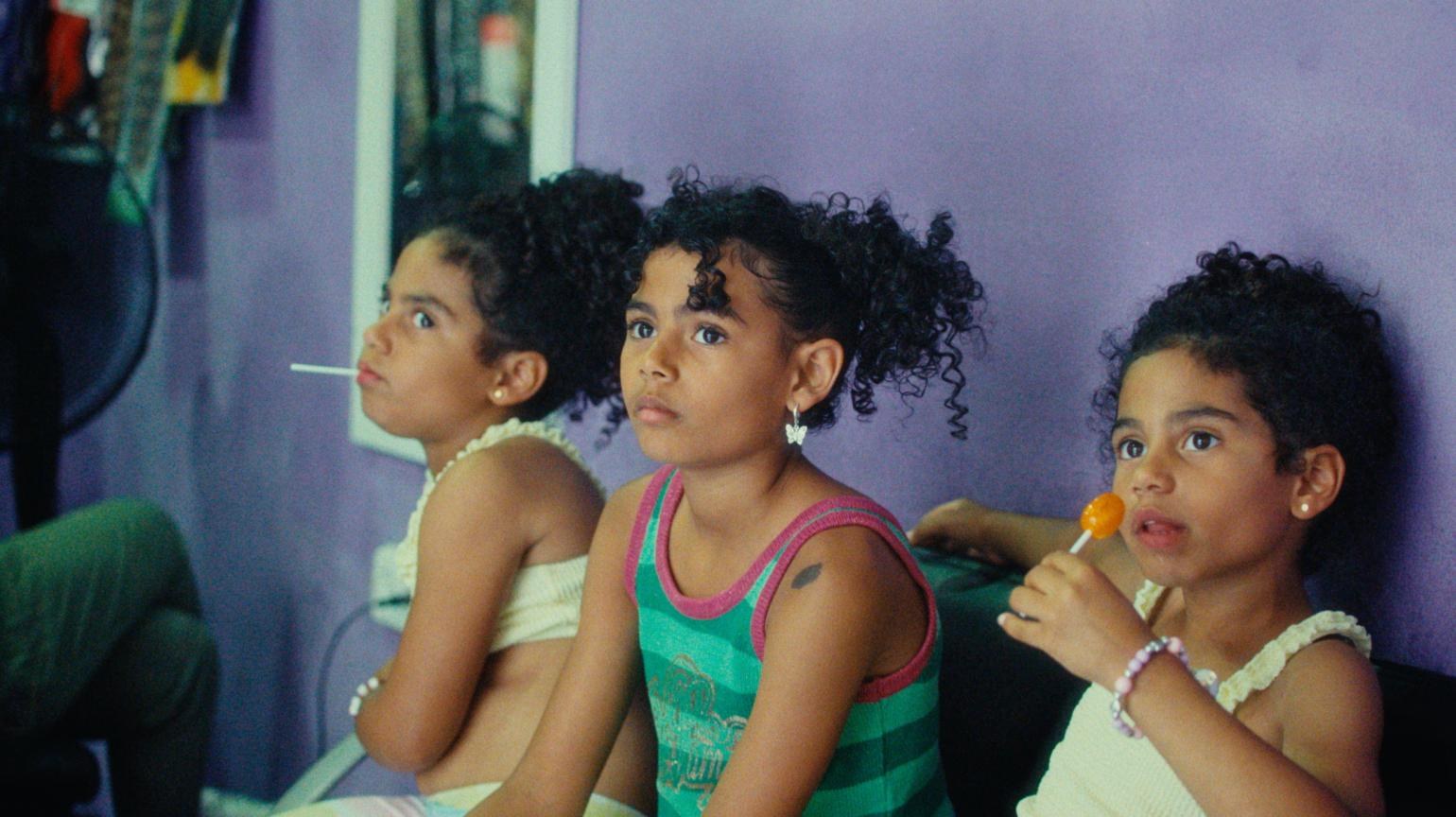
Curasana:
Authorship pending (REVISAR)
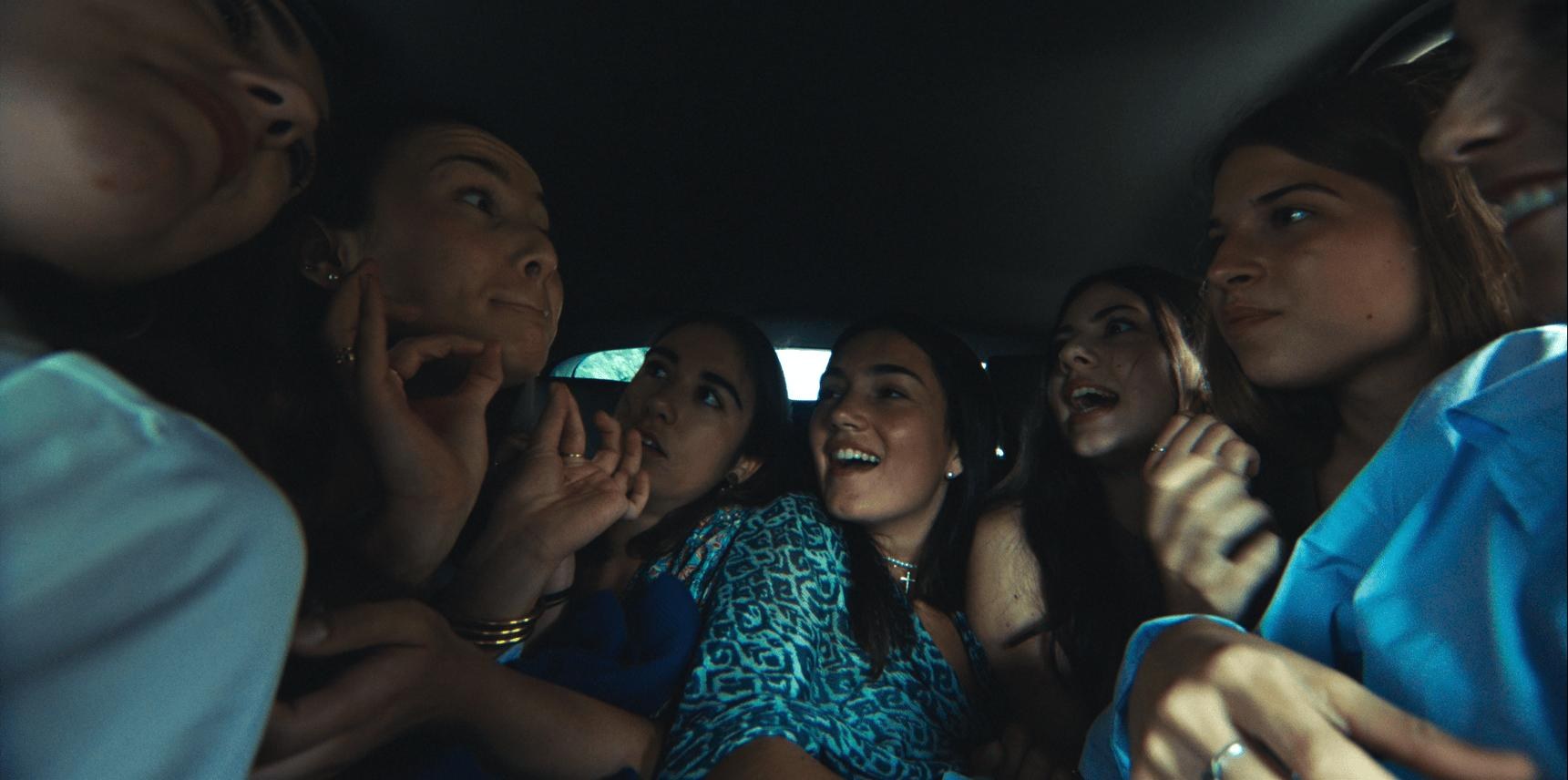
Gamberra:
Authorship pending (REVIEW)
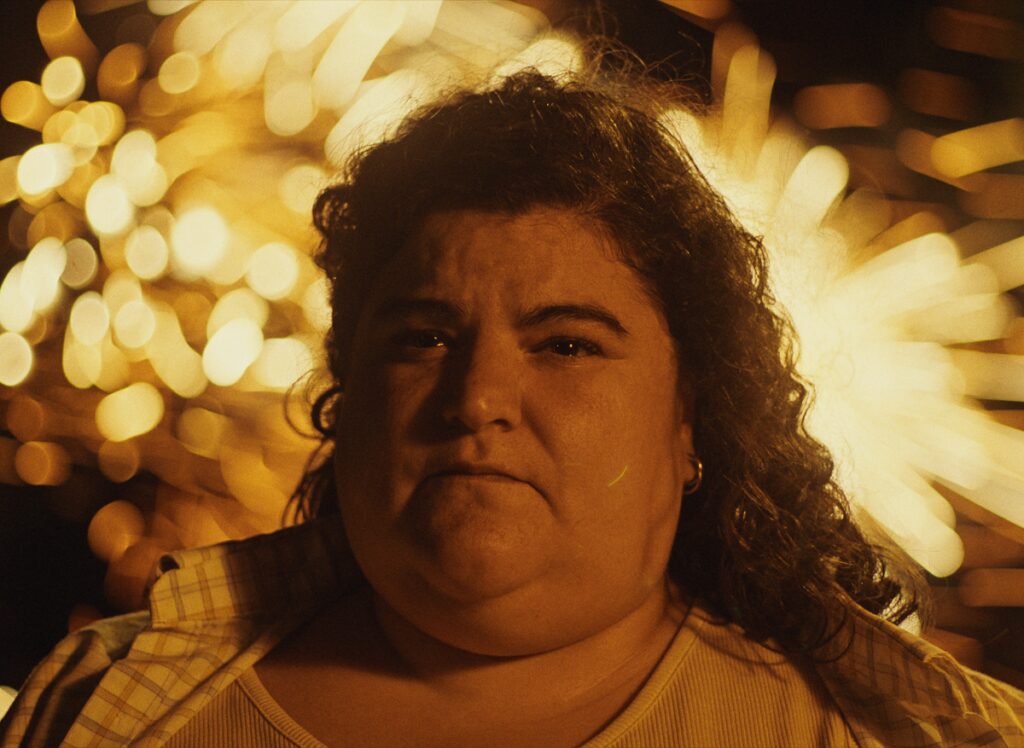
For Being a Witch and a Poisoner:
Authorship pending (REVISAR)
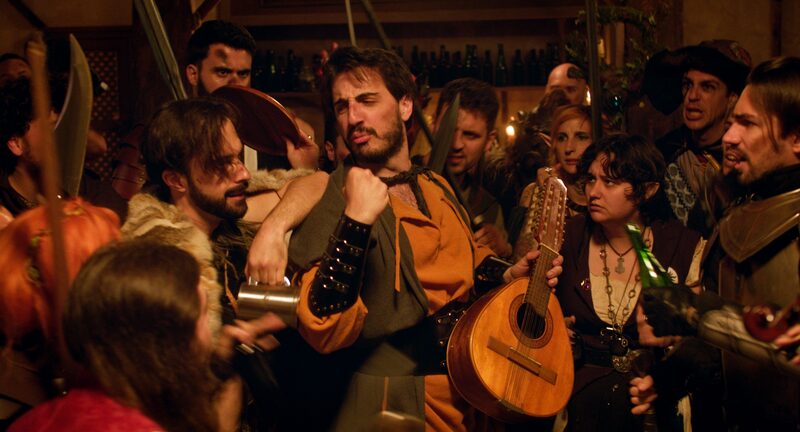
Therapies and Dungeons:
Authorship pending (REVIEW)
Methodology and Assessment
The University Master’s in Documentary and Non-Fiction structures its training around an ongoing dialogue between critical thinking, research and filmmaking practice. Students explore the ethical, social, historical and aesthetic dimensions of documentary while developing their own projects with guidance from working professionals. With a particular focus on the stories, perspectives and realities of Latin America, the programme champions diverse documentary work that combines rigour and artistic ambition with a desire to connect with audiences.
The methodology prioritises hands-on learning and the exploration of the different languages of contemporary non-fiction, from auteur documentary to more popular and entertainment formats. Through observation, field research, working with people and documentary materials, and analysing references, students gradually develop their own projects. Particular value is placed on proposals that, while retaining a personal perspective, seek to move and surprise audiences and reach a wide public, seeing documentary not only as a tool for reflecting on reality but also as a form of storytelling capable of sparking interest, enjoyment and connection with viewers.
-
Masterclasses
-
An introduction to the main historical, aesthetic and methodological concepts associated with documentary and non-fiction, with an emphasis on the issues and circumstances of Latin America.
-
-
Documentary Project Labs
-
Development and follow-up spaces where students work on their own proposals, from initial research through to formulating the project.
-
-
Analysis of Documentary Works
-
A study of classic and contemporary works to understand the narrative, formal and ethical strategies found in different documentary movements.
-
-
Practical Workshops
-
Practical exercises relating to screenwriting, directing, production, cinematography, sound and documentary editing.
-
-
Working with Sources and Archives
-
Research using documentary, audiovisual, press archive and academic materials to develop well-founded projects grounded in their context.
-
-
Presentations and Pitching
-
Oral defence of projects and research before faculty and invited professionals, simulating contexts typical of the audiovisual industry.
-
-
Work Placements
-
Integration into professional settings where students can apply their skills and gain insight into the realities of documentary production.
-
-
Assessment System
-
Assessment is based on written assignments, practical exercises, audiovisual analysis, applied research activities, the progressive development of projects and external work placements. Students are assessed on their powers of observation and analysis, methodological rigour, ethical awareness, narrative coherence and the quality of their work. The process concludes with the preparation and defence of the Master’s Final Project.
-
Teaching Staff
The master’s programme brings together filmmakers, researchers, critics, producers, editors and documentary professionals with extensive teaching and professional experience nationally and internationally.
-
Orlando Arriagada (Director of the master's)
-
Discovering people and telling stories has taken Orlando Arriagada Urrutia around the world. A Chilean-Canadian documentary filmmaker and producer based in Montreal, he is the founder of Al Dente Films, Tutti Frutti Films and Pimiento, and co-founder of Cayenne Media. He has produced hundreds of hours of documentaries and series for Radio-Canada, Télé-Québec, Bell Media, TV5MONDE, ARTE and France Télévisions, among others. His documentary L’ADN du ceviche was selected for the San Sebastián Film Festival. His work is shaped by curiosity about other realities and encounters between cultures, as well as his commitment to young talent, creators from diverse backgrounds and the First Nations of Canada. As director of ESCAC’s Master’s Degree in Documentary and Non-Fiction, he brings that experience into the classroom: learning by doing, going out to find stories and turning them into documentaries that move audiences, leave a lasting impression and can generate social impact.
-
-
Manu Yáñez (Director of the Master's)
-
He holds a degree in Industrial Engineering from the Universitat Politècnica de Catalunya, a Master’s in Film Studies and is pursuing a PhD in Communication at the Universitat Pompeu Fabra (UPF). As a film critic, he regularly contributes to specialist magazines such as Fotogramas, El Cultural, Kinetoscopio and Film Comment, as well as publishing in the newspaper ARA and appearing on the programme La Finestra Indiscreta on Catalunya Ràdio. He is director of the digital magazine Otros Cines Europa and editor of the anthology of critical texts La mirada americana: 50 años de Film Comment (Las Palmas Festival). He has contributed to collective monographs on filmmakers including Terence Davies, Claire Denis, Naomi Kawase and Rainer Werner Fassbinder. In addition to heading the Film Studies department and this master’s at ESCAC, he has lectured at institutions such as Goethe University Frankfurt, CCCB and MARCO in Vigo. He is a member of ACCEC and FIPRESCI.
-
-
Daniel Jariod
-
A graduate in directing from ESCAC, he completed a master’s degree specialising in documentary filmmaking in Turin, Bratislava and Amsterdam. He holds a PhD from the Universitat de Barcelona. He has directed documentaries such as Amb música ho escoltaries potser millor – Salvador Espriu a ritme de Jazz (2009), With Music, My Poetry Sounds Better (2010) and Imparables (2014), which received awards at festivals such as the BCN Sports Film Festival, the Los Angeles All Sports Film Festival and the Milan International FICTS Festival. He has taught Theory, History and Practice of Documentary at ESCAC since 2002 and has been a visiting lecturer at UB, Universitat Ramon Llull and the CineRemix initiative (Salvador, Bahia, Brazil). He has also served as director of the international festival Memorimage.
-
-
Anna Petrus
-
She graduated in Audiovisual Communication from the Universitat Pompeu Fabra (UPF) and earned her doctorate from UIC Barcelona. She completed her film training with masters such as Víctor Erice and Pedro Costa. She teaches New Trends in Contemporary Documentary at ESCAC. As a filmmaker, she has directed the documentary short films Es Llogaret (2006), L’oblit a l’oli (2009), and the experimental piece 345 segons del meu viatge a Nova York (2010). She writes film criticism for outlets such as Dirigido por and La Vanguardia. She has coordinated projects such as “In Between Days” and has an extensive track record as a programmer, artistic co-director of DocsBarcelona and programming advisor to Sheffield Doc Fest.
-
-
Carolina Astudillo
-
Filmmaker, journalist, researcher and lecturer. She holds a diploma in Film Studies from the Catholic University of Chile and a master’s degree in Creative Documentary from the UAB. Her work revolves around women and historical memory, moving between experimental cinema and non-fiction. Her feature films El gran vuelo (2014) and Ainhoa, yo no soy esa (2018) won the Silver Biznaga for Best Documentary at the Málaga Film Festival, among other international awards. She is a member of the Spanish Film Academy (AACCE) and teaches the course “Cinema without a Camera” at ESCAC.
-
-
Adrià Guardiola
-
A graduate in Cinematography from ESCAC, with a master’s degree in Film Theory and pursuing a doctorate in Communication at UPF, he teaches on ESCAC’s official degree programme. As a director, he has made the short films Pisito, Under_Pixel and Con vistas (in collaboration with Abbas Kiarostami), which have circulated internationally. As a filmmaker and cinematographer, he has worked on documentary series for platforms such as Amazon Prime (Alexia, Moto GP Unlimited, Fuera de Plano). He directed the feature film Solo arrojaron (2024) and video essays programmed at MACBA and the Centre d’Arts Santa Mònica, and has also collaborated with the BBC and the BFI.
-
-
Oriol Bonals
-
A graduate of ESCAC specialising in sound, he has built a strong professional career as a sound designer and re-recording mixer on numerous feature films and fiction and documentary series. His work has featured in productions that have won or been nominated for Gaudí Awards and at national and international festivals, combining industry practice with a technical contribution to audiovisual language.
-
-
Eulàlia Rubio
-
Eulàlia (Lali) Rubio Panadès is a director of photography who trained at ESCAC, with a career that spans fiction films, series and documentaries. Her notable credits include Los Años Nuevos, by Rodrigo Sorogoyen, Cardo, Vestidas de Azul and Benidorm 2017. Her work is characterised by a narrative approach to the image, a search for naturalism and an exploration of the expressive possibilities of light and the camera. Alongside her creative work, she also conducts research in audiovisual communication, and is affiliated with the Institute of Communication at the Autonomous University of Barcelona (InCom-UAB), where she joined as a predoctoral researcher.
-
Key Information
Qualification
University Master’s Degree in Documentary and Non-Fiction
Master’s Directors
Orlando Arriagada and Manu Yáñez
Start date
20/09/2027 supplementary training
27/09/2027 start of classes
Submission of the MFP
22/06/2028 (First call)
02/10/2028 (Second call)
Language
Spanish
Credits
60 ECTS
Early Bird price
€10.395 before 09/04/2027
Available Places
25
Master’s Coordinator
Èric Gurrera
End of classes
12/05/2028
Schedule
Mon–Fri, 15h to 19h
Study mode
On campus
Price
11.550€
Location
Terrassa