Overview
Apply in-depth knowledge of film directing to the development of film projects or research in the audiovisual field.
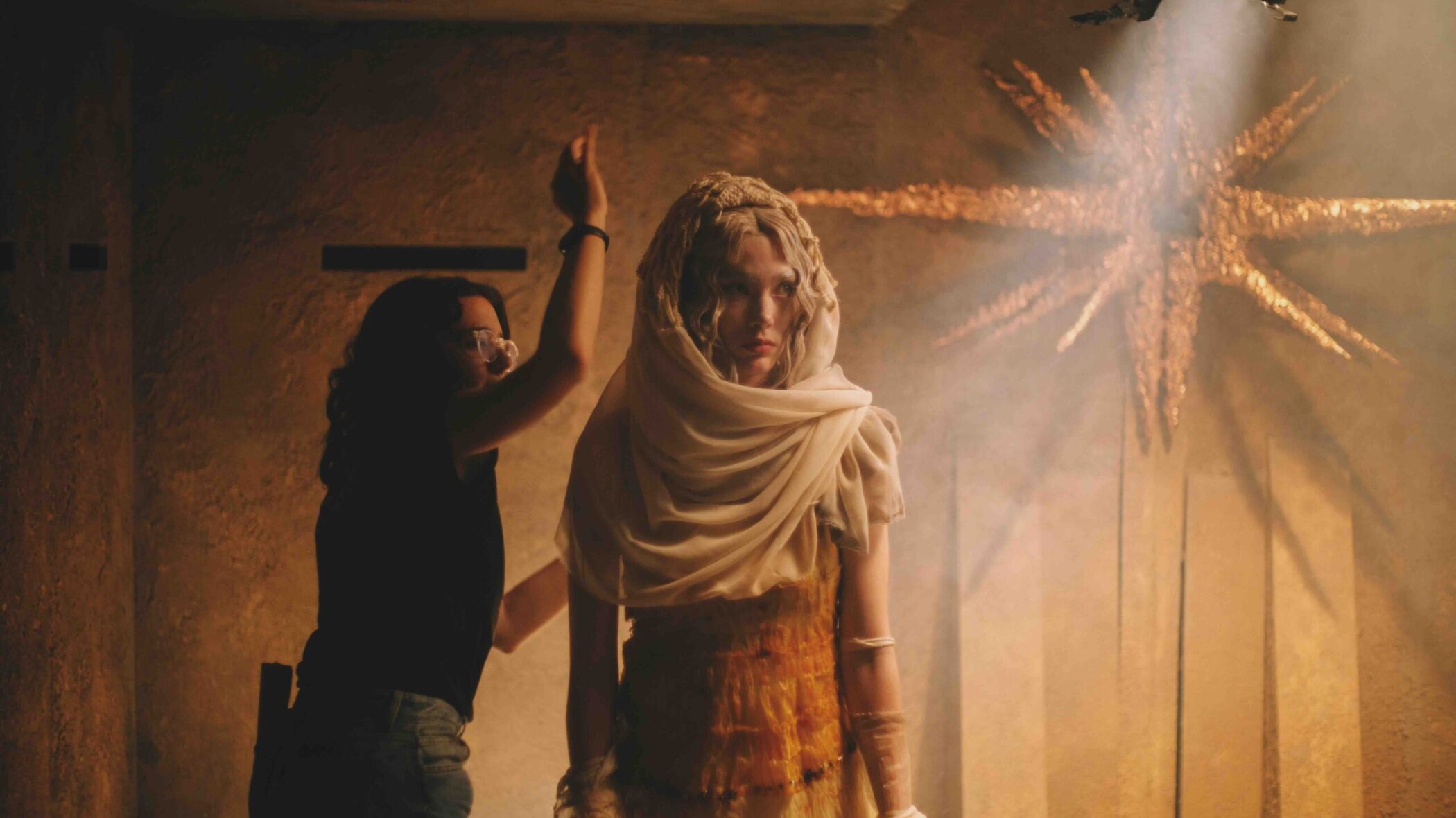
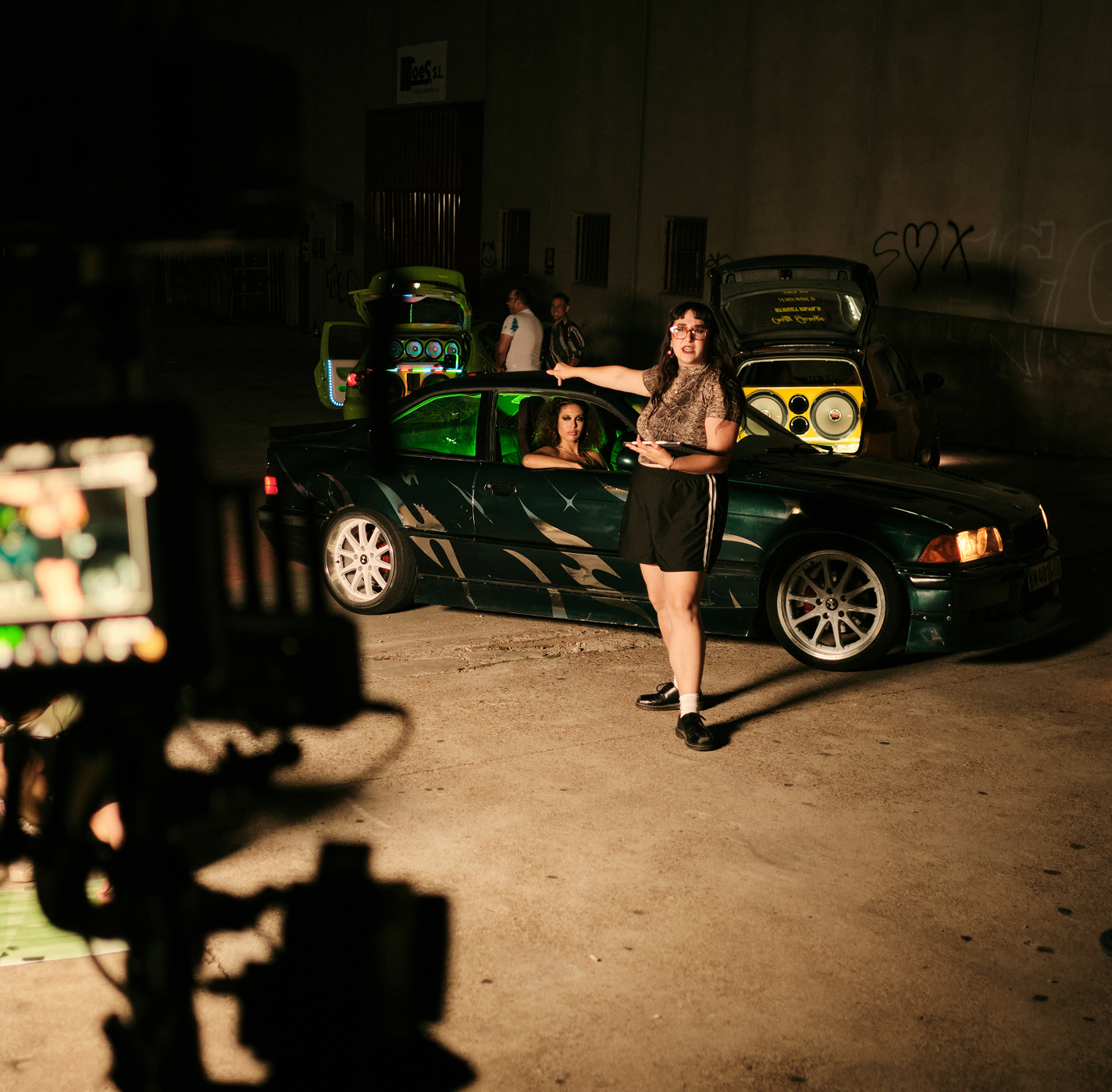
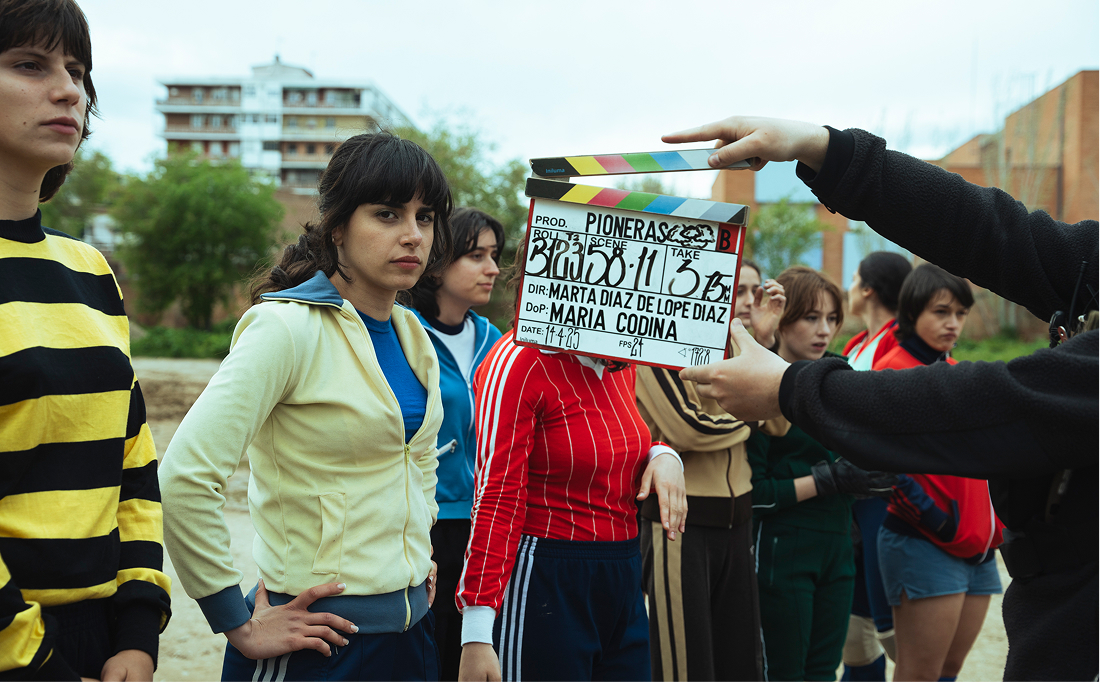
The University Master’s Degree in Film Directing trains filmmakers to lead audiovisual creation processes from an artistic, technical and critical perspective. The programme places the director at the centre of the filmmaking process, understanding it as a space where narrative, mise-en-scène, actor direction, visual and sound design, and ethical reflection on images converge.
Throughout the master’s degree, students study the history of film directing, analyse key filmmakers and movements, explore the relationships between body, image and representation, and develop tools for building their own authorial vision. The programme combines theoretical research, reference analysis and practical workshops focused on creating original projects.
The programme gives special attention to working with performers, coordinating artistic and technical teams, and the ability to turn an idea into a coherent film proposal in aesthetic, narrative and emotional terms. It also encourages academic research and critical reflection on cinematic language, preparing students to develop creative projects, research work or future careers in teaching and culture.
The Master’s Final Project allows students to complete their training by producing an audiovisual or research project that brings together all the skills acquired during the course
Intended Audience
This master’s is aimed at people with a passion for film direction and the development of audiovisual stories, interested in leading creative processes and turning ideas into film projects with a distinctive identity. It is designed for candidates with a narrative and creative flair in using the visual and dramatic resources of cinema. Particular importance is attached to an interest in the history and language of cinema, as well as a basic understanding of the role of film direction in the creation of stories and audiovisual worlds.
Learning outcomes
Students will develop creative leadership, critical analysis, research, and complex audiovisual project development skills, integrating the narrative, expressive, and methodological tools of contemporary film directing.
-
Creative and Narrative Skills
-
Apply theories of mise-en-scène from narrative, cultural, and aesthetic perspectives.
Master point of view, rhythm, conflict, tone, and character development.
Understand the narrative contribution of cinematography, sound, art direction, and editing.
Direct performers in a way that is consistent with the overall vision of the project.
Develop a distinctive authorial vision capable of shaping original forms of cinematic expression.
-
-
Technical Skills
-
Design and plan complete audiovisual projects.
Manage production, editing, and post-production processes.
Understand contemporary narrative and technological trends.
Integrate creative and technical decisions from writing through to the final result.
Conduct well-founded academic and creative research.
-
-
Analytical and Planning Skills
-
Analyse key milestones and movements in the history of film directing.
Evaluate the aesthetic and technical transformations of contemporary cinema.
Interpret audiovisual works using narrative and iconographic tools.
Manage complex teams and production processes.
Reflect critically on the ethical, social, and cultural impact of creative decisions.
-
-
Interpersonal and Communication Skills
-
Communicate projects to both specialist and general audiences.
Lead creative and technical teams.
Coordinate collaborative creative processes.
Manage inclusive and respectful working dynamics.
Listen to and incorporate diverse contributions throughout the creative process.
-
-
Professional and Development Skills
-
Apply knowledge in real professional contexts.
Manage projects from conception through post-production.
Act in accordance with ethical and professional principles.
Develop processes for continuous improvement and self-assessment.
Generate knowledge through research applied to cinema.
-
Career Opportunities
The University Master’s Degree in Film Directing trains professionals to lead audiovisual projects from conception to completion, integrating creative, narrative, and technical skills with team management.
The programme provides an advanced understanding of the aesthetic, historical, and ethical aspects of audiovisual creation, enabling students to develop their own authorial voice and a critical perspective on filmmaking practice.
Our graduates build careers in many areas of the entertainment and communications sector:
- Feature films.
- Short films and auteur works.
- Series and content for television and platforms.
- Documentaries and hybrid projects.
- Advertising, music videos, and digital audiovisual content.
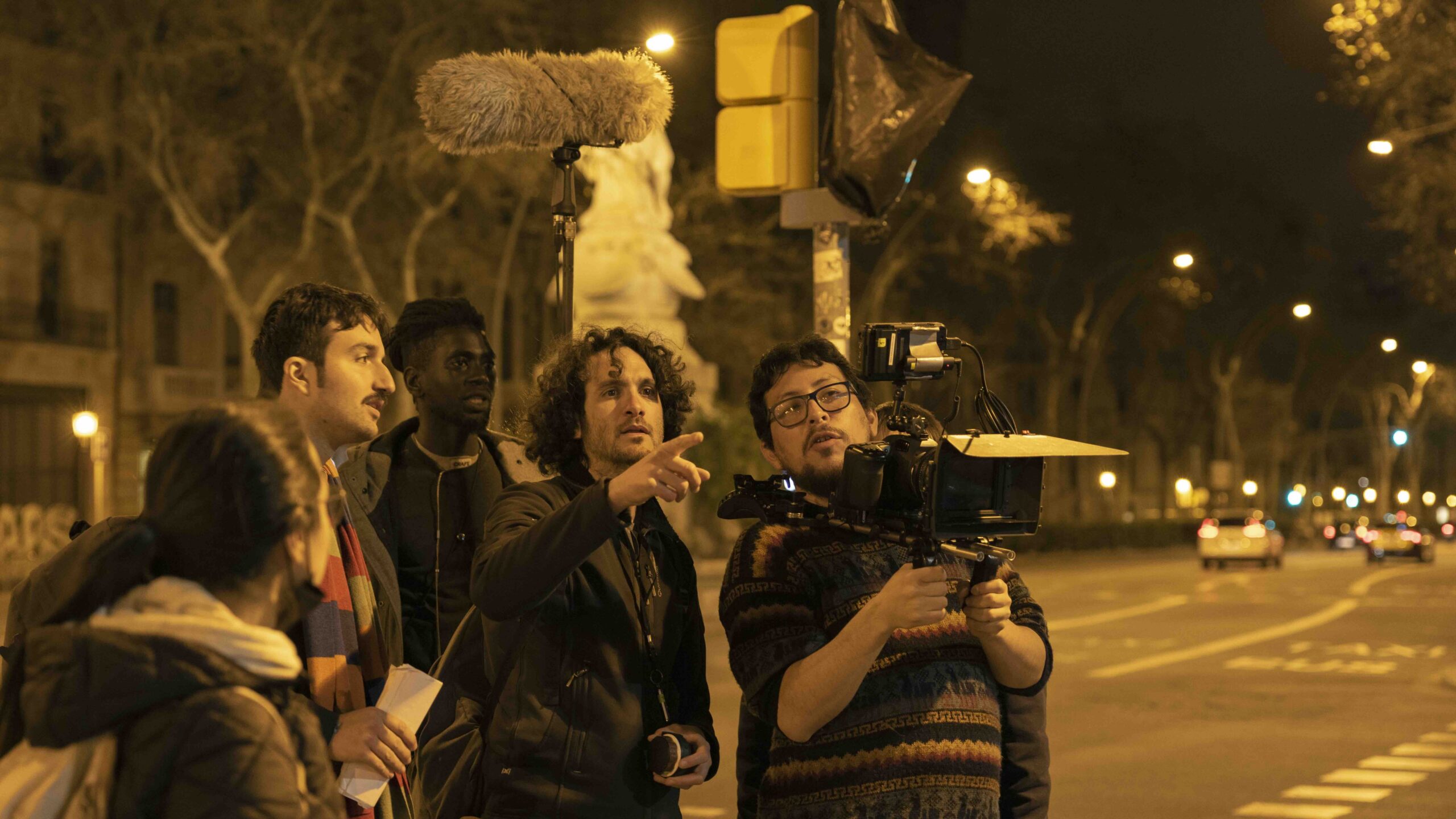
Audiovisual Directing and Creation
- Film director.
- Series and audiovisual fiction director.
- Audiovisual director.
- Creative director for audiovisual content.
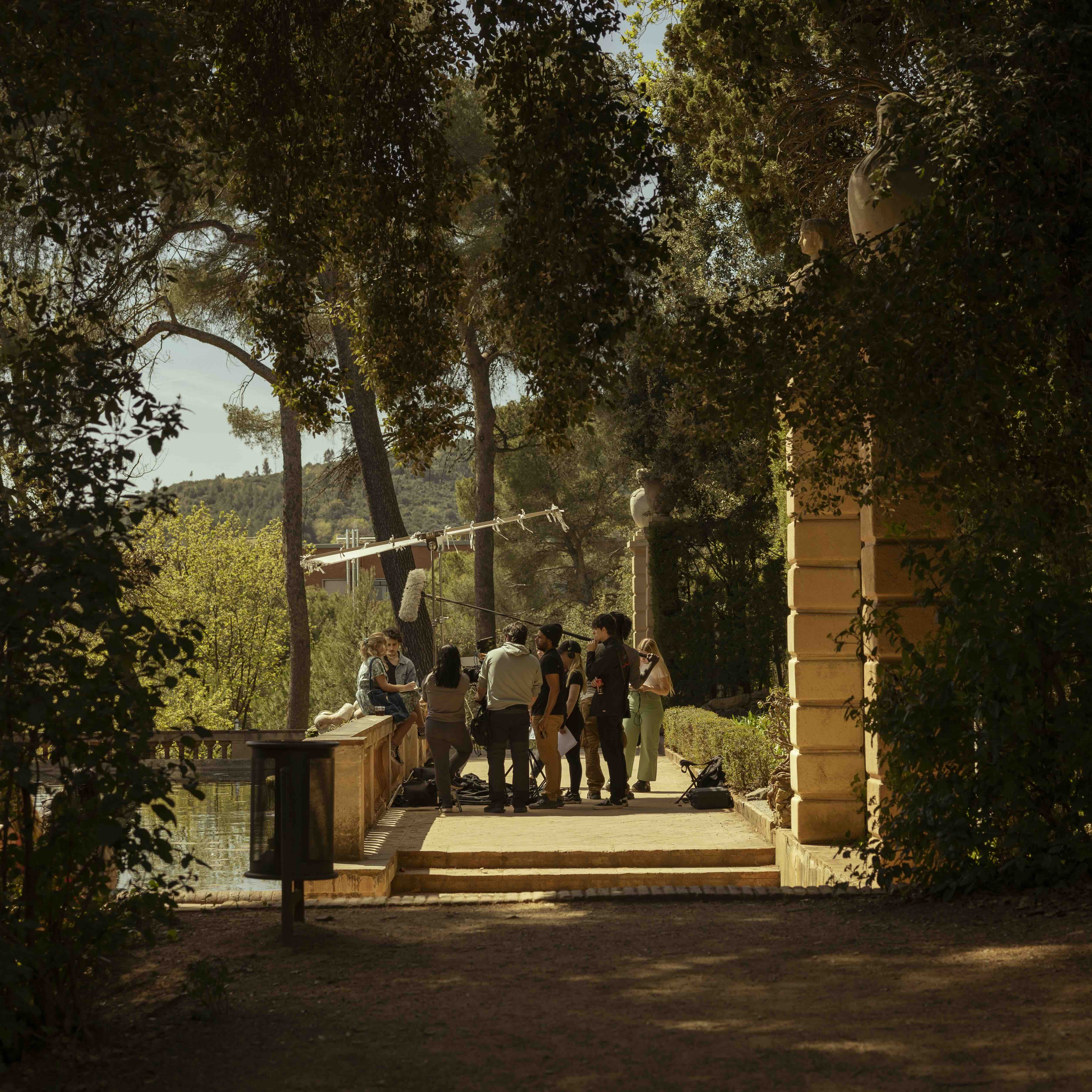
Production Development and Management
- Assistant director.
- Second-unit director.
- Audiovisual project development consultant.
Research, Criticism and Programming
- Researcher in film directing and audiovisual creation.
- Film and audiovisual critic.
- Programmer for film festivals and screenings.
Curriculum
-
Screenwriting for Directors
-
Developing ideas, dramatic construction, characters and audiovisual writing from the perspective of film directing.
This course offers an in-depth exploration of the fundamentals of audiovisual storytelling, approaching the screenplay not merely as a text written beforehand, but as the first and fundamental tool of staging. Throughout the course, you will delve into dramatic structure, character creation, conflict design and plot development from a critical, creative and authorial perspective.
You will learn to turn your ideas into viable film projects by writing synopses, treatments and outlines. You will also develop your ability to critically analyse your own and others’ screenplays to identify strengths and weaknesses in the storytelling and dialogue, understanding how the screenplay becomes the director’s roadmap for making decisions about pacing, tone, atmosphere and directing actors.
-
-
Audiovisual Concept and References
-
Building audiovisual worlds through the study of visual, photographic and sound references.
Designed to help you develop a strong and distinctive cinematic vision, this course explores how cinematography and sound design come together as fundamental expressive languages for creating atmospheres, rhythms and meanings. Through critical analysis of historical and contemporary references and the study of key auteur styles, you will examine how lighting, framing, movement, colour and visual texture interact with music, effects, ambience and dialogue to shape the viewer’s emotional experience.
The course combines this analytical framework with practical conceptualisation exercises in which you will learn to define, substantiate and communicate an audiovisual proposal that is coherent with your screenplay’s narrative needs, from an aesthetic, technical and sensory perspective.
Course syllabus
-
-
History of Film Directing
-
Analysis of the historical development of the director’s role and the key movements in film history.
This course offers a critical, contextualised review of the development of film directing, connecting filmmakers’ practices with their historical, social, political and technological contexts. By studying key figures and landmark film movements, you will understand how the director’s role has changed over time in response to shifts in the industry, aesthetic movements and audience habits.
Beyond a simple chronology, analysing significant works will allow you to assess the director in three roles: as an author, an artistic coordinator and a mediator between aesthetic intention and the production context. The course encourages an engaged reading of the past, so you can apply its influences to your contemporary projects and understand directing as a field of constant tension between technique, aesthetics and ethics in the creation of new discourses and ideologies.
Course syllabus
-
-
Point of view, tone and découpage
-
Exploring the relationships between representation, corporeality, perception and contemporary audiovisual creation.
A space for theoretical and practical research that explores the transition from intuition, perception and bodily presence to cinematic thought. In practical sessions, you will work with cutting-edge methods of live improvisation and stage composition, such as Viewpoints, the open scores of Tuning Scores, the voice, body and narrative improvisation of Action Theater, the kinetic analysis of Improvisation Technologies and collective decision-making on stage through Real Time Composition.
On the theoretical side, the course examines the relationship between body and screen through post-continental philosophy, poststructuralism and phenomenology, drawing on the “affective turn” in film: cinema as body (Vivian Sobchack), as skin (Laura Marks), as viscera (Jennifer Barker), as performance (Elena del Río) and as affective form (Eugenie Brinkema). This exploration will teach you to use performance and somatic perception as tools for filmmaking and directing.
Course syllabus
-
-
Authors and Genres
-
A critical study of film genres and filmmakers who have transformed the audiovisual language.
An in-depth exploration of the narrative structures, visual conventions and recurring themes of the major film genres (drama, thriller, comedy, film noir, musical, horror, science fiction), as well as the auteur figures who have consolidated, subverted or transformed them. Through comparative analysis of representative works, you will understand how genres respond to specific cultural, historical and market contexts.
At the same time, you will analyse how influential filmmakers bring their personal vision to enrich audiovisual language, whether by respecting or breaking with audience expectations. This course will equip you with sound judgement to identify genre conventions and consciously reinterpret their possibilities in your own creative work.
Course syllabus
-
-
Directing Actors
-
Practical work on acting, rehearsals, directing performers and collaborative creative processes.
This subject approaches the relationship between the director and the cast from a demystified, egalitarian and empathetic perspective, viewing the performer as an active creative participant rather than a mere executor of orders. Throughout the course, you will explore the main acting methodologies, both classical and contemporary, from a holistic and open-minded perspective, with theory serving as the starting point for a living practice.
You will train in table work, leading rehearsals and making decisions on set, engaging directly with the physical and emotional dimensions of the scene. The subject embraces “accident” and improvisation as spaces for artistic discovery, teaching you to take the risk of the intangible as a safe space for creation and to build the scene through listening and the truth of what is happening in the moment.
Course syllabus
-
-
Process Analysis and Criticism
-
Analysis of the methodologies and working materials used by filmmakers throughout all stages of creation, and critical readings of films.
With a deeply collaborative, cross-disciplinary and collective vision of the art of cinema, this course proposes an analysis of the various stages a director goes through during the production of a film. The programme is structured around the analysis of the working materials, written documents, tools and methodologies of key filmmakers, complemented by contributions from active creators who will share their experience of the different stages of the process, from script to post-production, including cinematography and sound. Through this analytical work, the course teaches students to manage the tension between control and chance, encouraging attentive listening and flexibility in guiding an entire team towards a shared artistic vision. Finally, the course brings a creative perspective to the field of film criticism.
Course syllabus
-
-
MFP
-
Course syllabus
-
Master’s Final Project – MFP
The Master’s Final Project brings the programme to a close through the development of an original audiovisual project or a specialised research project. Students integrate narrative, technical, critical and organisational skills, demonstrating the ability to lead complex creative processes with professional autonomy.
-
Audiovisual creative project
-
This option aims to develop an original audiovisual project that allows students to put into practice the knowledge they have acquired in film directing, audiovisual storytelling and the creation of their own authorial vision.
The project may take different audiovisual formats, such as a fiction short film, documentary, audiovisual essay, experimental film or other forms of creation linked to contemporary cinematic language. Students will develop the proposal from the conceptual stage through to defining the staging, shaping a coherent creative vision through narrative, visual, sound and directing decisions.
Particular value will be placed on the ability to develop a distinctive cinematic perspective, direct actors in a way that is consistent with the project’s aims, integrate visual and sound resources expressively, and manage the planning and production processes involved in film directing effectively.
The project must be accompanied by a written report that contextualises the proposal, presents the artistic and cinematic references used, describes the working methodology, justifies the creative decisions made and critically reflects on the process and the results obtained.
-
-
Research project
-
This format aims to develop original research on film directing, its methodologies, forms of representation, and relationships with history, culture, society, and contemporary thought.
Students must formulate a relevant research question, define the scope of a subject of study, and establish an appropriate theoretical and methodological framework for conducting the analysis. Research may focus on issues related to the history of film directing, the analysis of filmmakers and works, mise-en-scène, actor direction, creative processes, relationships between body and image, film genres, or contemporary transformations in audiovisual language.
Students’ ability to develop a rigorous argument, establish links between different theoretical perspectives, place the phenomena studied in their historical context, and construct original interpretations grounded in bibliographic, audiovisual, and documentary sources will be assessed.
The research must demonstrate intellectual independence, methodological rigour, critical ability, and a significant contribution to the field of film directing studies.
-
-
Regulations and protocol for Master’s Final Projects
-
In both modes, the Master’s Final Project (MFP) will be carried out under the supervision of a specialist faculty member, who will guide the student in defining the project, planning the work, choosing the methodology, and developing the proposed objectives.
In the research mode, supervision will focus on developing the theoretical framework, selecting and analysing sources, designing the methodology, and structuring the work academically. In the creative mode, guidance will address both conceptual development and mise-en-scène, narrative strategies, actor direction, aesthetic decisions, and production planning.
The school will provide academic guidance and access to technical resources, while the student will be solely responsible for funding the project. In all cases, the MFP must demonstrate a deep understanding of film directing as an artistic, intellectual, and professional practice, showing the student’s ability to develop an individual vision, substantiate their decisions, and put forward relevant proposals within contemporary cinema.
-
Student Projects
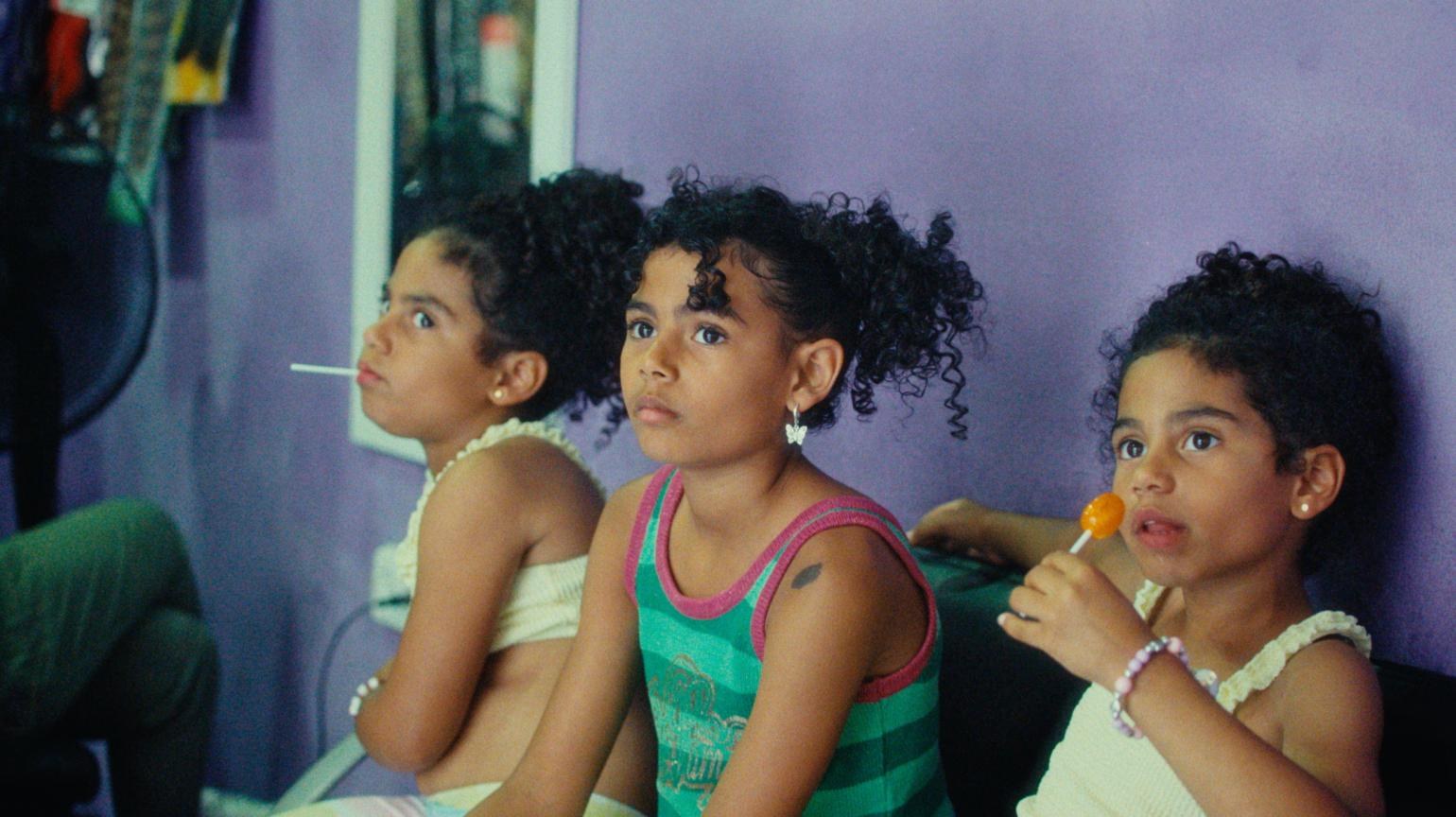
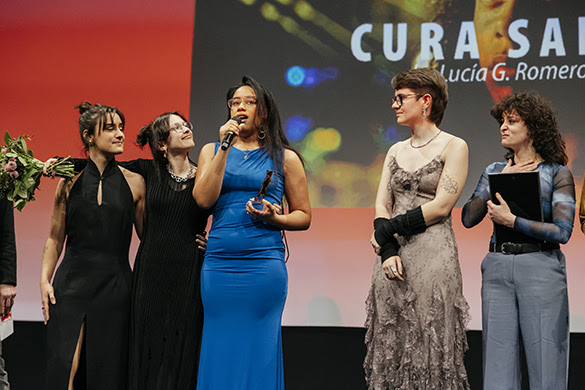
Curasana:
Authorship pending (REVISAR)
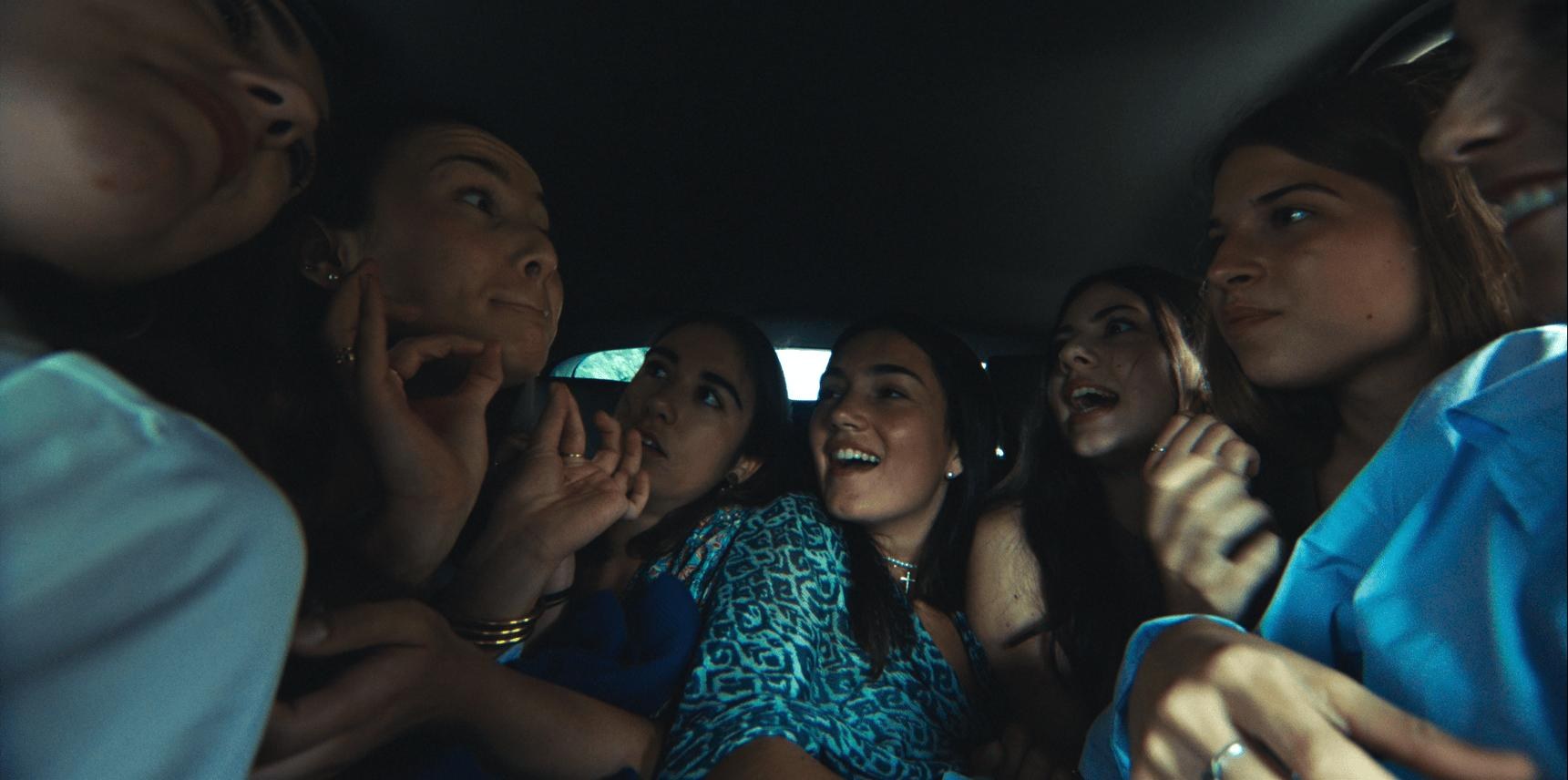
Gamberra:
Authorship pending (REVIEW)
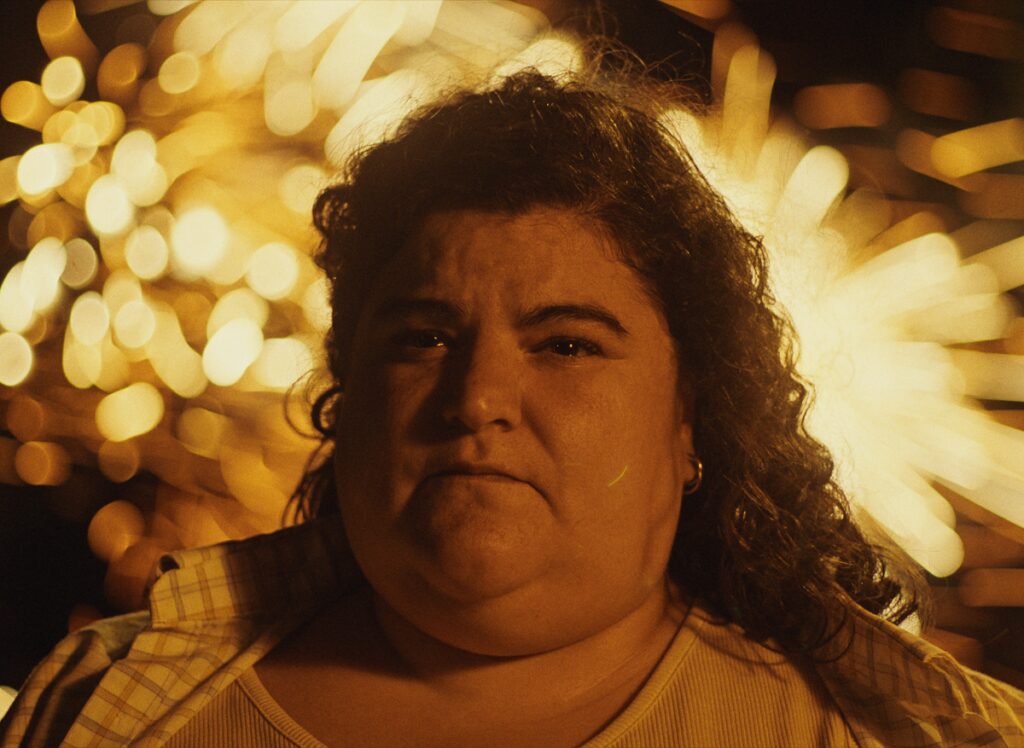
For Being a Witch and a Poisoner:
Authorship pending (REVISAR)
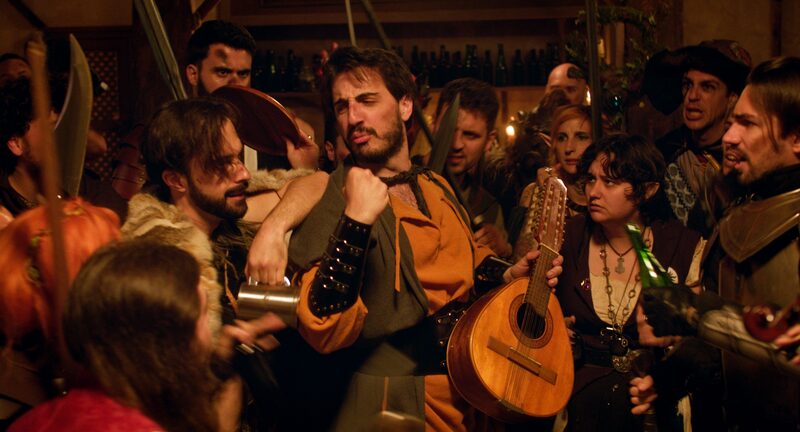
Therapies and Dungeons:
Authorship pending (REVIEW)
Methodology and Assessment
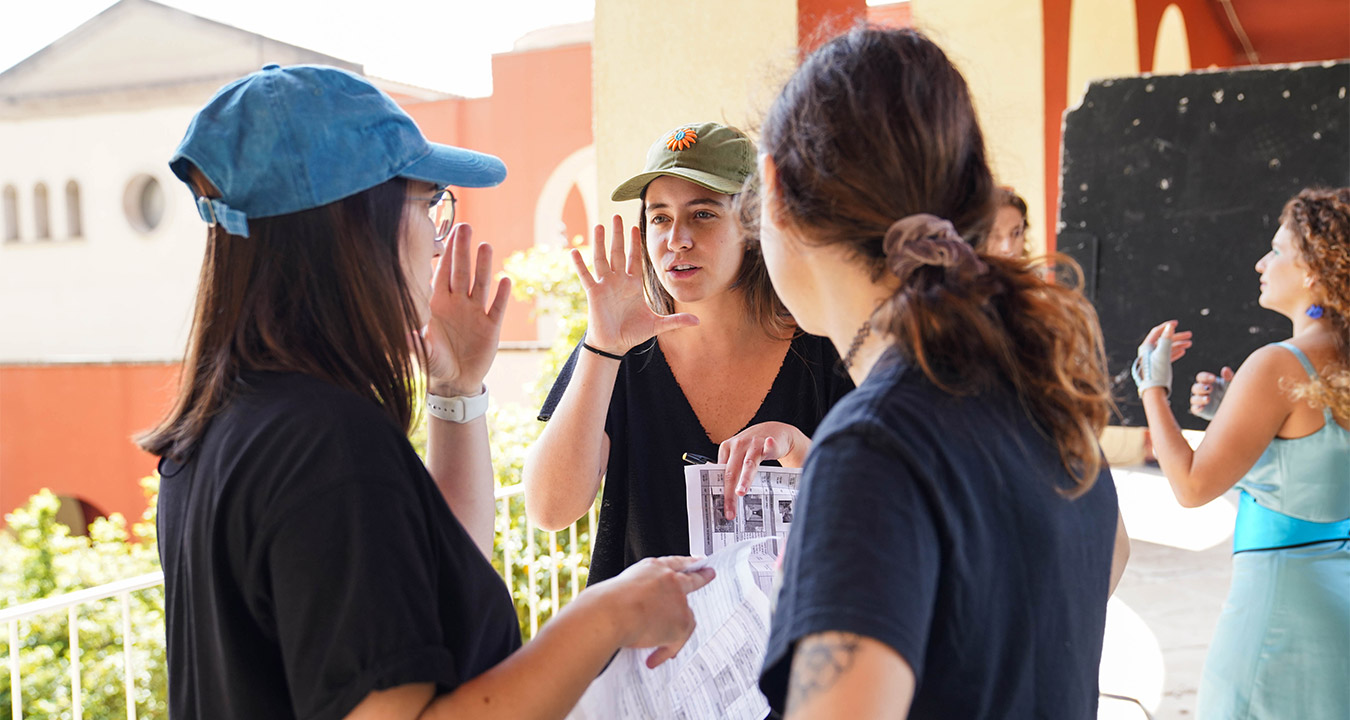
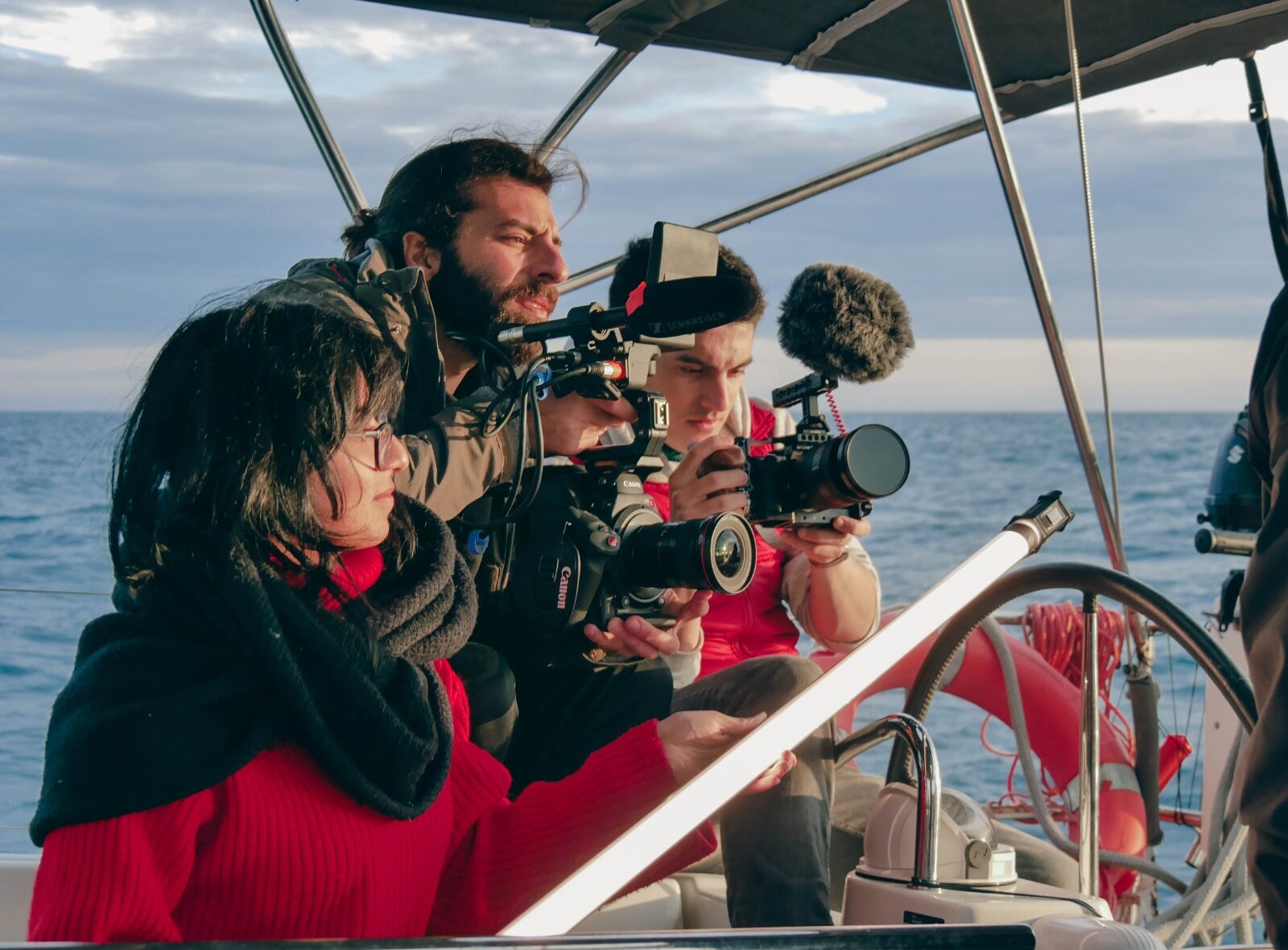
The University Master’s Degree in Film Directing combines theoretical training, critical analysis, applied research, and the development of creative projects. Learning is structured through a progressive methodology that enables students to understand film directing in both its artistic and professional dimensions. Throughout the programme, students analyse historical and contemporary references, develop their own proposals, take part in practical workshops, and work on projects that simulate real-world audiovisual production dynamics.
The teaching methodology encourages critical reflection, creative experimentation, and collaborative work, fostering the development of narrative, technical, research, and leadership skills. Learning is complemented by tutorials, individual follow-up, independent study, and activities geared towards the Master’s Final Project, where each student develops their own cinematic perspective and a professional working methodology.
-
Masterclasses
-
Sessions led by specialist faculty explore the historical, theoretical, and methodological foundations of film directing. These classes provide the conceptual framework needed to understand the evolution of audiovisual language, the main approaches to mise-en-scène, and contemporary transformations in cinema.
-
-
Film Analysis Seminars
-
Spaces for analysis and debate focusing on films, sequences, filmmakers, movements, and methods of filmmaking. Students develop tools for critical interpretation and learn to identify narrative, aesthetic, and ethical decisions in the works studied.
-
-
Practical Directing Workshops
-
Activities focused on applying creative tools related to mise-en-scène, actor direction, the construction of audiovisual space, and decision-making during creative processes. These workshops provide a practical opportunity to explore the content covered in theoretical courses.
-
-
Project-Based Learning
-
A methodology focused on developing original audiovisual proposals. Students research, design, develop and present film projects, applying their knowledge of storytelling, directing, analysis and audiovisual planning in settings close to professional practice.
-
-
Working with information sources
-
Activities focused on documentary research, the critical reading of specialist texts, the analysis of audiovisual materials and the consultation of artistic and academic references. These tasks help develop research skills and provide a conceptual foundation for creative projects.
-
-
Oral presentations and project presentations
-
Public presentation of research, exercises and audiovisual proposals. These activities strengthen the ability to communicate, construct arguments and defend creative decisions before specialist and non-specialist audiences.
-
-
Independent study
-
An individual learning process involving research, project development, preparation of exercises, analysis of references and writing assignments. It fosters intellectual independence, organisational skills and the development of an individual working methodology.
-
-
Academic tutorials and project supervision
-
One-to-one guidance from teaching staff to support project development, answer methodological questions and monitor students’ academic and creative progress throughout the course, particularly during the Master’s Final Project (MFP).
-
-
Assessment system
-
Assessment is continuous and combines different forms of evidence of learning to evaluate both the acquisition of knowledge and the development of creative, technical and research skills. The system includes written assignments, practical exercises, audiovisual analysis, oral presentations, applied activities and projects completed individually or in groups.
Critical reflection, active participation in teaching activities, the conceptual and formal quality of the proposals developed, the ability to integrate references and research methodologies, and the gradual development of an individual cinematic vision will also be assessed.
The process culminates in the completion and defence of the Master’s Final Project, in which students must demonstrate their ability to develop a creative or research proposal with academic rigour, methodological coherence, and artistic and professional strength.
-
Teaching staff
The master’s brings together researchers, critics, university lecturers and highly regarded professionals working in film studies, cultural studies, digital creation and new audiovisual media.
-
Manu Yáñez (co-director of the master's)
-
He holds a degree in Industrial Engineering from the Universitat Politècnica de Catalunya, a Master’s in Film Studies and a PhD in Communication from the Universitat Pompeu Fabra (UPF). As a film critic, he regularly contributes to specialist magazines such as Fotogramas, El Cultural, Kinetoscopio and Film Comment, as well as the newspaper ARA and the programme La Finestra Indiscreta on Catalunya Ràdio. He is editor-in-chief of the digital magazine Otros Cines Europa and editor of the anthology of critical essays La mirada americana: 50 años de Film Comment (Festival de Las Palmas). He has contributed to collective monographs on filmmakers such as Terence Davies, Claire Denis, Naomi Kawase and Rainer Werner Fassbinder. In addition to heading the Film Studies department and this master’s at ESCAC, he has given lectures at institutions such as Goethe University Frankfurt, CCCB and MARCO de Vigo. He is a member of ACCEC and FIPRESCI.
-
-
Geoffrey Cowper (co-director of the master's)
-
A graduate in Cinematography from ESCAC (Catalonia School of Cinema and Audiovisuals), specialising in Directing, he made his feature-film directorial debut with Tercer Grado (2015), an action thriller screened at and awarded prizes at international festivals. He has built an extensive career directing and making commercials, music videos and audiovisual content, combining genre cinema with contemporary narrative language. His most recent work includes directing the romantic comedy Books & Drinks (2024) and the first season of Berlín (2023) for Netflix. He teaches film directing and filmmaking at ESCAC, where he supervises undergraduate and master’s projects, as well as coordinating and taking part in practical audiovisual training workshops.
-
-
David Casademunt
-
A graduate in Cinematography from ESCAC (Catalonia School of Cinema and Audiovisuals), specialising in Directing, David Casademunt began his career in short films, advertising and music videos, working with artists such as Pablo Alborán, Antonio Orozco, Luis Fonsi and Love of Lesbian. His short film Jingle Bells enjoyed an extensive international run and was selected for the San Sebastián Festival.
In 2022, he made his feature-film debut with El Páramo, a Netflix original production that premiered earlier in the Official Selection of the Sitges Festival, establishing him as one of the emerging voices in Spanish fantasy cinema. His career combines directing, screenwriting and the development of audiovisual projects, bringing a contemporary perspective to genre cinema and cinematic storytelling.
-
-
Daniel Belenguer
-
He studied for a degree in Film and Audiovisual Media at ESCAC, specialising in screenwriting through a scholarship from the SGAE Foundation. After graduating, he wrote and directed the short film Judoka(2019), which was selected for festivals such as SEMINCI and In The Palace. Professionally, he has worked as a script assistant on the second season of the series Benvinguts a la familia (TV3/ARCA Audiovisual) and as a screenwriter and narrative designer for the video game company Digital Sun. He is currently a doctoral researcher in Film Studies at the Universitat Pompeu Fabra (Cinema Research Group), where he studies representations of left-wing melancholy in modern and contemporary cinema. He has also co-written chapters for publishers such as Tirant lo Blanch and Peter Lang. He combines his teaching with writing short films such as Lion Dreams (2024) and feature films in development for Contraria Media and Playtime Movies.
-
-
Mario Barranco-Navea
-
He holds a degree in Social and Cultural Anthropology from the University of Seville and a PhD in Communication from the Universitat Pompeu Fabra in Barcelona. He has participated in numerous Ministry of Education research projects and teaches at ESCAC on film, new media, avant-gardes of video games and performance creation. His publications include contributions to edited volumes such as Los héroes están muertos. Heroísmo y villanía en la televisión del nuevo milenio (Dolmen, 2014) and M. Night Shyamalan. El cineasta de cristal(Almuzara, 2019).
-
-
Jaume Claret Muxart
-
Trained in the first cohort at the Elías Querejeta Zine Eskola. His first feature film, Estrany Riu, premiered in the Orizzonti section of the Venice Film Festival and at the San Sebastián Film Festival, following his participation in the Ikusmira Berriak residencies and the Catalan Film Academy Script Residency. He is the creator of the short films Ella i jo (2020), Die Donau (2023) and La nostra habitació (2025), which premiered at international festivals including IFFR Rotterdam, San Sebastián and FIDMarseille, and were also screened at the Filmoteca de Catalunya and Tabakalera. He is a member of Arquitectura Filmada and teaches on the educational programme Cinema en curs (A Bao A Qu).
-
-
Samantha da Silva Diefenthaeler
-
She holds degrees in Communication from the Federal University of Rio Grande do Sul (Brazil) and the University of Lisbon (Portugal). She has a Master’s in Contemporary Film and Audiovisual Studies and a PhD from the Universitat Pompeu Fabra, focusing on the analysis of female comic roles in film history. She has taught courses including Mise-en-scène, Aesthetic Theory and Interactive Communication at the UAB and UPF. She is currently a postdoctoral researcher at the Universitat Pompeu Fabra, affiliated with the CINEMA research group.
-
-
Jaume Macià
-
With a doctorate in Pedagogy for his research on structural models for writing short-film screenplays, and a degree in Catalan Philology from the University of Barcelona (UB), he has an extensive academic career linked to screenwriting and audiovisual education.
Since the 1994-1995 academic year, he has taught a range of courses in the Screenwriting Department at the Catalonia College of Cinema and Audiovisual Arts (ESCAC), where he serves as head of studies.
His work combines pedagogical research with the teaching of audiovisual writing, with particular attention to narrative structures and the processes involved in developing screenplays. His career places him at the intersection of teaching practice, research into screenwriting and academic coordination.
-
-
Anna Petrus
-
A graduate in Audiovisual Communication from the University Pompeu Fabra (UPF) and a holder of a PhD from UIC Barcelona, she completed her film studies with mentors such as Víctor Erice and Pedro Costa. She teaches New Trends in Contemporary Documentary at ESCAC. As a filmmaker, she has directed the documentary short films Es Llogaret (2006), L’oblit a l’oli (2009), and the experimental piece 345 segons del meu viatge a Nova York (2010). She is a critic for publications such as Dirigido por and La Vanguardia. She has coordinated projects such as “In Between Days” and has an extensive track record as a programmer, artistic co-director of DocsBarcelona and programming adviser to Sheffield Doc Fest.
-
-
Adrià Guardiola
-
A graduate in Cinematography from ESCAC, with a master’s degree in Film Theory and currently pursuing a doctorate in Communication at UPF, he teaches on ESCAC’s official degree programme. As a director, he has made the short films Pisito, Under_Pixel and Con vistas (in collaboration with Abbas Kiarostami), which have had an international reach. As a filmmaker and cinematographer, he has worked on documentary series for platforms such as Amazon Prime (Alexia, Moto GP Unlimited, Fuera de Plano). He directed the feature film Solo arrojaron (2024) and video essays programmed at MACBA and the Centre d’Arts Santa Mònica; he has also collaborated with the BBC and BFI.
-
-
Gerard Oms
-
Trained at the Institut del Teatre in Barcelona and at the Parnassos School in Utrecht. He has built an outstanding career as an acting coach for actors such as Mario Casas, Bárbara Lennie, Ana Wagener, Leonardo Sbaraglia, Lola Dueñas and Patrick Criado. As a director and screenwriter, he made his debut with the short film Inefable (D’A 2021), winner of the First Prize at the Huesca Film Festival and selected among the year’s best shorts by Caimán Cuadernos de Cine. His second short film, Has estado, hace tiempo, premiered at Seminci 2022. His first feature film, Molt lluny (2025), competed in the Official Section of the Málaga Film Festival, winning two Silver Biznagas (Best Actor for Mario Casas and the Critics’ Jury Award). It was also named Best First Feature at the Guadalajara International Film Festival (FICG) and screened in the Made in Spain section of the San Sebastián Festival.
-
Key information
Qualification
University Master’s Degree in Film Directing
Master’s Programme Directors
Manu Yáñez and Geoffrey Cowper
Start date
20/09/2027 supplementary courses
27/09/2027 start of classes
Submission of the Master's Final Project
22/06/2028 (First session)
2/10/2028 (Second session)
Language
Spanish
Credits
60 ECTS
Early-bird price
€10.395 before 09/04/2027
Available Places
25
Master's Coordinator
Èric Gurrera
End of classes
12/05/2028
Schedule
Mon–Fri, 15h to 19h
Mode
In person
Price
11.550€
Location
Terrassa