es | ca | en |

5-Week Intensive Filmmaking Programme 

Five weeks of filmmaking at ESCAC: shoot on 16 mm, direct actors and co-direct two short films on a professionally prepared set, from script to final screening.
Overview

From your first shoot on 16 mm to two collaborative short films: five weeks to develop your voice as a filmmaker through real production experience.

This five-week intensive programme immerses aspiring filmmakers in the creative and practical processes of filmmaking, with a particular focus on directing actors. Students explore character, dramatic action, performance, mise-en-scène, cinematography and sound through workshops and collaborative productions.

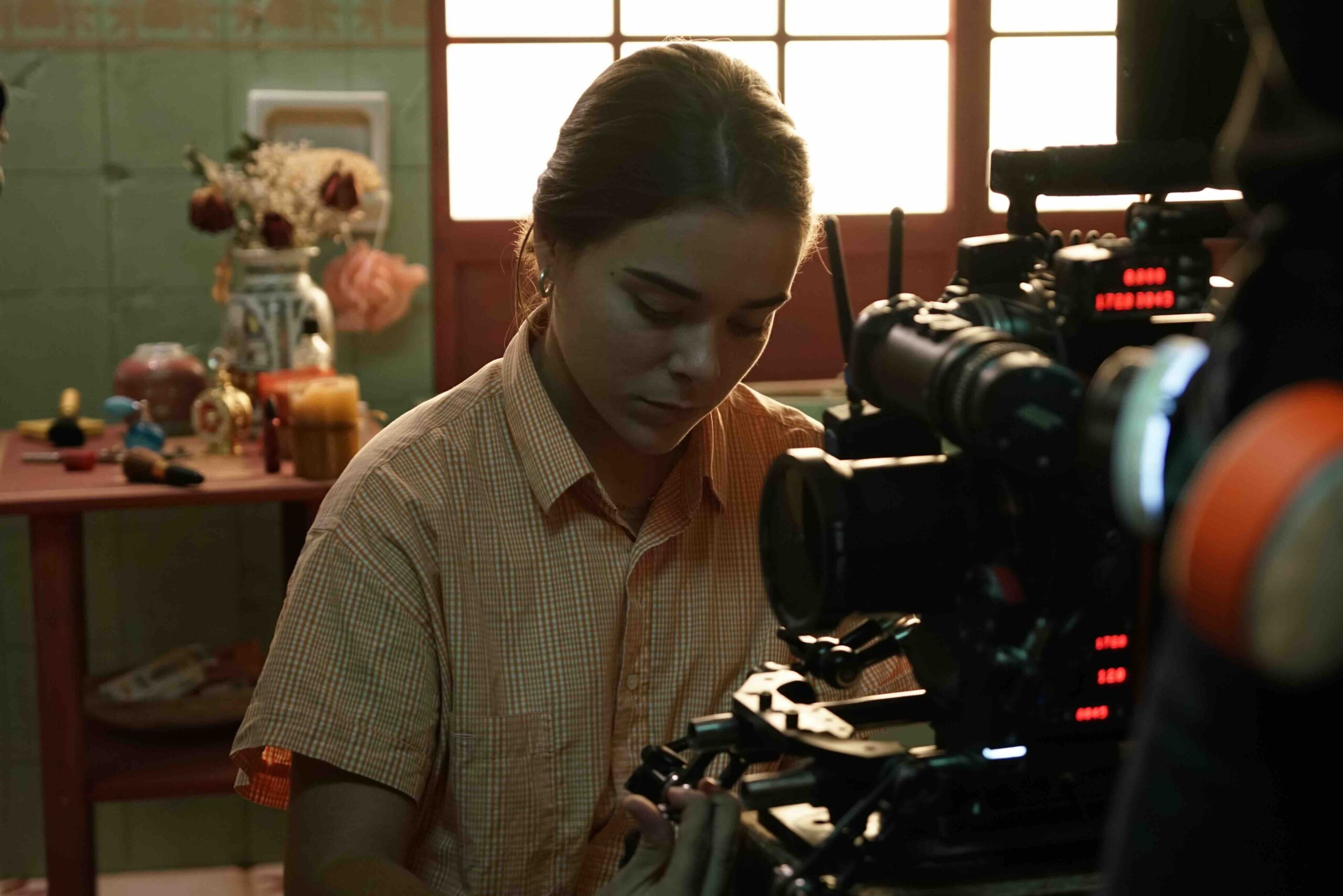
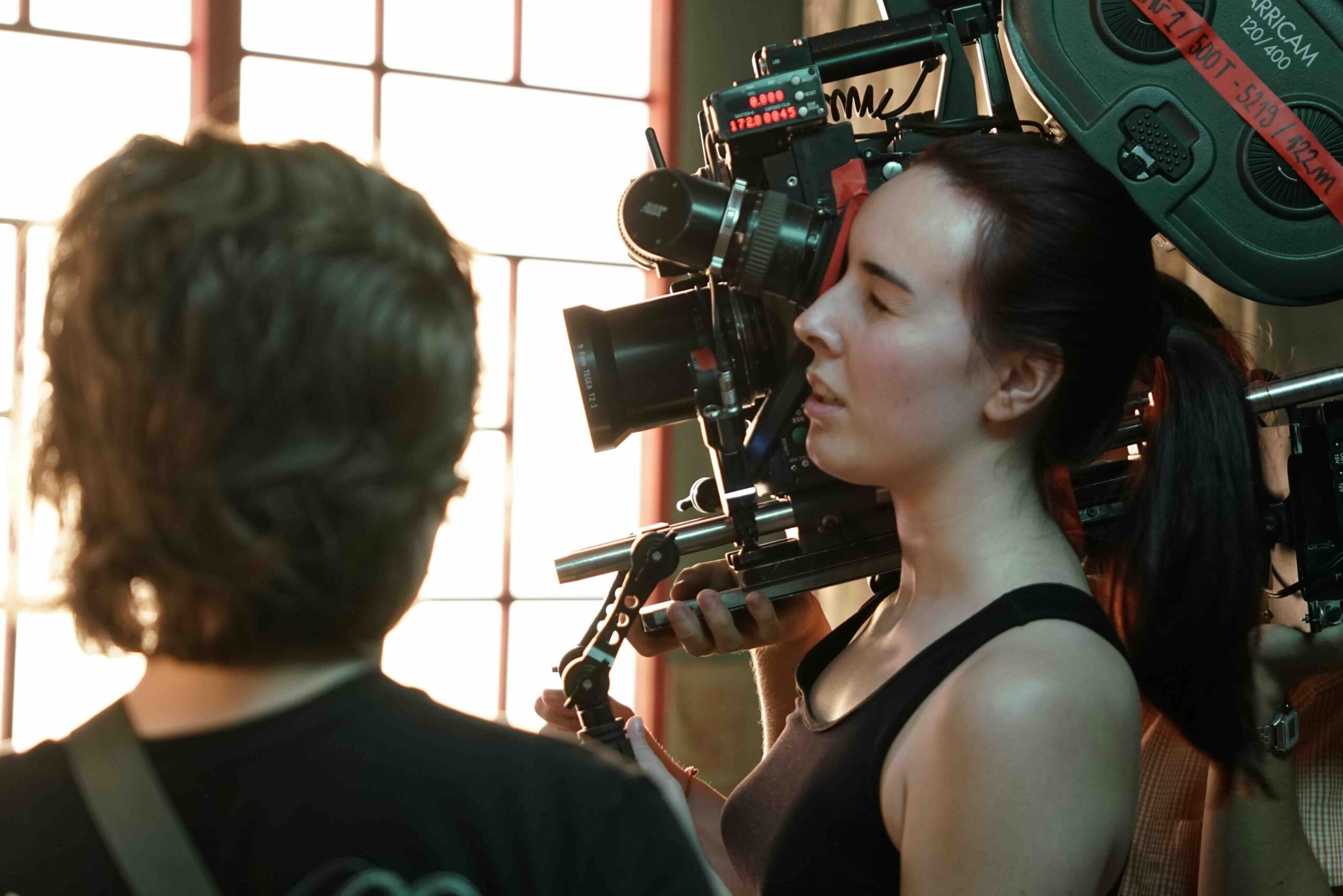
The first week centres on a short character-introduction exercise shot on 16 mm: an immediate encounter with analogue filmmaking, creative constraints and teamwork. During the second and third weeks, students deepen their directing skills through rehearsals with actors, scene work and preparation for two short films per team.

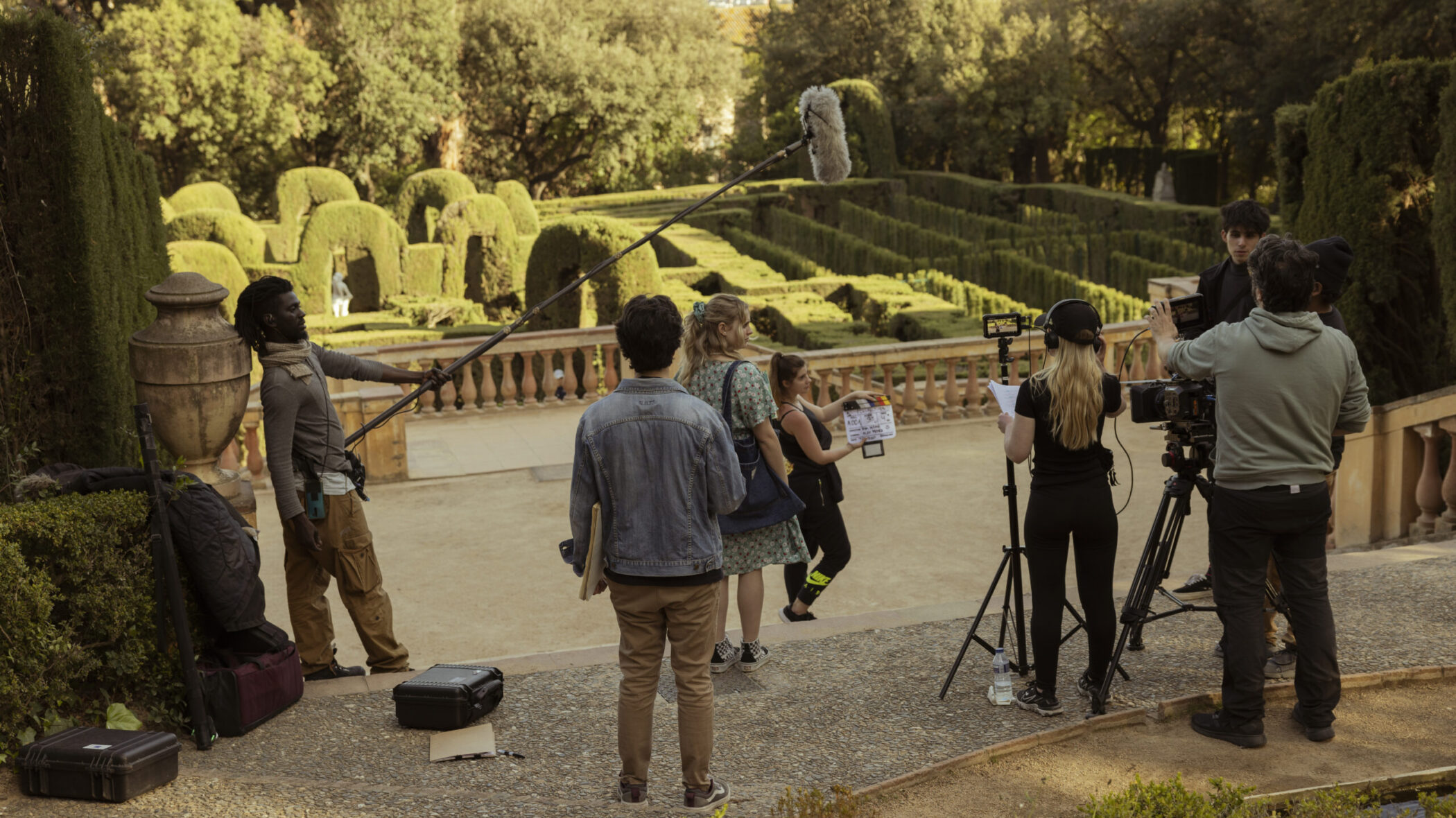
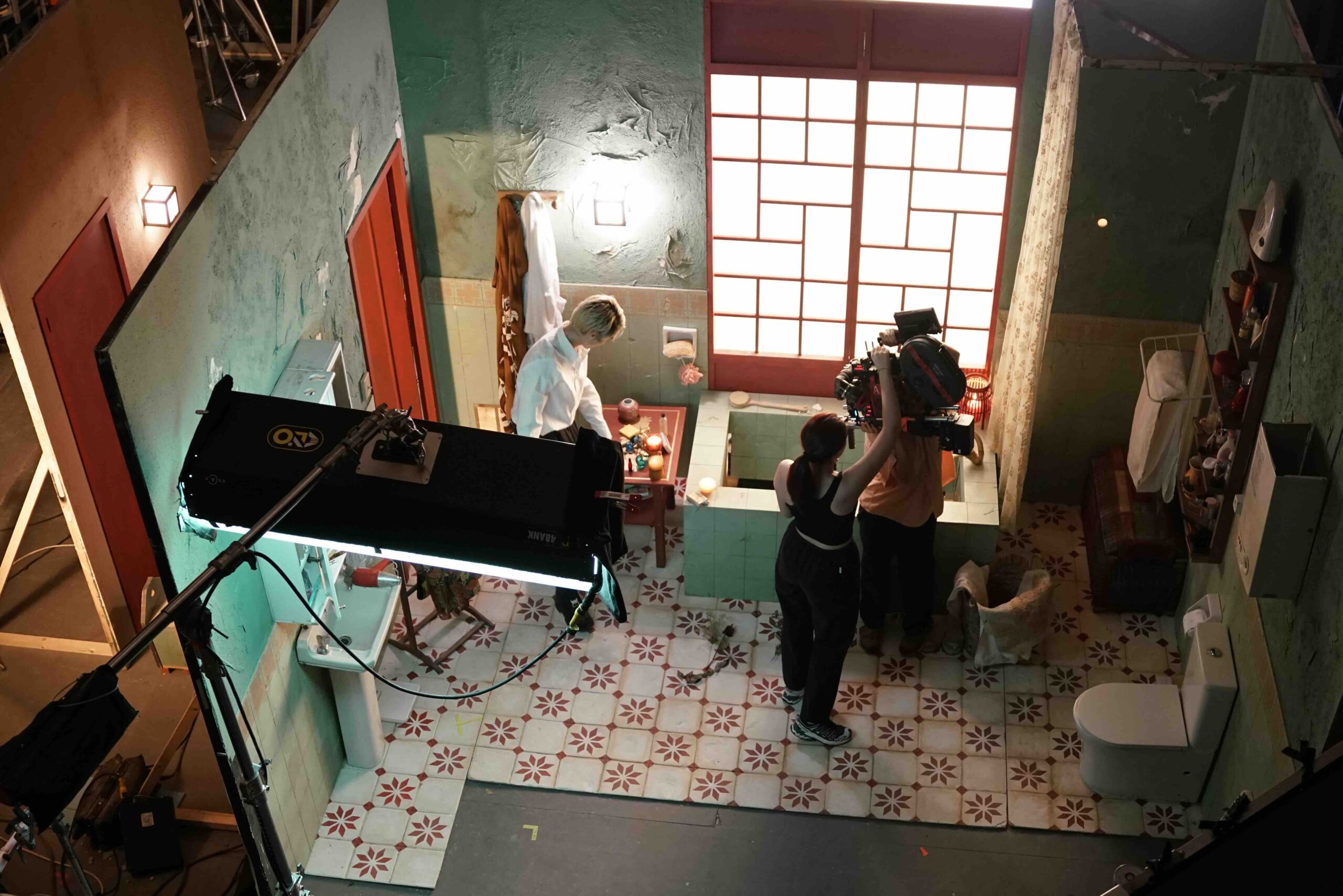
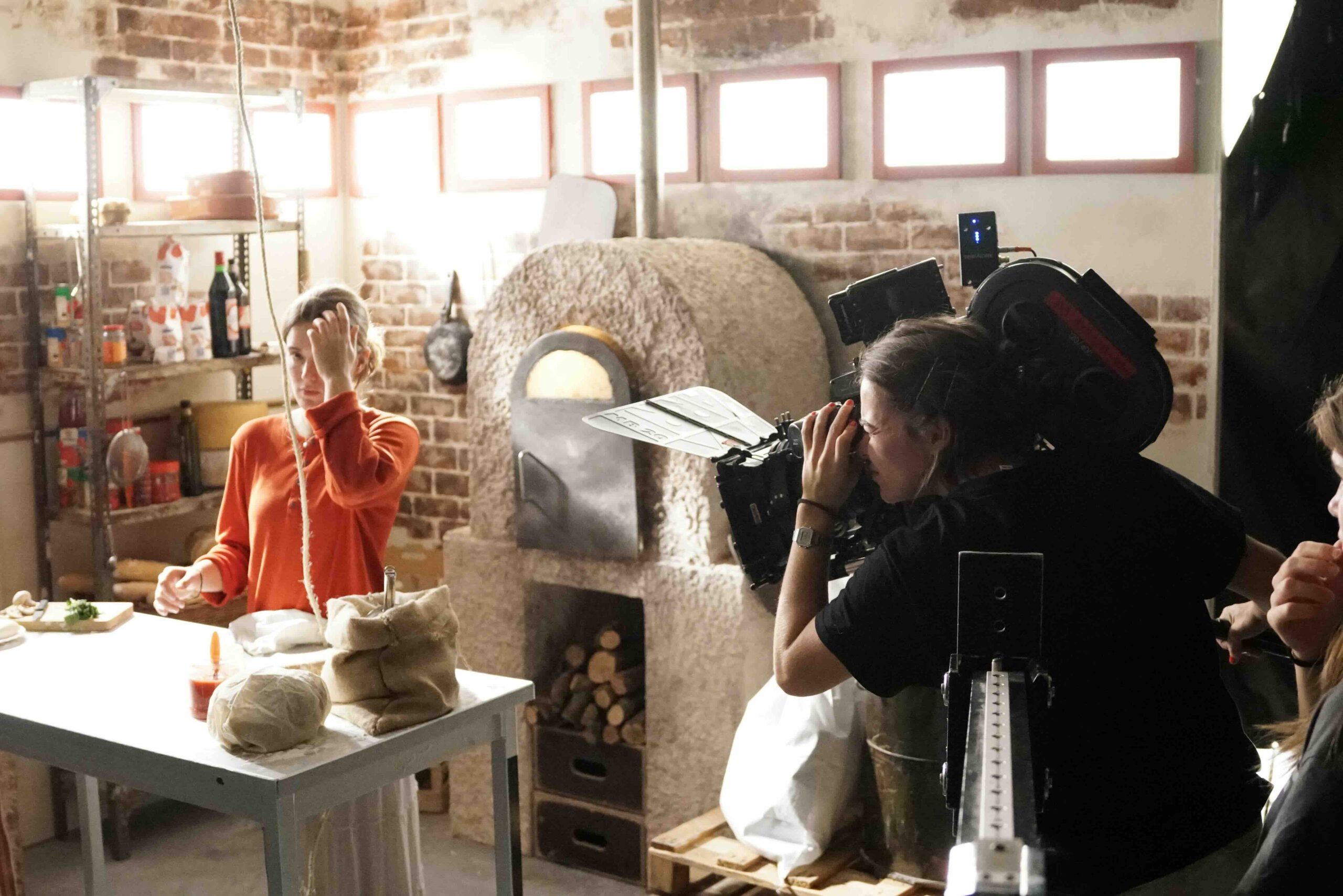
In the final two weeks, students shoot on a set prepared by ESCAC and rotate roles between productions. Each team makes two short films, for a total of ten across the programme. Editing, sound and finishing culminate in a final showcase.

Each student arrives with an original three-page script based on a shared premise provided in advance by the school and takes part in selecting the two projects for their team.

Intended Audience

For emerging filmmakers and international students seeking an intensive, hands-on film directing experience. Ideal for those interested in performance, storytelling, analogue filmmaking and collaborative creation. A willingness to share decisions and responsibilities is required.

Learning outcomes

Through practical workshops and three collaborative film projects, students develop creative judgement, technical knowledge and the ability to transform a script into a completed audiovisual work.

  • Creative and storytelling skills
    • Create distinctive characters and concise dramatic situations.

      Translate narrative intent into mise-en-scène and visual storytelling.

      Direct actors through objectives, actions, movement and rehearsals.

      Shape performances, rhythm and point of view through cinematic choices.

      Adapt a creative vision to the possibilities and limitations of a set.

  • Technical skills
    • Understand the 16 mm filming process, from exposure to scanning.

      Plan shots, camera positions, lighting and coverage.

      Prepare a set for filming and collaborate in different crew roles.

      Organise filmed material and develop an edit with a coherent dramatic rhythm.

      Take part in sound editing, basic finishing and delivery.

  • Analytical and planning skills
    • Analyse scenes, characters and dramatic objectives.

      Assess script proposals for artistic potential and feasibility.

      Prepare breakdowns, shot lists, storyboards and shooting schedules.

      Anticipate continuity, performance and production constraints.

      Review filmed material and identify possible improvements.

  • Interpersonal and communication skills
    • Present and clearly defend a creative proposal.

      Give actors useful direction and constructive feedback.

      Listen to the team and negotiate shared creative decisions.

      Coordinate responsibilities within a small team.

      Present and discuss completed work with an audience.

  • Personal and professional development skills
    • Make decisions confidently within time and resource constraints.

      Respond constructively to criticism and creative uncertainty.

      Take on individual responsibilities and shared deliverables.

      Adapt to rotating roles and collaborative leadership.

      Reflect critically on your own filmmaking practice.

Career opportunities

The programme develops skills useful to aspiring directors and creative collaborators in fiction filmmaking. It offers practical experience for continuing studies, producing independent short films and taking entry-level roles in audiovisual projects.
 

Film directing

  • Emerging filmmaker
  • Assistant director (entry level)

Creative development

  • Screenwriter / story developer
  • Script development assistant
  • Creative production assistant

Film production

  • Trainee assistant in the camera department
  • Production assistant
  • Post-production assistant

Curriculum

  • Week 1 · 16 mm character short film
    • Character development, scriptwriting, shot design, and camera and lighting preparation. Teams shoot a brief character introduction on 16 mm, then develop, scan, edit and finish the piece.

  • Week 2 · Working with Actors and Pre-production I
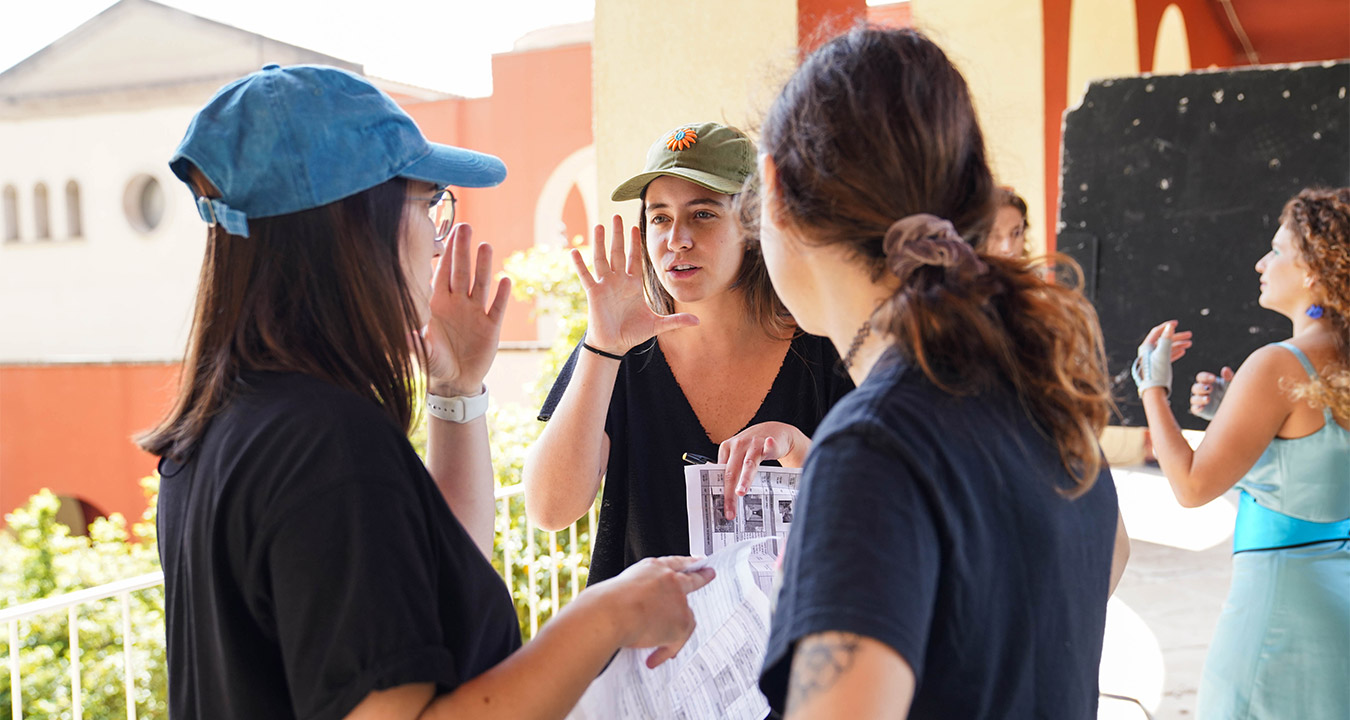
    • Communication between directors and performers, objectives, motivation, movement and rehearsals. Teams work with actors, select two scripts based on the shared prompt and begin breaking them down and planning shots.

  • Week 3 · Advanced Directing and Pre-production II
    • Subtext, emotional transitions, scene work and final rehearsals with actors. Teams finalise scripts, casting, shot lists, lighting plans, crew roles and shooting schedules.

  • Weeks 4 and 5 · Production of the Final Short Films
    • Each team shoots two short films on a set prepared by ESCAC, alternating responsibilities between productions. A simple exterior shoot may be scheduled if justified.

  • Post-production and Final Showcase
    • Editing, sound and finishing the films, followed by a public screening, presentations and feedback. The programme may be complemented by masterclasses or film experiences.

Methodology and Assessment

Learning is practical and collaborative. Students begin by making a character piece on 16 mm and then develop their directing skills through workshops with actors, scene analysis and rehearsals. Each participant contributes a three-page script based on a shared prompt; each team selects two to produce. Tutors support development, planning and pre-production.

In the final two weeks, teams shoot two short films on a set prepared by ESCAC and rotate roles. Editing, sound and finishing culminate in a screening.

Film experiences, masterclasses and participation in the BASS Festival complement the practical work, depending on the schedule.

  • 16 mm Filmmaking Workshop
    • Collective creation of a character piece, from the idea and filming through to scanning and post-production.

  • Acting Direction Workshops
    • Practical rehearsals, movement, scene work and directing performances with actors.

  • Script Development and Pre-production
    • Collective project selection, narrative analysis, shot design, production planning and rehearsals.

  • Filming on a Professional Set
    • Two collective shoots per team, with rotating roles and the possibility of a simple exterior shoot.

  • Special Film Experiences
    • Selected masterclasses and screenings, subject to scheduling.

  • Post-production and Public Showcase
    • Editing, sound, finishing and presentation of the completed films.

  • Assessment System
    • A continuous, practical assessment is proposed, evaluating participation, preparation, collaboration, creative decisions and development in directing. Evidence includes the 16 mm piece, exercises with actors, the script and pre-production documentation, contributions to the two final short films and the public presentation. The specific criteria and any weighting must be approved by academic coordination.

Teaching Staff

The programme will feature filmmakers and industry professionals who regularly collaborate with ESCAC and combine professional experience with practical teaching.

Adriana Vila (16 mm filmmaking), Adrián de Núñez (directing actors), Gerard Claramunt (short film development), Andrea Mezquida (cinematography) and Joaquín Fáundez (sound) are expected to take part.

Their participation is subject to availability; if necessary, they will be replaced by professionals and teachers of equivalent standing from ESCAC’s regular network.

Basic information

Qualification

5-Week Intensive Filmmaking Programme 

Course Director

Christian Checa

Start date

28/06/2026

Schedule

Week 1: Monday to Friday, 7 hours/day (10:00–14:00 and 15:00–18:00).

Weeks 2–3: Monday to Friday, 10:00–14:00.

Weeks 4–5: filming in shifts, usually 08:00–20:00, including preparation; final editing and post-production, and Saturday screening.

Special weekend activities vary.

Format

In person

Price

€4.500 including accommodation

€3.500 without accommodation

Available Places

20-24

Course Coordinator

TBC

End of classes

31/07/2026

Language

English

Credits

9 ECTS — provisional estimate of study workload

Location

ESCAC Terrassa Campus

Admission Profile

The programme is aimed at emerging filmmakers and international students interested in collective film directing and production.

Professional experience is not required. Basic knowledge of storytelling and audiovisual language is recommended, as is feeling comfortable developing a short dramatic scene in script form and showing curiosity, initiative and a willingness to work as part of a team.

Previous training in film, audiovisual media or creative disciplines may be useful, but is not compulsory.

Specific admission requirements

Before arrival, admitted students must prepare an original script of approximately three pages. ESCAC will provide each team with a shared dramatic situation involving two characters and a predetermined set/location. Each student will develop their own version. Teams will be assigned in advance based on portfolios and creative profiles. A simple exterior location may be included if the story warrants it.

Pre-registration and enrolment

Registration opens for the 27-28 academic year: 2 November 2026 

  • Applications and how to apply
    • Candidates must complete the pre-registration form available on this same website.  

  • Documents required for pre-registration
    • Candidates must provide links to their Portfolio, a Video pitch (maximum 3 minutes) and their CV. 

  • Admissions process
    • The Admissions team and academic coordination will review the submitted documentation and assess the application.
      If deemed necessary, the programme management may conduct an online interview with the applicant as part of the selection process.

  • Place reservation and enrolment
    • Once admission has been communicated, the applicant may proceed to reserve a place and then complete enrolment, following the instructions provided by ESCAC.

Title
Popupcontent
Contacta con nosotros
Aceptar