es | ca | en |

Postgraduate in Film Directing

This postgraduate programme is designed to help students acquire the knowledge and essential techniques for directing audiovisual fiction, and expand their experience on set and their knowledge of the main areas of production through ongoing practice of audiovisual storytelling.

Overview

Develop your perspective as a director and gain real on-set experience by creating your own audiovisual projects alongside working professionals.

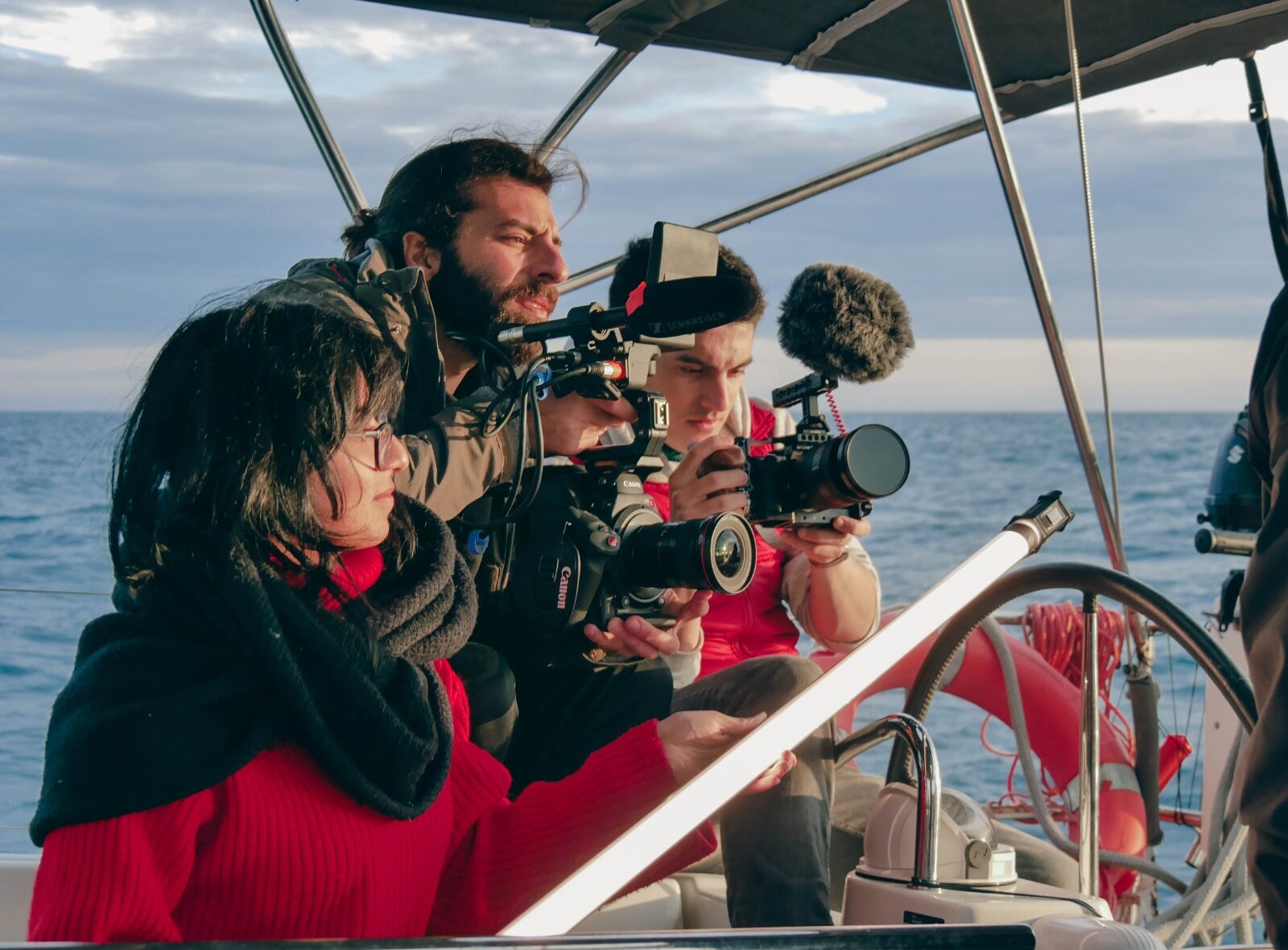
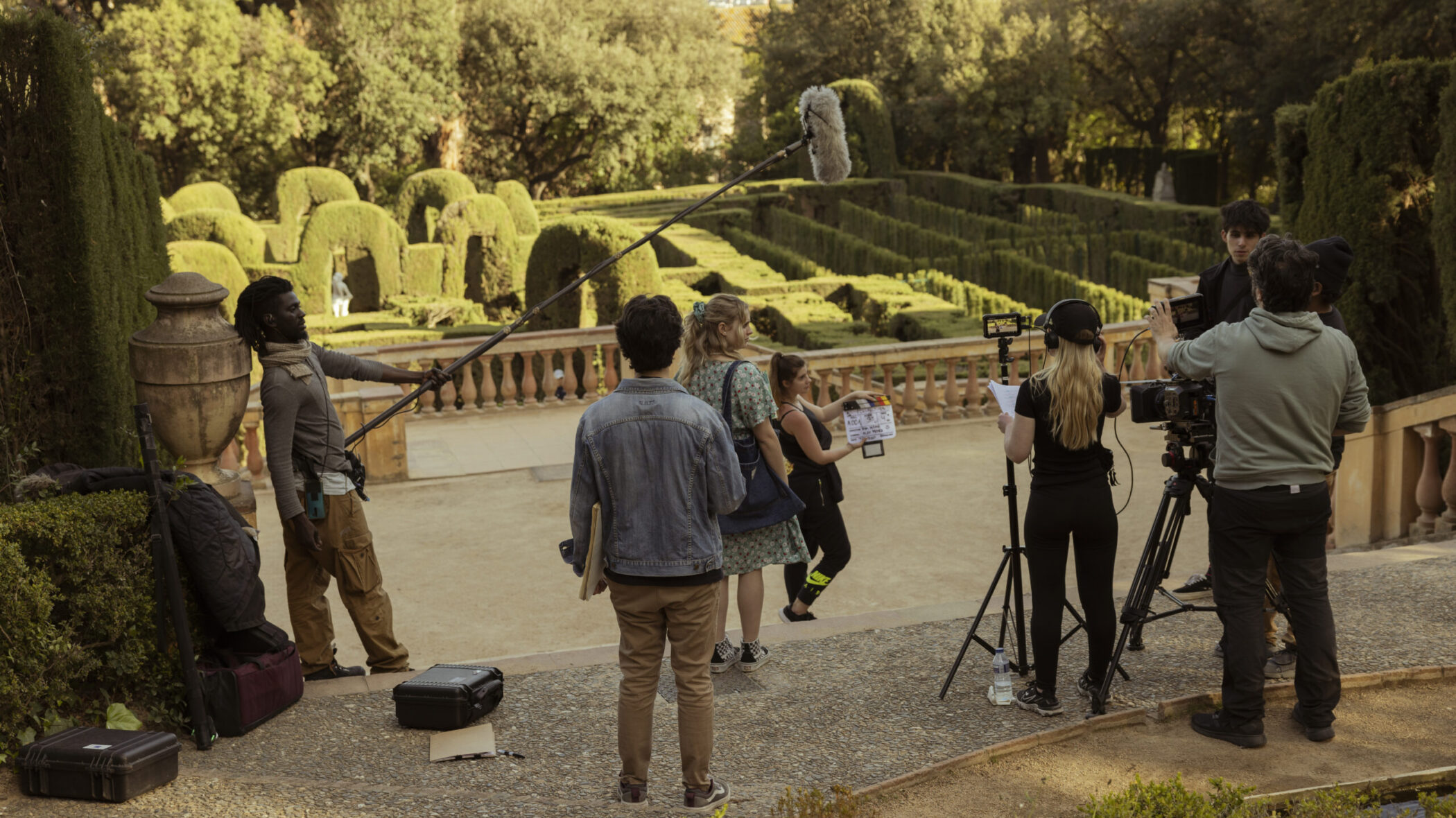
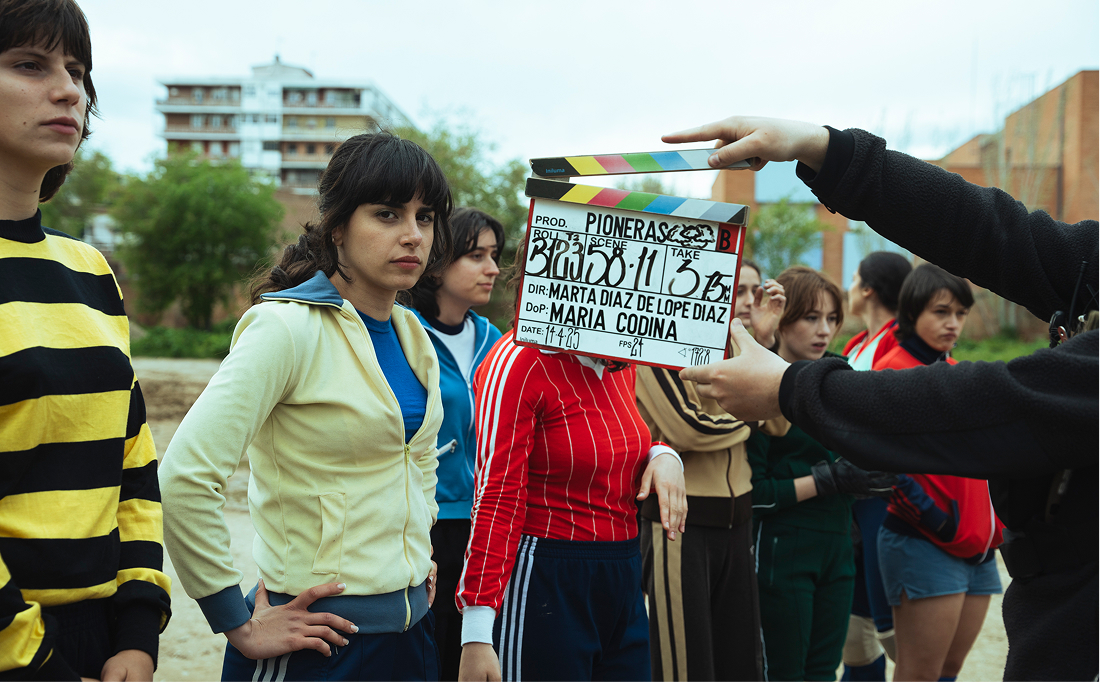
The Postgraduate in Directing at ESCAC provides the knowledge and essential tools to direct audiovisual fiction from a practical, professional perspective. Throughout the programme, students take on the responsibilities of a director at the different stages of an audiovisual project: development, preparation, filming and post-production, consolidating their learning through practical exercises and making their own short film. 

Based on a learning-by-doing methodology, the postgraduate programme combines the acquisition of creative, technical and narrative knowledge with direct on-set experience. The programme is complemented by specialist seminars, practical workshops and masterclasses led by prominent professionals in the film and audiovisual industry. 

The programme places particular emphasis on developing an individual authorial voice, working with performers, constructing mise-en-scène and the ability to lead artistic and technical teams. It also offers an overview of the different departments involved in an audiovisual production, fostering a comprehensive understanding of the filmmaking process. 

At the end of the programme, students will present their projects at an internal school showcase and may have the opportunity to have their work selected for distribution through ESCAC Films. Thanks to its close connection with the industry and the ESCAC Community’s professional network, this postgraduate programme provides a platform for creative and professional growth for those wishing to develop their careers as directors in film, television and new audiovisual formats. 

Intended Audience

Aimed at university graduates with degrees in Audiovisual Communication, Fine Arts or other related disciplines; graduates with a higher vocational qualification in audiovisual production; and people who want to gain practical experience in directing and strengthen their portfolio to develop their professional career.

Learning outcomes

By the end of the programme, students will have acquired the creative, technical and organisational knowledge needed to direct audiovisual fiction projects, collaborate with multidisciplinary teams and tackle the various stages of film production.

  • Creative and narrative skills
    • Understand the elements and resources of audiovisual storytelling.

      Be able to develop an audiovisual narrative linked to a story.  

      Understand the conventions of different genres. 

      Be creative and able to innovate in storytelling, audiovisual design and directing actors. 

  • Technical skills
    • Understand the tasks and techniques specific to other departments and the narrative possibilities of each aspect of the film they represent.  

      Understand the principles of directing actors.  

      Understand the tasks and functions of the other members of the directing team, particularly those of the assistant director and script supervisor. 

  • Analytical and planning skills
    • Turn a literary script into a technical screenplay.  

      Be able to identify actors suited to the characters to be cast. 

  • Interpersonal and communication skills
    • Guide actors (both professional and non-professional) in their performances.  

      Lead and motivate a team, making quick and effective decisions during pre-production, filming and post-production.

      Communicate ideas effectively to the production team and other collaborators. 

  • Professional and personal development skills
    • Show maturity and analytical rigour when self-evaluating the work completed, both individually and as a team.  

      Present projects convincingly to both specialist and general audiences. 

Career opportunities

The Postgraduate in Film Directing prepares students to join audiovisual projects as directors, taking part in the development, planning and staging of fiction works and other audiovisual formats.

Our graduates pursue careers in a wide range of areas across the entertainment and communications sectors:

  • Fiction and documentary films
  • Series and formats for television and streaming platforms
  • Advertising, music videos and branded content
  • Digital platforms and content
  • Casting agencies

Creative Directing and Filmmaking

  • Film director (fiction and documentary)
  • Advertising and music video director
  • Television series/platform director

Directing and Production Crew

  • Assistant director
  • Second assistant director
  • Script supervisor

Development

  • Screenwriter
  • Storyboard artist
  • Casting and extras agent

Curriculum

  • Project: Mise-en-scène
    • Each student directs a scene based on a script provided by the teaching staff. The aim is to work on the basic dramatic chain (protagonist–goal–obstacle–conflict), as well as developing the piece’s tone, genre and narrative intent. The stu – dents are organised into film crews of 5 to 6 people and collabo – rate on their classmates’ practical exercises, taking on different technical and creative roles. Each student directs their own exercise.

  • Project: Original Short Film
    • As their final project, each student develops and directs their own short film, with creative freedom in the writing. From the initial idea through to the final edit, students work on creating an original audiovisual piece, exploring dramatic construction, an authorial vision and the translation of ideas into cinematic language. The entire process is supported by tutors specialising in screenwriting, visual concept and production. The projects are made in teams of 5 to 6 people, recreating the working dynamics of a professional environment. Each student directs their own short film. 

  • Workshop: Directing Actors
    • Basic acting concepts. An introduction to traditional techniques and Western acting systems. Reading and analysing subtext. Character background and creation. Characters, motivations and objectives within the scene. The overall objective of the scene: directing the audience’s emotions. Cues, staging and shot planning according to the medium. Casting: choosing the cast. The role of the casting director . The actor in front of the camera.

  • Workshop: Directing
    • How to tell a story in images. Choosing camera positions. The camera is the gaze: angle, lenses, framing, shot planning and movement. Point of view and movement: shot angles, camera position, pan, subject movement. Analysis of different resources and shot-planning styles according to the genre or the nature of the scene or text. In small groups, students film exercises to put the concepts covered in class into practice. 

  • Workshop: Visual Proposals
    • Light and colour. The different types of equipment used in contemporary lighting. Capturing movement. The aspect ratio in cinema and its evolution. Elements that contribute to the development of an aesthetic concept. A meeting point in the creative process between the different departments. Expressive elements of cinematography: light, framing, focal lengths. Visual storytelling: composition, camera position, use of different focal lengths, staging. Camera styles. Feeling and space: how to photograph a space to emphasise or enhance a particular feeling. Aesthetic concept: choosing the visual concept according to the story. 

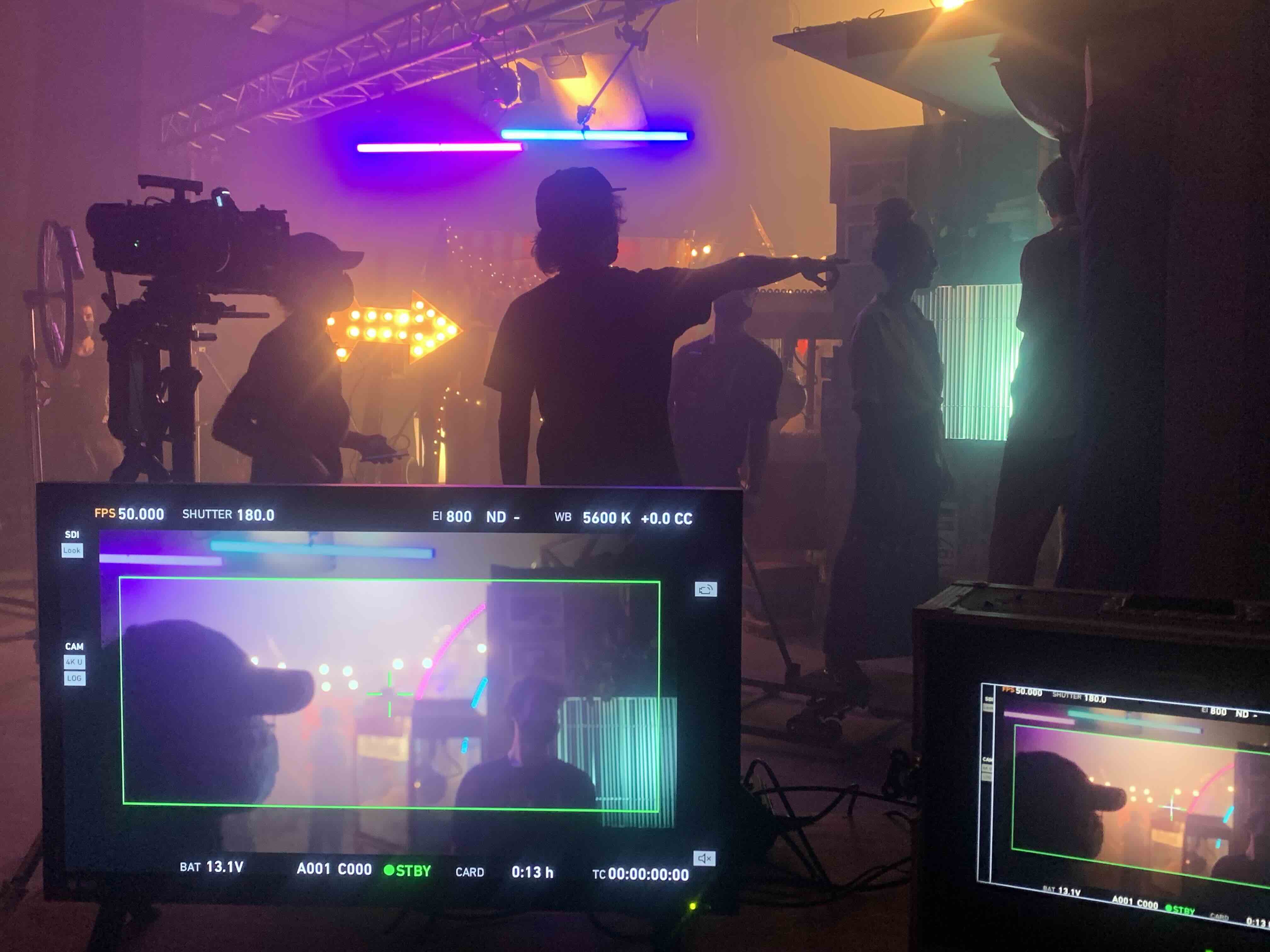
      The course includes an exercise filmed in a studio in collaboration with the Postgraduate in Photography. 

  • Subject: Short Film Screenwriting
    • Introduction to short-film screenwriting. Causal plots. The three acts. Unity of action, cause and effect, a crescendo of obstacles and twists. Characterisation. Character creation. Character transformation arcs. Dramatic devices: planting, dramatic irony, surprise and mystery. Short-film plot structures: causal with a final surprise, a process beginning towards intimacy, a process ending in separation, meandering, descriptive, a process of character change, based on repetition, with dramatic irony at the end. 

  • Subject: Production Design
    • The art department and its relationship with directing. Set dressing. Furniture. Props. Textiles. Graphics. Photography: photographic elements that interact with the set. Colour. The physical parameters of colour. The psychology of colour. Universal images. 

  • Course: Production
    • Production department structure. The role of the producer and their relationship with the director. Production during filming. Development phase: writing, casting, assembling the team. Communication with the team. The postgraduate projects will be monitored through production tutorials.

  • Course: Editing
    • Definition of editing and the criteria for script, directing and editing. The viewer, emotion and genres. Classical editing. The rules of classical continuity. The invisible cut. The rules of continuity. The psychology of editing. The history of editing, histo – ry of rhythm. The revolutions of the sixties. The music video era. The digital revolution. Editing styles and directors’ contributions. 

  • Course: Sound
    • Sound conception. The sound map and sound universe. Naturalistic and expressionist resources. Sound action. Thinking about, writing and filming sound. How to give sound elements meaning, symbolic and expressive value in audiovisual storytelling. The human voice, gesture, the voice of things. Orchestral counterpoint. Aesthetic consequences of the types of microphones and recording formats used. Sound and reality. Music as a dramatic element. 

  • Course: Film Music
    • Music as a narrative and expressive tool in cinema. Analysis of the dramatic functions of music in constructing the audiovisual narrative: atmosphere, emotion, rhythm, point of view and subtext. The relationship between image, sound and music; synchronisation and counterpoint. The musical identities of characters, motifs and recurring themes. Working methods between directing and musical composition. Criteria for selecting original or pre-existing music and integrating it into the edit. Through analysis of film sequences and students’ projects, the seminar will address music as a fundamental element of mise-en-scène and the narrative construction of audiovisual work. 

Methodology and Assessment

ESCAC’s educational approach is based on the learning by doingmethodology, through which students learn through practice and constant experimentation. The programme combines projects, workshops and seminars led by practising professionals to integrate conceptual, technical and creative knowledge related to film directing. 

The programme is structured around audiovisual storytelling projects in which students develop their own work, take part in film crews and experience the working dynamics typical of the industry. It is also complemented by specialist seminars in areas such as screenwriting, production, editing, sound, music and production design, as well as workshops focused on directing, visual approach and actor direction. 

  • Projects 
    • Development of audiovisual projects that allow students to apply the knowledge acquired in screenwriting, pre-production, filming and post-production, working in collaborative environments similar to those found in professional productions.

  • Workshops
    • Practical sessions geared towards specific production objectives, where students experiment with staging, actor direction, visual planning and the processes involved in film directing. 

  • Specialised seminars
    • Theoretical subjects focused on specific areas of audiovisual directing, taught by industry professionals to deepen students’ knowledge of professional methods and tools. 

  • Masterclasses
    • Sessions with renowned professionals who share their experiences, creative processes and real-world examples from the audiovisual industry, encouraging dialogue and professional reflection.

  • Assessment system
    • Assessment combines ongoing monitoring of learning with evaluation of the projects, exercises and activities completed throughout the programme. Students’ progress and the practical application of the knowledge and skills acquired are both taken into account. To obtain the qualification, students must meet the attendance requirements (at least 75% of classes) and pass the programme’s core subjects (Projects, Directing Workshops and Actor Direction). 

      The Original Short Film is assessed through the tutor’s supervision and the work presented to the committee at the final showcase. 

Teaching Staff

Albert Pintó
Anna Vila
Antoni Agulló
Belén Funes
David Casademunt
David Victori
Geoffrey Cowper
Ignacio Acconcia
Joseph Mawle
Lola Clavo
Luci Lenox
Mar Coll
Maria Pau Pigem
Mireia Juárez
Nelly Reguera
Patricia Font
Rubén Margalló
Sergi Pérez
Vicky Mullor

Basic information

Qualification

Own postgraduate programme in Film Directing

Programme Director

Geoffrey Cowper

Start date

11/01/2027

Schedule

Mon–Fri, 10h to 14h
(occasionally there will be all-day shoots or shoots at weekends)

Format

In person

Price

9.700€

Location

ESCAC Terrassa Campus

Availabe Places

24

Postgraduate Coordinator

Robert Cortés

End of classes

25/06/2027

Language

English

Credits

30 ECTS

Early-bird price

€8.000 before 1/09/2026

Entry profile

Aimed at university graduates in audiovisual disciplines with practical experience on film shoots; graduates with an advanced vocational qualification in directing audiovisual projects; and professionals in the film industry who wish to delve deeper into directing or broaden their current field.

Pre-registration and enrolment

Pre-registration calendar for academic year 26-27: from 2 November 2026

  • Applications and how to apply
    • Candidates must fill in the pre-registration form available on this page.

  • Documents required for pre-registration
    • Candidates must provide links to their portfolio, a video pitch (maximum 3 minutes) and their CV.

  • Admissions process
    • The Admissions team and academic coordination will review the submitted documents and assess the application.
      If deemed necessary, the programme director may conduct an online interview with the candidate as part of the selection process.

  • Place reservation and enrolment
    • Once admission has been confirmed, candidates may reserve their place and then complete their enrolment, following the instructions provided by ESCAC.

Title
Popupcontent
Contacta con nosotros
Aceptar