es | ca | en |

Master in Film Directing

Specialise in directing works of fiction, mastering every stage of film production through hands-on practice and guidance from working filmmakers.

Overview

ESCAC’s Master in Directing provides students with the knowledge and techniques needed to direct fiction audiovisual works. In this specialised programme, students will take on and carry out the director’s duties during preparation, filming and post-production through practical exercises and the creation of their own short films. 

With a learning-by-doing methodology, learning is based on practical experience and the integration of creative, technical and analytical concepts. This training is complemented by specialised seminars, practical workshops and masterclasses led by prominent professionals in the film industry. 

The curriculum fosters the development of an individual narrative voice, the ability to lead technical and artistic teams, and proficiency in working with actors. In addition, at the end of the programme, students will showcase their projects at the school’s internal festival, where their short films may be selected for distribution by ESCAC Films. 

Aligned with the demands of today’s industry, this programme prepares graduates to work as directors in film, television and new platforms, supported by the professional network and the ESCAC Community.

Intended Audience

For university graduates and holders of advanced vocational qualifications in the audiovisual field, as well as professionals who can demonstrate experience in the audiovisual sector and wish to go beyond their discipline by specialising in film directing.

Learning outcomes

By the end of the programme, students will have acquired transferable, technical and key creative skills to take on creative leadership in film fiction projects, television series and content for platforms. It also prepares them to join directing teams professionally and to work with actors. 

  • Creative and narrative skills
    • Master the elements and resources of audiovisual storytelling to shape a cinematic narrative around a story.  

      Precisely identify the seed, desire or driving idea behind a fiction project.  

      Adapt to different cinematic styles, tones and genres, such as drama, comedy, horror and science fiction.  

      Demonstrate creativity and innovation in audiovisual design, storytelling and stage direction. 

  • Technical skills
    • Master camera and lighting equipment and techniques applied to archetypal scenes.  

      Understand the functions, tasks and narrative possibilities of each film department.  

      Coordinate the work of the directing team, effectively integrating the assistant director and script supervisor 

  • Analytical and planning skills
    • Translate the screenplay into a shooting script through shot breakdowns, storyboarding and operational planning.  

      Align the conceptual and aesthetic proposal with the possibilities and limitations of the production plan.  

      Carry out precise casting processes and plan the integration of digital effects (VFX) from pre-production. 

  • Interpersonal and communication skills
    • Guide professional and non-professional actors by mastering directing and performance techniques.  

      Lead and motivate teams, making quick and effective decisions in pre-production, during filming and in editing.  

      Communicate the project’s vision clearly and effectively to the production team and collaborators. 

  • Personal and development skills
    • Maintain analytical rigour when evaluating your own work and that of the team.  

      Present and pitch audiovisual projects convincingly to specialist audiences.  

      Understand the structure, economic dynamics and workflows of the audiovisual industry.

Career opportunities

The Master in Film Directing prepares students to take on the artistic, narrative and technical vision of audiovisual projects, as well as to join directing, screenwriting, pre-production and content development departments.

The programme enables students both to create and lead their own auteur film projects and to take on key professional roles in filming and creative management. This allows them to develop their careers at production companies, television networks, streaming platforms and agencies in the audiovisual sector.

Our graduates pursue careers in many areas of the entertainment and communications sector:

  • Fiction and documentary films (feature films and short films).

  • Fiction series and formats for television and streaming platforms.

  • Advertisements, music videos and branded content.

  • Audiovisual production companies and project development companies.

  • Casting agencies, pre-production services and digital content production.

Creative directing and filmmaking

  • Film director
  • Advertising and music video director
  • Showrunner (creative lead for series)

Directing and filming team

  • Assistant director
  • Casting assistant
  • Script supervisor

Screenwriting, pre-production and development

  • Screenwriter
  • Storyboard artist
  • Producer

Curriculum

  • Project: Ágora
    • ÁGORA is an annual, cross-disciplinary course run by ESCAC’s Master’s Department, taking place from September to June and conceived as a shared space for filmmaking. It brings together learning from the different programmes through a collective creative experience: developing, pre-producing, shooting, finishing and screening a short film. 

      Each short film will have a budget for production expenses. Subject to planning and availability, ESCAC will make high-end equipment available to the teams. 

      This project is the practical backbone of the master’s programmes: a space where specialities intersect, industry dynamics are put into practice, and teams are formed that can continue beyond the school. The finished film is the visible outcome of learning that encompasses creativity, organisation, collaboration and shared responsibility.

  • Project: Fiction Exercise
    • Development of an original first fiction short film, working through the stages of scriptwriting, pre-production, shooting and editing. Students will apply the fundamentals of dramatic construction, tone and film genre through a practical, collaborative approach.

  • Workshop: Directing Actors
    • Developing communication tools for directors and performers. The work covers character development, scene analysis and actor-directing techniques, combining table work, rehearsals and practice with professional actors to bring the creative work onto the set.

  • Workshop: Intimacy Coordination
    • Working from scenes prepared by the instructor, students direct professional actors in situations that call for sensitivity and care because of their intimate content, following the protocols appropriate for this type of scene.

  • Course: Screenwriting
    • Learn about the different narrative structures used in screenwriting for short films. Through analysis of different screenwriting models and practical scriptwriting exercises, students will learn to develop stories with dramatic coherence, rhythm and a clear narrative intention.

  • Course: Assistant Directing
    • Learn the role and responsibilities of the assistant director and how to manage the team. You will master the preparation of breakdowns, schedules and shooting plans, set coordination on live shoots, and the professional use of the software Movie Magic Scheduling.

  • Course: Script Supervisor
    • Script supervision in pre-production (timing, breakdowns, preparing the script for the shoot). Script supervision on set (continuity, screen direction, working with different crew members, reports and the editing script).

  • Course: Casting
    • Reading and interpreting the script. Character analysis. Creatively understanding the needs of producers and directors. The casting call. Stages of casting and recording an audition.

  • Course: Storyboarding
    • Learn the fundamentals of creating a storyboard and apply them to the actual pre-production process for one of your upcoming exercises. Work on editing an animatic to pitch your proposal to the rest of the class.

  • Course: Introduction to the Industry
    • An introduction to how the film industry works and to the development of audiovisual projects. Students will learn to prepare a presentation dossier and communicate their project using tools for pitching, financing, marketing and positioning.

  • Seminar: Introduction to Post-Production Processes and Visual Effects
    • An introduction to audiovisual post-production processes, including editing, sound, colour correction and visual effects. Students will understand the role of directing in these stages, coordination between departments, and the narrative and aesthetic possibilities of VFX.

Master’s Final Project - MFP

The Master’s thesis project takes place within the framework of the Ágora Project, a space for creation and production where students integrate the knowledge acquired during the course.
Each student develops an original audiovisual project with the support of a tutor who oversees their creative and methodological process. Before filming, the script must be approved by the teaching team. The project allows up to four days of filming and includes two progress submissions for review. In addition, it is developed in collaboration with students from other specialisations at ESCAC, replicating the working dynamics of a professional production . The process culminates in post-production and the screening of the work at a public showcase of the projects completed.

The Master’s Thesis (MFP) has two official submission and assessment periods: the first in July 2028 and the second in September 2028. 

  • July 2028 call:
    It is mandatory to submit, at a minimum, a first edit of the short film together with the project report. The films will be presented publicly at the Unexpected festival. Ten short films will be selected from among the works shown and added to the ESCAC FILMS catalogue, receiving support from the school for their distribution and promotion at national and international festivals and on film circuits. The short films to be distributed will be selected in accordance with the festival awards: the audience awards and awards in the categories determined by the festival jury. 
  • September 2028 session:
    Intended for students who need to complete the post-production process or make final adjustments after the first cut has been reviewed.
     

The registration extension and the project’s supervision by a tutor will end, without extension, on the end of September 2028. The Master’s Thesis Committee will ensure that the schedule is followed and that the assessment rubric system is properly applied.

Student projects

Curasana:

Authorship pending (REVISAR)

For Being a Witch and a Poisoner:

Authorship pending (REVISAR)

Therapies and Dungeons:

Authorship pending (REVIEW)
Methodology and assessment

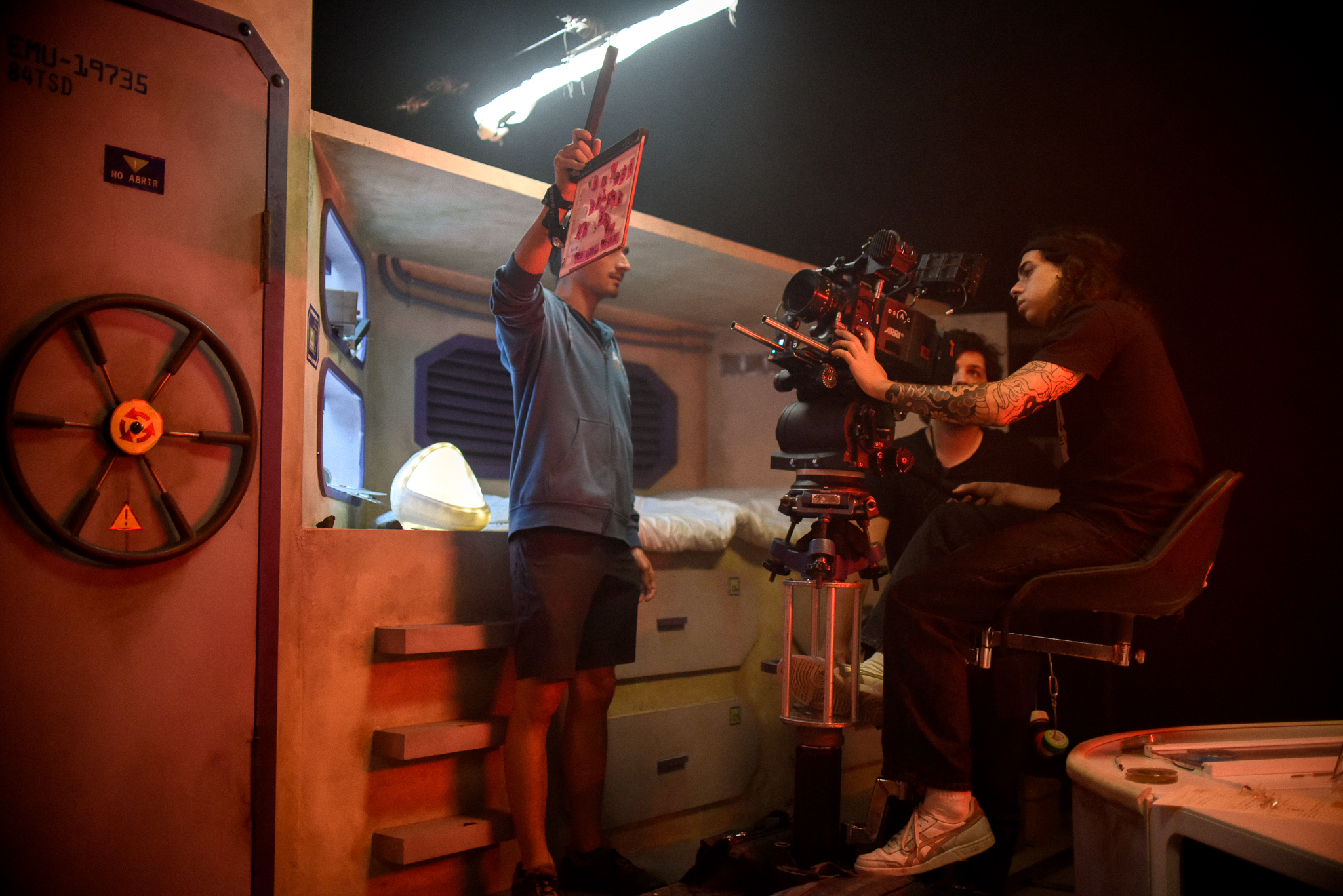
ESCAC’s teaching model is based on the principle of learning by doing, combining the acquisition of theoretical and technical knowledge with its practical application in audiovisual projects. Students learn through creative experiences, filming and collaborative work that reflect the industry’s professional dynamics 

Students work in small groups and collaborative film crews, with access to sound stages, professional filming equipment, editing suites, colour grading facilities and state-of-the-art sound post-production facilities.

  • Projects
    • Development of audiovisual projects that enable students to apply the knowledge acquired in screenwriting, pre-production, filming and post-production, working in collaborative environments similar to those of a professional production.

  • Workshops
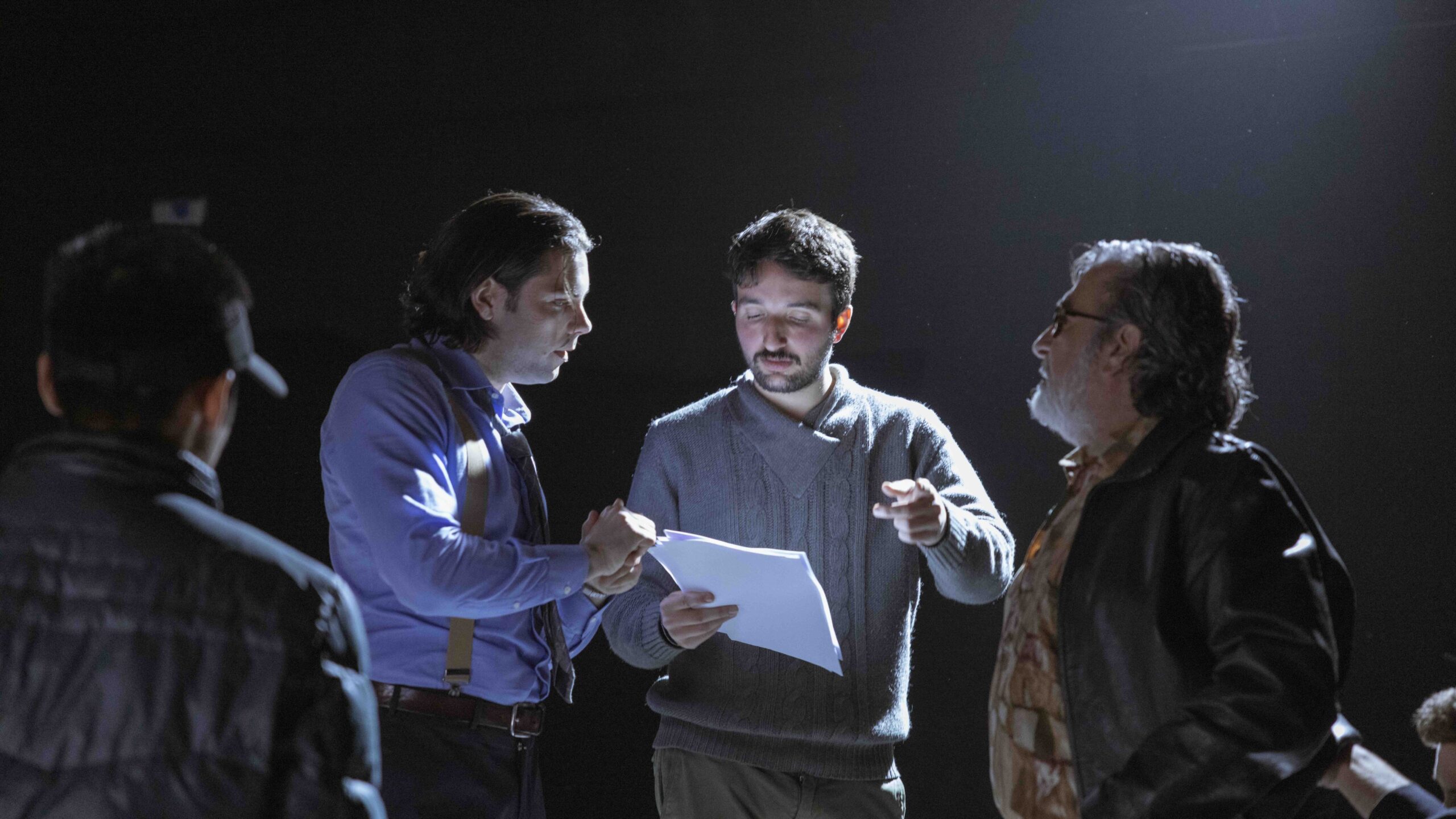
    • Practical sessions focused on specific production objectives, where students experiment with staging, directing actors, visual planning and the processes involved in film directing. 

  • Specialised seminars
    • Theoretical courses focused on specific areas of audiovisual directing, taught by industry professionals to explore knowledge, methodologies and professional tools in greater depth.

  • Masterclasses
    • Meetings with professionals of recognised standing who share experiences, creative processes and real cases from the audiovisual industry, fostering professional dialogue and reflection .

  • Assessment system
    • Assessment combines continuous monitoring of students’ learning with evaluation of the projects, exercises and activities completed throughout the programme. It takes into account both students’ progress and the practical application of the knowledge and skills acquired. To receive the qualification, students must meet the attendance requirements (at least 75% of classes) and pass the programme’s core subjects (Projects, Directing Workshops and Actor Direction). 

      The Master’s Final Project is assessed through the tutor’s supervision and the outcome presented to the committee at the final showcase.

Teaching Staff

Albert Pintó
Anna Vila
Antoni Agulló
Belén Funes
David Casademunt
David Victori
Geoffrey Cowper
Ignacio Acconcia
Joseph Mawle
Lola Clavo
Luci Lenox
Mar Coll
Maria Pau Pigem
Mireia Juárez
Nelly Reguera
Patricia Font
Rubén Margalló
Sergi Pérez
Vicky Mullor

Basic information

Qualification

Master in Film Directing – Institution-specific qualification

Director of the Master's programme

Geoffrey Cowper

Start date

20/09/2027

Final project submission date

See the MFP section

Language

English

Credits

60 ECTS

Early Bird price

TBC

Available Places

24

Master's Coordinator

Robert Cortés

End of classes

28/07/2028

Schedule

Mon–Fri, 10h to 14h

Occasionally, shoots lasting the whole day or taking place on weekends

Format

In person

Price

14.175€

Location

ESCAC Terrassa Campus

Entry profile

Aimed at university graduates in audiovisual disciplines with practical experience on shoots; graduates with a higher-level qualification in audiovisual project production; and professionals in the film industry who wish to delve deeper into directing or broaden their current field.

Specific entry requirements

Candidates must demonstrate one of the following profiles: having directed at least one fiction short film; having directed two or more professional audiovisual works (music videos, advertising or fashion films); having experience in screenwriting or assistant directing on professional productions; or having worked as a department head (cinematography, art, editing, etc.) and justifying their transition to directing. 

A solid knowledge of the fundamentals of film screenwriting and basic editing skills with Premiere, Avid or Final Cut are required. Programme management may request an online interview as part of the admissions process. 

Pre-registration and enrolment

Pre-registration timeline for the 26-27 academic year: from November 2, 2026

  • Applications and how to apply
    • Applicants must complete the pre-registration form they will find on this very webpage.

  • Documents required for pre-registration
    • Applicants must provide links to their portfolio, a video pitch (maximum 3 minutes) and their CV.

  • Admissions process
    • The Admissions team and academic coordination will review the submitted documents and assess the application.
      If deemed necessary, the programme management may conduct an online interview with the applicant as part of the selection process.

  • Place reservation and enrolment
    • Once admission has been confirmed, the applicant may reserve their place and subsequently complete enrolment, following the instructions provided by ESCAC.

Title
Popupcontent
Contacta con nosotros
Aceptar