Overview
Critically understand the images that shape contemporary culture and develop new forms of audiovisual research and creation.
The University Master’s Degree in Film Studies and Visual Cultures is an official programme specialising in the analysis, research and critical reflection on contemporary audiovisual media. The programme approaches cinema from historical, aesthetic, industrial and cultural perspectives, extending its scope of study to include series, video games, immersive narratives, video art, digital practices and new forms of creation linked to the internet.
The master’s responds to the changes brought about by the digital revolution and the proliferation of screens, offering tools to understand how images are produced, circulated and interpreted in contemporary society. From an interdisciplinary perspective, it incorporates contributions from cultural studies, gender studies, audiovisual theory and the digital humanities.
The programme combines academic research, critical analysis and creative experimentation, enabling students to develop their own research-based and artistic projects. Its focus prepares students to pursue doctoral studies and careers in specialised research, film criticism, cultural management and emerging areas of contemporary audiovisual creation.
Intended Audicence
This master’s is for people interested in analysing, researching and understanding the transformations in contemporary audiovisual media from a critical, cultural and creative perspective. It is especially suited to those who want to explore the many formats, languages and practices that shape today’s audiovisual ecosystem, from film, television and video games to transmedia narratives, digital content, video art and forms of expanded cinema. The programme is aimed at people with intellectual curiosity, an interest in visual culture and a desire to create new spaces for reflection, research and creation around the images and stories that define our time.
Learning outcomes
Upon completing the programme, students will have a specialised understanding of contemporary audiovisual media, integrating research, critical thinking and creative experimentation.
-
Creative and narrative skills
-
- Design audiovisual projects linked to contemporary languages.
- Develop creative proposals based on research methodologies.
- Develop original arguments based on theoretical and audiovisual texts.
- Analyse audiovisual narratives from innovative perspectives.
- Integrate artistic and academic approaches into creative processes.
-
-
Technical skills
-
- Master non-linear editing systems and digital imaging tools.
- Apply research methodologies to film and audiovisual media.
- Use specialised documentation and analysis resources.
- Understand immersive technologies, XR and new narrative environments.
- Manage digital creation processes in multi-screen environments.
-
-
Analytical and planning skills
-
- Critically analyse contemporary audiovisual phenomena.
- Place the transformations of cinema and the media in their historical context.
- Identify emerging cultural and technological trends.
- Plan individual or collaborative academic research.
- Interpret audiovisual works from an interdisciplinary perspective.
-
-
Interpersonal and communication skills
-
- Make reasoned arguments about research findings and communicate them rigorously.
- Take part in specialised academic debates.
- Present research and creative projects to expert audiences.
- Collaborate on multidisciplinary group projects.
- Develop critical thinking applied to professional contexts.
-
-
Personal and developmental skills
-
- Foster research independence.
- Integrate new knowledge in changing contexts.
- Develop a critical, reflective perspective on audiovisual culture.
- Adapt to the sector’s technological and cultural evolution.
- Promote a research-based professional practice.
-
Career Opportunities
The University Master’s Degree in Film Studies and Visual Cultures offers advanced training in the analysis and research of cinema and contemporary audiovisual practices, as well as in critical thinking about them.
The programme prepares specialists able to generate knowledge, develop cultural projects and participate in academic, educational and critical fields, as well as in film programming.
Our graduates pursue careers in many areas of the entertainment and communications sector:
- Universities and research centres.
- Cultural institutions and museums.
- Film festivals and audiovisual events.
- Specialist media outlets.
- Audiovisual creation, archive and distribution centres.
Research and Teaching
- Researcher in film and audiovisual studies.
- Teacher specialising in film and visual cultures.
- Audiovisual documentation specialist.
Criticism, Programming and Curating
- Film critic.
- Film festival programmer.
- Curator of film series, exhibitions and audiovisual activities.
- Consultant in film and audiovisual analysis.
 Cultural Management and Outreach
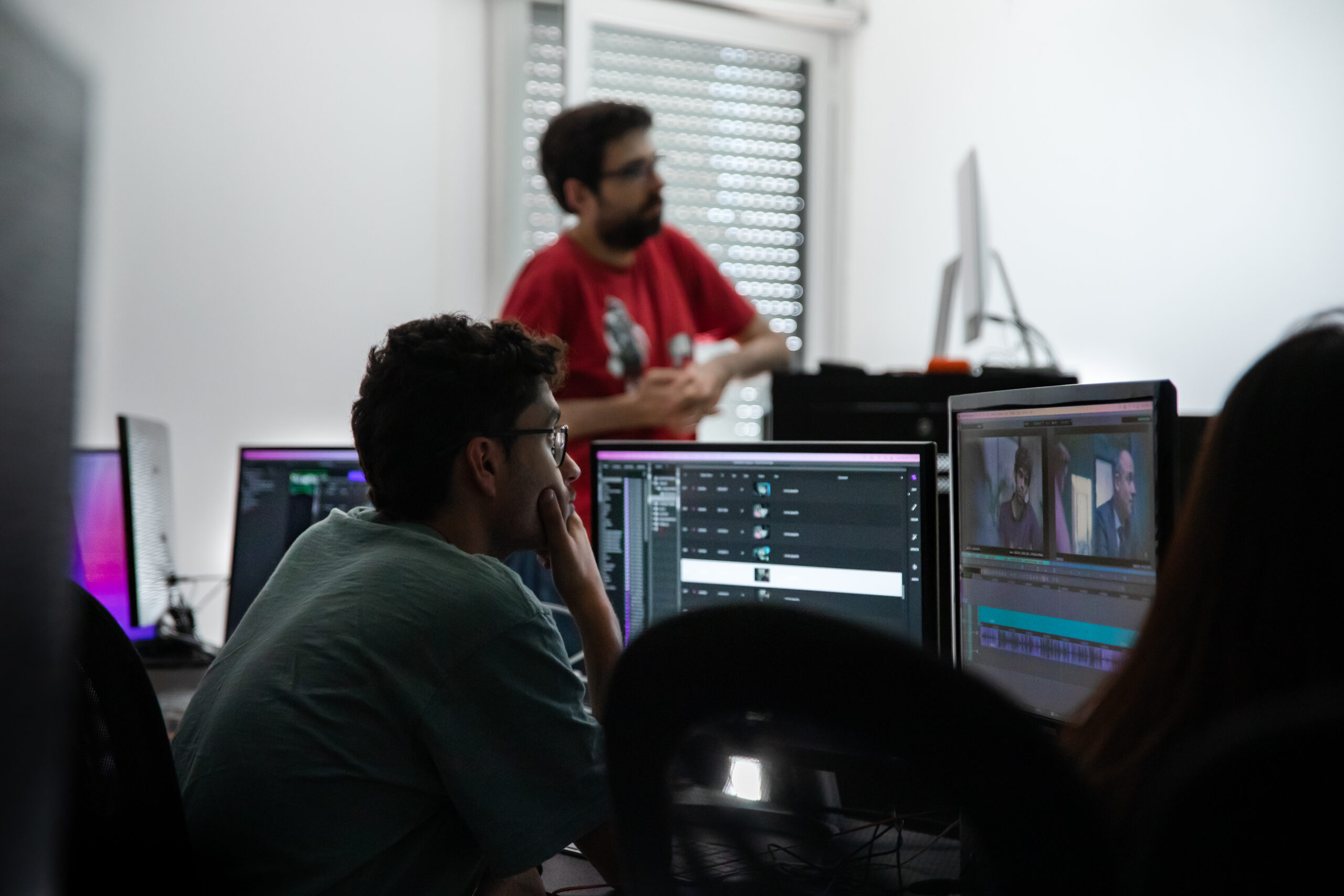 Cultural Management and Outreach
- Cultural manager specialising in film.
- Content creator for cultural institutions.
- Head of cultural mediation and education.
Curriculum
-
Introduction to Film Studies
-
An analysis of the history of film theory and the development of critical thinking applied to images.
Develop critical thinking about images through knowledge of the history of film studies. Assess the practical usefulness of film theory by comparing the ideas and concepts expressed in texts with the way they are embodied in specific films. Develop original film theories by applying others’ theoretical frameworks. Recognise theory as a tool for understanding the wor– ld and building an autonomous and distinctive view of the place we occupy in it.
-
-
Research Methodologies in Film and Audiovisual Media
-
Academic research tools and methods for the study of film and audiovisual media.
Identify the main research methods in film and audiovisual studies, from those with the longest history to emerging methods. Use these methods correctly to develop an individual research project that could later become the Master’s thesis. Master the methodological tools, language and essential sources needed to carry out a research project. Recognise the main research areas in national and international academia, as well as the usual ways of undertaking a long-term group research project in film and audiovisual media. Understand and be able to launch an artistic research project using film or audiovisual practices as research practices. Develop the skills to create an audiovisual work that would be understood as a medium or agent of research, rather than as an end in itself.
Course syllabus
-
-
Introduction to Screen Cultures
-
A historical and theoretical approach to the evolution of screens and their cultural implications.
Reflect on the genealogy of contemporary screens (cinema, television, computers, mobile phones…) from a historical and theoretical perspective. Interpret how screen culture affects the way we see and understand the world, not only as consumers of audiovisual products but also as habitual creators and distributors of images. Recognise key concepts in screen culture and relate them to analyses of case studies. Identify the screen as a space where individual and collective identities meet.
Course syllabus
-
-
Gender and Media
-
Analysis of audiovisual representations from the perspectives of gender, sexuality and intersectionality.
Reflect on cinema and audiovisual media as ideological apparatuses that (re)produce ideologies of gender, sex and sexuality. Develop critical thinking and recognise how films and other audiovisual products and content shape our ways of understanding the world, especially in matters relating to our sex and sexuality. Engage with and assess lines of thought and topics such as feminism, LGBT and queer studies, and porn studies. Identify and analyse key concepts in contemporary culture, such as postmodernity, postfeminism and intersectionality.
Course syllabus
-
-
Video game imaginaries
-
Introduction to game studies and the relationships between video games, visual culture and contemporary narratives.
Introduce students to the theory of game studies. Identify the basic concepts of “rule” and “mechanic” in a video game and extrapolate them to other fields such as cinema or performance. Apply them to production design, the construction of mise-en-scène and the development of complex dramaturgical structures. Foster critical awareness of the progressive gamification of contemporary culture. Enable students to develop a video game-based reading of cinema, as well as a cinematic perspective on video games.
Course syllabus
-
-
Contemporary Television Studies
-
Analysis of the formal, narrative and industrial transformations of contemporary serial fiction.
Develop a basic understanding of recurring cultural themes in contemporary television fiction by comparing different serial narratives. Distinguish and recognise the most important visual motifs and their relationship to cinematography and other visual narratives, as well as the emergence of new forms of storytelling in television series. Identify the main innovations and challenges faced by television over the past two decades at every level: technological, aesthetic, narrative, institutional, and in its relationship with the viewer/user. Recognise the main trends in contemporary television.
Course syllabus
-
-
Trends in Contemporary Cinema
-
An exploration of the main currents and transformations in contemporary cinema.
Gain a broad understanding of the current state of cinema by exploring the diverse trends developing today, with particular emphasis on the use of digital technology. Develop an understanding of images as reflections of the changes taking place in a rapidly evolving political and social context. Consider contemporary cinema as a source of aesthetic and narrative tensions between commercial and auteur production, and between hegemonic and peripheral discourses.
Course syllabus
-
-
Creation on the internet
-
Study of the internet as a space for audiovisual creation and the development of digital projects.
Recognise the fundamental importance of the internet not only as a communication system that has redefined our relationship with the world and the nature of our identity, but also as a space for multidisciplinary creation. Become familiar with the main forms of digital audiovisual culture. Apply theoretical concepts to the development of an original digital creation, framed within any of the topics covered in the course.
Course syllabus
-
-
Studies of film stars
-
Analysis of star figures as cultural phenomena and elements of audiovisual construction.
Review film history and the cinematic canon through a detailed study of stars as a workforce, as polysemic images within films, and as embodiments of the cultural and social processes and changes of a particular era. Reflect on the concept of authorship, extending it beyond the director to other significant elements of audiovisual works, such as actors and their acting methods. Apply acquired knowledge of semiotics, sociology and gender studies to film analysis.
Course syllabus
-
-
Introduction to Immersive Experiences
-
Foundations of XR narratives, virtual reality, augmented reality and immersive experiences.
Demonstrate an understanding of the history and theory of technologies associated with the increasingly widespread immersive experiences: virtual reality, mixed reality and augmented reality, among others. Identify the basic features and concepts of immersive narratives, and recognise their applications in video games, television, theatre and cinema. Recognise the main genres, trends, design and narrative strategies, as well as systems for interaction, digital creation and implementation in the increasingly widespread field of XR (virtual, augmented and mixed reality). Learn about precedents at the intersection of traditional cinema and television and the most innovative interactive and digital creation practices. Develop a group project for an immersive experience or narrative using some of the technologies covered in the course.
Course syllabus
-
-
MFP
-
Course syllabus
-
Master’s Final Project – MFP
The Master’s Final Project is an individual project carried out under the supervision of a member of the programme’s teaching staff. Students may choose to undertake original academic research or create an audiovisual project accompanied by a critical and methodological report. The project culminates in a presentation and defence before an academic examination panel.
The projects may be submitted in one of two formats:
-
Academic research
-
This format aims to develop original research on film, visual cultures and their many connections with history, society, politics, the arts and the media. Students must formulate a relevant research question, define an object of study and establish an appropriate theoretical and methodological framework for its analysis.
The project may focus on topics related to film history and theory, film analysis, audiovisual aesthetics, gender studies, cultural representations, contemporary filmmaking practices, archives and images of memory, as well as the relationships between film and other forms of visual production. Students’ ability to contextualise the works and phenomena studied, connect different theoretical perspectives and develop a critical interpretation grounded in bibliographic, documentary, audiovisual or archival sources will be assessed.
The research must demonstrate conceptual and methodological rigour, the ability to analyse and synthesise, intellectual independence and an original contribution to the field of study. Students must demonstrate their ability to construct a coherent academic argument, support their hypotheses and draw well-founded conclusions that deepen understanding of the subject under investigation.
-
-
Audiovisual creative project
-
This track aims to develop a creative project that engages critically with film studies and visual cultures, integrating theoretical reflection with artistic or audiovisual practice. The project may take different forms, such as an audiovisual essay, video art, artistic research, curatorial work, the creation of a visual archive, experimentation with archival images, or other proposals exploring the expressive, critical and analytical possibilities of images.
Students must formulate a well-founded conceptual proposal, define its objectives and establish a working methodology suited to the nature of the project. The creative process must incorporate critical reflection on images, their modes of production and circulation, their cultural contexts and their potential interpretations. It must also demonstrate the ability to articulate an individual authorial perspective and establish a dialogue between creative practice and the theoretical and methodological frameworks of film and visual studies.
The proposal will be assessed for its originality, conceptual and formal coherence, the rigour of the research underpinning it, and the ability to use audiovisual or visual resources as tools for thought, analysis and knowledge production. The project must be accompanied by a written report setting out its theoretical foundations, artistic and academic references, methodology, creative decisions and a critical reflection on the process and its outcomes.
-
-
Regulations and Protocol for Master's Final Projects
-
In both tracks, the Master’s Final Project (MFP) will be supervised by a specialist faculty member, who will guide students in defining the subject of study or creative proposal, setting objectives, planning the work and developing the corresponding methodology.
For the academic research track, supervision will focus in particular on developing the theoretical framework, selecting sources, designing the methodology, conducting critical analysis and structuring the results. For the creative project track, guidance will address both the conceptual foundations and preliminary research, as well as the project’s formal development, production processes, and artistic and methodological decisions.
The school will provide academic guidance and, where applicable, access to the technical resources needed to develop creative proposals. The planning and funding of projects requiring specific production resources must comply with the conditions established by the programme and the possibilities available to each student.
In both tracks, the project must demonstrate a deep understanding of film and visual cultures as fields of aesthetic production, knowledge and cultural meaning. It must also demonstrate the student’s ability to formulate relevant questions, develop an independent critical perspective and establish well-founded connections between images, their contexts and their forms of interpretation.
-
Student Projects
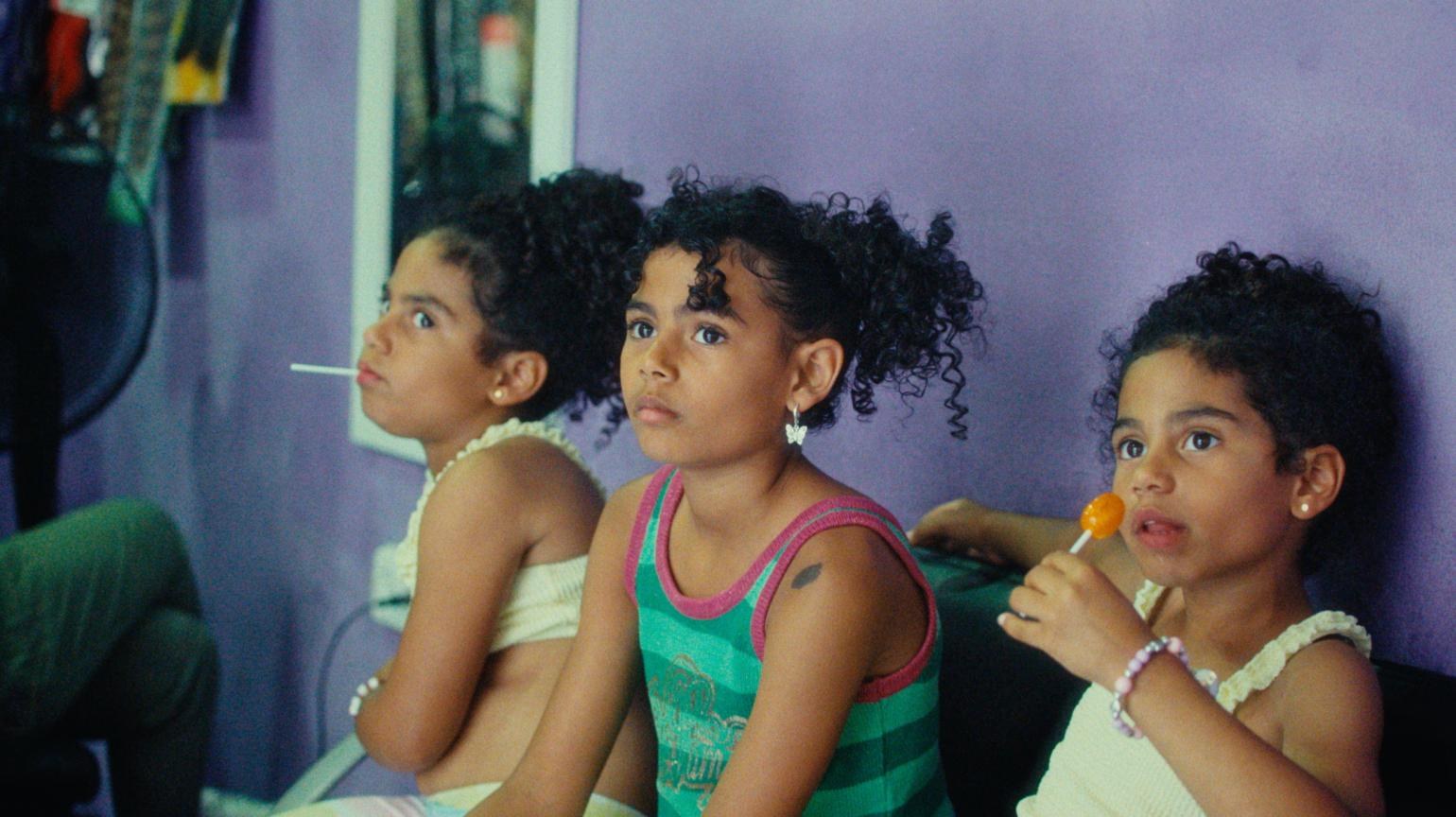
Curasana:
Authorship pending (REVISAR)
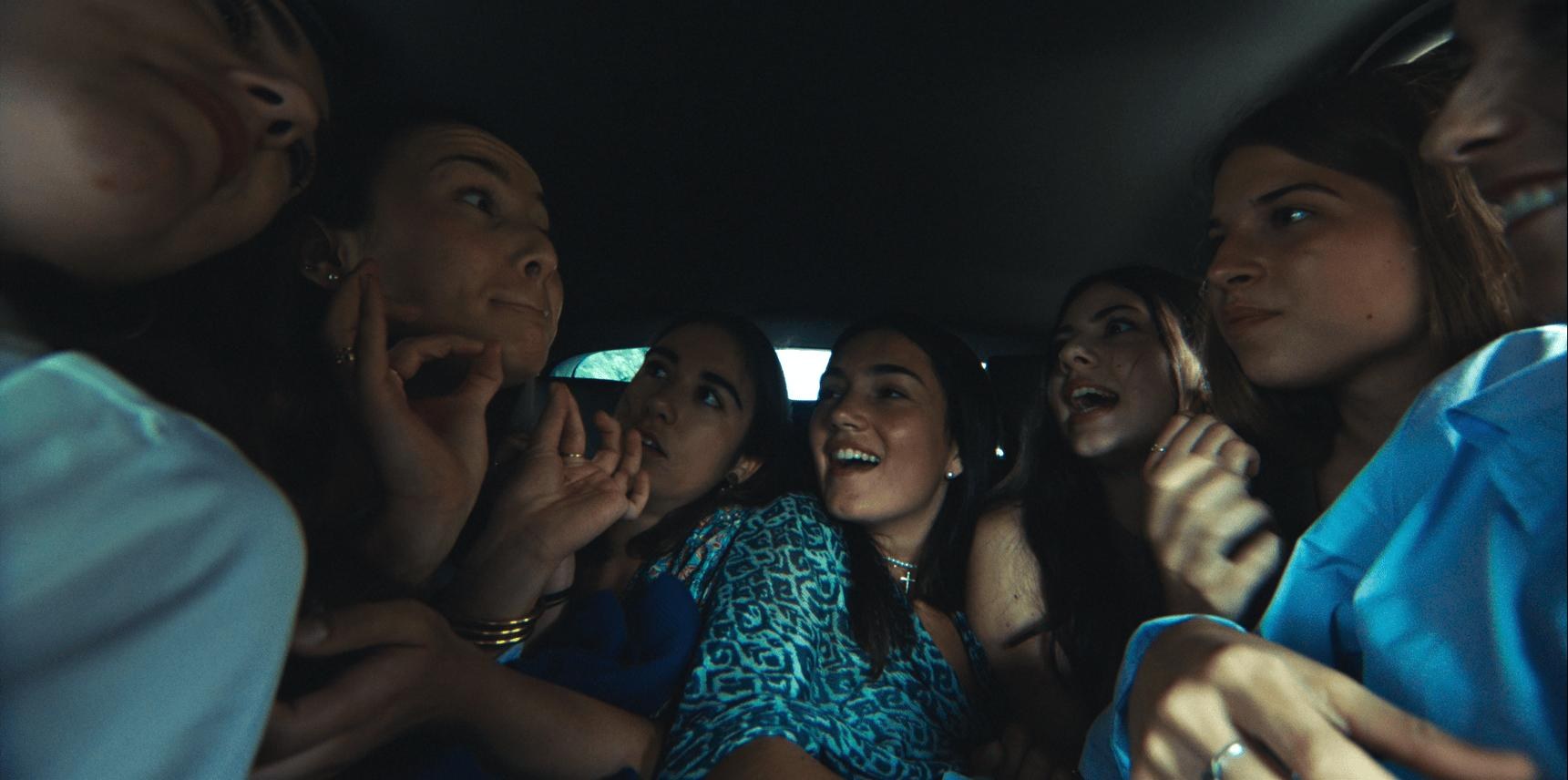
Gamberra:
Authorship pending (REVIEW)
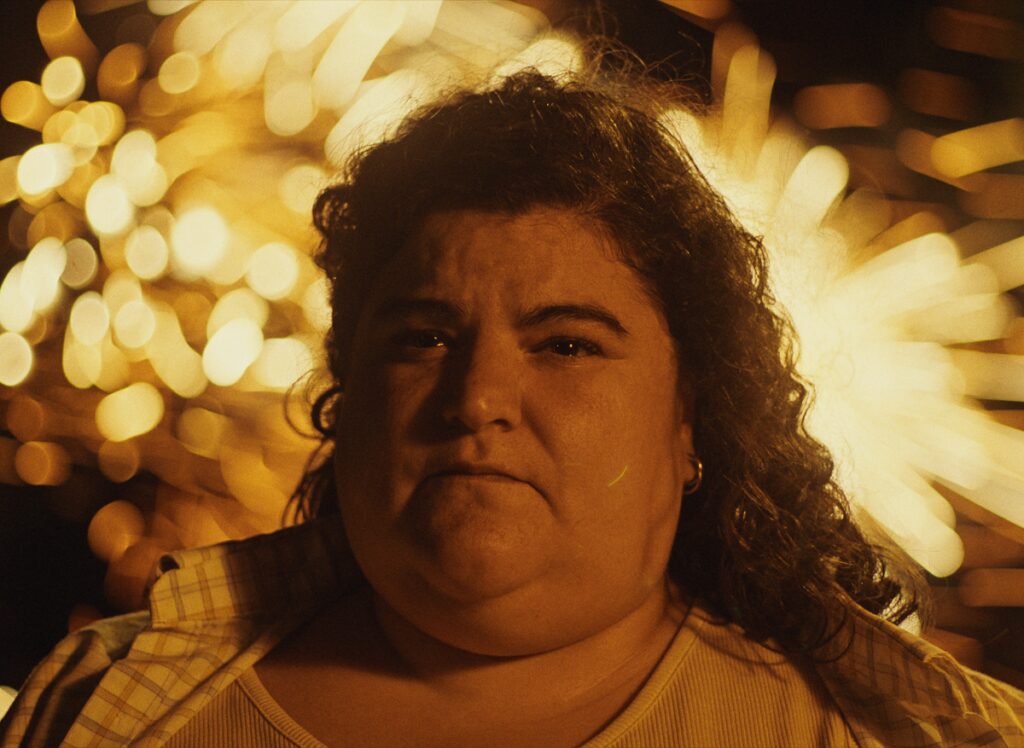
For Being a Witch and a Poisoner:
Authorship pending (REVISAR)
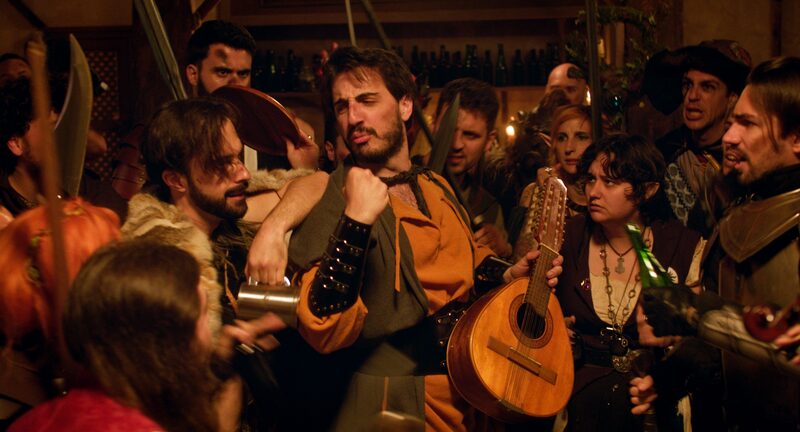
Therapies and Dungeons:
Authorship pending (REVIEW)
Methodology and Assessment
The University Master’s Degree in Film Studies and Visual Cultures combines academic research, critical analysis and audiovisual creation to offer an in-depth understanding of moving images and contemporary visual culture. Through the study of films, theoretical texts and cultural phenomena connected to the multiscreen environment, students develop tools to interpret, contextualise and research contemporary audiovisual languages.
The programme brings together perspectives from film studies, cultural studies, the humanities and new forms of audiovisual creation, fostering the development of research projects and original creative proposals. Ongoing work with specialist faculty enables students to develop a critical and rigorous perspective on film, audiovisual media and their relationship with contemporary society.
-
Lectures
-
Sessions introducing concepts, theoretical currents, film movements and contemporary debates related to film and visual cultures.
-
-
Audiovisual Analysis Seminars
-
Discussion and analysis sessions exploring films, series, video games, immersive experiences and other forms of visual culture through specialised critical and methodological tools.
-
-
Applied Research
-
Development of research projects in which students learn to formulate research questions, establish methodologies and develop their own theoretical frameworks.
-
-
Audiovisual and essayistic creation
-
Activities designed to experiment with the audiovisual essay, digital creation and other forms of research based on artistic practice.
-
-
Working with sources
-
Research using specialist literature, audiovisual materials, archives and digital resources, fostering critical analysis and the development of original knowledge.
-
-
Presentations and debates
-
Public presentation of work and research to develop skills in argumentation and academic communication.
-
-
Independent study
-
An individual process of reading, viewing, researching and producing work that fosters intellectual autonomy and the development of one’s own critical perspective.
-
-
Assessment methods
-
Assessment is continuous and combines research papers, critical essays, audiovisual analysis exercises, creative projects, oral presentations and academic participation. Analytical ability, methodological rigour, quality of argument, originality of proposals and integration of theoretical and audiovisual references will be assessed. The process culminates in the preparation and defence of the Master’s Final Project.
-
Teaching staff
The master’s programme brings together researchers, critics, university lecturers and distinguished professionals connected with film studies, cultural studies, digital creation and new audiovisual media.
-
Manu Yáñez (Director of the Master's programme)
-
He holds a degree in Industrial Engineering from the Universitat Politècnica de Catalunya, a Master’s in Film Studies, and a PhD in Communication from the Universitat Pompeu Fabra (UPF). As a film critic, he regularly contributes to specialist magazines such as Fotogramas, El Cultural, Kinetoscopio and Film Comment, as well as publishing in the newspaper ARA and appearing on the programme La Finestra Indiscreta on Catalunya Ràdio. He is the director of the digital magazine Otros Cines Europa and editor of the anthology of critical essays La mirada americana: 50 años de Film Comment (Festival de Las Palmas). He has contributed to collective monographs on filmmakers such as Terence Davies, Claire Denis, Naomi Kawase and Rainer Werner Fassbinder. In addition to heading the Film Studies department and this master’s programme at ESCAC, he has given lectures at institutions including Goethe University Frankfurt, CCCB and MARCO in Vigo. He is a member of ACCEC and FIPRESCI.
-
-
Josep Lambies
-
Journalist, critic, academic and lecturer. He holds a PhD in Audiovisual Communication from the UPF, with a thesis on the depiction of the face in contemporary cinema. For over a decade, he was part of the editorial team at the magazine Time Out in Barcelona and Madrid. He has regularly contributed to television programmes such as Àrtic (Betevé) and radio programmes such as La tribu (Catalunya Ràdio) and Tot és comèdia (SER/Ràdio Barcelona).
-
-
Samantha da Silva Diefenthaeler
-
She graduated with a dual degree in Communication from the Federal University of Rio Grande do Sul (Brazil) and the University of Lisbon (Portugal). She holds a Master’s degree in Contemporary Film and Audiovisual Studies from the UPF, where she also completed her PhD with a thesis focused on female comic roles in film history. She has taught courses including Mise-en-scène, Aesthetic Theory and Interactive Communication at the UAB and the UPF. She is currently a postdoctoral researcher in training at the UPF and a member of the CINEMA research group.
-
-
Yago Alcover
-
He graduated in Film and Audiovisual Media from ESCAC (Documentary specialisation) and holds a Master’s degree in Contemporary Film and Audiovisual Studies from the UPF, where he is currently preparing his PhD on the cooperative experimental film laboratories of the Xarxa Filmlabs and the continued relevance of photochemical film in the digital age. Since 2019, he has been a member of the board of the Crater-Lab collective. He combines teaching with audiovisual and musical creation, and criticism in media such as Contrapicado, Mondo Sonoro and Rockdelux.
-
-
Andreu Belsunces
-
Sociologist of design and technology. His research lies at the intersection of digital cultures, technopolitics, collaborative practices, epistemology and the semio-material agencies of fiction. He shares learning spaces at the UOC, Escola Massana, Elisava and IED, connecting the media studies, critical thinking, social sciences, and research in art and design. He is co-founder of Becoming, an experimental action-research studio exploring emerging scenarios. His work has been exhibited at institutions and festivals including MACBA, CCCB, Sónar+D, Hangar, Medialab Prado, The Wrong Biennale and The New School in New York, among others.
-
-
Joan Josep Pons López
-
He holds a degree in History and a master’s degree in Libraries and Heritage Collections from the University of Barcelona (UB), and a PhD in Humanities and Communication from the UOC (currently studying anthropology and psychology). A game designer and creative director at companies such as 3peppers games, Flashfutura, Arhat Games and TMT Games, he has contributed to the development of titles such as Inopia, Escape from Tenopia Island, The Dive or DungeonDome. He is a member of LUDO (Association of Board Game Creators), and teaches Game Design, Audiovisual Storytelling and Level Design, as well as coordinating the video game degree at Tecnocampus.
-
-
Marta Rodríguez
-
Freelance producer and lecturer specialising in immersive storytelling. She has led several film projects, including The Girl from the Song (the first fiction feature film shot at the Burning Man festival, available on Netflix). She has been involved in teaching at ESCAC since 2008 and co-founded N.E.S.A. Labs in 2018, a space dedicated to exploring new ways of telling stories and the narrative potential of XR technology and immersive experiences.
-
Basic information
Qualification
University Master’s Degree in Film Studies and Audiovisual Cultures
Master's Director
Manu Yáñez
Start date
20/09/2027 preparatory courses
27/09/2027 start of classes
Master's final project submission
22/06/2028 (First round)
02/10/2028 (Second round)
Language
Spanish
Credits
60 ECTS
Location
Terrassa
Available Places
25
Master's Coordinator
Èric Gurrera
End of teaching classes
12/05/2028
Schedule
Mon–Fri, 15h to 19h
Format
On campus
Price
5.460€