Curasana:
Authorship pending (REVISAR)
Master’s in Cinematography
Learn to master the creation of images: light, lenses, camera, film negative and colour grading. Understand the language of light, learn to create atmospheres and convey emotions through lighting setups. Understand the narrative created by the camera and lenses. You’ll shoot on 35 mm, 16 mm and digital with working cinematographers and finish with your own reel.
The cinematographer creates the images for a film, series or advertisement. They decide on the lighting, lenses, framing, composition and image texture, and work with the director to ensure that everything serves the story.
The master’s degree prepares students to take on this role and work in camera and lighting teams. The programme covers the camera and shutter, film negative and sensitometry, digital capture and Log curves, lenses, colourimetry, light sources and colour grading.
ESCAC keeps film negative as a learning tool: students shoot on 35 mm and 16 mm, while also studying digital imagery with the same rigour. The aim is to understand which parameters determine image quality, not to memorise a camera’s menus.
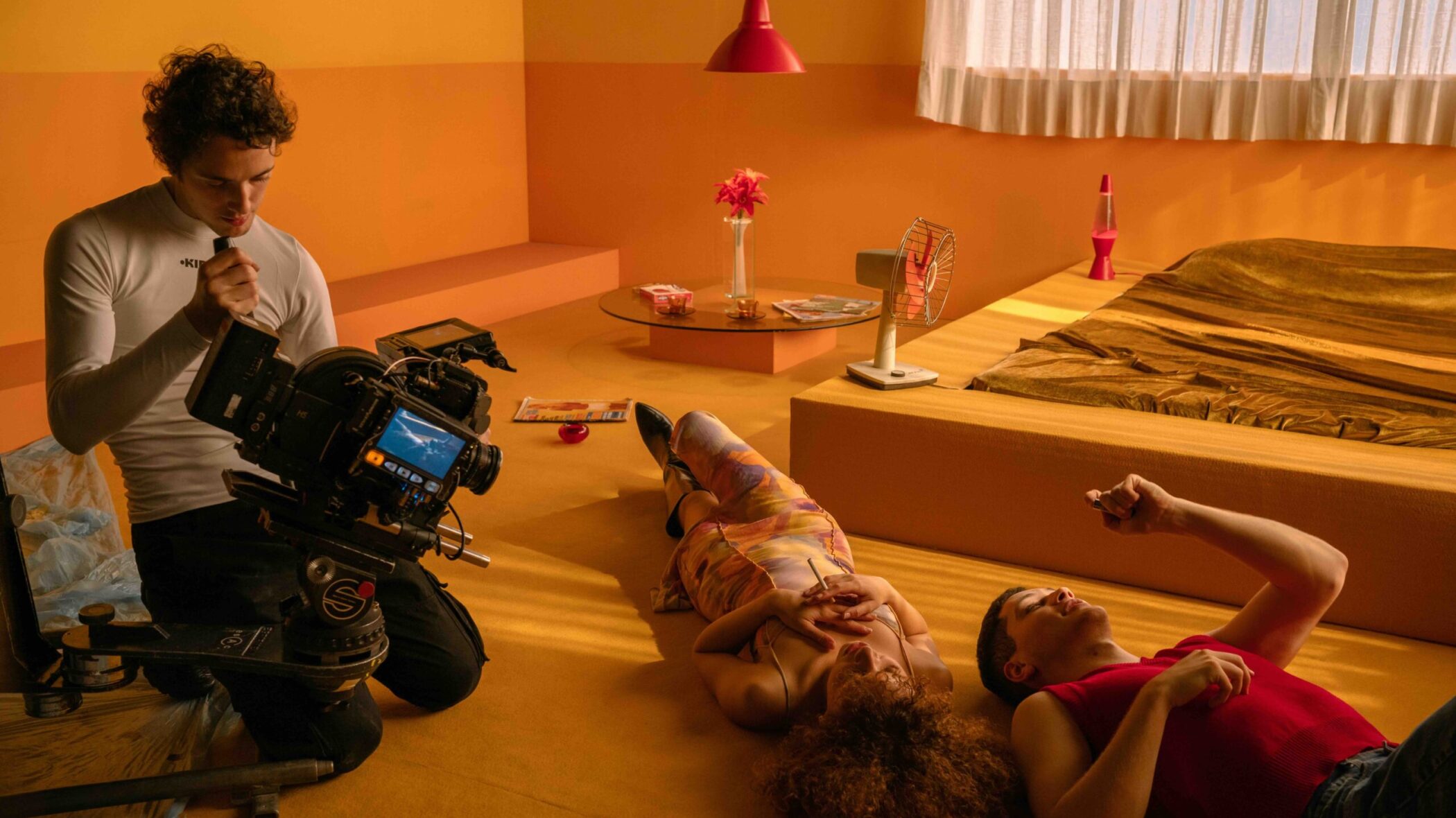
Each student serves as cinematographer on two exercises supervised by a working cinematographer and takes on the remaining camera and lighting roles in their classmates’ exercises. The course concludes with a final project shot alongside students from the Directing and Art master’s programmes.
On completing the course, students have a reel as a cinematographer and access to ESCAC’s career services and internship agreements with production companies.
People who want to work in cinematography for film, television series and advertising: graduates in Audiovisual Communication or Fine Arts, film school graduates, higher-level audiovisual production technicians, and audiovisual professionals looking to specialise in cinematography or change disciplines.
By the end of the master’s degree, students will be able to take charge of the cinematography of an audiovisual project and justify every image-making decision, from preparation through to colour grading.
Define a visual style that strengthens the project and translate a concept into images through visual language and composition.
Take responsibility for the artistic creation of images in the staging of any audiovisual work.
Maintain narrative and lighting continuity throughout the project to avoid distracting viewers and to reinforce the story.
Use light as a narrative and dramatic tool: create atmosphere, direct viewers’ attention and evoke emotions.
Work from references, create a visual dossier, and use film stocks, lenses, filters and cameras in service of the story.
Understand the tools, technologies and workflows used in today’s film industry.
Understand how photochemical and digital images are formed in order to address the challenges of each medium.
Choose lenses for their visual language, taking focal length and its relationship to frame size into account.
Understand the technology behind each family of lighting fixtures and choose the right equipment for each lighting setup.
Master colour grading and colour management to work across all the processes that filmed images go through.
Design lighting that reinforces the script narratively and dramatically on every set and location.
Prepare shoots using the right planning and previsualisation tools.
Create breakdowns, equipment lists, lighting plans and shooting schedules.
Scout exterior locations: calculate the sun’s position, assess the space, organise the schedule according to the light and divide the lighting areas.
Lead a team and make technical and aesthetic decisions under pressure on a real shoot.
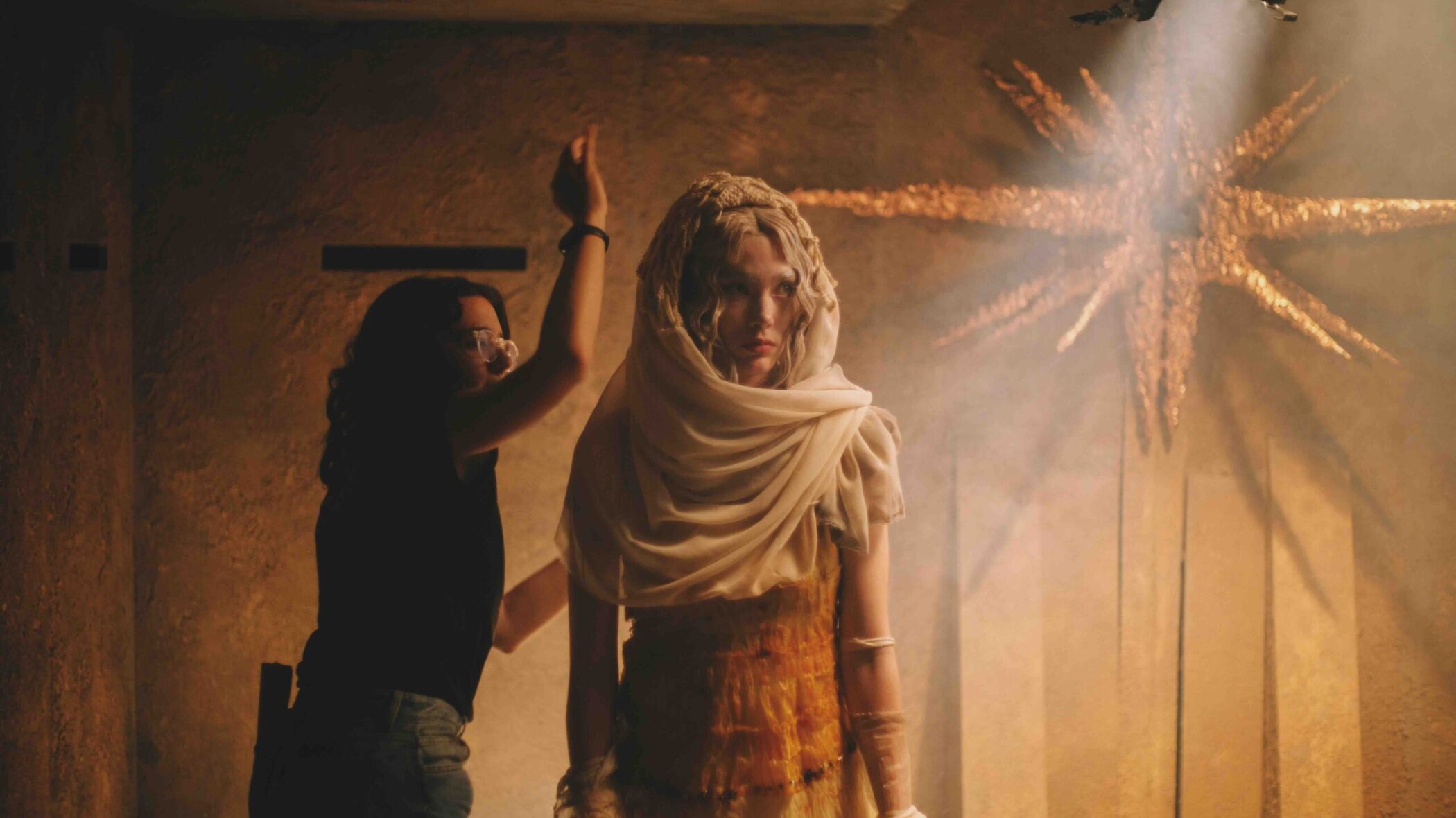
Develop conceptual designs and reach an aesthetic consensus with the director, art department and costume department.
Work as part of a team and understand the responsibilities of each role in the camera and lighting departments.
Build a reel as a cinematographer to access new professional opportunities.
Become part of the ESCAC Community and collaborate with graduates from different cohorts.
Specialised training in the role of the cinematographer in productions for the film and television industries.
Our graduates pursue careers across many areas of the entertainment and communications sectors:
What is expected of a cinematographer today, before, during and after filming: the relationship with directing and the other departments, breakdowns, equipment lists, lighting plans, shooting order, continuity and locations.
How a film and digital camera capture movement. Shutter angles, frame rates, global shutter versus rolling shutter, motion blur, HFR, flicker problems when filming screens and discharge lights, creative shutter techniques.
The origins and evolution of motion-picture negative film: formats and aspect ratios, from orthochromatic film to today’s emulsions, colour processes such as Technicolor, development, alternative processes such as ENR, and the advent of the digital intermediate.
How emulsions behave when exposed to light and during development. D-log E curve, step wedges and densitometers, exposure index, push and pull processing, laboratory processes and scanning film negatives.
How a sensor works and which parameters determine digital image quality: resolution, sampling and colour depth, codecs and compression, RAW, Bayer filter, sensor size and dynamic range. Theory and practical sessions on set.
Exposing the digital signal using the logic of film negative. Gamma and Log curves (LogC, S-Log, Log3G10), native ISO and exposure index, ETTR, signal-monitoring tools, on-set monitoring, 1D and 3D LUTs, and the advent of HDR.
How a lens forms an image and what makes each optic unique: F and T numbers, coverage, depth of field, collimation and mounts; MTF, coatings, aberrations, bokeh and flares; zooms, macro lenses and a workshop on vintage lenses.
Light and colour from their physical and perceptual foundations. CIE 1931 diagram, Rec.709, Rec.2020, DCI-P3 and HDR colour spaces, colour temperature and Duv deviation, corrective filtering, on-set colour measurement, and CRI and TLCI indices.
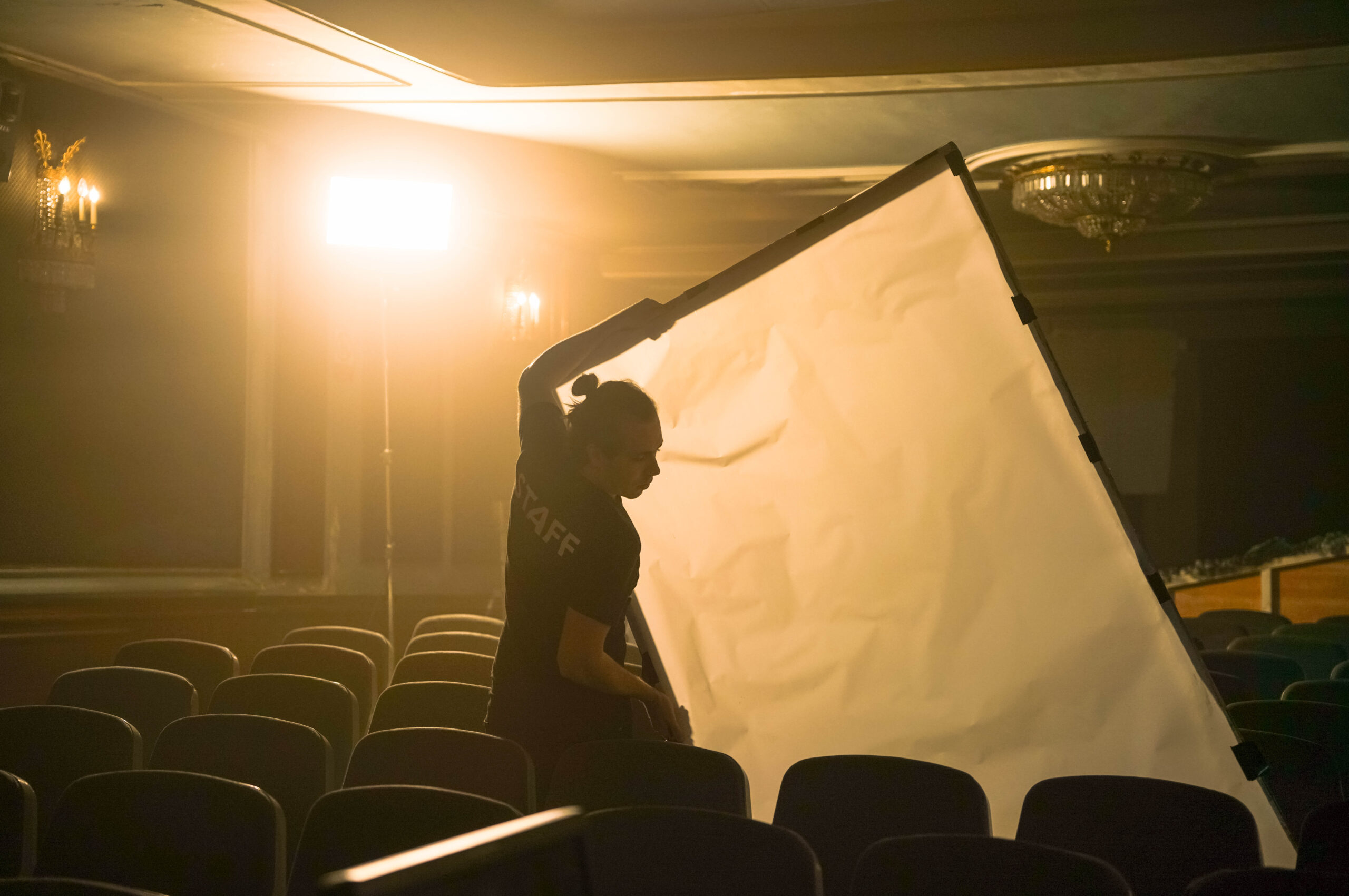
A workshop on the behaviour of light: the inverse-square law, hard and soft light, types of lighting fixtures (incandescent, HMI, fluorescent and LED), and controlling light to cut, soften, graduate and filter it using accessories, gels and fabrics.
Colour grading in DaVinci Resolve, from ingest to delivery: primary and secondary corrections, curves, windows and tracking, working with Log and RAW, LUTs, looks, power grades and delivery codecs. Includes supervised practice using your own material.
The final project (MFP) is a short audiovisual piece that brings together what students have learned during the master’s programme. It is made jointly by two students and coordinated with the master’s programmes in Directing and in Production Design and Art Direction.
It has five stages: adapting an original script or one provided by the teaching staff; pre-production with the directing and art departments; filming; post-production (editing, colour correction and visual effects, if any); and a defence before a panel, during which the cinematography decisions and results are explained. A tutor guides the process and evaluates its development.
The piece is assessed on whether it is completed with sound editing and a soundtrack, although this is not compulsory.
Presentation dates: 1 July 2028 and 1 October 2028.

Authorship pending (REVISAR)

Authorship pending (REVIEW)
Authorship pending (REVISAR)
Authorship pending (REVIEW)
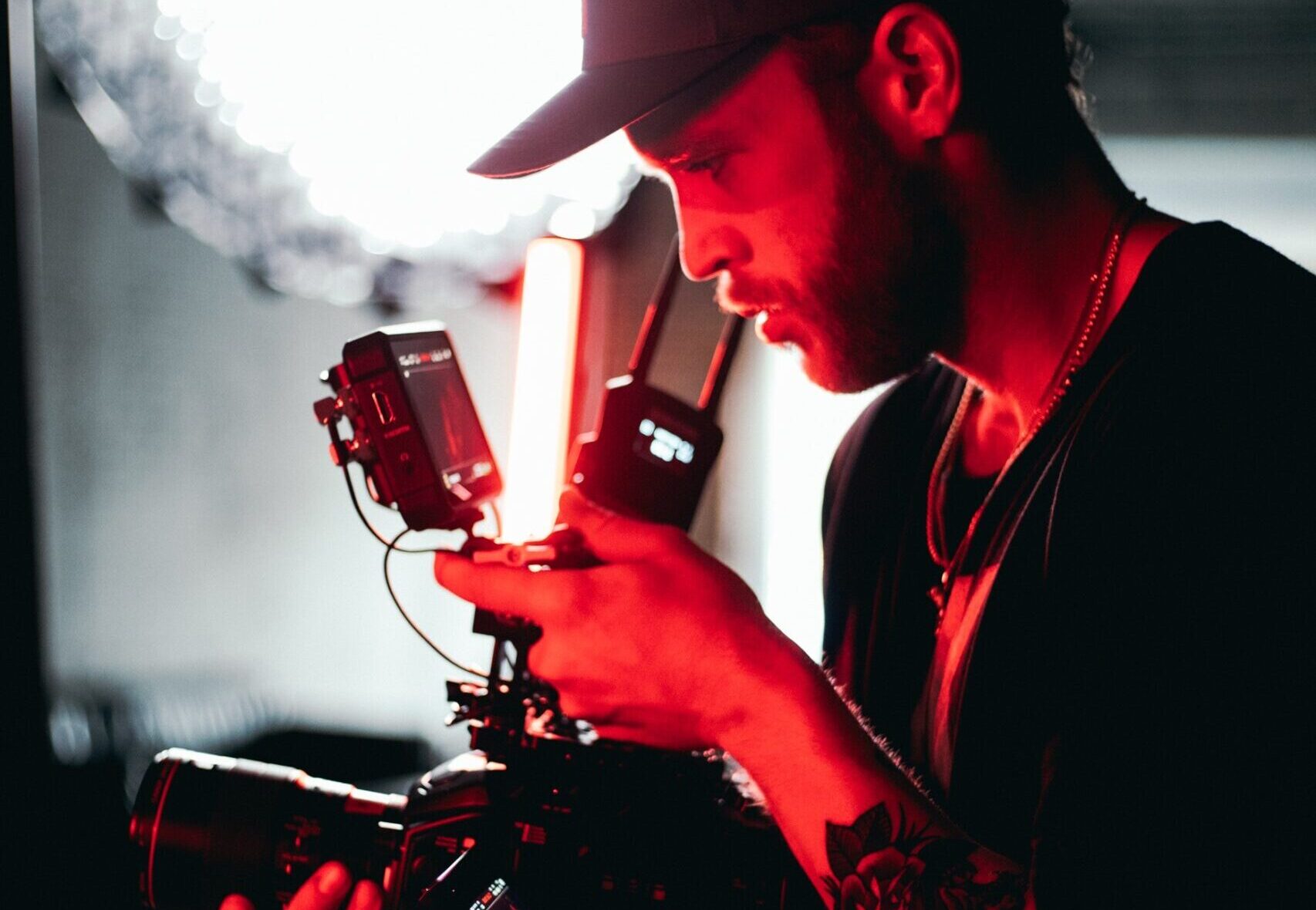
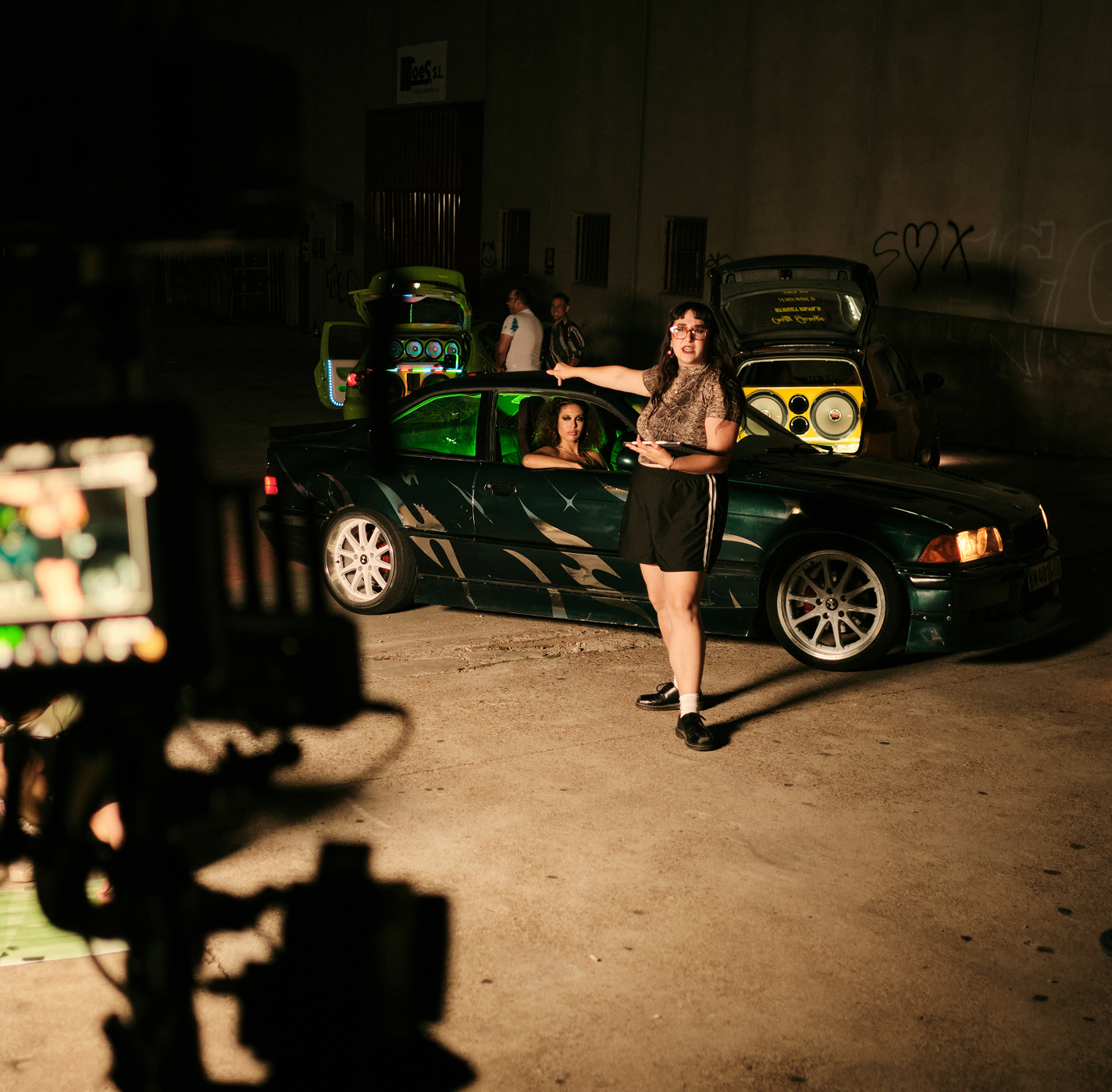
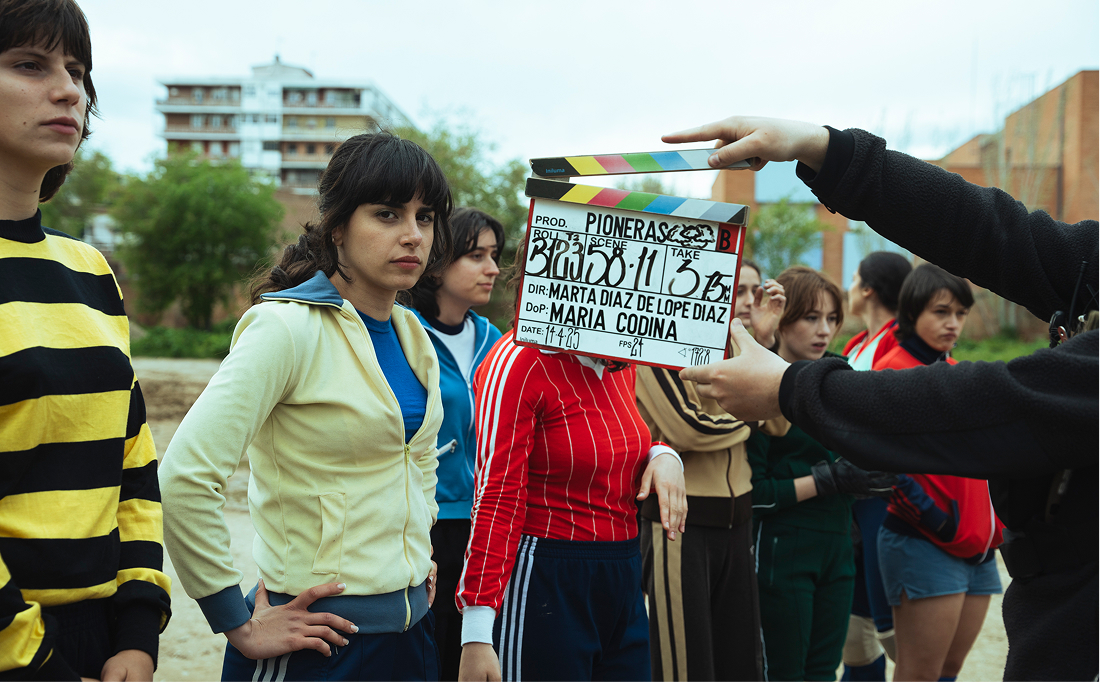
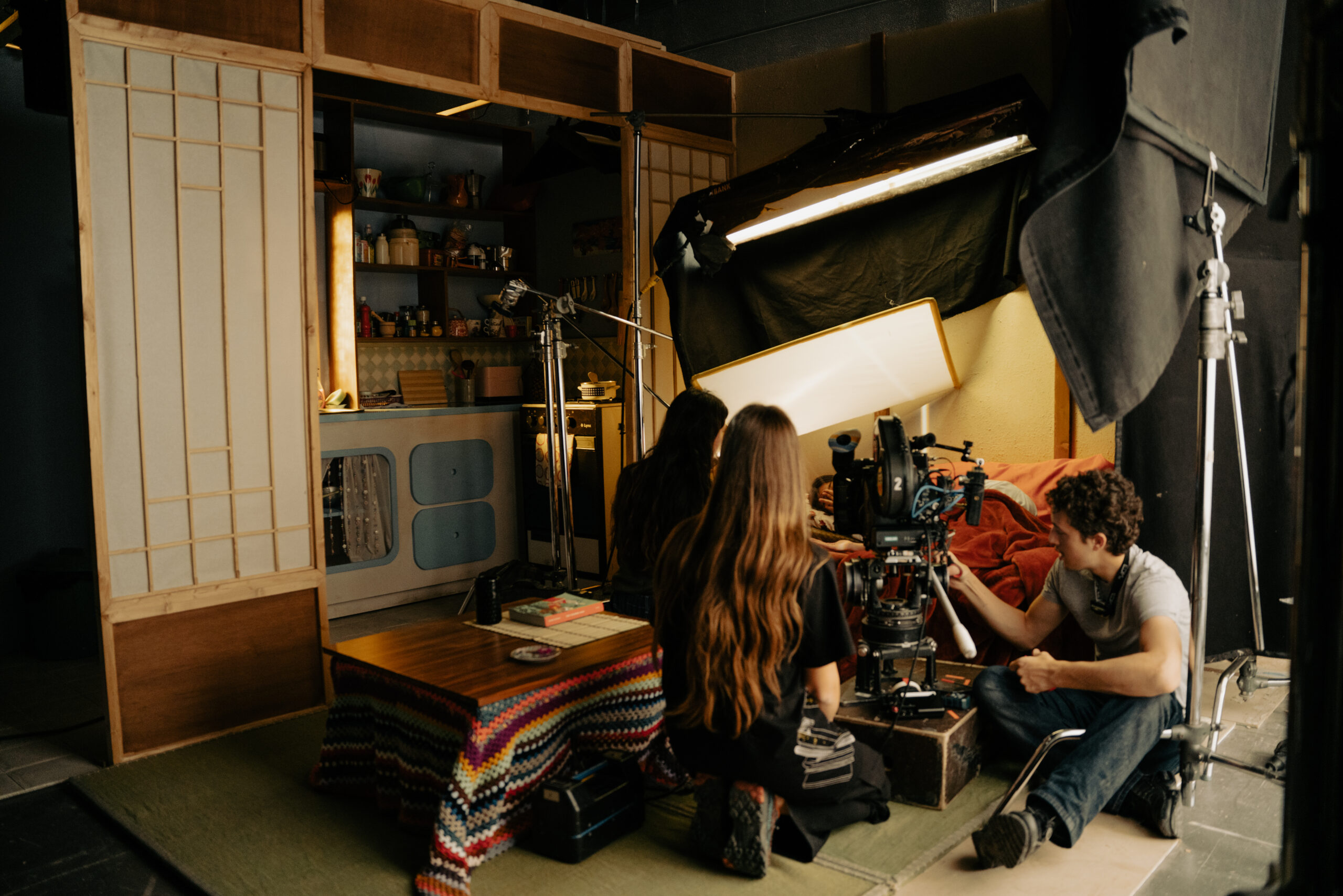
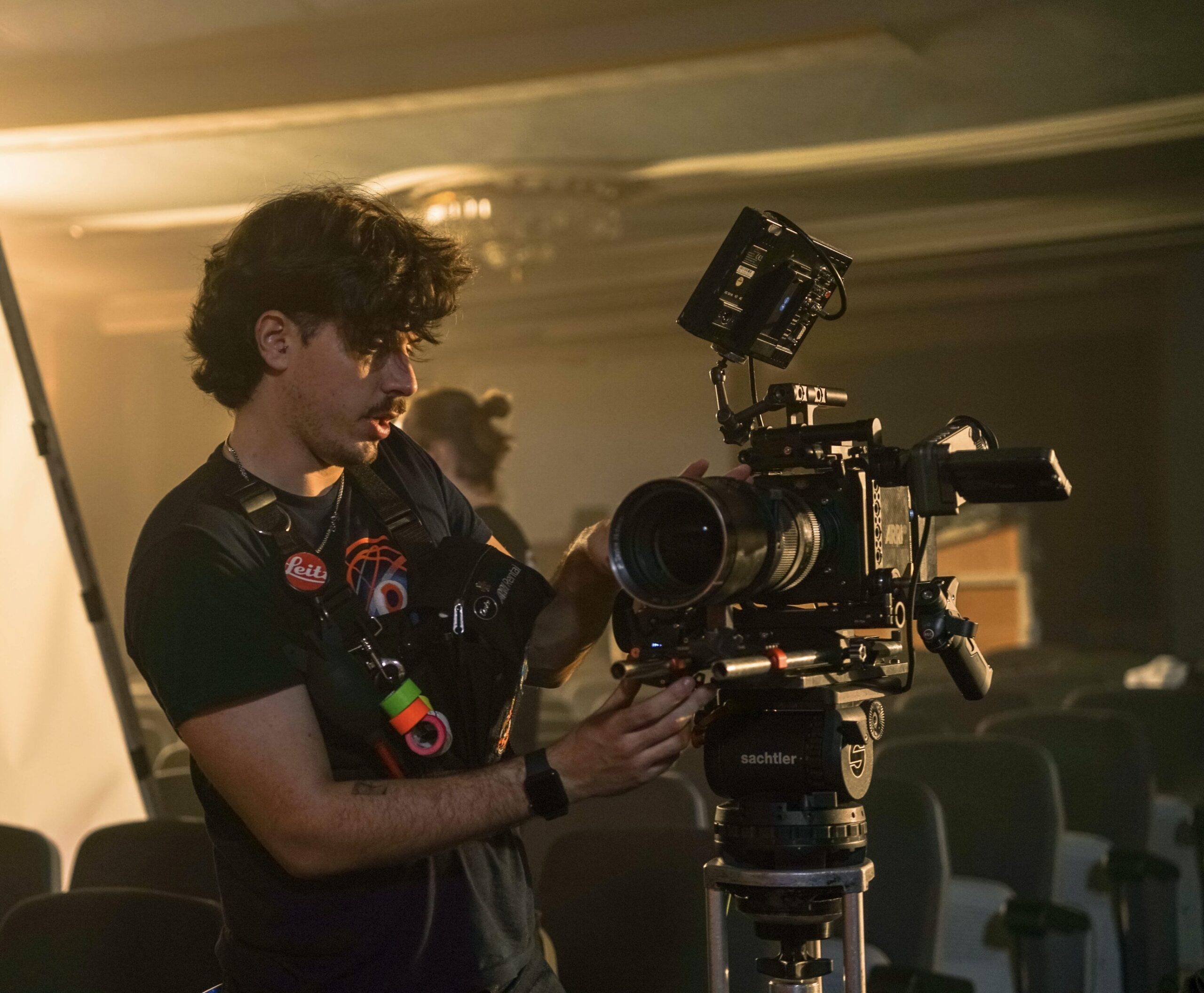
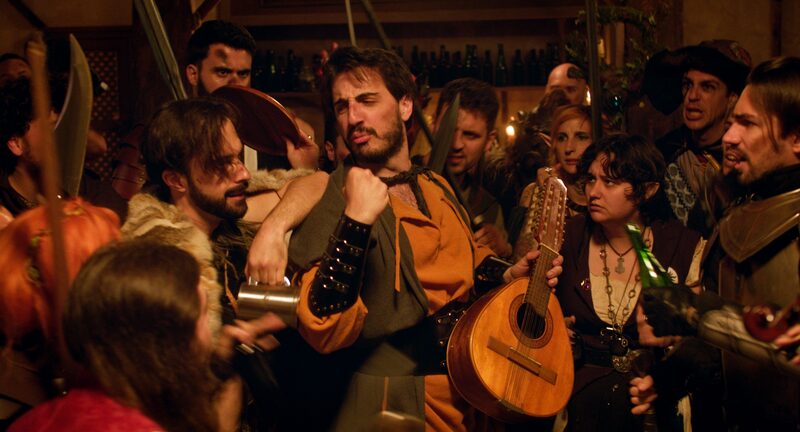
The master’s programme follows a learning-by-doing approach: students learn by filming, alongside working professionals. Theoretical and practical classes take place on a soundstage and on outdoor sets, using the school’s equipment: ARRI 35 mm and 16 mm cameras, ARRI Alexa Mini digital cameras, spherical and anamorphic lenses, a photochemical laboratory, a scanner and colour grading suites with DCI P3 projection. Each student is director of photography on three exercises, supervised by a working cinematographer, and takes on the other camera and lighting roles in their classmates’ exercises. This gives them an understanding of every crew role before leading the team.
Sessions to prepare and carry out the master’s final projects, in coordination with the master’s programmes in Directing and in Production Design and Art Direction.
Mainly theoretical classes in which professionals from the industry explore each area of the discipline in depth: cameras, film negative, digital, lenses, colour and light.
Practical classes where students apply what they have learned. Each student is director of photography on two supervised exercises and works in the camera and lighting crew on their classmates’ exercises.
One- or two-day sessions with renowned professionals, who share their experience in conversation with students.
Institution-specific Master’s in Cinematography
Jordi Bransuela
13/09/2027
01/07/2028 (1st call)
01/10/2028 (2nd call)
Spanish (some classes in English)
60 ECTS
ESCAC Terrassa Campus
24
Jordi Bransuela
25/02/2028
Mondays, Tuesdays and Fridays from 10h to 14h
Wednesdays and Thursdays from 10h to 17h
In person
14.175€
• Graduates or degree-holders in Audiovisual Communication, Fine Arts or other university qualifications related to audiovisual media who can demonstrate experience in the field with a reel.
• Students from film schools or artistic disciplines.
• Holders of an advanced vocational qualification in Directing Audiovisual Projects and Shows or equivalent.
• Film or audiovisual professionals wishing to deepen their knowledge of cinematography.
• Professionals with proven experience in audiovisual media who wish to change disciplines.
Pre-registration calendar for the 26-27 academic year: from 2 November 2026
Candidates must complete the pre-registration form available on this page.
Applicants must submit a video pitch of no more than 3 minutes, a CV and a portfolio of the projects they have worked on. If needed to make a decision, the programme director will conduct an online interview. Anyone who needs a student visa must book an appointment at the Spanish embassy or consulate as soon as they are admitted: the process can take 2 to 4 months.
The Admissions team and academic coordination will review the submitted documents and assess the application.
If considered necessary, the programme director may conduct an online interview with the applicant as part of the selection process.
Once admission has been communicated, the candidate may proceed with the reservation of a place and subsequent enrolment, following the instructions provided by ESCAC.
To obtain the qualification, students must attend at least 80% of classes and pass the assessed subjects. For the final project (MFP), the tutor evaluates the development of the work, and a panel assesses the piece and its public defence using rubrics approved by the MFP committee.